


Port Louis and Northern Mauritius Excursion
Meet your guide and visit the following places:
- Aapravasi Ghat
In the district of Port Louis lies the 1,640 m2 site where the modern indentured labor diaspora began. In 1834, the British Government selected the island of Mauritius to be the first site for what it called 'the great experiment' in the use of 'free' labor to replace slaves. Between 1834 and 1920, almost half a million indentured laborers arrived from India at Aapravasi Ghat to work in the sugar plantations of Mauritius, or to be transferred to Reunion Island, Australia, southern and eastern Africa, or the Caribbean. The buildings of Aapravasi Ghat are among the earliest explicit manifestations of what was to become a global economic system and one of the greatest migrations in history.
- The Caudan Waterfront
This historic site was built around a fossil coral islet, the peninsula named Le Caudan, which has housed a powder magazine, an astronomical and meteorological observatory, quays, warehouses, and various small businesses over the last 250 years. Le Caudan Waterfront is a popular shopping spot for both local people and visitors. At the mall, you'll find the latest fashion shops and trends, a popular arts and music business market, and specialty stores selling local unique products, including replicas of ships, Indian clothes, local jewelry, and local artists' paintings. The shopping center features cinemas, a marina, restaurants and cafes, a museum, two of the world's rare stamps, a casino, and duty-free shopping opportunities for visitors. There are also retail facilities for tourists.
- Citadel Fort
The historic Citadel Fort is located on Petite Montagne Hill, about 100 meters high, and has become one of the historical sites of Mauritius. The fort, also known as Adelaide Fort, was named after William II's wife when the British held Port Louis and provides breathtaking views of the town and of Port Louis. Colonel Cunningham designed the fortress to defend the British army from the enemy in the early 19th century. It was constructed in a Moorish style, with horseshoe arches, and built with large rectangular blocks. The fort has become a national monument.
- China Town & Port Louis Bazaar
The exploration of the city can be an enriching cultural experience. The atmosphere of Chinatown is interesting, and the Chinese culture remains alive. Spicy aromas waft through the small restaurants, engulfing the entire area and creating a mystical aura. Chinatown includes the Jummah Mosque, which was built in 1853 and features magnificent teak doors and decorations.
- Street food tasting in Port Louis Bazaar (optional)
Experience the local cuisine and street food in the brimming bazaar of Port Louis, which will leave your tastebuds delighted.
- Pamplemousses Botanical Garden
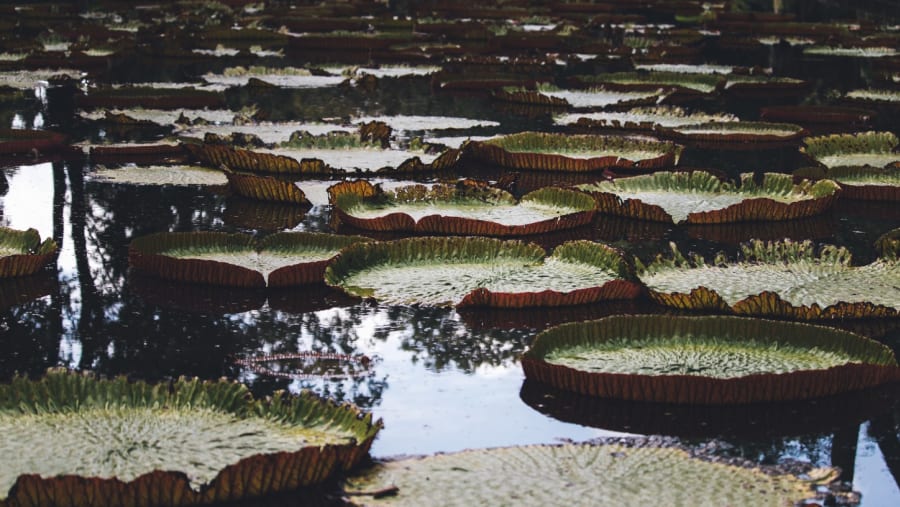
The Sir Seewoosagur Ramgoolam Botanic Garden (SSRBG) covers an area of approximately 37.5 hectares and contains diverse flora and fauna attractions of both terrestrial and aquatic origin. The SSRBG's origin dates back to the French era. In 1736, the French governor, Mahé de Labourdonnais, decided to build his jurisdiction around the garden's present Main Gate. In 1767, the garden's founder, the French Intendant Pierre Poivre, imported herbs, fruits, flowers, and spices from all over the world. It is the largest Southern Hemisphere Botanical Garden.
- L'Aventure du Sucre Sugar Museum
Mauritius was, over the past hundreds of years, and still is, about sugar. This old sugar production line has been transformed into a great museum recounting not just the tale of how sugar is handled and produced, but also mankind's history of bondage and Indian contracted workers who drudged to build the industry and, in fact, Mauritius as it is today.
- Chateau de Labourdonnais
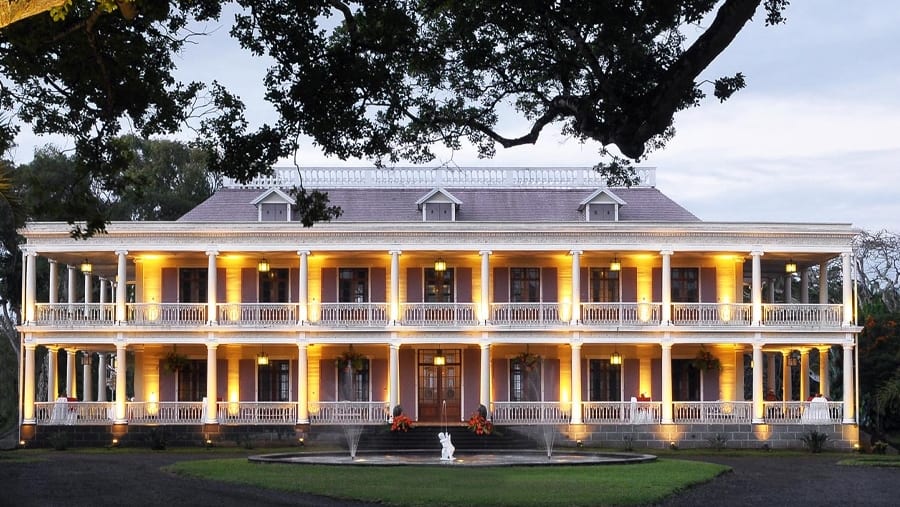
Château de Labourdonnais invites you to discover the Mauritian lifestyle of the nineteenth century in the heart of a magnificent natural estate. This grand mansion, built in 1859, is beautifully restored and promises a tour full of surprises through the island's history.
- Grand Bay
Grand Bay, or Grand Baie, is a seaside village and large tourist beach in the district of Rivière du Rempart in the north of Mauritius. Grand Bay was once called De Bogt Zonder Eyndt (Bay Without End) by the Dutch in the 17th century. Grand Baie is a fertile tourist ground, and its fashion and craft shops appeal to landlubbers while swimming, sailing, and windsurfing enthusiasts frolic in the emerald Indian Ocean.
- Cap Malheureux (The Red Church)
This Roman Catholic church is renowned for its bright red roof and has made the village of Cap Malheureux a popular tourist destination. Cap Malheureux is a fishing village located at Mauritius' northern tip. The name means Cape Unlucky because of the number of shipwrecks over the years, although you can hardly believe that when you look out over the gentle turquoise waters to Coin De Mire Island. It is a good place to visit and enjoy the local scenery while admiring the beautiful views.
- Colorful Kovil (Tamoul Temple)
Visit the colorful Hindu temple and appreciate its stunning and picturesque architecture built by the Tamil indentured laborers from India.
- Mont Choisy
Mont Choisy is a wonderful long arc of beach with golden sand reaching around towards Grand Baie. It is a great place to relax and chill.