Nepal · Trekking

5-Day Gosainkunda Trek from Kathmandu through Langtang National Park

5 Days Round trip from Dhunche 45000 Moderate pace

The journey

Trip highlights
  • 01 Experience the spiritual essence of Gosainkunda Lake, sacred to Hindus and Buddhists
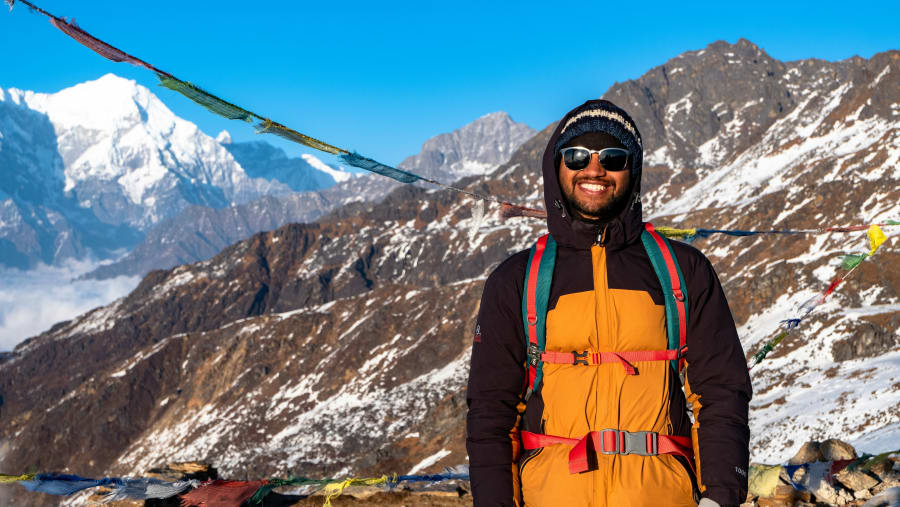
  • 02 Witness panoramic views of the Langtang Himalayan range
  • 03 Trek through lush rhododendron forests and look out for Red Pandas and Himalayan Tahr
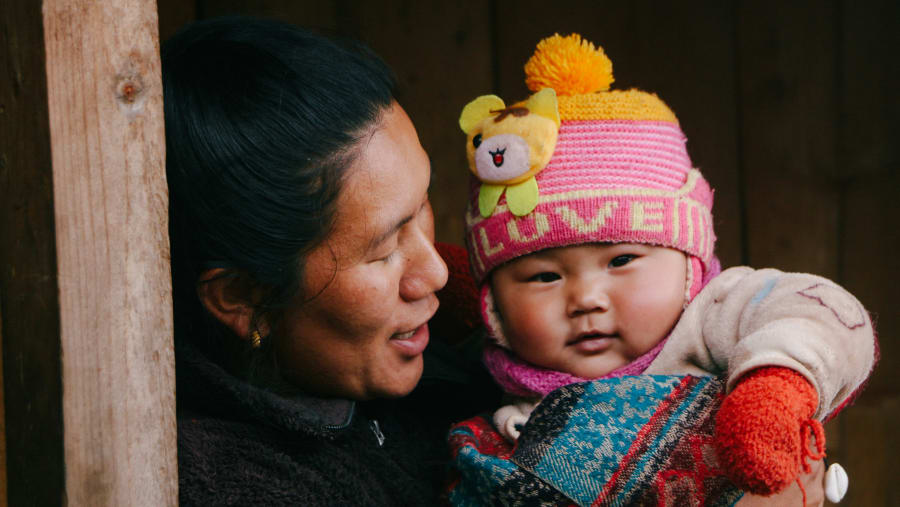
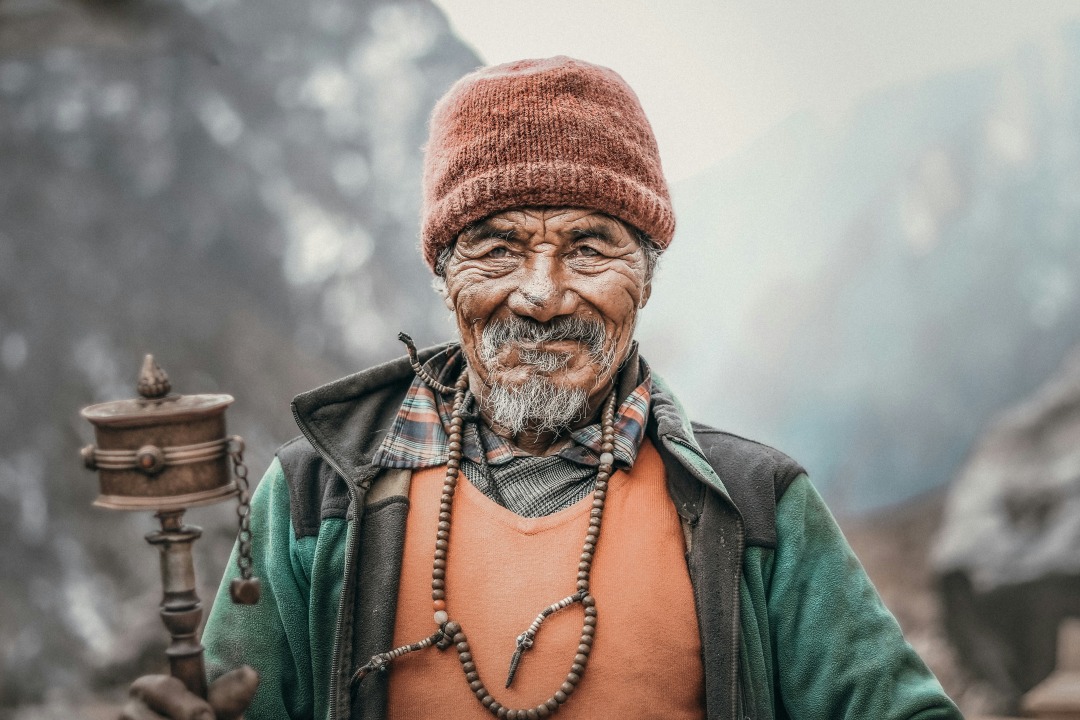
  • 04 Immerse yourself in the rich Tamang and Sherpa cultures
  • 05 Pass through traditional Himalayan villages such as Dhunche and Chandan Bari

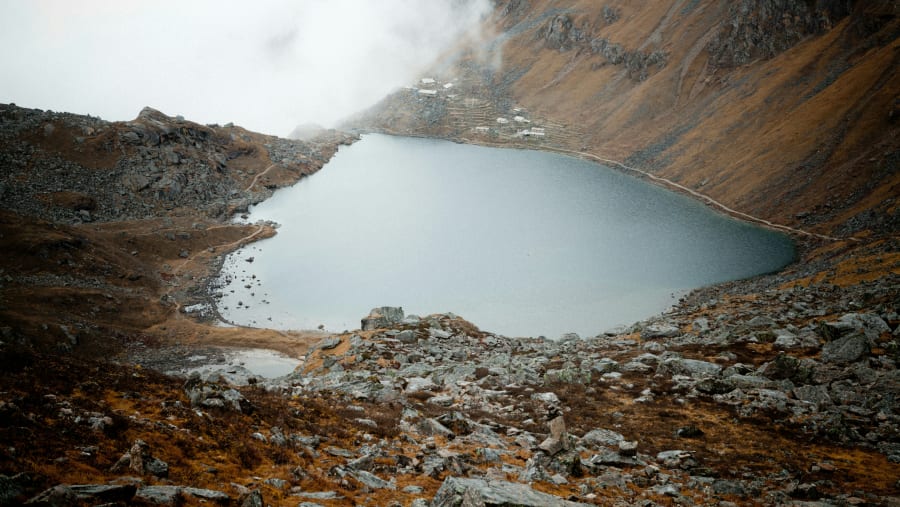
Embark on the 5-day Gosainkunda Trek in Langtang, a spiritual journey to the sacred alpine lake of Gosainkunda. This hidden gem offers panoramic mountain views, encounters with local culture, and opportunities to spot wildlife along the trail. Revered by both Hindus and Buddhists, Gosainkunda is one of Nepal's most significant high-altitude pilgrimage destinations. Over five days, you'll trek through forests, villages, and alpine landscapes in the heart of Langtang National Park.

Embark on the 5-day Gosainkunda Trek in Langtang, a spiritual journey to the sacred alpine lake of Gosainkunda.

From the itinerary

At a glance

What this trip includes

Duration 5 Days
Tour type Shared
Activity level Moderate
Accommodation Included · Standard
Transport Included
Wheelchair access No
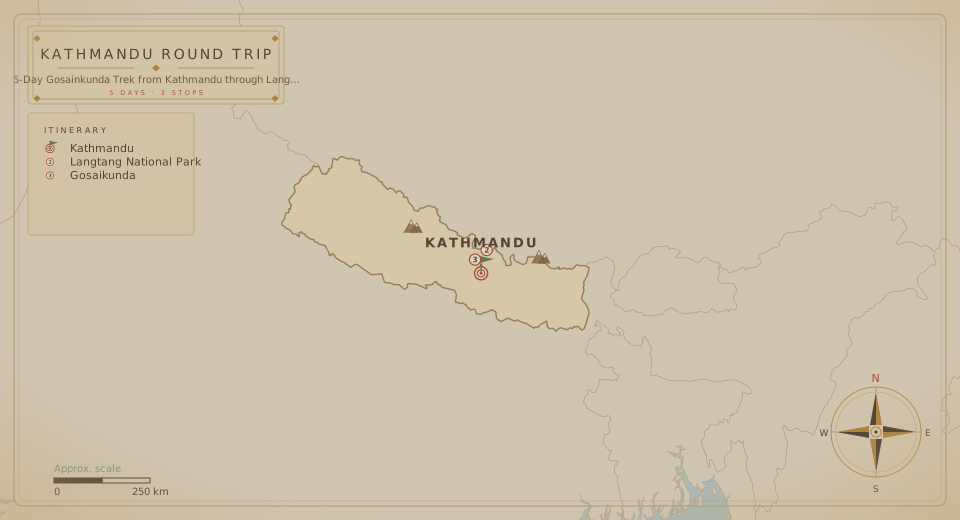
Cities Kathmandu, Gosaikunda, Langtang National Park
Languages English, Hindi, Nepali

Day by day

The itinerary

1
Day 01

Kathmandu to Dhunche through Langtang National Park landscapes

  • Your journey begins with an early morning departure from Kathmandu. You'll take a scenic 5-hour bus ride to Dhunche, the starting point of the trek. The drive follows winding roads through the Trishuli River valley, passing terraced farmlands, dense forests, and quaint hillside villages. During the journey, you'll have plenty of opportunities to take in panoramic views of the Ganesh Himal and Langtang ranges.
  • Upon reaching Dhunche, a charming town at the edge of Langtang National Park, check into a local guesthouse. Spend the evening acclimatizing, exploring the town, and preparing for the adventure.
    • Drive Duration: 5-6 hours
    • Accommodation: Teahouse in Dhunche
    • Highlights: Scenic drive through picturesque landscapes and river valleys
2
Day 02

Trek from Dhunche to Chandan Bari via forest trails

  • After a hearty breakfast, you'll begin your trek from Dhunche to Chandan Bari, also known as Singompa. The trail gradually ascends through pine and rhododendron forests, offering plenty of shade and natural beauty.
  • Along the way, you'll pass through peaceful settlements like Dhimsa (2,600m) and Deurali (2,900m), where you can stop for short breaks and soak in views of the surrounding hills and valleys.
  • As you ascend, the landscape transitions from lush forests to open alpine meadows. You'll reach Chandan Bari by late afternoon, a picturesque village known for its yak cheese production. You can visit the local cheese factory and enjoy a slice of fresh yak cheese before settling into a cosy teahouse for the night.
    • Trek Duration: 5-6 hours
    • Elevation Gain: +1,230m
    • Accommodation: Teahouse in Chandan Bari
    • Highlights: Forested trails, mountain views, yak cheese factory visit
3
Day 03

Trek to sacred Gosainkunda via Lauribina

  • Start your day with breakfast and gear up for a challenging yet rewarding trek to Gosainkunda. The trail gradually ascends through alpine forest until you reach the base of Lauribina (3,900m). This section is known for its steep ascent, requiring stamina and determination. The name Lauribina means "without stick," referring to the difficult nature of the climb, which is said to challenge even experienced trekkers. However, as you climb higher, the views become more breathtaking, with stunning vistas of Langtang Lirung, Manaslu, and Ganesh Himal unfolding.
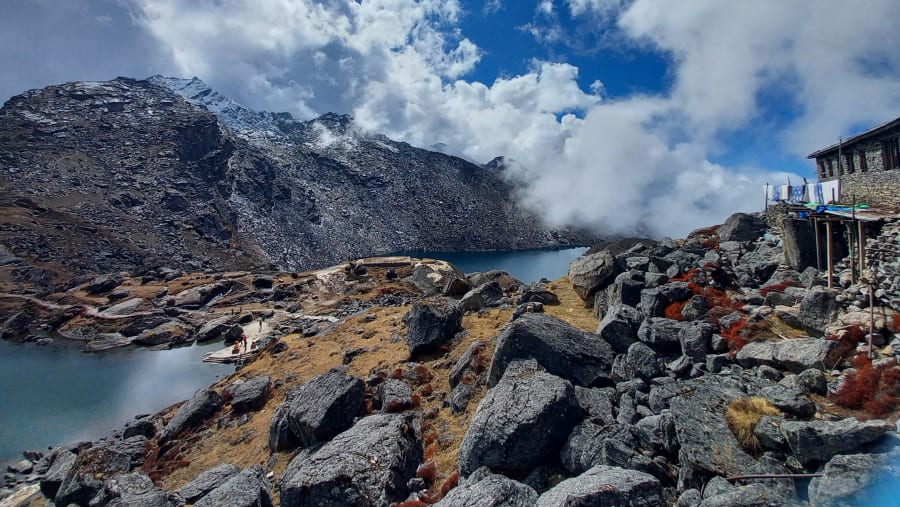
  • Upon conquering Lauribina, the trail leads to the sacred Gosainkunda Lake, revered by Hindus and Buddhists. Surrounded by 108 smaller alpine lakes, this area is believed to have been created by Lord Shiva and is a pilgrimage destination for spiritual seekers.
  • You'll spend the night at a teahouse near the lake, where you can reflect and marvel at the tranquil beauty of the pristine blue waters.
    • Trek Duration: 6-7 hours
    • Elevation Gain: +1,050m
    • Accommodation: Teahouse by Gosainkunda Lake
    • Highlights: Stunning mountain views, Lauribina Pass, spiritual and serene Gosainkunda Lake
4
Day 04

Return trek from Gosainkunda to Dhunche

  • Rise early to explore the sacred Gosainkunda Lake and enjoy the peaceful atmosphere as the morning light reflects off the still waters. After breakfast, descend to Dhunche, retracing your steps through Chandan Bari. The downhill trek provides ample opportunities to soak in the beauty of the Langtang region from a different perspective.
  • Stop for lunch in Singompa, savouring local dishes and possibly another taste of fresh yak cheese. The trail weaves through lush forests as you continue, offering glimpses of wildlife such as langur monkeys and mountain goats.
  • Arrive back in Dhunche by late afternoon, where you can relax, take a hot shower, and enjoy a well-earned meal. The evening is free to rest and reflect on the incredible journey you've just completed.
    • Trek Duration: 6-7 hours
    • Elevation Loss: -1,280m
    • Accommodation: Teahouse in Dhunche
    • Highlights: Morning exploration of Gosainkunda, downhill trek through scenic forests, local culture in Singompa
5
Day 05

Drive back to Kathmandu and farewell dinner

  • After breakfast, board the early bus back to Kathmandu, a 7-hour journey that winds through the same picturesque landscapes you experienced on the way up. Enjoy the last views of the Langtang mountain range and the Trishuli River valley as you return to the bustling capital.
  • Arrive in Kathmandu by late afternoon, where you'll be transferred to your hotel for a restful night.
  • In the evening, join your trekking companions for a celebratory farewell dinner, sharing stories and reliving the highlights of your Gosainkunda adventure.
    • Drive Duration: 6-7 hours
    • Accommodation: Hotel in Kathmandu
    • Highlights: Scenic bus ride, farewell dinner in Kathmandu
Gosainkunda Lake, Lauribina Pass, Dhunche

Where this trip takes you

Gosainkunda Lake, Lauribina Pass, Dhunche

The route

Where you'll travel

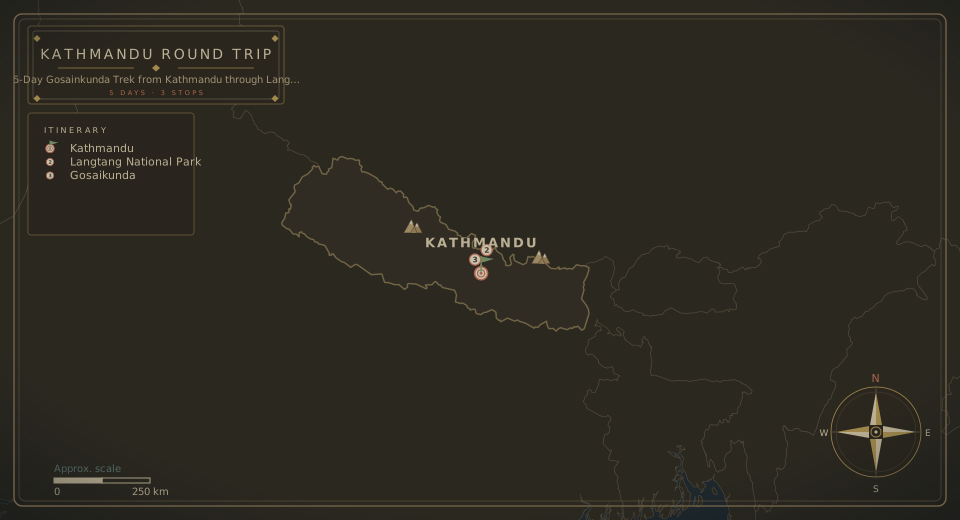
Tour route map
Round trip from Dhunche 45000 3 cities · 5 Days

The fine print

Trip details

What's Included

  • Local bus transportation from Kathmandu to Dhunche and back to Kathmandu
  • Bed and breakfast at a local lodge or guesthouse
  • Trekking guide
  • One porter for every two trekkers
  • Permits
  • Trip achievement certificate

What's Not Included

  • Lunch and dinner
  • All kinds of drinks in the mountains
  • Sightseeing in Kathmandu
  • Personal equipment
  • International airfare to and from Kathmandu
  • Travel and rescue insurance
  • Personal expenses, including phone calls, laundry, bar bills, Wi-Fi, hot water, battery recharge, shower, and excess baggage charges
  • Any other expenses not listed in the "Cost Includes" section
  • Emergency helicopter evacuation

What to bring

  • Base layers: Moisture-wicking thermal tops and bottoms for warmth and comfort
  • Trekking shirts: Lightweight, quick-drying long- and short-sleeve shirts
  • Fleece jacket or pullover: For added insulation during colder evenings and higher altitudes
  • Down jacket: A warm, packable down jacket for chilly nights and mornings, especially at Gosainkunda
  • Waterproof jacket and pants: A breathable, windproof, and waterproof jacket and pants to protect against rain and wind
  • Trekking pants: Comfortable, durable, and lightweight trekking pants (convertible pants are a great option)
  • Thermal leggings: For added warmth during nighttime and high altitudes
  • Hiking socks: Moisture-wicking wool or synthetic socks (bring at least three pairs)
  • Warm hat and gloves: Insulated hat and gloves to keep warm in the cold
  • Neck gaiter or scarf: Protects from cold winds and dust on the trail
  • Trekking boots: Sturdy, comfortable, waterproof boots with good ankle support
  • Camp shoes: Lightweight sandals or comfortable shoes for relaxing in teahouses after trekking
  • Gaiters are optional but useful for keeping mud, water, and snow out of your boots during the trek
  • Backpack (35-40L): A medium-sized backpack with a rain cover for carrying personal items, water, and snacks during the day
  • Duffle bag: For porters to carry (if hiring one) with the rest of your gear
  • Trekking poles: Adjustable trekking poles to assist with balance and reduce impact on knees during steep ascents and descents
  • Sleeping bag: A 3-season sleeping bag (rated at -10°C) for warmth during cold nights at higher altitudes
  • Water bottle or hydration system: At least 2 liters of capacity. A hydration bladder can be more convenient for easy access to water
  • Water purification tablets/filter: Safe water may not always be available, so purification tablets or a portable water filter are essential
  • Snacks: High-energy snacks like protein bars, nuts, dried fruits, and chocolates for quick energy boosts
  • Headlamp with extra batteries: For navigating at night or early morning, especially in teahouses without proper lighting
  • Sunglasses: UV-protective sunglasses for high-altitude glare
  • Sunblock and lip balm: High SPF sunblock and lip balm to protect from strong UV rays at higher altitudes
  • Trekking towel: A quick-drying, lightweight towel for personal hygiene
  • Toiletries: Basic items such as biodegradable soap, toothbrush, toothpaste, wet wipes, and hand sanitizer
  • Personal first aid kit: Band-aids, blister treatment, antiseptic cream, and any personal medications (including altitude sickness medication such as Diamox)
  • Travel insurance: Ensure the policy covers trekking and altitude up to 4,500 meters
  • Passport: A copy of your passport should be with you at all times
  • Langtang National Park Permit: This is required for trekking in the Langtang region
  • TIMS Card: The Trekkers' Information Management System (TIMS) card is mandatory for all trekkers in Nepal
  • Cash: ATMs may not be available on the trail, so bring enough Nepali rupees to cover meals, accommodations, tips, and any other expenses
  • Camera or smartphone: For capturing the stunning views of the Langtang region and Gosainkunda Lake
  • Power bank: Charging points may be limited in teahouses, so a power bank will help keep electronics charged
  • Notebook and pen: For journaling your trek experience or jotting down important notes
  • Books or e-reader: For evening entertainment or relaxing during downtime
  • Lightweight pillow: Some trekkers prefer their own pillow for added comfort in the teahouses
  • Rehydration salts: Useful for staying hydrated and combating altitude effects
  • Energy gels or chews: Quick energy sources for challenging portions of the trek
  • Pack light: Only bring essentials. Porters will be carrying duffle bags, but trekkers will carry their own daypacks
  • Layering: Dress in layers to adapt easily to changing temperatures as you gain altitude

Know before you go

  • Moderate to strenuous trek: The Gosainkunda Trek involves long walking hours (5-7 hours per day) and steep ascents, especially on the way to Lauribina Pass (4,610m). The trek is suitable for trekkers with a good level of physical fitness, and prior trekking experience is beneficial but not mandatory.
  • Altitude: The trek reaches an elevation of 4,380 meters at Gosainkunda Lake. Trekking at high altitudes can cause altitude sickness, so it's important to take necessary precautions, trek slowly, and acclimatize properly.
  • The best months for the Gosainkunda Trek are:
    • October to November: Clear skies, moderate temperatures, and spectacular mountain views.
    • March to May: Spring season with blooming rhododendrons and mild weather.
    • Late September to early December: Stable weather with fewer crowds.
    • February: A good time for those who prefer colder weather but still wish to avoid monsoons.
  • Avoid the monsoon season (June to early September), as trails can become slippery, leech-infested, and prone to landslides.
  • Altitude sickness (Acute Mountain Sickness - AMS) is a potential risk when trekking above 3,000 meters. Symptoms include headaches, nausea, dizziness, and difficulty breathing.
  • Preventative measures:
    • Stay hydrated and avoid alcohol.
    • Ascend slowly, allowing time for acclimatization.
    • Consider carrying altitude sickness medication like Diamox.
    • Always communicate with your guide if you feel unwell.
  • TIMS Card: The Trekkers' Information Management System (TIMS) card is mandatory for monitoring and managing trekkers' movements.
  • Langtang National Park Permit: This permit is required as the Gosainkunda Trek passes through Langtang National Park. Permits can be obtained in Kathmandu or at the park's entry point.
  • Teahouses/Lodges: Simple but comfortable teahouses are available along the trail. Rooms are basic, with shared bathrooms. Expect no heating in rooms, though communal dining areas might have a wood stove.
  • Limited facilities: Higher up the trail, such as in Gosainkunda, amenities like hot water, electricity, and Wi-Fi may be limited or available at an additional cost.
  • Food: Local meals generally consist of dal bhat (rice and lentils), noodles, soups, and momos. Carry some high-energy snacks for variety.
  • Guides: A professional guide is highly recommended, especially for those unfamiliar with the region. Guides provide valuable information about the culture and landscape and help with altitude acclimatization.
  • Porters: You can hire porters to carry heavy luggage, allowing you to trek with a light daypack. One porter can usually carry around 20 kg of luggage for two people.
  • Weather in the mountains can be unpredictable. Be prepared for cold temperatures, even below freezing at night, especially at higher altitudes.
  • Snowfall can occur in winter and early spring, and fog or clouds may obscure views during the afternoon.
  • Training: Prepare for the trek by engaging in cardiovascular activities like running, cycling, and hiking. Strengthening leg muscles and core stability will help with steep ascents and descents.
  • Practice hikes: Prior hiking experience at higher altitudes will benefit trekkers, allowing the body to adapt more easily to altitude changes.
  • Layering: Prepare for varied temperatures by bringing clothing you can layer for warmth.
  • Trekking boots: Ensure your boots are comfortable and well broken in before the trek to avoid blisters.
  • Gosainkunda Lake is a sacred pilgrimage site for Hindus and Buddhists. Respect the lake by not littering or polluting the area.
  • Interacting with locals: The Langtang region is home to Tamang and Sherpa communities. Be polite and mindful of local customs. Always ask for permission before taking photographs of people or religious structures.
  • Comprehensive insurance: It's crucial to have travel insurance that covers trekking up to 4,500 meters, including medical evacuation in case of an emergency. Be sure your policy includes high-altitude trekking and helicopter rescue services.
  • Getting there: The trek begins in Dhunche, about a 5-7 hour drive from Kathmandu. Expect bumpy and winding mountain roads. Private jeeps and local buses are the primary forms of transportation.
  • Returning: The trek concludes in Dhunche, with the same road trip back to Kathmandu.
  • The trek costs include permits, guide and porter fees, meals, accommodation, and transportation to and from Dhunche. Bring extra cash for personal expenses, as ATMs may not be available during the trek.
  • Communication: Mobile networks may not always be reliable. Guides usually carry satellite phones or two-way radios for emergencies.
  • First aid: Carry a first-aid kit with altitude sickness medication, bandages, blister treatment, and general pain relief.
  • Treks can be done individually or in a group. Larger groups often provide a more social atmosphere, but smaller groups allow for more personalized experiences.

Logistics

Meeting & route

Meeting point
Kathmandu, Nepal
Tour start
Dhunche 45000, Nepal
Tour ends at the same location as the start point.
End of the journey

Your 5 days finish where they began, in Dhunche 45000.

Watch the tourHQ film Watch the film

Create your own adventure

Can't find the perfect tour? Tailor your dream trip.

  • Tell us your destination, dates and group size.
  • Our travel experts and local guides design a tailored itinerary, just for you.
  • Enjoy your trip with peace of mind, knowing everything is taken care of.
Plan my holiday

Say goodbye to travel stress.

Starting from

USD 615 /person
Book This Tour

When

Travellers

Total