Albania, Greece · UNESCO Heritage Sites

Around Macedonia in 3 days - from Skopje

3 Days Round trip from Skopje Easy pace

The journey

Trip highlights
  • 01 Visit Vodno Mountain and the 12th-century Monastery of St. Panteleimon
  • 02 Explore the ancient archaeological site of Stobi
  • 03 Enjoy a winery visit with tasting of 3 wines paired with lunch
  • 04 Discover Bitola and the ancient site of Heraclea
  • 05 Travel via Prespa Lake and scenic Galicica National Park
  • 06 Visit the Monastery of St. Naum on the shores of Lake Ohrid
  • 07 Take a walking tour of UNESCO-listed Ohrid old town
  • 08 See Ohrid’s Ancient Theatre, fortress, Plaosnik, and Kaneo church

Discover some of North Macedonia’s most rewarding cultural and natural highlights on this 3-day journey from Skopje. Travel from the capital through the country’s central wine region and archaeological treasures to Bitola, Prespa, Galicica National Park, St. Naum, and the UNESCO-listed lakeside town of Ohrid.

Along the way, explore historic monasteries, ancient cities, scenic mountain and lake landscapes, and enjoy a winery visit with wine tasting and lunch. With accommodation, transport, breakfast, entrance fees, and guided sightseeing included, this itinerary offers a well-rounded introduction to the region in just three days.

Discover some of North Macedonia’s most rewarding cultural and natural highlights on this 3-day journey from Skopje.

From the itinerary

At a glance

What this trip includes

Duration 3 Days
Tour type Shared
Activity level Easy
Accommodation Included
Transport Included
Wheelchair access Not applicable
Languages English

Day by day

The itinerary

1
Day 01

Skopje and central part of Macedonia

Pick up from any hotel or address within Skopje. 

Vodno mountain is located to the southwest of the capital city Skopje. The highest point of the mountain is at Krstovar peak on 1066m where so called Millennium cross was built at year 2000. Vodno is a favorite destination for all Skopje citizens for hiking, trekking or simply walking in the nature.

Near the village of Gorno Nerezi and only 20 mkin drive from Skopje city center, high on the forested slopes of Vodno mountain, the 12th century monastery of St. Panteleimon is founded. It is one of the oldest and most important churches in Macedonia, built and painted in 1164 under the patronage of Byzantine Prince Alexios Komnenos whose name is made immortal by being carved in marble, right above the entrance in the church. It was dedicated to St. Panteleimon, the protector of health.

Drive towards central part of Macedonia. with one coffee stop. 

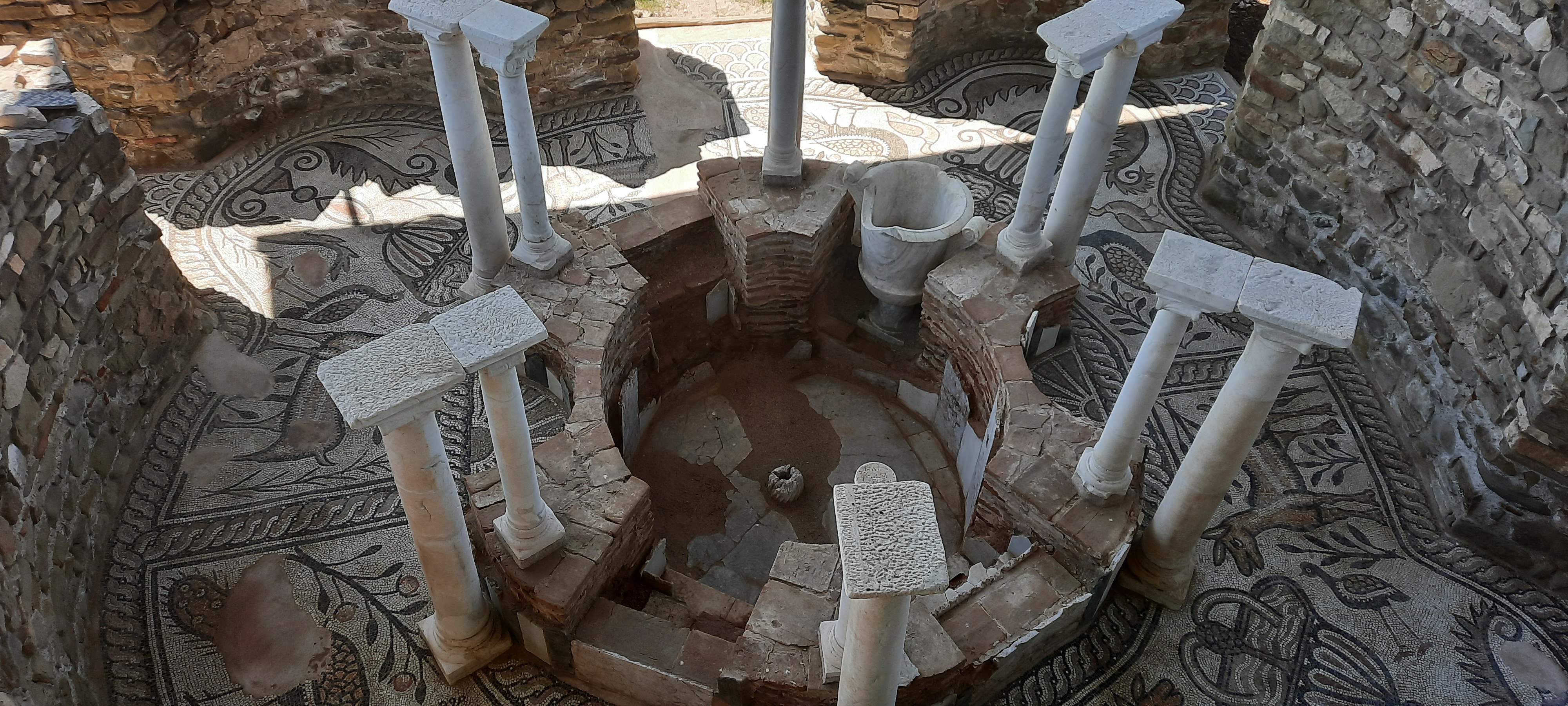
Stobi or Stoboi was an ancient town of Paeonia, later conquered by Macedon, and finally turned into the capital of the Roman province of Macedonia Salutaris It is located near Gradsko, Macedonia, on the main road that leads from the Danube to the Aegean Sea and is considered by many to be the most famous archaeological site in North Macedonia. Stobi was built where the Erigon (Crna River) joins the Axios (Vardar), making it strategically important as a center for both trade and warfare. Well preserved Roman amphitheater, unique mosaics, the Baptistery and many more makes this site most see.

Macedonia’s vineyards heartland, Tikves, has produced wine since the 4th century BC. It features rolling vineyards, lakes, caves and mountains, plus archaeological sites and churches. It’s especially beautiful at dusk, when the fading sunlight suffuses soft hills laden with millions of grapes. Tikves’ local grapes generally retain an ideal sugar concentration (17% to 26%). Tikves is the most well-known wine region in Macedonia. It is located in the very heart of the country and stretches along similar latitudes as the Bordeaux region in France, Tuscany region in Italy and the Napa Valley region in California. The wine district is situated on around 2,000 sqm of fertile land, surrounded by mountains on three sides.

Visit to local winery and wine tasting of 3 kind of wines paired with 3 course lunch will be included. 

Arrival in Bitola late afternoon. Overnight at 4* hotel in Bitola. 

2
Day 02

Land of lakes

Drive from Bitola to Ohrid via Prespa lake, Galichica NP and St Naum Monastery.

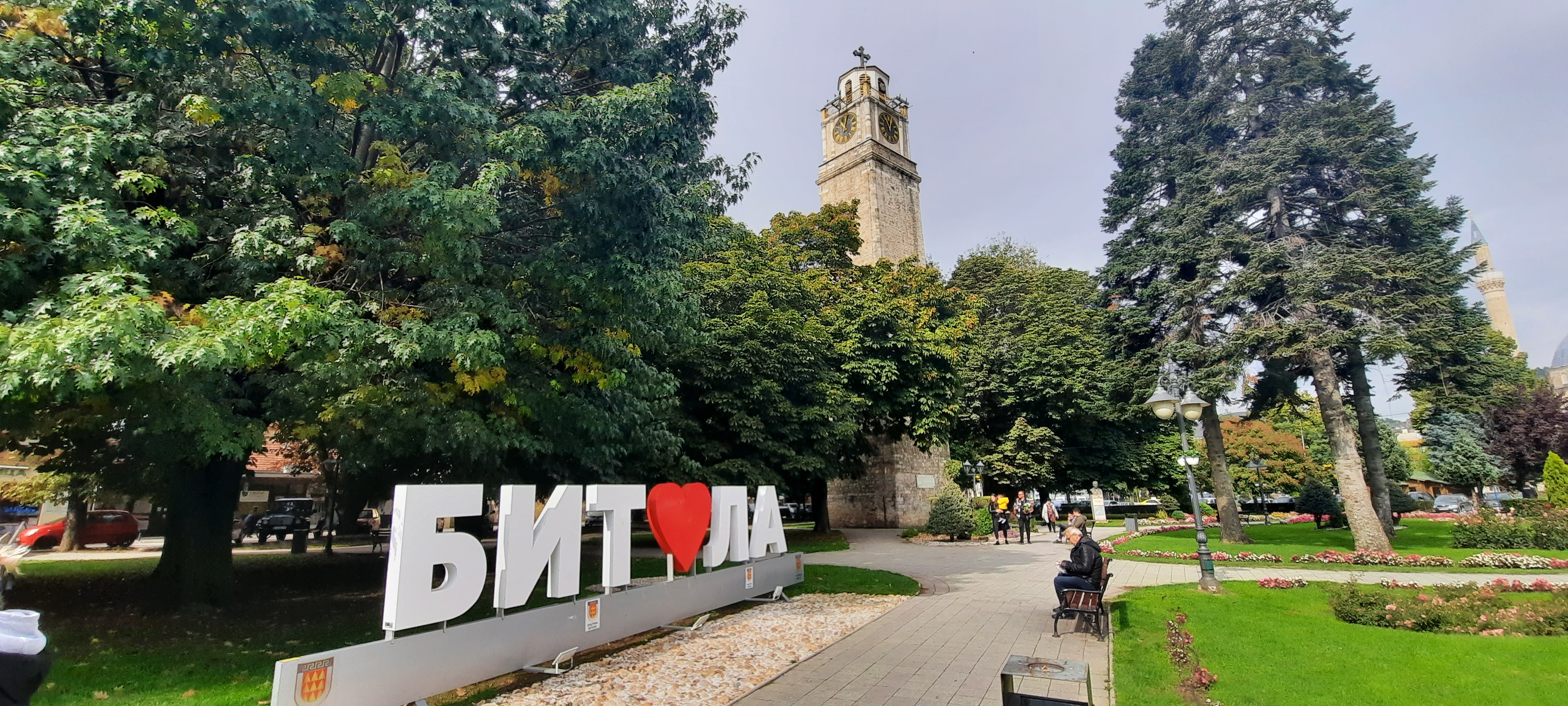
Bitola is a city in the southwestern part of Macedonia. It is located in the southern part of the Pelagonia valley, surrounded by the Baba, Nidže and Kajmakčalan mountain ranges. The city stands at an important junction connecting the south of the Adriatic Sea region with the Aegean Sea and Central Europe, and is an administrative, cultural, industrial, commercial, and educational center. It has been known since the Ottoman period as "The City of The Consuls", since many European countries had consulates in Bitola. The main pedestrian street called "Shirok sokak" its two squares, the Clock tower and Bitola old bazaar are must see locations.

Visit to the ancient site of Heraclea, located only few kilometers from the center of Bitola. It was established in 3rd century BC by Philip II, the father of Alexandar the Great. Heraclea was a strategically important town during the Hellenistic period, as it was at the edge of Macedon's border with Epirus to the west and Paeonia to the north, until the middle of the 2nd century BC, when the Romans conquered Macedon and destroyed its political power. The Romans divided Macedonia into 4 regions and Heraclea was in the province of Macedonia Prima. The main Roman road in the area, Via Egnatia went through Heraclea, and Heraclea was an important stop. The prosperity of the city was maintained mainly due to this road. Objects discovered from the time of Roman rule in Heraclea are votive monuments, a portico, thermal (baths), a theatre and town walls.

Prespa Lake consists of two ancient tectonic lakes—Great and Small Prespa—located at the border tripoint of Macedonia, Greece, and Albania at 853m altitude. Renowned for biodiversity, it features Galichica NP, sandy beaches, and rare bird species like Dalmatian pelicans. It is a serene nature destination, though facing environmental challenges

Galicica National park is spread between Prespa and Ohrid lakes and It stretches over an area of 227 square kilometers. Spectacular drive on the narrow road gives you panoramic views of both lakes. The floral life in the Galičica National Park represents over 1600 species, of which many relicts and endems have the final frontier of its range exactly on the mountain Galičica. There is characteristically presence of up to now 13 discovered local endems on Macedonian side to be found exclusively on the slopes of Galičica and nowhere else.

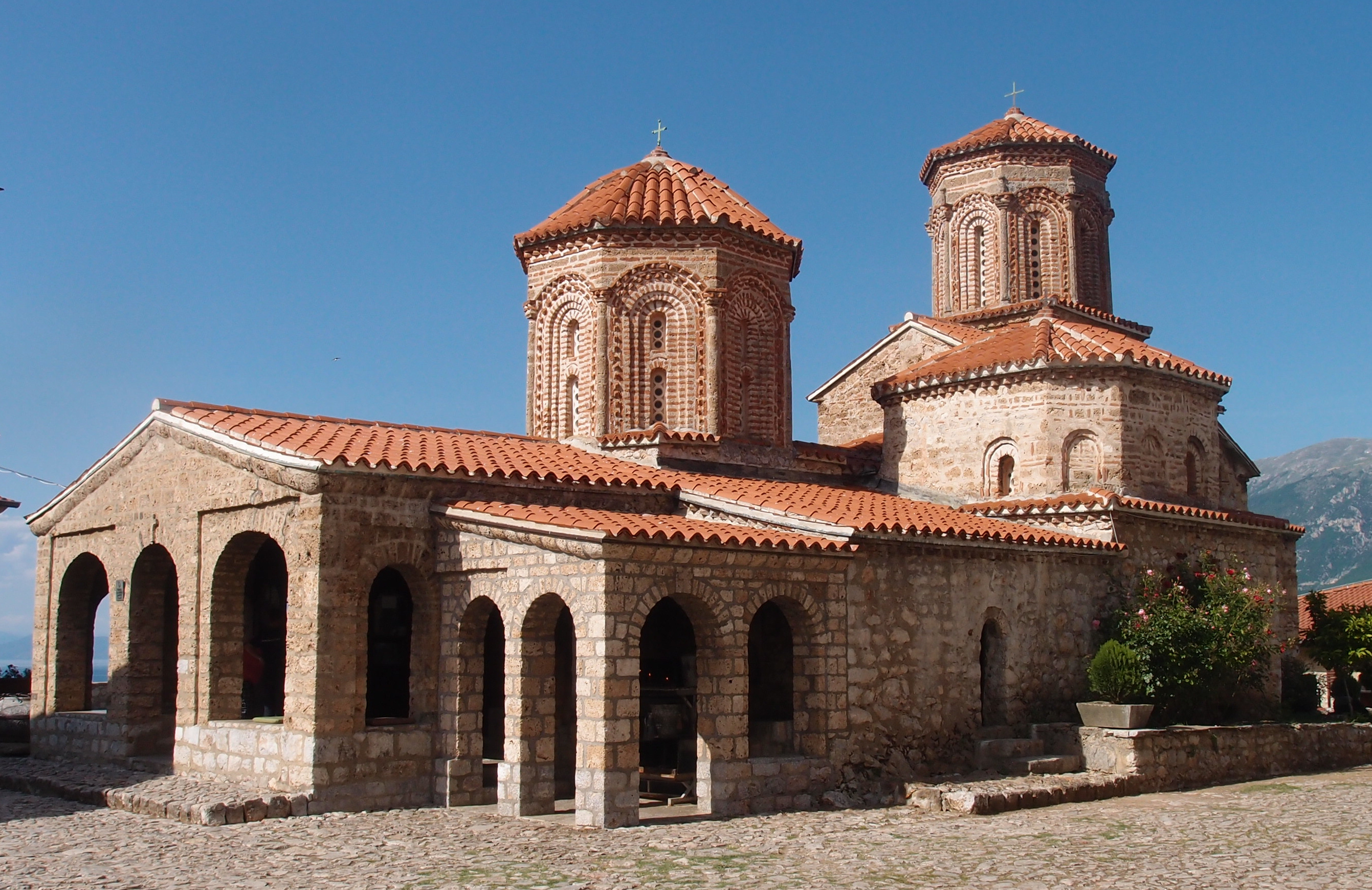
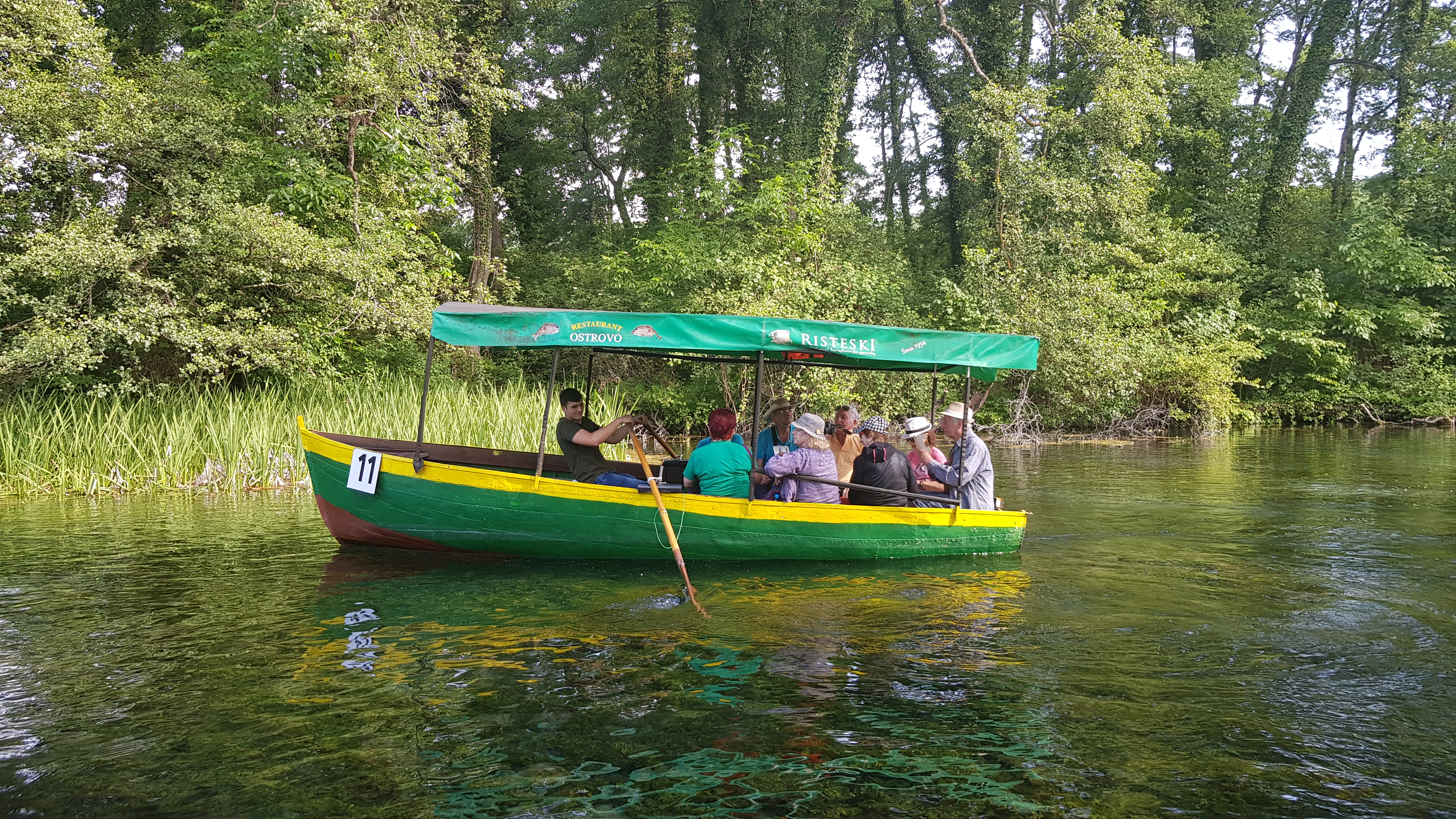
The Monastery of St. Naum is a magnificently massive complex, located 29 kilometers south of Ohrid, on a plateau close to the Albanian border. It is, without any doubt, one of the most attractive Macedonian tourist destinations. With a wonderful surrounding area, the St. Naum Monastery is a popular day trip where you can enjoy both nature and religious heritage. Monastery which is founded by St. Naum at 9th Century is visited by pilgrims and travelers alike, this eastern orthodox monastery is one of the few with locational and architectural splendor. Overlooking Ohrid lake, the walls provide breathtaking panoramic views of the entire bay area. Near the monastery, you can enjoy a boat ride above the springs of the river Black Drim which flows into Ohrid lake (with supplement, to be paid on the spot)

Later on drive along the lake and arrival in Ohrid. Overnight at 4* hotel in Ohrid.

3
Day 03

Ohrid and Ohrid lake - UNESCO sites

Morning walking tour in Ohrid old town. 

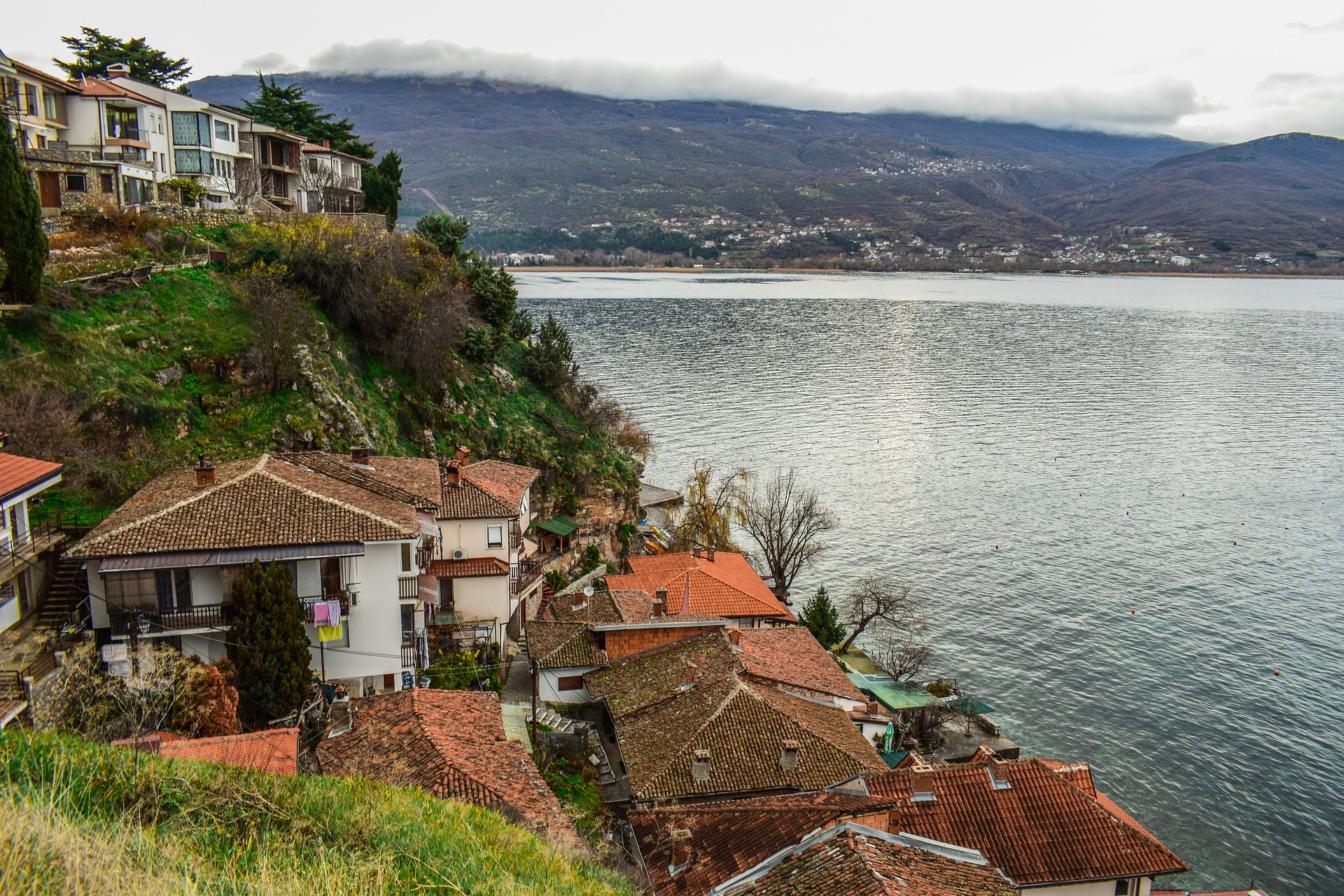
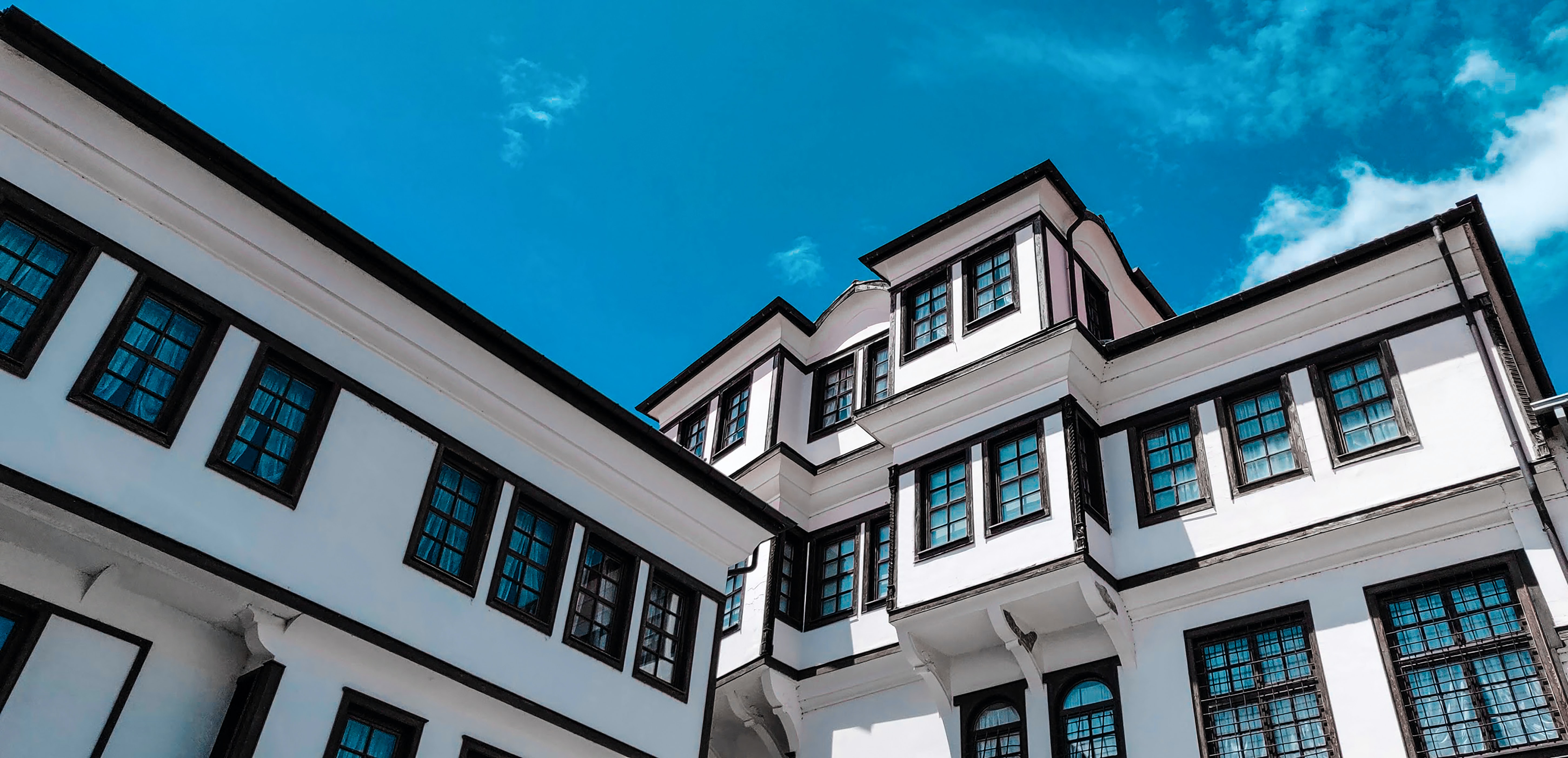
Because of its religious importance Ohrid is also known as "Jerusalem on the Balkans". Its old town and plenty of churches and other sites are just part of the walking tour. Ohrid is known for once having 365 churches, one for each day of the year. The city is rich in picturesque houses and monuments, and tourism is predominant. In 1979 and in 1980 respectively, Ohrid and Lake Ohrid were accepted as Cultural and Natural World Heritage Sites by UNESCO. Ohrid is one of only 28 sites that are part of UNESCO's World Heritage that are Cultural as well as Natural sites.

Remains of the Ancient theatre could be found in the heart of Ohrid old town. The Ancient theatre of Ohrid was built in 200 BC and is the only Hellenistic-type theatre in the country, as the other three in Scupi, Stobi and Heraklea Lynkestis are from Roman times. It is unclear how many people the original theater used to seat, as only the lower section still exists. The open theater has a perfect location: the two hills that surround it keep it protected from winds that could interfere with acoustics during performances.

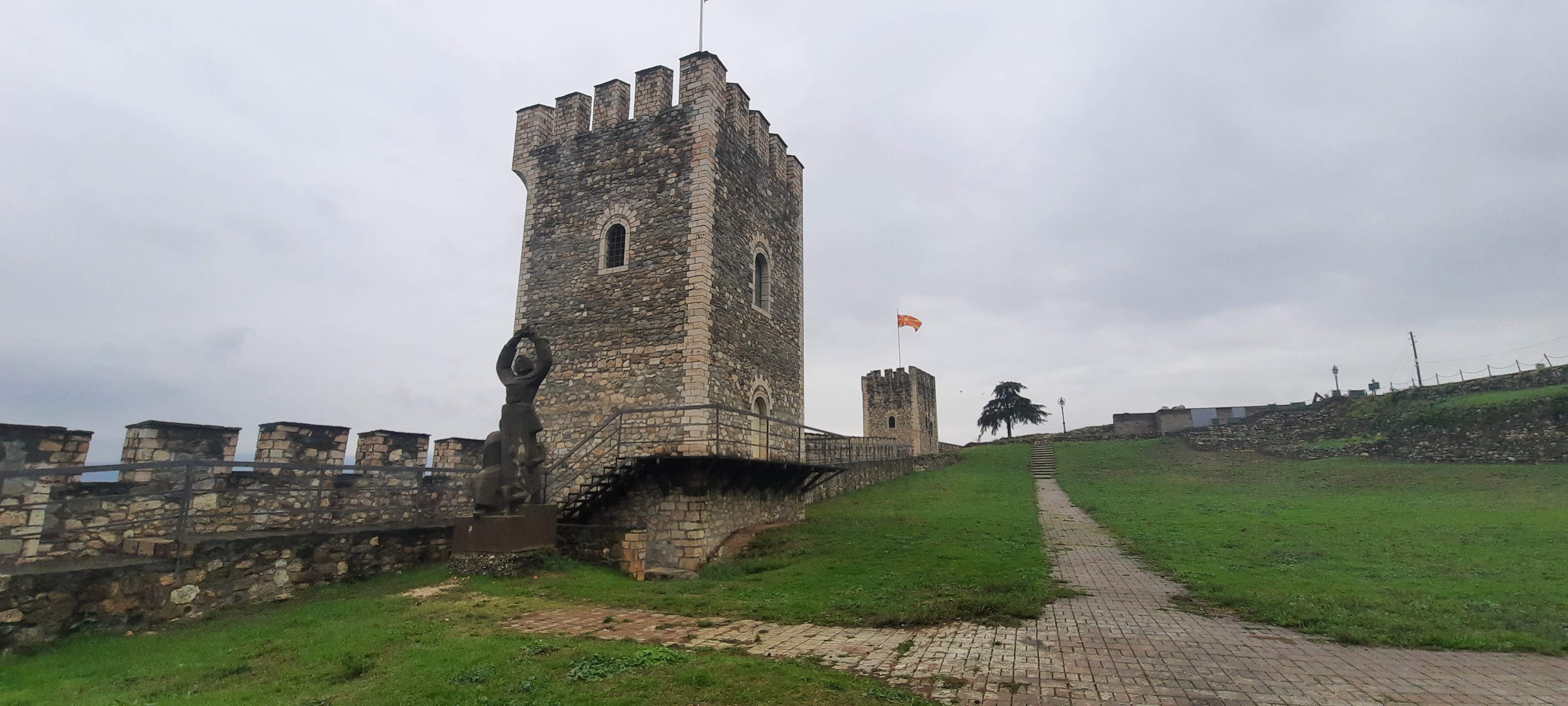
The Ohrid fortress is known as "Samuilova tvrdina" or The fortress of Tsar Samuil. it is on the highest part of the hill where Ohrid is situated. According to recent excavations by Macedonian archaeologists, it was contended that this fortress was built on the place of an earlier fortification, dated to the 4th century BC, which was probably built by King Philip II of Macedonia.

The Holly area of Plaosnik is the place where the first Slavic university was established by St Clement at 9th century. The area is home of the remain of an early Christian basilica and now days the new St. Clement's church is built on remains of the old church from 9th century.

Situated on a small cliff right above the lake, this unique church is landmark of Ohrid. Saint John the Theologian, Kaneo or simply Saint John at Kaneo is a Macedonian Orthodox church overlooking Lake Ohrid. The church is dedicated to John of Patmos, the writer of Revelation, who has been by some considered to be the same person as John the Apostle. The construction date of the church remains unknown but documents detailing the church property suggest that it was built before the year 1447. Archaeologists believe that the church was constructed some time before the rise of the Ottoman Empire very likely in the 13th century.

Time at leisure in Ohrid and afternoon drive back to Skopje (4 hours drive with 1 stop on the way).

On request, you can end your tour in Ohrid - drop off possible at any hotel or address within Ohrid.

The fine print

Trip details

What's Included

  • Pick up/Drop off at any hotel or address within Skopje;
  • Transportation according the itinerary by car, minivan or minibus;
  • 2 nights accommodation at boutique hotels in Bitola and Ohrid, including breakfast
  • Wine tasting (3 kind of wines paired with 3 traditional meals) at the winery restaurant
  • Experienced English speaking local tour guide (for parties up to 3 persons guide will be a driver as well)
  • Visits as described in the program, including entrance fees
  • 1 bottle of water per person / per day and Wi Fi on board complementary

What's Not Included

  • Supplement for accommodation in SGL room (on request, to be required and paid during the booking process)
  • Solo traveler tour supplement - if you are a solo traveler - check our 'Solo traveler option'
  • Pre and post tour accommodation is on your own
  • Any other meal (lunch or dinner)
  • Gratuities to the driver/guide (not mandatory)
  • Personal travel insurance
  • Personal spends during the tour

Know before you go

  • Child rate applies only when sharing with two paying adults

Logistics

Meeting & route

Meeting point
Skopje
Tour start
Skopje
Tour ends at the same location as the start point.
End of the journey

Your 3 days finish where they began, in Skopje.

Watch the tourHQ film Watch the film

Create your own adventure

Can't find the perfect tour? Tailor your dream trip.

  • Tell us your destination, dates and group size.
  • Our travel experts and local guides design a tailored itinerary, just for you.
  • Enjoy your trip with peace of mind, knowing everything is taken care of.
Plan my holiday

Say goodbye to travel stress.