Full day tour to Ohrid and Ohrid lake - UNESCO sites
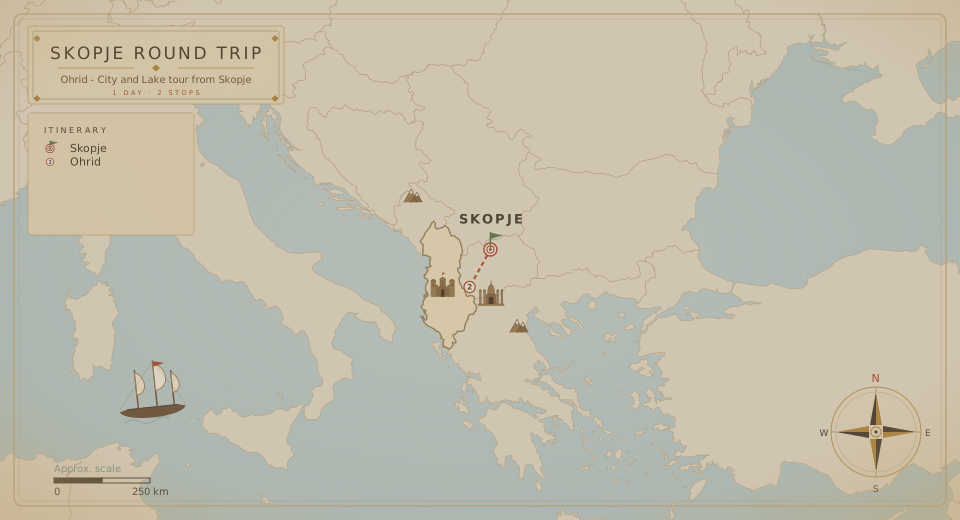
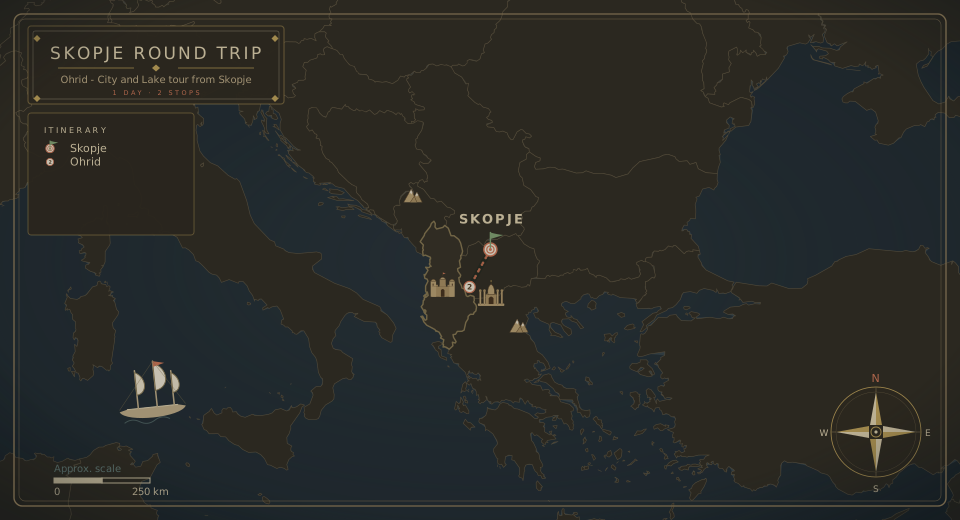
The tour starts at 08:00 with pick up from any hotel or address within Skopje.
3 hours drive with one stop to reach Ohrid lake.
Lake Ohrid is a lake which straddles the mountainous border between the southwestern part of Macedonia and eastern Albania. It is the Europe's deepest and oldest lakes, with a unique aquatic ecosystem of worldwide importance, with more than 200 endemic species. Macedonia's side of Lake Ohrid was declared a World Heritage Site by UNESCO in 1979, with the site being extended to also include the cultural and historic area of Ohrid in 1980. In 2010, NASA named one of Titan's lakes after it. In 2014, the Ohrid-Prespa Transboundary Reserve between Albania and Macedonia was added to UNESCO's World Network of Biosphere Reserves. Albania’s side of Lake Ohrid was also designated UNESCO world heritage status in 2019.
Light drive along the lake and arrival at St. Naum monastery complex.
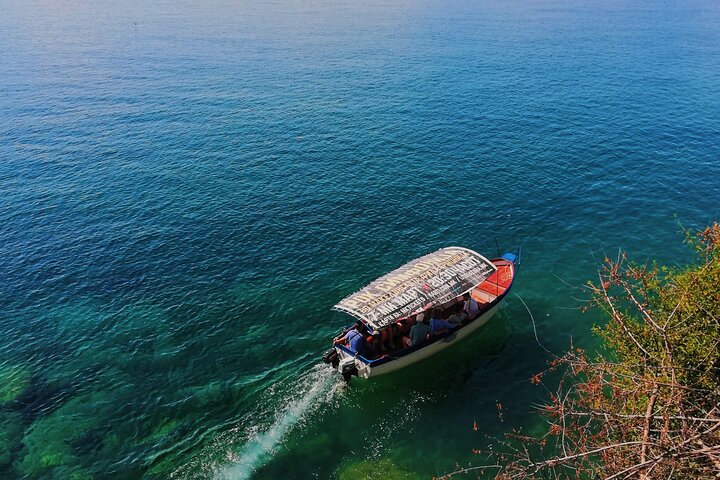
It is a magnificently massive complex, located 29 kilometers south of Ohrid, on a plateau close to the Albanian border. It is, without any doubt, one of the most attractive Macedonian tourist destinations. With a wonderful surrounding area, the St. Naum Monastery is a popular day trip where you can enjoy both nature and religious heritage. It was founded by St. Naum at 9th Century is visited by pilgrims and travelers alike, this orthodox monastery is one of the few with locational and architectural splendor. Overlooking Ohrid lake, the walls provide breathtaking panoramic views of the entire bay area. Near the monastery, you can enjoy a boat ride above the springs of the river Black Drim which flows into Ohrid lake (with supplement, to be paid on the spot).
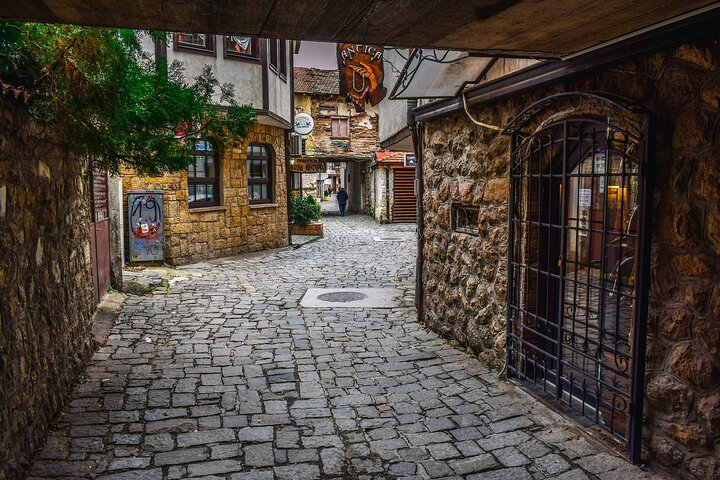
In the afternoon visit to Ohrid Old town and private walking tour with local guide.
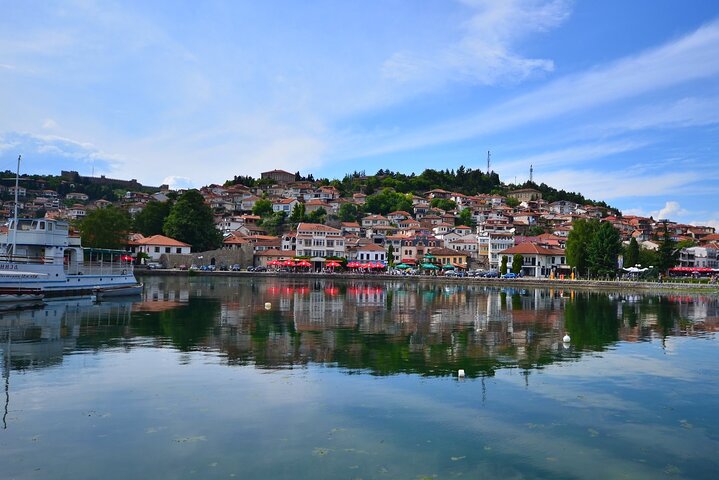
Because of its religious importance Ohrid is also known as "Jerusalem on the Balkans". Its old town and plenty of churches and other sites are just part of the walking tour. Ohrid is known for once having 365 churches, one for each day of the year. The city is rich in picturesque houses and monuments, and tourism is predominant. In 1979 and in 1980 respectively, Ohrid and Lake Ohrid were accepted as Cultural and Natural World Heritage Sites by UNESCO. Ohrid is one of only 28 sites that are part of UNESCO's World Heritage that are Cultural as well as Natural sites.
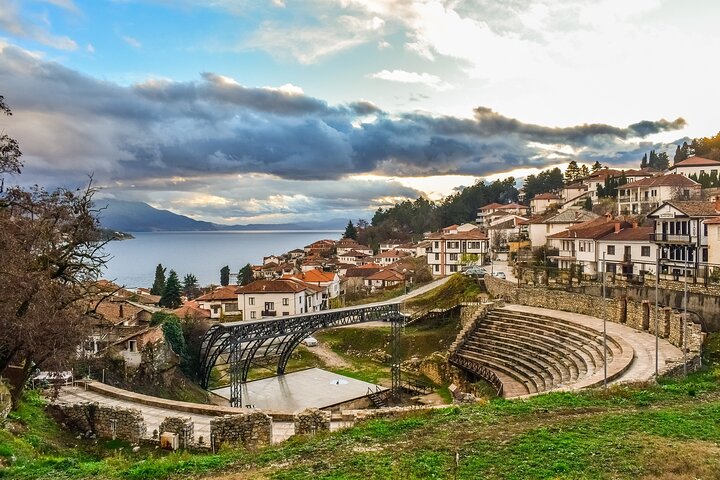
Remains of the Ancient theatre could be found in the heart of Ohrid old town. The Ancient theatre of Ohrid was built in 200 BC and is the only Hellenistic-type theatre in the country, as the other three in Scupi, Stobi and Heraklea Lynkestis are from Roman times. It is unclear how many people the original theater used to seat, as only the lower section still exists. The open theater has a perfect location: the two hills that surround it keep it protected from winds that could interfere with acoustics during performances.
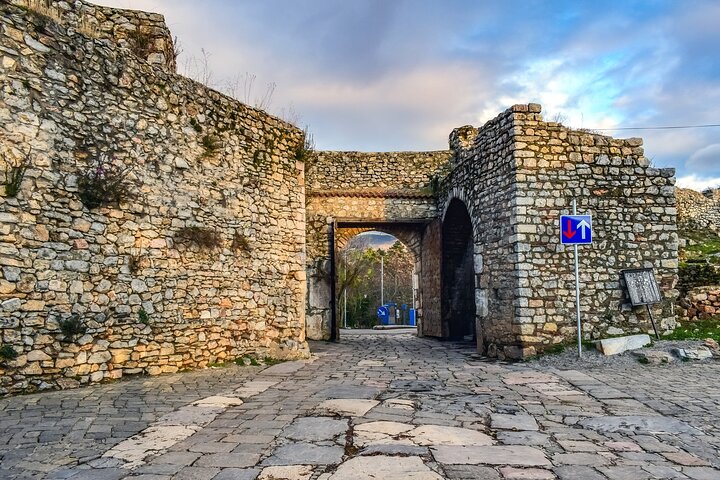
The Ohrid fortress is known as "Samuilova tvrdina" or The fortress of Tsar Samuil. it is on the highest part of the hill where Ohrid is situated. According to recent excavations by Macedonian archaeologists, it was contended that this fortress was built on the place of an earlier fortification, dated to the 4th century BC, which was probably built by King Philip II of Macedonia.
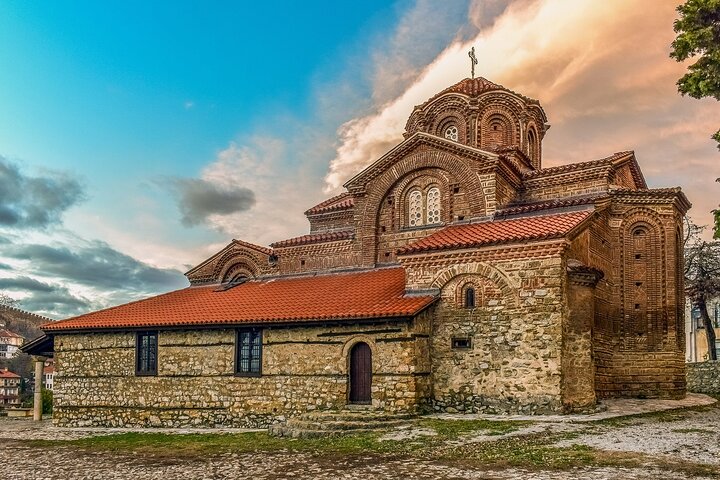
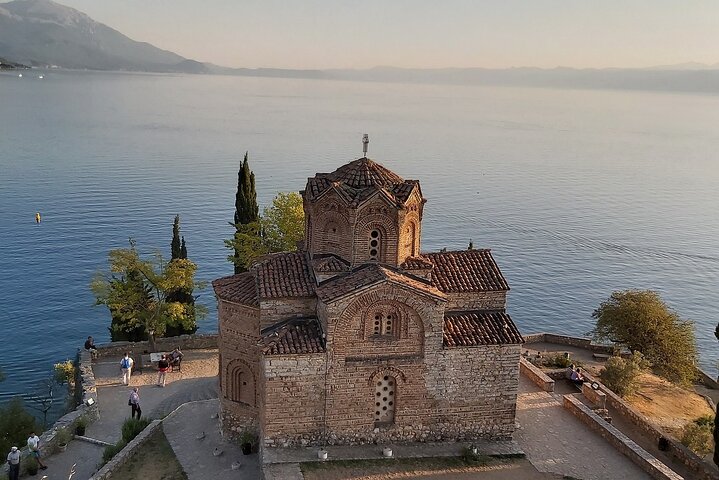
Situated on a small cliff right above the lake, on a natural platform, this unique church is landmark of Ohrid. Saint John the Theologian, Kaneo or simply Saint John at Kaneo is a Macedonian Orthodox church overlooking Lake Ohrid. The church is dedicated to John of Patmos, the writer of Revelation, who has been by some considered to be the same person as John the Apostle. The construction date of the church remains unknown but documents detailing the church property suggest that it was built before the year 1447. Archaeologists believe that the church was constructed some time before the rise of the Ottoman Empire very likely in the 13th century.
Late afternoon drive back to Skopje and arrival in Skopje early in the evening.