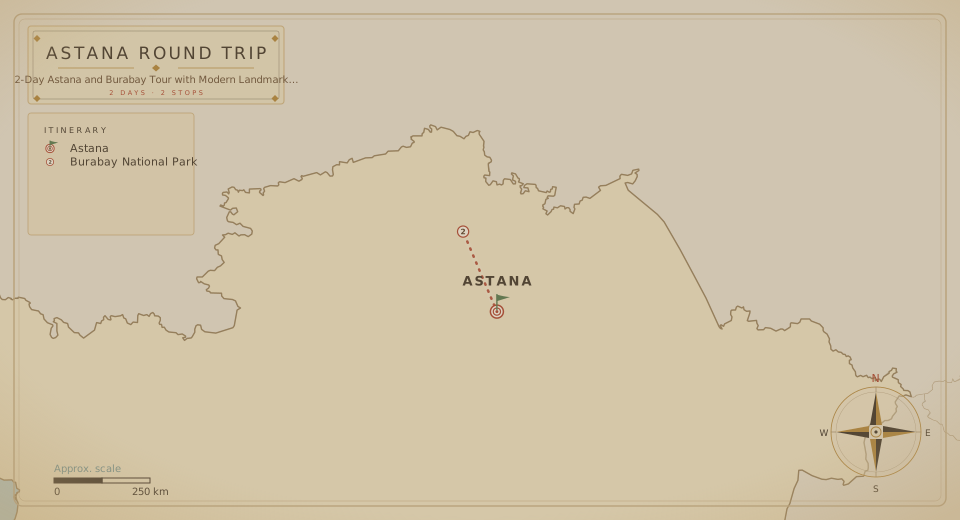
The starting point of the excursion is the monument to Kenesary Khan. Kenesary was the last Kazakh Khan and the leader of the national liberation movement that resisted the capture of Kazakh lands and segregation policies by the Russian Empire. He was the grandson of Ablai Khan and is largely regarded as the last ruler of the Kazakh Khanate.
You will also walk along the new Atyrau pedestrian bridge, which resembles a huge miracle fish whose scales shimmer in the sun.
After the walk, you will visit the former main square in front of the akimat. Previously, the administration of the regional center of Tselinograd was located in the akimat building.
You will see the square, where 186 historical photographs of the First President of Kazakhstan will open before your eyes in the open air. Some of them are unique because they have never been exhibited anywhere before.
The first President and the people of Kazakhstan, "Courage," "Creation," and "Future" are represented on four bronze bas-reliefs at the base. Very symbolically, the monument's height is 91 meters, marking the year of the country's declaration of independence. The white marble colonnade and stele, modern palaces, and the museum show all the power and freedom of modern Kazakhstan. The new central square with fantastic architectural constructions in Astana is a place that is obligatory to visit.
A monument, "The Kazakh Eli," is a stele with a mythical bird Samruk at the top, symbolizing freedom, prosperity, strength, and development.
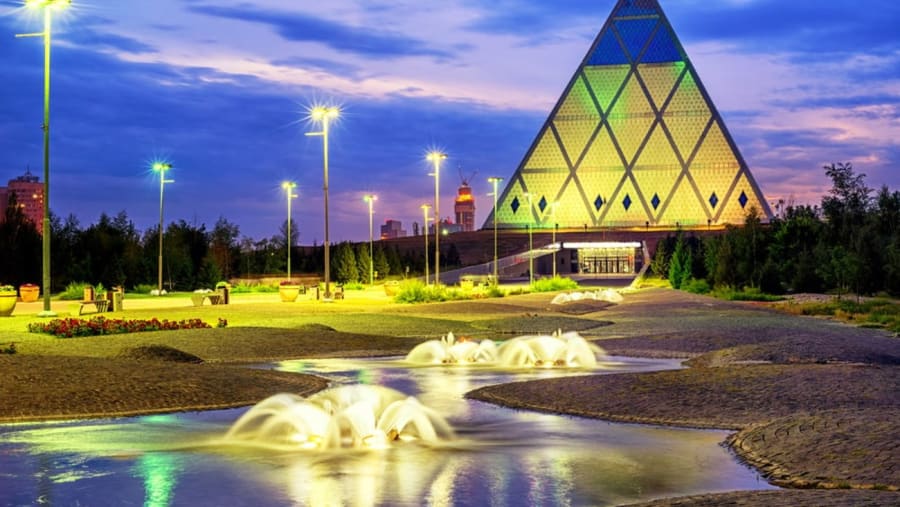
Temple of Peace and Accord - in this temple, tourists will ride an elevator that will take them to the top of the Pyramid.
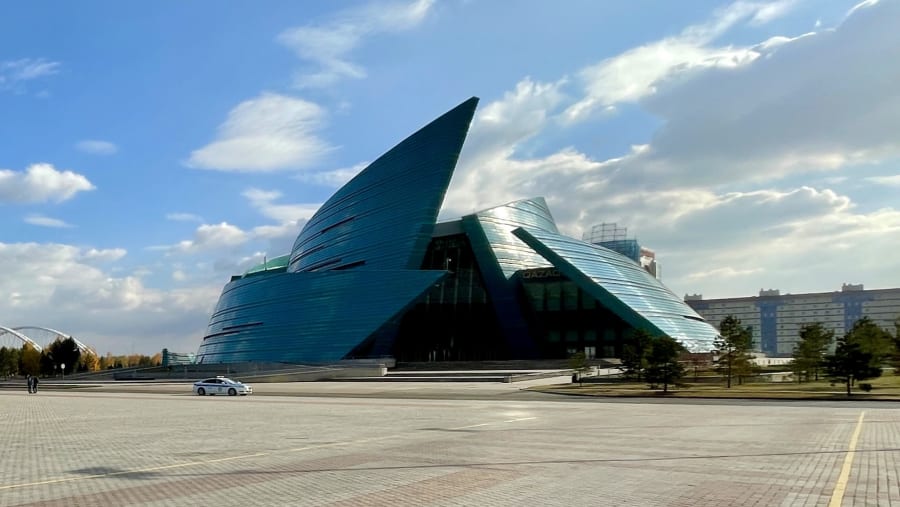
Ak-Orda Presidential Palace, Baiterek, the Library of the First President monument, the concert hall designed by Nicoletti in 2013, and the Khan-Shatyr complex, the largest transparent tent in the world, covering 140 thousand sq.m and made from modern innovative materials, are among the landmarks you will see.
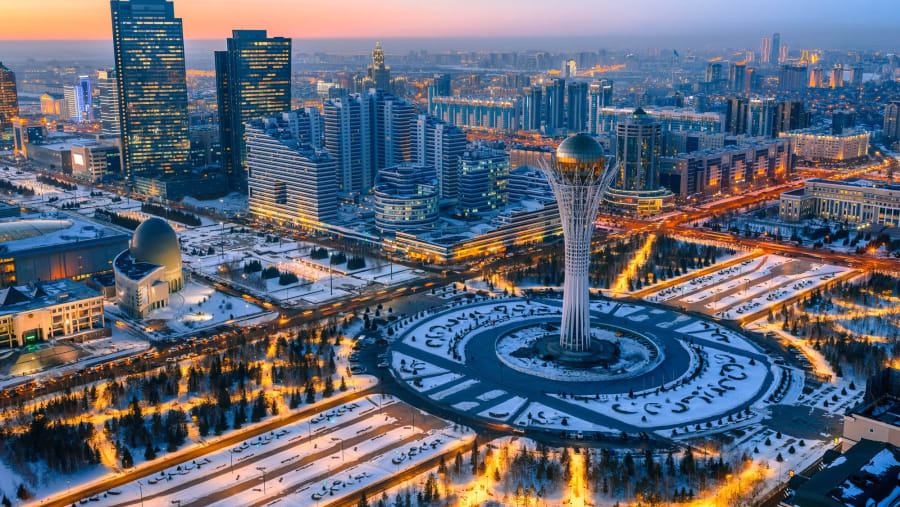
Visit the Astana-Baiterek Monument, where you can see the capital of Kazakhstan from a bird's-eye view from a special viewing platform.
Nazarbayev, who ruled Kazakhstan for three decades since the country gained independence in 1991, laid the foundation stone for the mosque the day before his resignation in March 2019.
Nur-Sultan Mosque - the walls of the mosque and the inside of the dome are decorated with colorful patterns, verses from the Koran, and prayers. The Arabic calligraphy was illustrated by Kazakh master Asylbek Baizakuly.
The wall on the side facing the qibla is inscribed with the 99 names of Allah, illuminated with golden light from within. The mosaic wall is 100 meters long and 22.4 meters high and consists of 25 million pieces of glass in different colors.
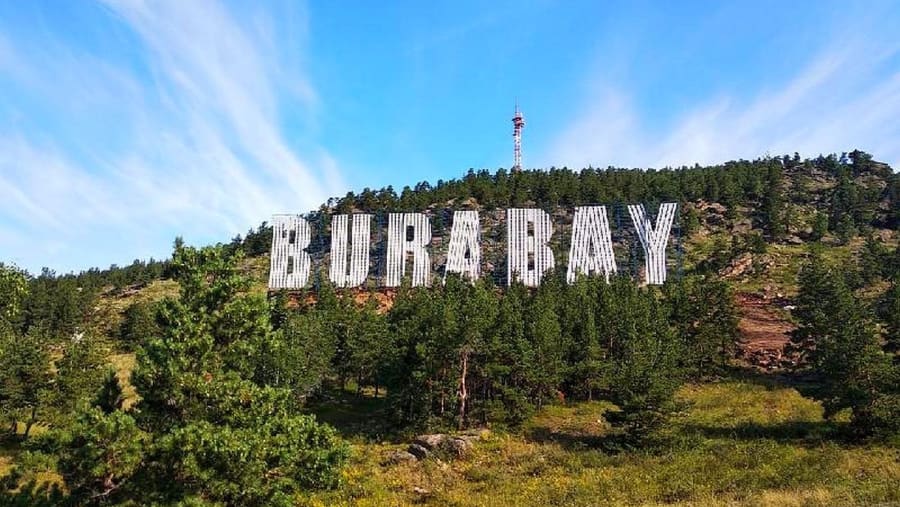
Burabay National Park (Borovoe) occupies 85,000 hectares of the northeastern part of the Kokshetau elevation. There are 14 lakes in the park, each with a surface area of more than 1 sq.km, as well as a large number of small lakes. In the middle of the steppe, nature itself has created unique natural landscapes of extraordinary beauty, with a combination of majestic mountain scenery, blue mirror lakes, and coniferous and deciduous groves.
In 1991, a stela-obelisk was installed in this valley for the great Khan of the Kazakhs, Abylai Khan, in connection with his 280th birthday. Hundreds of years ago, this territory belonged to Abylai Khan, and according to legend, his main yurta was also installed there. The area itself is very refreshing for walking, and you will have lunch there in a local restaurant surrounded by pine trees.
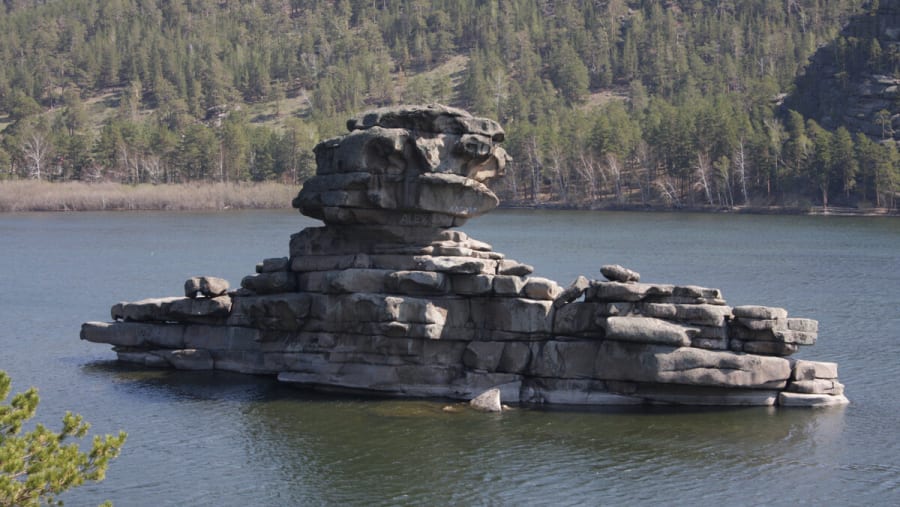
In the northern part of Auliekol Lake (Burabay), between the mountains of Kokshe and Temirtau, there is a beautiful gulf. In the middle of this gulf there is a small rocky island - a pile of weathered granite formations.
Zhumbaktas is one of the most famous attractions of the Burabay resort area.