Tanzania · Trekking

7-Day Mount Kilimanjaro Lemosho Route Climb to Uhuru Peak

7 Days Round trip from Kilimanjaro Airport Rd Moderate pace

The journey

Trip highlights
  • 01 Climb Mount Kilimanjaro via the picturesque Lemosho Route with a 7-day acclimatization-focused itinerary
  • 02 Cross the expansive Shira Plateau with panoramic views as you gain altitude
  • 03 Take on the Barranco Wall for stunning vistas along one of the route's most memorable sections
  • 04 Rest in the serene Karanga Valley before continuing to Barafu Camp for the summit push
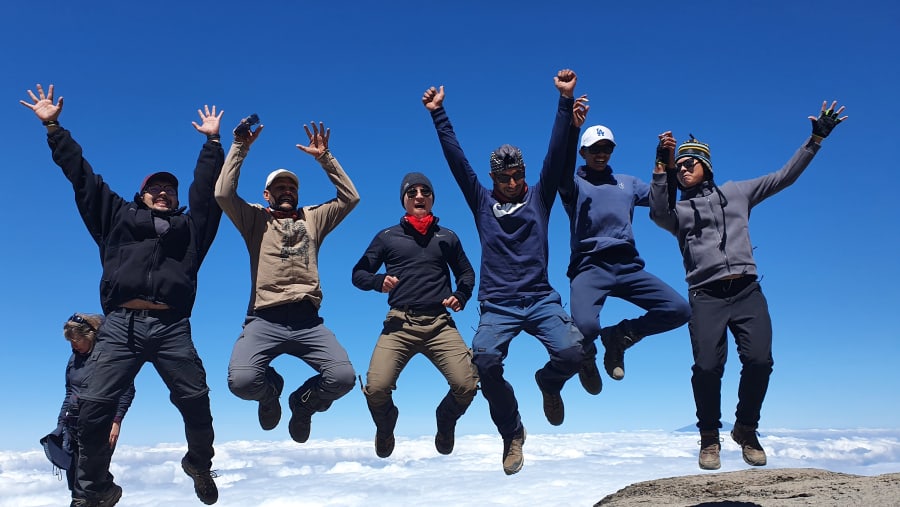
  • 05 Reach Uhuru Peak, the highest point on Mount Kilimanjaro and the continent of Africa
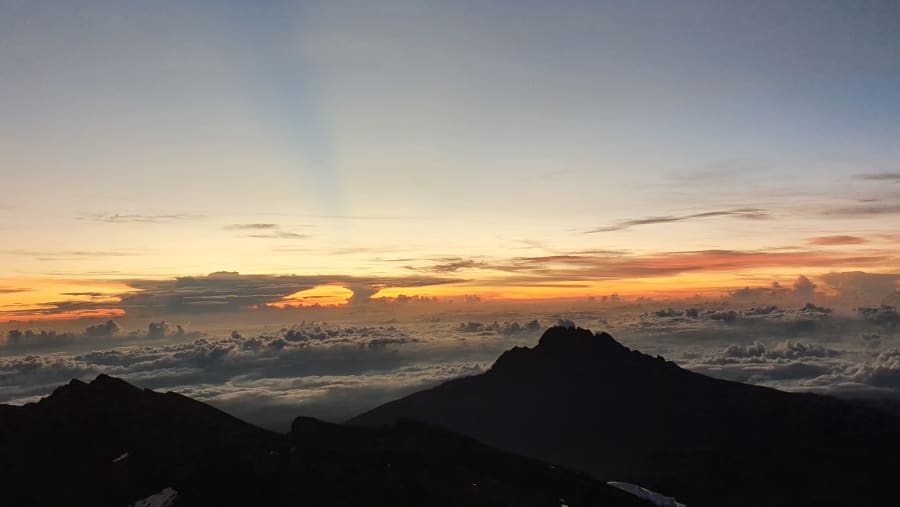
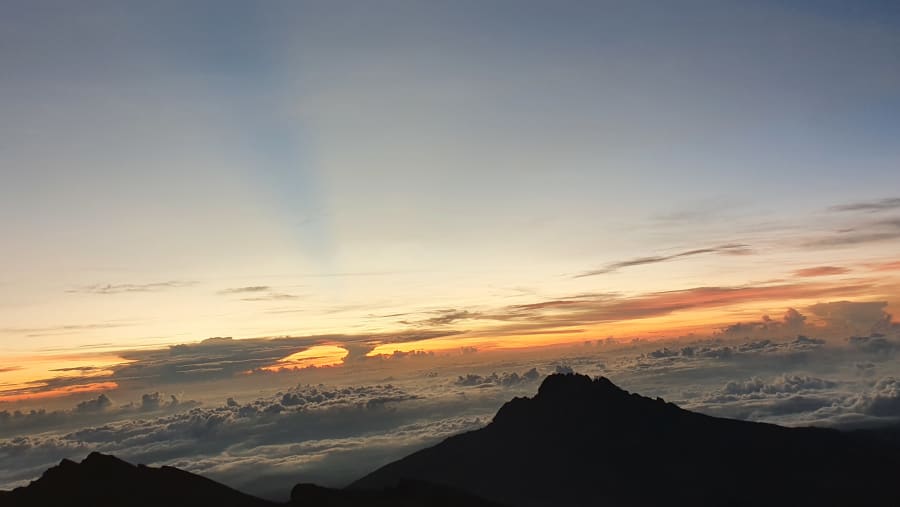
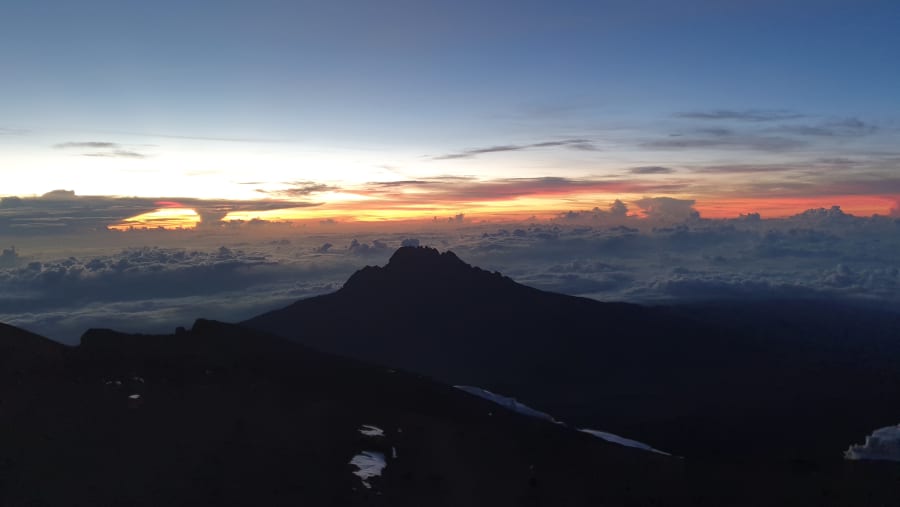
  • 06 Watch for a magnificent sunrise during the pre-dawn summit ascent

Embark on a 7-day Mount Kilimanjaro climb via the picturesque Lemosho Route, carefully planned for proper acclimatization and a safe ascent. Over seven thrilling days, traverse diverse landscapes, from lush rainforests and moorland to alpine desert and the ice-capped summit, as you make your way toward Uhuru Peak. Led by experienced guides, this expedition offers a rewarding balance of challenge, adventure, and breathtaking scenery on Africa's highest mountain.

At Stella Point, stop for a short rest and be rewarded with one of the most magnificent sunrises you are ever likely to see.

From the itinerary

At a glance

What this trip includes

Duration 7 Days
Tour type Private
Activity level Moderate
Accommodation Included · Budget
Transport Included
Wheelchair access Yes
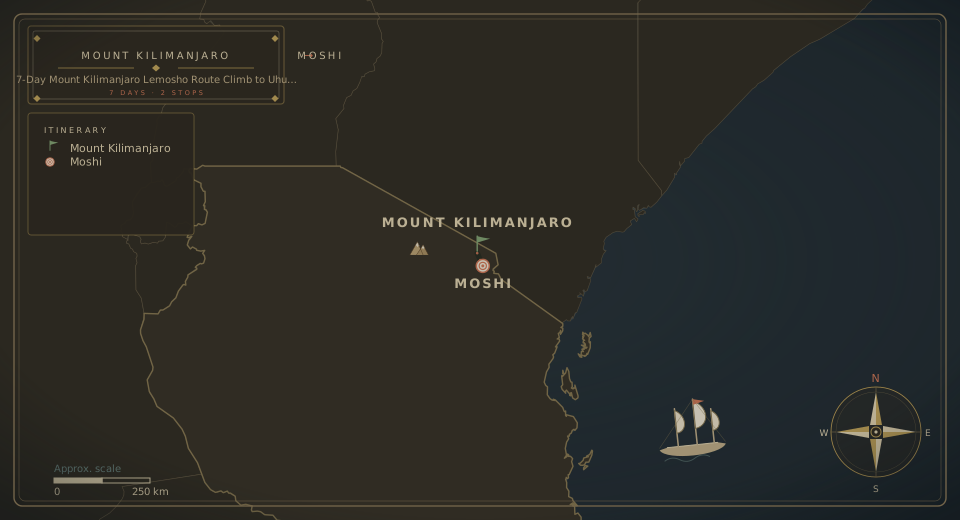
Cities Moshi, Mount Kilimanjaro
Languages English

Day by day

The itinerary

1
Day 01

From Hotel to Mti Mkubwa Camp

  • After breakfast and a briefing, drive to Lemosho Park Gate. From here, a forest track requiring a 4WD vehicle leads to Lemosho Glades.
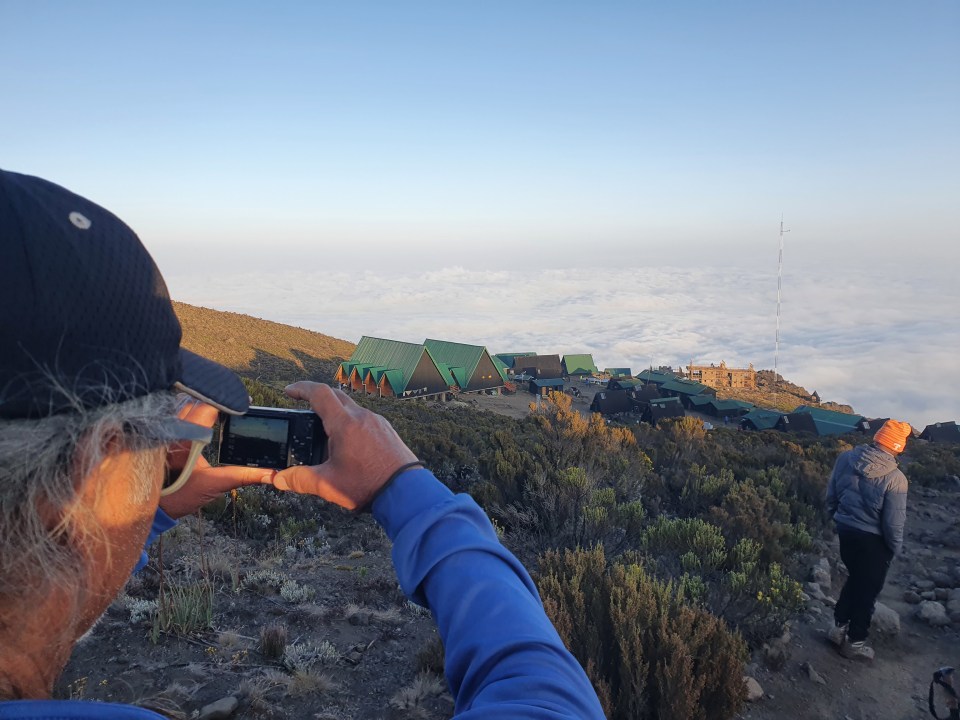
  • Walk along forest trails to Mti Mkubwa (Big Tree) campsite.

Elevation: 1830m/6000ft to 2650m/8700ft
Distance: 6km/4mi
Hiking Time: 2-3 hours
Habitat: Montane Forest
Meals: Lunch and Dinner
2
Day 02

Mti Mkubwa Camp to Shira 2 Camp

  • After breakfast, continue as the trail gradually steepens and enters the giant heather moorland zone.
  • After crossing several streams, continue over the Shira Ridge, past Shira 1 Camp, and on to Shira 2 Camp on moorland meadows by a stream.

Elevation: 2650m/8700ft to 3850m/12,600ft
Distance: 16km/10mi
Hiking Time: 7-8 hours
Habitat: Moorland
Meals: Breakfast, Lunch and Dinner

3
Day 03

Shira 2 Camp to Barranco Camp via Lava Tower

  • From the Shira Plateau, continue east and up a ridge, passing the junction toward the peak of Kibo.
  • As you continue, the direction changes to the southeast toward the Lava Tower, called the "Shark's Tooth" (elev. 4650m/15,250ft).
  • Shortly after the tower, come to the second junction, which goes to the Arrow Glacier.
  • Continue down to Barranco Camp.
  • Although you end the day at nearly the same elevation as where you began, this day is very important for acclimatization and will help your body prepare for summit day.

Elevation: 3850m/12,600ft to 4000m/13,000ft
Distance: 8km/5mi
Walking Time: 5-6 hours
Habitat: Semi-desert
Meals: Breakfast, Lunch and Dinner

4
Day 04

Barranco Camp to Karanga Camp

  • After breakfast, leave Barranco and continue on a steep ridge up the Barranco Wall to the Karanga Valley and the junction that connects with the Mweka Trail.

Elevation: 4000m/13,000ft to 4050m/13,250ft
Distance: 5km/3mi
Climbing Time: 3-4 hours
Habitat: Alpine Desert
Meals: Breakfast, Lunch and Dinner

5
Day 05

Karanga Camp to Barafu Camp

  • Continue up to Barafu Camp.
  • You have completed the South Circuit, which offers views of the summit from many angles. Here, make camp, rest, enjoy dinner, and prepare for summit day.

Elevation: 4050m/13,250ft to 4700m/15,350ft
Distance: 4km/2mi
Climbing Time: 3-4 hours
Habitat: Alpine Desert
Meals: Breakfast, Lunch and Dinner

6
Day 06

Barafu Camp to Uhuru Peak and Down to Mweka Camp

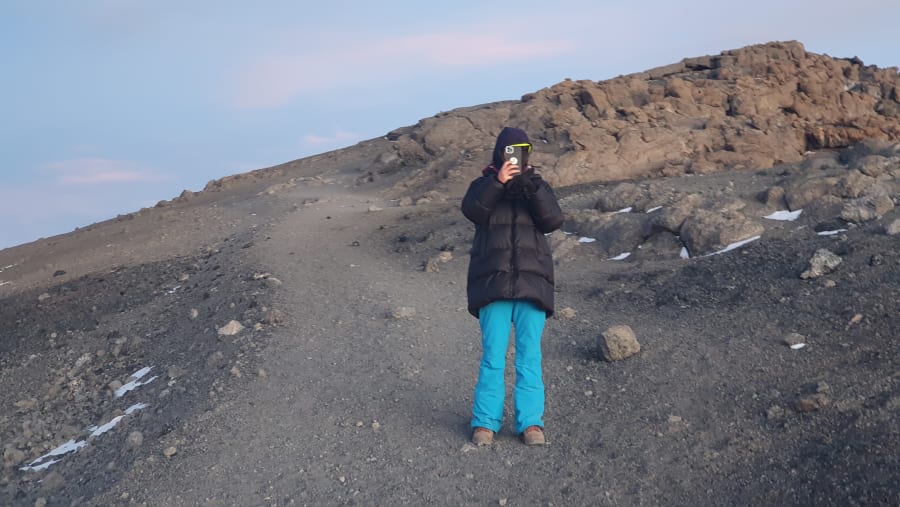
  • Very early in the morning (midnight to 2 am), continue to the summit between the Rebmann and Ratzel glaciers. Head northwesterly and ascend through heavy scree toward Stella Point on the crater rim. This is the most mentally and physically challenging portion of the trek. At Stella Point, stop for a short rest and be rewarded with one of the most magnificent sunrises you are ever likely to see. Faster hikers may view the sunrise from the summit.
  • On the one-hour ascent to the summit, you may encounter snow from Stella Point. Once at Uhuru Peak, you have reached the highest point on Mount Kilimanjaro and the continent of Africa.
  • From the summit, begin the descent by continuing straight down to Mweka Camp, stopping at Barafu for lunch. For the loose gravel on the way down, you may want gaiters and trekking poles. Arrive at Mweka Camp and enjoy your last evening on the mountain.

Elevation: 4700m/15,350ft to 5895m/19,340ft
Down to 3090m/10,150ft
Distance: 5km/3mi up / 13km/8mi down
Hiking Time: 5-7 hours up / 5-6 hours down
Habitat: Stone scree and ice-capped summit
Meals: Breakfast, Lunch and Dinner

7
Day 07

Mweka Camp to Mweka Gate and Return to Hotel

  • After breakfast, continue the descent to Mweka Park Gate to receive your summit certificates. At lower elevations, it can be wet and muddy. Gaiters and trekking poles will help. Shorts and T-shirts will probably be plenty to wear, but keep rain gear and warmer clothing handy.
  • Our vehicle will wait for you at Mweka Gate to drive you back to your hotel in Moshi (approximately 60 minutes).

Elevation: 3090m/10,150ft to 1680m/5500ft
Distance: 10km/6mi
Hiking Time: 3-4 hours
Habitat: Forest
Meals: Breakfast

Lemosho Glades, Shira Plateau, Lava Tower, Uhuru Peak

Where this trip takes you

Lemosho Glades, Shira Plateau, Lava Tower, Uhuru Peak

The route

Where you'll travel

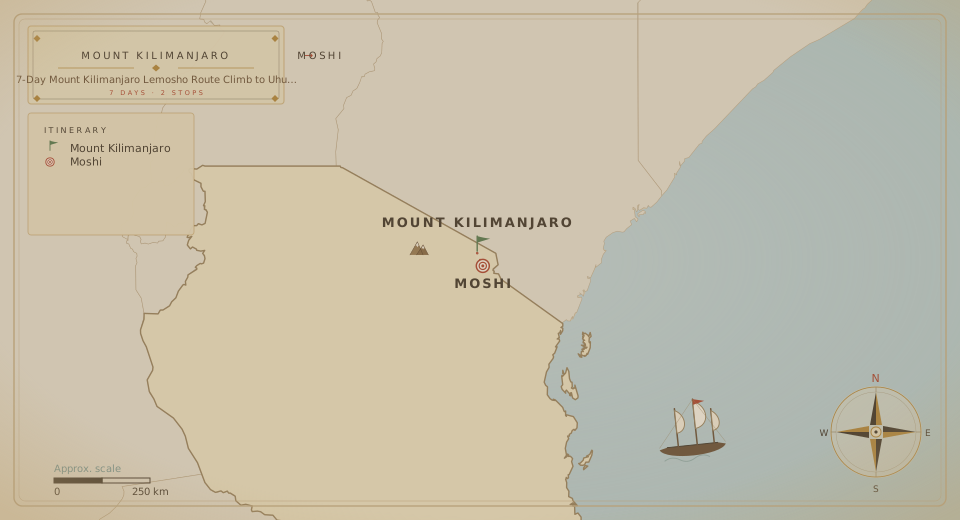
Tour route map
Round trip from Kilimanjaro Airport Rd 2 cities · 7 Days

The fine print

Trip details

What's Included

  • Professional guides: experienced guides who lead the climb, provide guidance, and ensure safety.

  • Park fees: entry fees to Kilimanjaro National Park, including conservation and camping fees.

  • Accommodation: tents or mountain huts along the chosen route, including camping equipment like sleeping tents, dining tents, and toilet tents.

  • Meals: three nutritious meals per day prepared by the support staff, including breakfast, lunch, and dinner. Special dietary requirements are often accommodated with advance notice.

  • Porters and support staff: porters to carry equipment, food, and personal belongings during the trek, as well as cooks and other support staff.

  • Safety equipment: guides carry emergency oxygen, first aid kits, and communication devices.

  • Transportation: transfers between Moshi or Arusha (gateway towns) and the Kilimanjaro trailheads.

  • Pre-climb briefing: before the climb, the information session covers safety procedures, itinerary details, and an equipment check.

  • Summit certificate: a certificate of achievement upon successfully reaching the summit.

What's Not Included

  • International flights: airfare to and from Tanzania is typically not included.

  • Visa fees: entry visa fees for Tanzania are the responsibility of the traveller.

  • Travel insurance: personal travel insurance covering medical emergencies, trip cancellation, and evacuation is usually not included but is highly recommended.

  • Personal equipment: climbing gear such as boots, clothing, and sleeping bags is generally not provided and must be brought or rented separately.

  • Tips: gratuities for guides, porters, cooks, and other support staff are customary but not included in the package price.

  • Additional accommodations: accommodations before and after the climb in Moshi or Arusha are typically not included.

  • Additional meals: meals outside the climb, such as lunches and dinners in Moshi or Arusha, are not included.

  • Alcoholic beverages and snacks: any additional purchases, such as alcoholic drinks or snacks along the route, are not included.

  • Personal expenses: any personal expenses, souvenirs, or optional activities are not included in the package price.

What to bring

  • Quality Hiking Boots: Ensure they are broken in and suitable for long hikes.
  • Comfortable Backpack: Large enough to carry your essentials, but not too heavy.
  • Sleeping Bag: Rated for low temperatures (0°F to -10°F).
  • Clothing Layers: Moisture-wicking base layers, insulating mid-layers, and waterproof outer layers.
  • Headlamp or Flashlight: Essential for early morning starts and night treks.
  • Sunglasses and Sunscreen: UV protection is crucial due to the high altitude and sun exposure.
  • Trekking Poles: Provide stability and reduce strain on knees during descents.
  • Water Bottles or Hydration System: Stay hydrated throughout the climb.
  • First Aid Kit: Including medications for altitude sickness, blisters, and other common ailments.
  • Snacks: High-energy snacks like nuts, energy bars, and dried fruits for quick energy boosts.

Clothing:

  • Base Layers: Moisture-wicking fabrics like merino wool or synthetic materials.
  • Insulating Layers: Fleece or down jackets for warmth.
  • Outer Layers: Waterproof, breathable jacket and pants to protect against rain and wind.
  • Hiking Pants: Comfortable and durable for long treks.
  • Warm Hat and Gloves: Essential for cold temperatures at higher altitudes.

Personal Items:

  • Passport and Visa: Ensure they are valid for your stay in Tanzania.
  • Travel Insurance: Including coverage for medical emergencies and evacuation.
  • Cash: Small bills for tips and incidentals. USD is widely accepted.
  • Toiletries: Including biodegradable soap and wet wipes for hygiene.

Know before you go

Important Considerations:

  • Physical Fitness: Train beforehand to improve endurance and stamina.
  • Altitude Acclimatization: Understand the symptoms of altitude sickness and acclimatize properly.
  • Guided Tours: Most climbers opt for guided tours, which provide experienced guides, porters, and logistical support.
  • Weather Conditions: Kilimanjaro's weather can be unpredictable; be prepared for rain, wind, and cold temperatures.
  • Leave No Trace: Respect the environment by following Leave No Trace principles and packing out all waste.
  • Route Selection: Choose a route suitable for your fitness level and preferences.
  • Season: The best times to climb Kilimanjaro are during the dry seasons, from January to March and June to October.
  • Health Considerations: Consult with a healthcare professional before the climb, especially if you have pre-existing medical conditions.
  • Permits and Regulations: Obtain necessary permits and comply with park regulations during your climb.
  • Tipping: Tipping your guides, porters, and other staff is customary and greatly appreciated.

Logistics

Meeting & route

Meeting point
Kilimanjaro Airport Road, Tanzania
Tour start
Kilimanjaro Airport Rd, Tanzania
Tour ends at the same location as the start point.
End of the journey

Your 7 days finish where they began, in Kilimanjaro Airport Rd.

Watch the tourHQ film Watch the film

Create your own adventure

Can't find the perfect tour? Tailor your dream trip.

  • Tell us your destination, dates and group size.
  • Our travel experts and local guides design a tailored itinerary, just for you.
  • Enjoy your trip with peace of mind, knowing everything is taken care of.
Plan my holiday

Say goodbye to travel stress.

Price on Request

Book This Tour
Price On Request

When

Travellers