Sumida Park
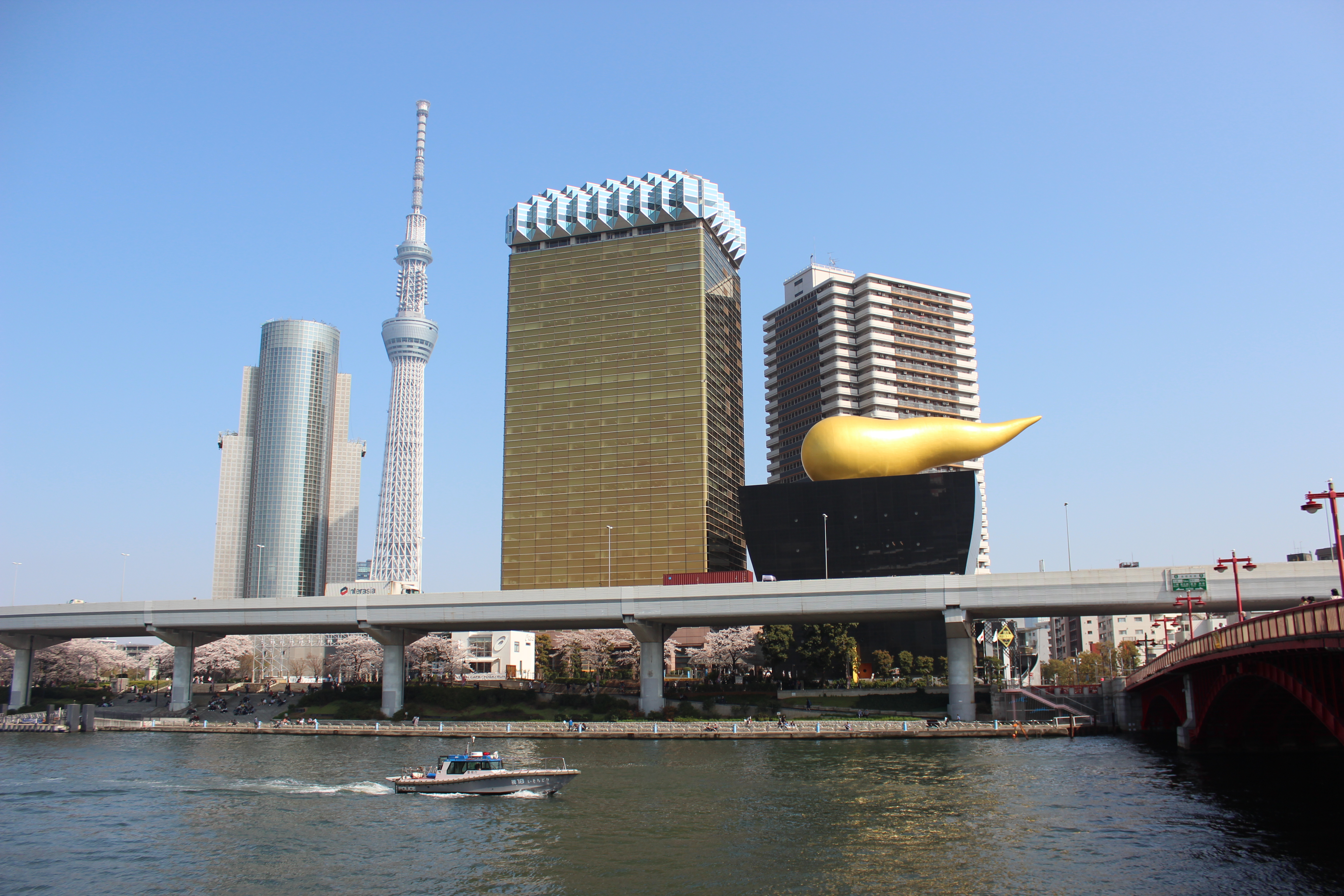
The guide will talk about two fisherman brothers who went out for fishing on this river one day 1400 years ago. They cast a net onto the river from their boat. They got a two-inch tall statue. Since that was not what they were fishing for, they threw it away and cast a net in a different direction. Surprisingly, they caught the same statue again. They cast the net again in different directions and the statue came back every time. They felt a bit awkward and brought the statue back to their village to show it to the headmaster there. He has determined that the statue was a Kannon Bodhisattva, a goddess of mercy and made a shabby shrine to enshrine it. That is the origin of the Senso-ji temple. The marvelous thing about this story is that Buddhism spread at a phenomenal speed in Japan after it was introduced from the Continent. Since then, Asakusa developed around Senso-ji temple. Asakusa abounds with this kind of folklore and stories intriguing to children. The guide will entertain your children with so many fascinating stories about Asakusa that they will develop a historical perspective after enjoying the stories.
Asakusa Culture Tourist Information Center
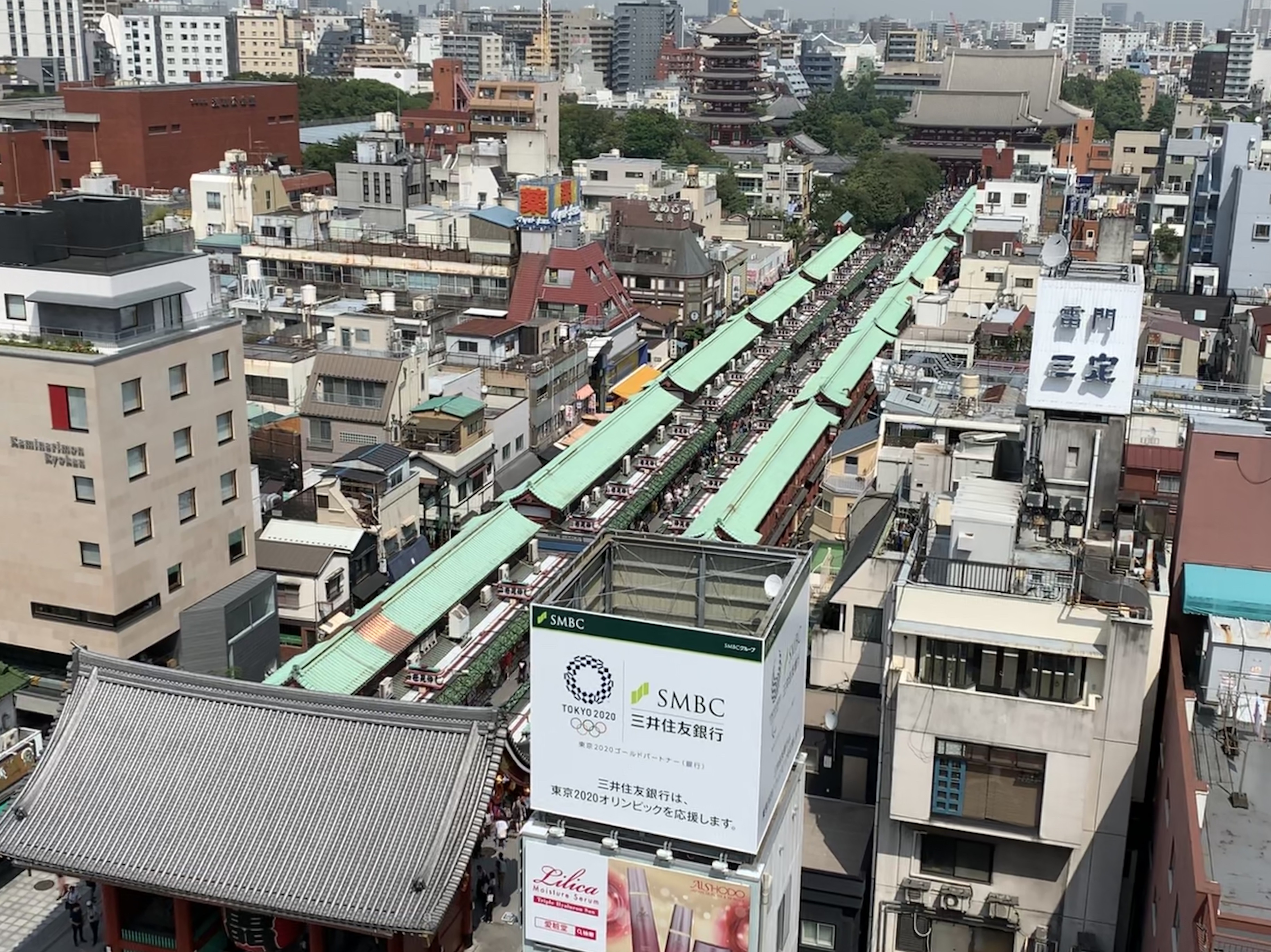
From Sumida river, we will stroll to Asakusa Culture Tourist Information Center. This is not just a valuable source of sightseeing information, but one of Asakusa’s newest sightseeing attractions. This 8-story building, designed by a world famous Japanese architect, has a very striking structure with the appearance of a stack of separate wooden buildings that seem piled up on top of each other at different angles. From the open terrace Observation Deck on the 8th floor of the Center, we will have a preview of the entire tour course: not just Tokyo Sky Tree and Asahi Flame we have just seen but the landmarks we are going to see including Kaminarimon gate, Nakamise shopping street, Hozomon gate, Sensoji Temple, and more.
Kaminarimon gate ("Thunder Gate")
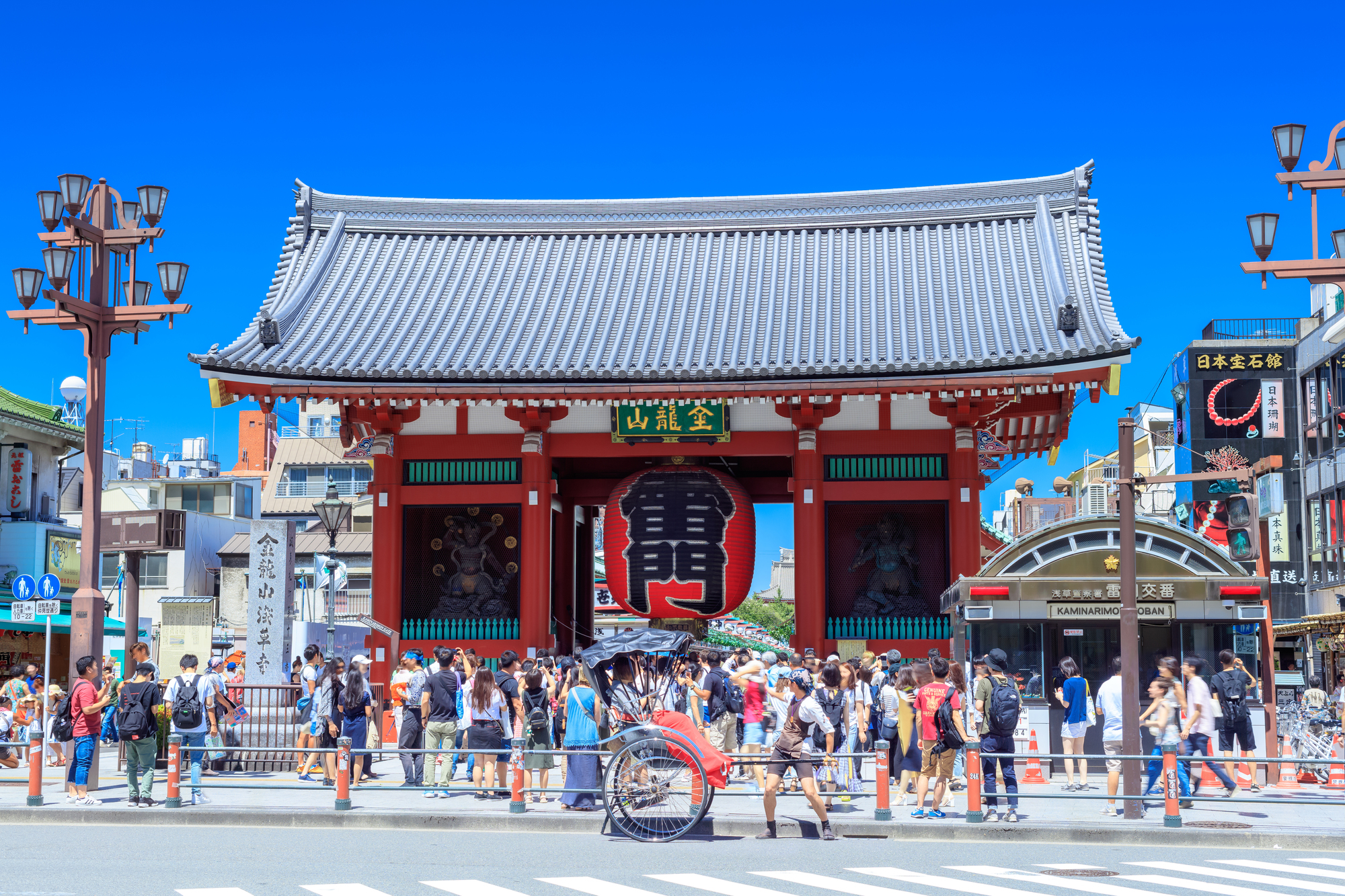
Kaminarimon gate ("Thunder Gate") is the outer of two large entrance gates that ultimately leads to the Sensō-ji temple. The gate, with its huge red lantern and statues, is popular among tourists. The guide will demystify this giant lantern and its surrounding objects.
Nakamise Shopping Street (Kaminarimon), Asakusa, Taito Tokyo Prefecture
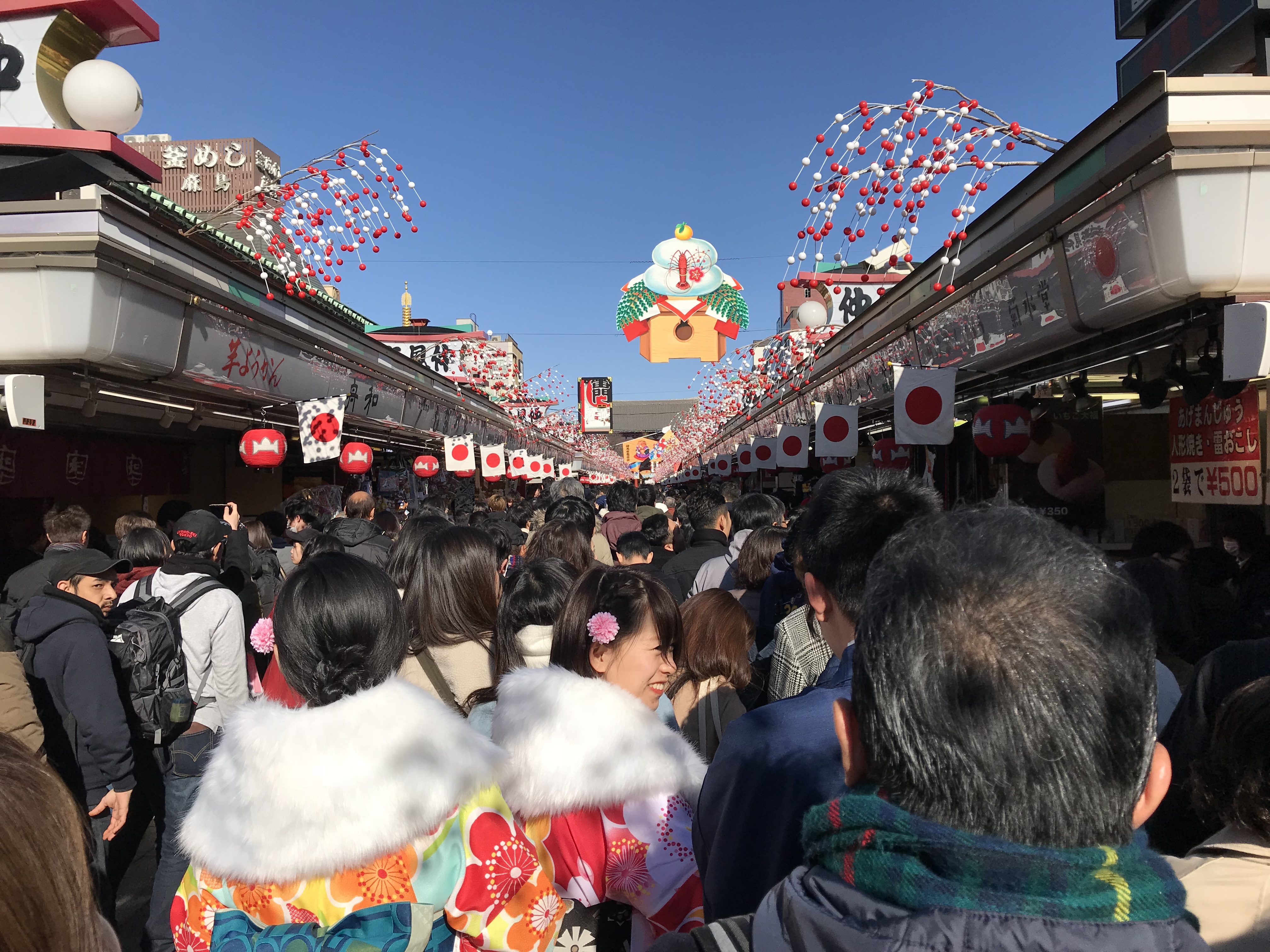
This shopping street connects Kaminarimon gate and Sensoji-temple's main gate. The 250 m approach is lined with a number of souvenir shops and food stalls. The guide will show you where to buy souvenirs you are interested in. The other fun part of strolling along it is that the guide will buy you traditional snacks in Asakusa; note that the guide may buy snacks in other places in the tour based on your preferences.
Toward the end of this long street, we will see a history tablets on its side which depict how Asakusa started and developed around Sensoji-temple.
Hozomon, 2-3-2 Asakusa Sensoji Temple, Taito 111-0032 Tokyo Prefecture
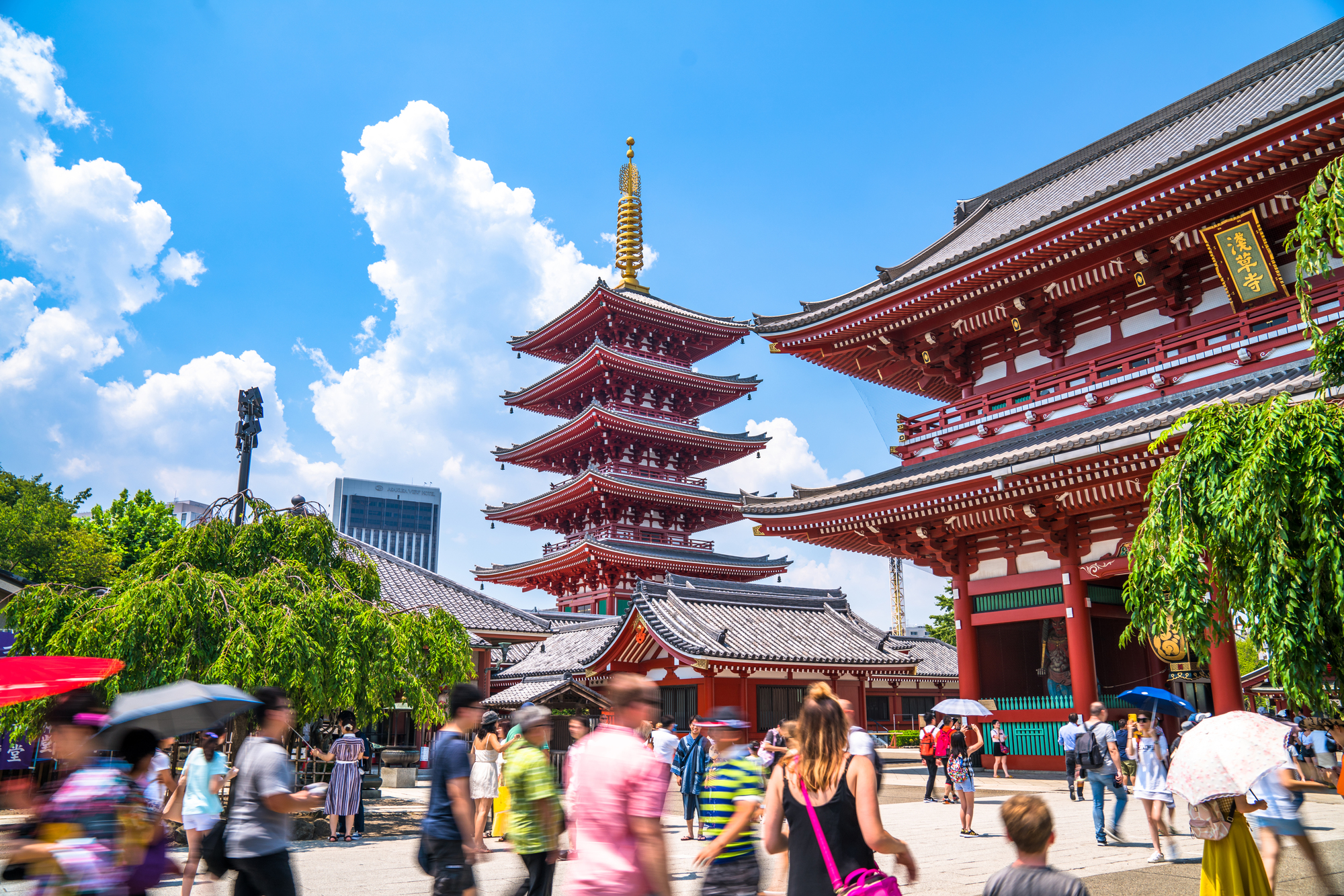
The Hōzōmon (Treasure-House Gate) is the inner of two large entrance gates that ultimately leads to the Sensō-ji temple (the outer being the Kaminarimon), Tokyo. A two-story gate, the Hōzōmon's second story houses many of the Sensō-ji's treasures. We will see two statues, three lanterns and two large sandals housed in the first story.
5-story pagoda, paper fortune, incense burner, water purification fountain, and the main hall
After passing the Hozomon gate, we will see Five-storied Pagoda the second highest (53m-high) pagoda in Japan built in 942. It holds Buddha's ashes on its top floor given by Sri Lankan goverment and buddhist society for goodwill between Sri Lanka and Japan.
We will have three major things to observe or do before entering the temple's main hall.
First:
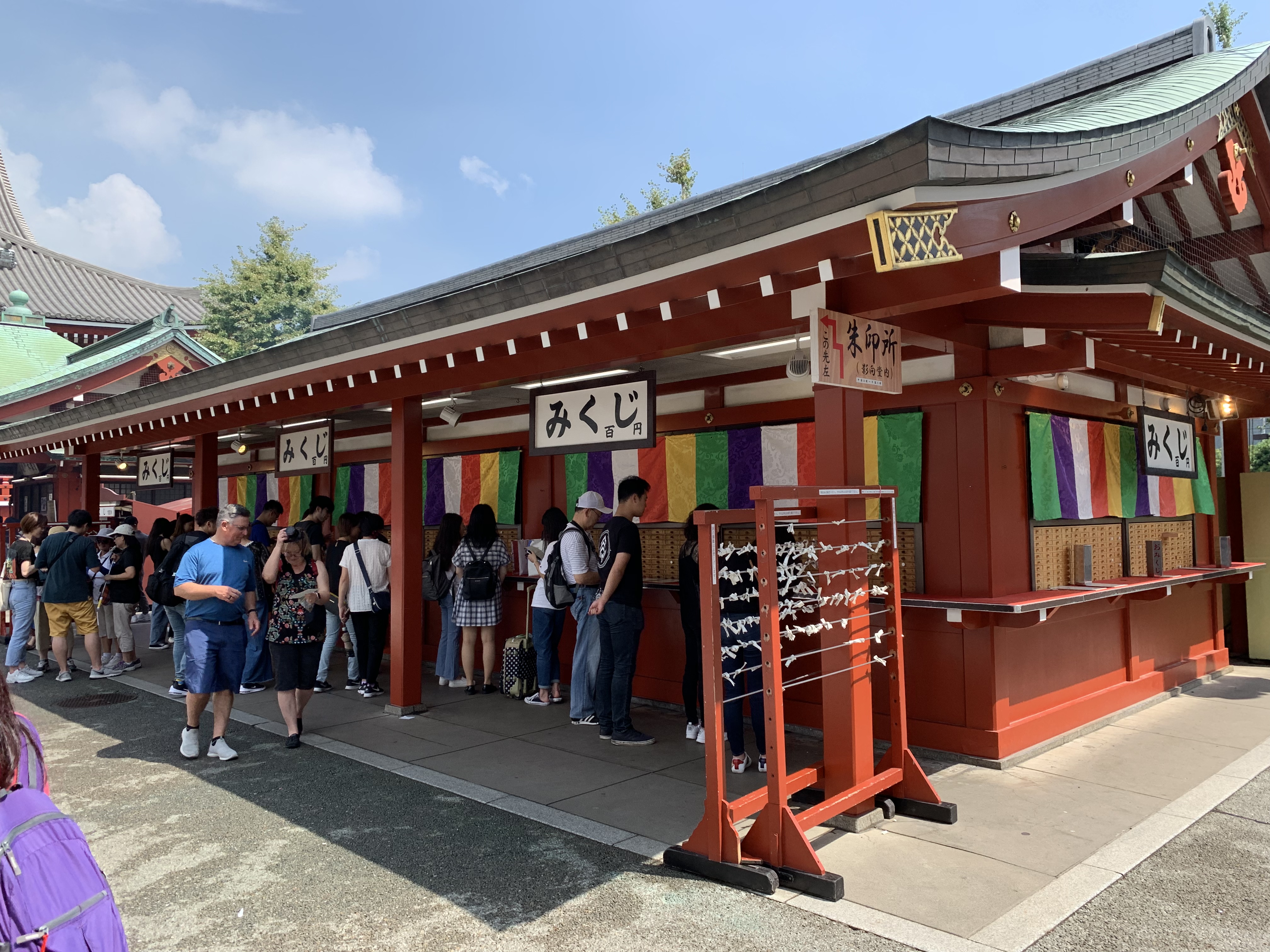
- You will draw omikuji, or paper fortune, to predict your future (included in the costs you have already paid).
Second:
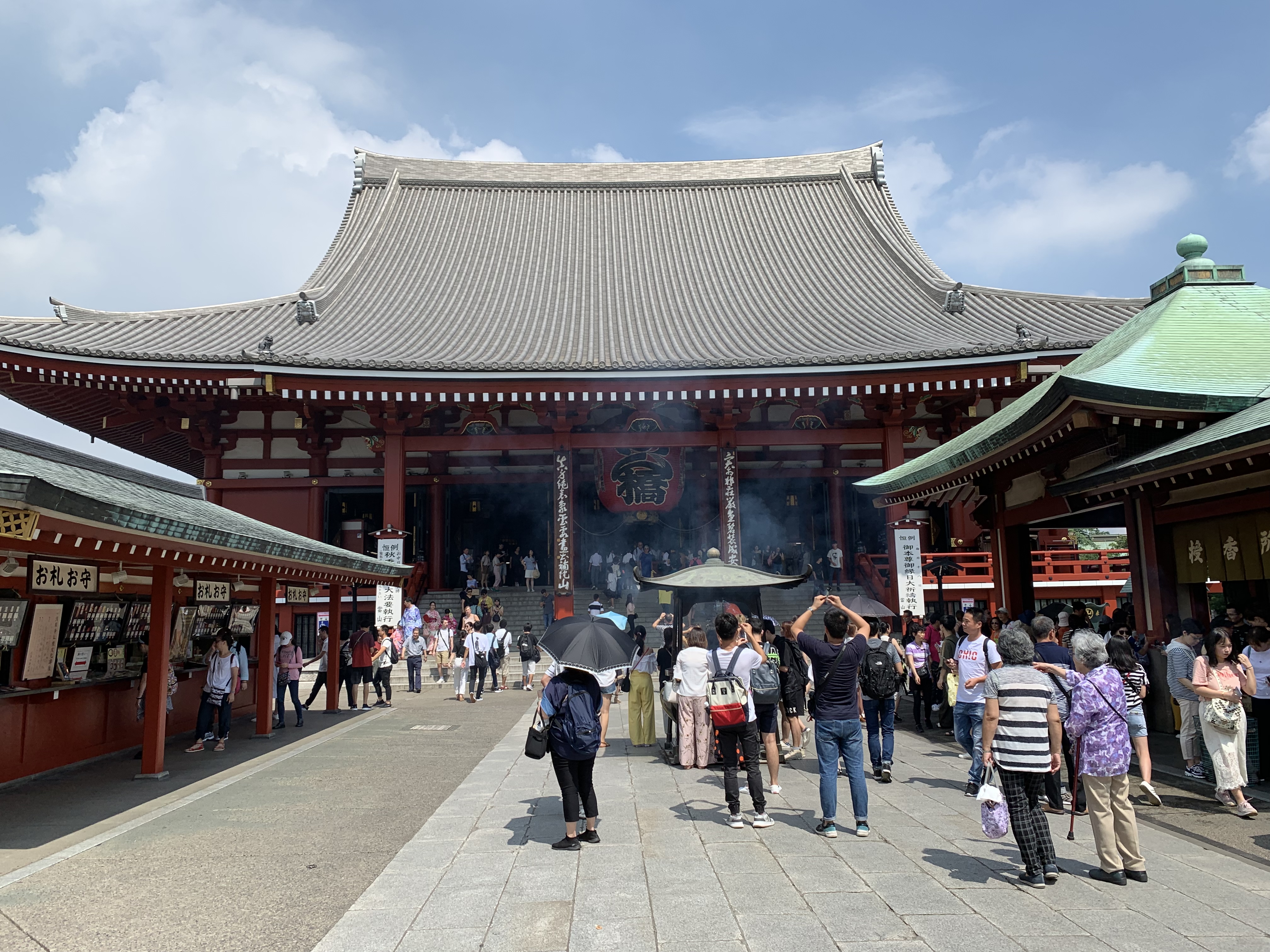
- Most Japanese stop at the huge bronze incense burner to bathe their hands and faces in the smoke. This is a ritual to ward off illnesses-before climbing the stairs to offer their prayers.
Third:
- Water purification fountain which people use to purify themselves before going inside the temple. You will also see a famous sculpture perching on the fountain.
We will now proceed to the main hall of the temple which is the climax of the tour. Look forward to what you will see and the guide will recount there!
Asakusa Shrine
To those familiar with religions,it is unfathomable that Buddhist temple and shinto shrine coexist on the same premises and share both their origins and worshipers. In that sense, Asakusa shrine is not just another shinto shrine in Japan. The guide will tell you why and you will find how these two religions are ingrained in life of the ordinary Japanese.
Restaurant
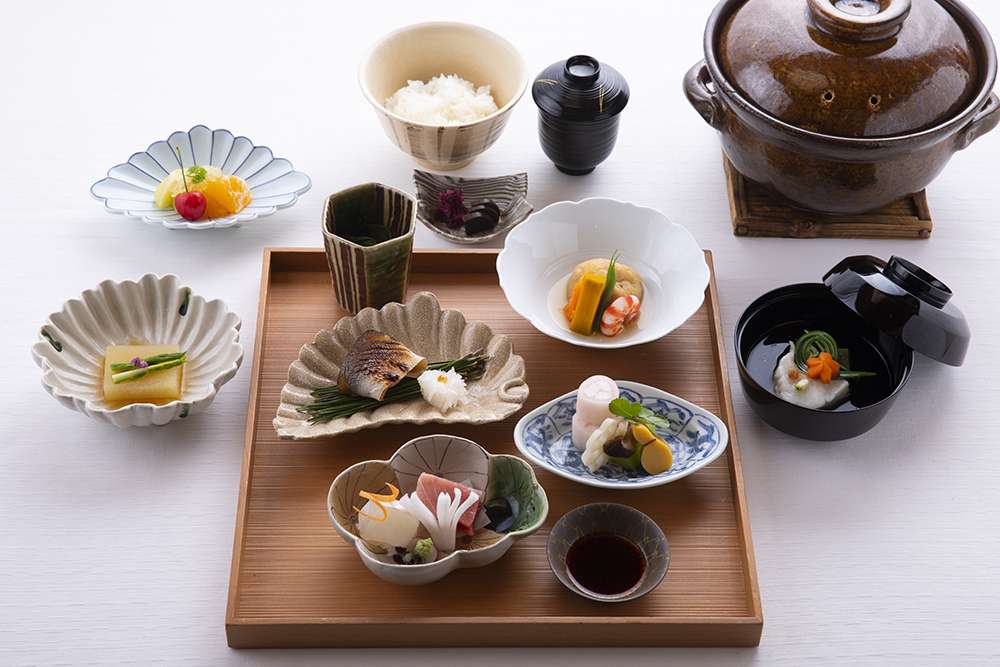
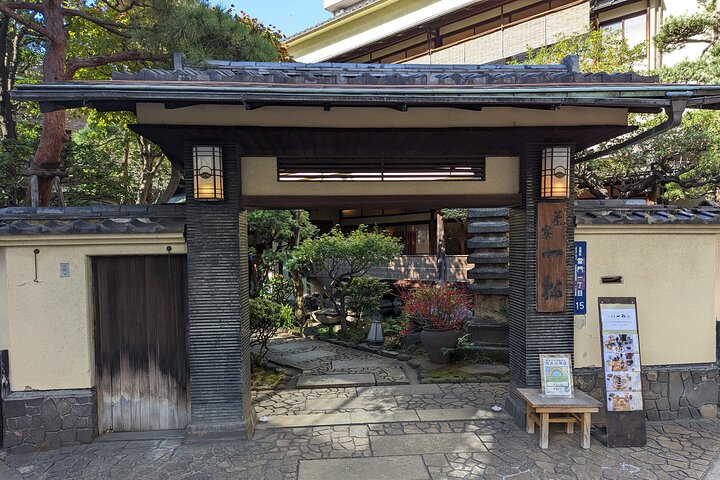
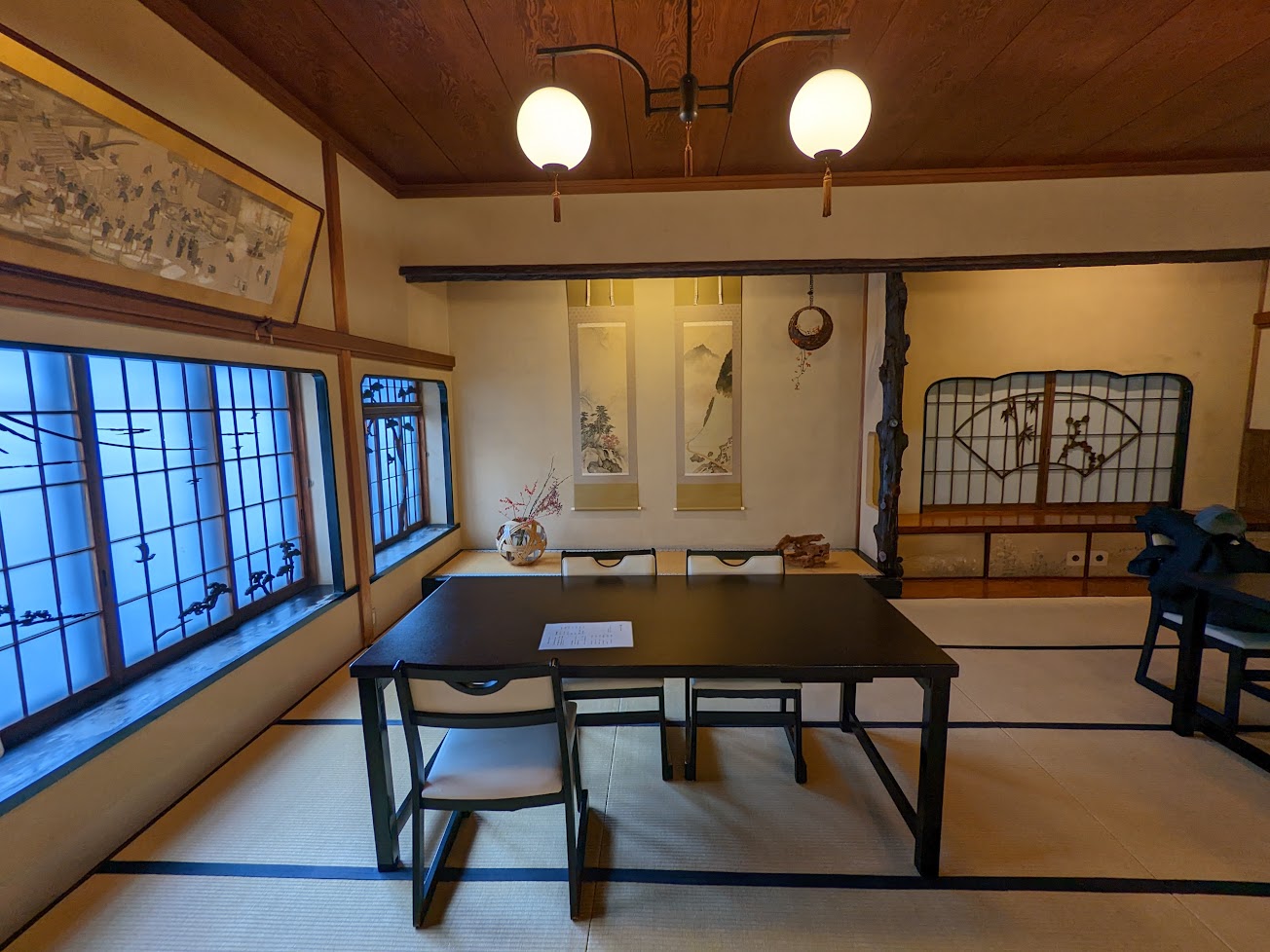
We will take you to a high-class traditional Japanese restaurant where you can savour and enjoy authentic Japanese cuisine. The guide will walk you through its history, ingredients, how they are prepared, and much more over lunch which epitomizes the tradition.