
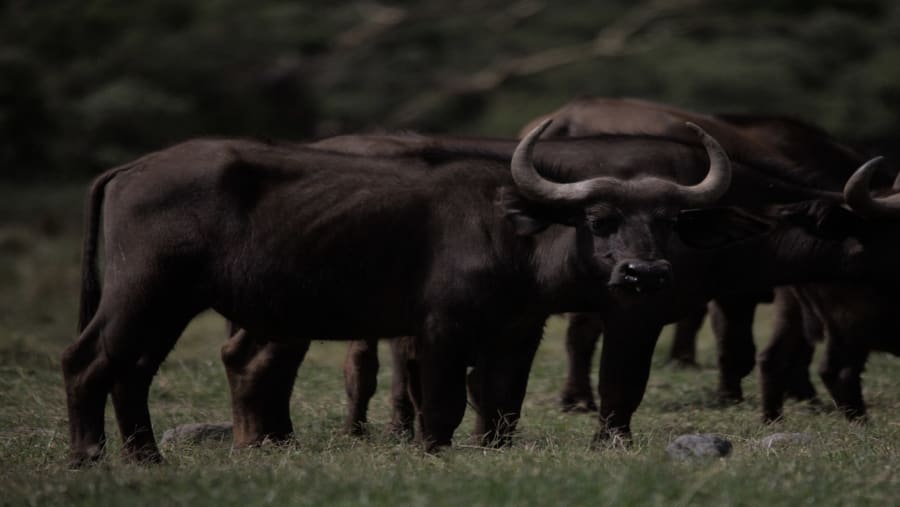
7-Day Serengeti Wildebeest Migration Safari with Mara River Crossing

7 Days Round trip from Arusha Easy pace

The journey

Trip highlights
  • 01 Witness the spectacular wildebeest migration in Serengeti's heartland
  • 02 Explore Ngorongoro Crater's abundant wildlife and stunning scenery
  • 03 Experience thrilling game drives in the Seronera and Kogatende areas
  • 04 Look for dramatic Mara River crossings in the northern Serengeti

Embark on a 7-day Serengeti wildebeest migration safari for a thrilling and unforgettable adventure through some of Tanzania's most famous wildlife areas. Witness the awe-inspiring spectacle of over a million wildebeest and zebras moving across vast plains in search of fresh grazing grounds, while predators lurk nearby in search of prey. Explore Ngorongoro Crater, central Serengeti, and the northern Kogatende area, where dramatic Mara River crossings may unfold depending on the season. Each day brings new sights and sounds, from abundant resident wildlife to sweeping landscapes and remarkable birdlife, making this a once-in-a-lifetime safari experience.

At a glance

What this trip includes

Duration 7 Days
Tour type Shared
Activity level Easy
Accommodation Included · Budget
Transport Included
Wheelchair access Yes
Cities Arusha, Mount Kilimanjaro, Mount Meru, Serengeti National Park, Ngorongoro Conservation Area, Lake Manyara, Tarangire National Park, Arusha National Park
Languages English, German, Swahili

Day by day

The itinerary

1
Day 01

Arrival in Arusha

Upon arrival at Kilimanjaro International Airport, you will be greeted by a senior safari guide and driven to your hotel in Arusha for dinner and an overnight stay.

Arusha is a city in northern Tanzania and the capital of the Arusha Region, with a population of 416,442, plus 323,198 in the surrounding Arusha District. Located below Mount Meru on the eastern edge of the eastern branch of the Great Rift Valley, Arusha has a temperate climate. The city is close to Serengeti National Park, the Ngorongoro Conservation Area, Lake Manyara National Park, Olduvai Gorge, Tarangire National Park, Mount Kilimanjaro, and Arusha National Park on Mount Meru.
2
Day 02

Ngorongoro Crater Wildlife Safari

After breakfast, you will depart for the Ngorongoro Conservation Area. You will arrive just in time for lunch at the lodge, and then descend over 600 m into the crater to view its wildlife.

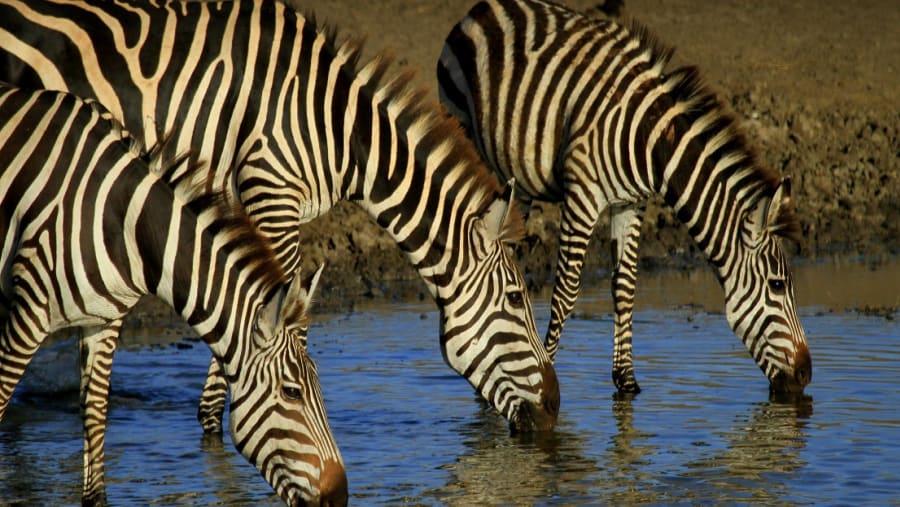
Supported by a year-round water supply and fodder, Ngorongoro National Park supports a vast variety of animals, including herds of wildebeest, zebra, buffalo, eland, warthog, hippo, and giant African elephants. Another big draw in this picturesque national park is its dense population of predators, including lions, hyenas, jackals, cheetahs, and the ever-elusive leopard, which sometimes requires a trained eye to spot. We will also visit Lake Magadi, a large but shallow alkaline lake in the southwestern corner of the crater. A large number of flamingos, hippos, and other waterbirds can usually be seen here.

Meal: B, L, D
Accommodation: Karatu Acacia Farmlodge or the same lodge

3
Day 03

Into Central Serengeti via Lobo

After breakfast, we will head towards the heart of wild Africa - Serengeti National Park - with its endless plains rolling into the distance as far as the eye can see. We will proceed to the Lobo area, which is located just north of the Seronera area in central Serengeti National Park. The wildebeest migration passes through the Lobo area every year, around July/August, en route to the Kenyan Masai Mara Game Reserve, and again in late October/November on its way back to the southern Serengeti National Park.

We will arrive in time for lunch and enjoy an afternoon game drive in Serengeti National Park.

Meal: B, L, D
Accommodation: Serengeti Acacia Camp

4
Day 04

Full-Day Game Drive in the Seronera Area

After breakfast, enjoy a full-day game drive in the park. The area around Lobo and the Grumeti River has good resident game throughout the year. Non-migrating animals such as elephants, buffalo, gazelle, zebra, lions, leopards, and cheetahs can be seen here all year round. The game viewing is very good, and you can follow the wildlife for long periods without seeing other vehicles - truly one of the forgotten corners of the Serengeti Plains.

Magnificent riverine trees can be found along the river lines, and bird species such as kingfishers and fish eagles can also be seen here.

Meal: B, L, D
Accommodation: Serengeti Acacia Camp

5
Day 05

Journey to Northern Serengeti and Kogatende

After breakfast, we head towards the far northern reach of Serengeti National Park, also known as Wagakuria. We will enjoy a game drive en route from the Lobo area to the Wagakuria area. As we head north, good sightings of giraffes, plains game, and herds of buffalo and elephants can often be seen.

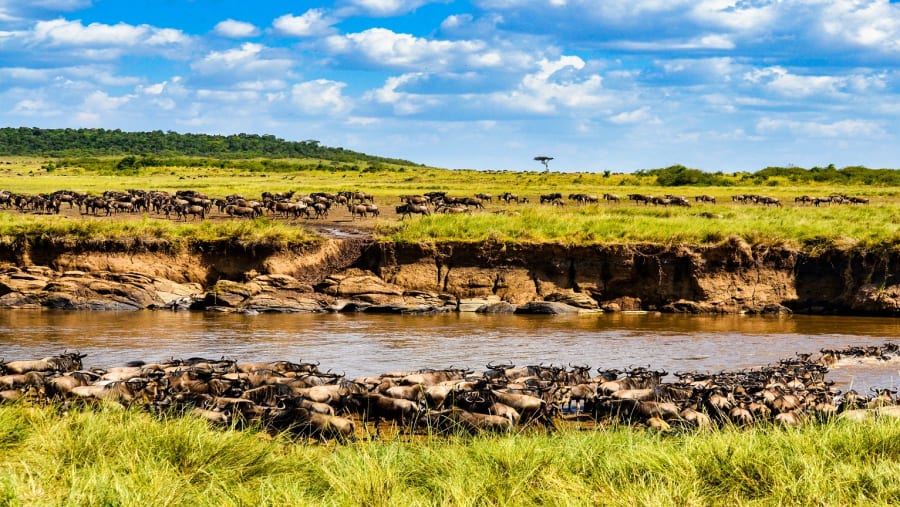
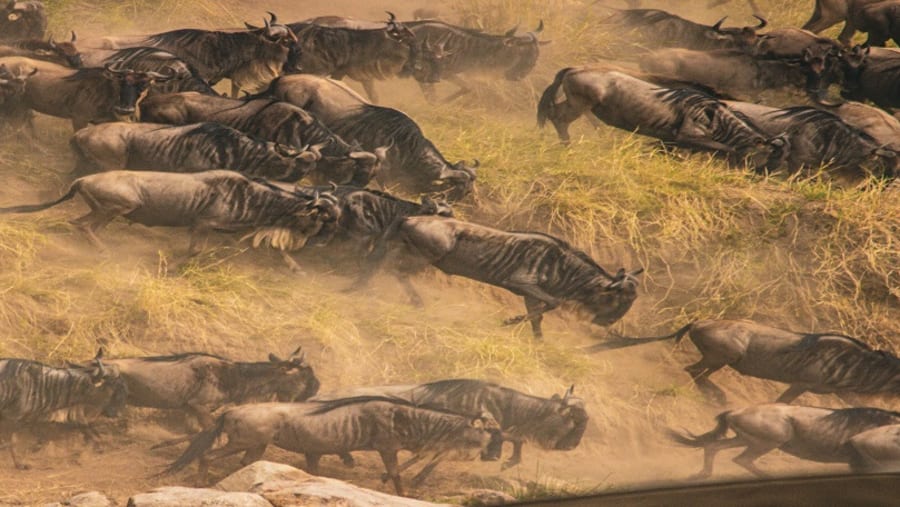
We arrive in time for lunch at the lodge, and after lunch, we will enjoy an afternoon game drive in the area. The wildebeest migration can normally be found in the Wagakuria area from August to October, depending on rainfall patterns. A long stretch of the Mara River runs through the northern Serengeti National Park, and the Mara River provides the migration with its most difficult obstacle. Witnessing the frantic herds of wildebeest crossing the Mara River is amazing.

Meal: B, L, D
Accommodation: Serengeti Acacia Camp

6
Day 06

Full-Day Safari in Kogatende

After breakfast, enjoy a full-day game drive in the Wagakuria area. Resident wildlife numbers are exceptionally high in this part of the park, with prides of lions up to 30 strong. From August to October, however, the area turns into a wildlife paradise. The key feature is the Mara River, and it is not uncommon to see herds cross the river north on one day and then back south a few days later.

Please take note: finding a crossing is very difficult and is sometimes a matter of luck. A herd can be seen next to the river and only decide whether to cross or not a couple of days later. This region is stunning, with kopjes, woodland, riverine vegetation, and open plains, similar to Kenya's Masai Mara Game Reserve.

Meal: B, L, D
Accommodation: Serengeti Acacia Camp

7
Day 07

Fly Back to Arusha

After breakfast at the camp, we depart for Kogatende Airstrip and enjoy a game drive en route. The group should tip the guide around $20 to $30 per day.

Around mid-morning, join a scheduled flight from Kogatende Airstrip to Arusha Airport. Upon arrival at Arusha Airport, meet our driver, who will drive you to Arusha Town. Upon arrival, we will have lunch and then end our African safari adventure. You will be taken to your hotel, which marks the end of our safari services.

Meal: B, L

The route

Where you'll travel

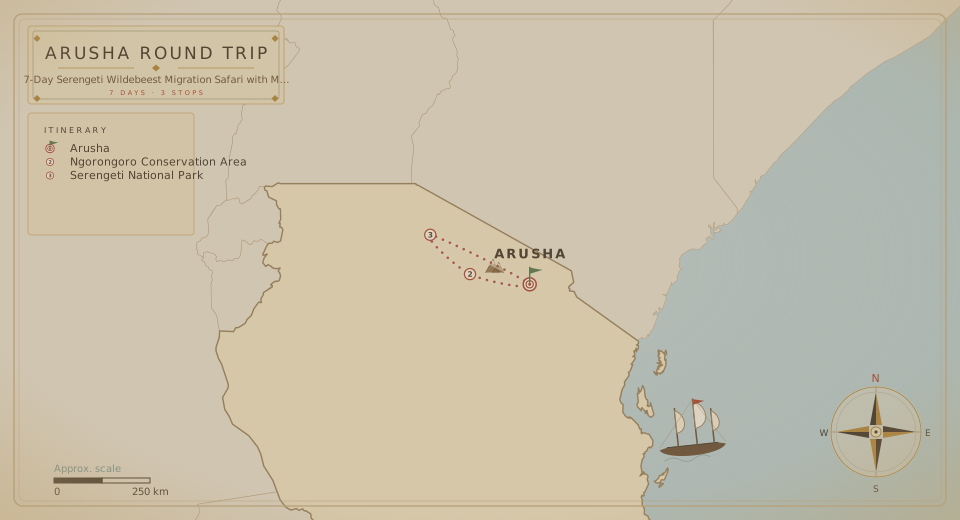
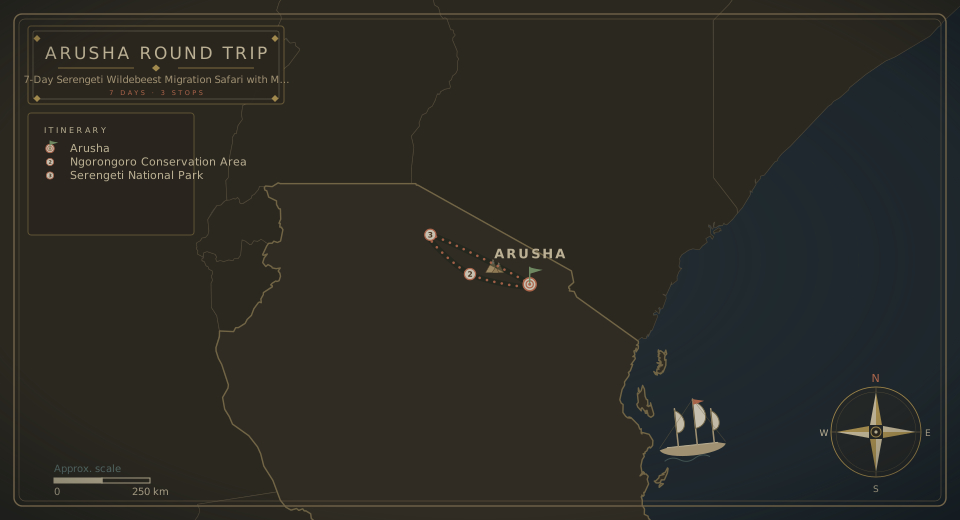
Tour route map
Round trip from Arusha 8 cities · 7 Days

The fine print

Trip details

What's Included

  • Transport in a 4x4 Land Cruiser with an open roof
  • Park fees
  • Crater fees
  • 18% VAT on tour fees and services, which costs nearly 55% of the total amount charged
  • Budget, medium, or luxury accommodation
  • Professional English-speaking safari guide and chef
  • Breakfast, lunch, and dinner
  • 1.5 bottles of water per day, plus tea and coffee with meals
  • Pick-up from Kilimanjaro Airport to Arusha
  • Drop-off to Kilimanjaro Airport after the safari from Arusha
  • Accommodation before and after the safari at Karibu Heritage Hotel on a bed and breakfast basis in Arusha

What's Not Included

  • Both national and international flights
  • Medical insurance
  • Visa cost, which is $50, except for Canadian and USA passport holders, for whom it is $100
  • Tips for the safari guide and chef
  • Items of a personal nature
  • Laundry services
  • Alcoholic beverages
  • Extra activities (Serengeti balloon flight: $600 per person; Masai Village: $45 per person)

What to bring

  • Soft luggage such as a duffel bag, hiking pack, or sports bag
  • A backpack for important items, including travel documents, money, camera, and medication
  • Minimal luxury items and bulky toiletries
  • Cash divided between different carry-on locations if bringing cash
  • Extra space in your luggage for souvenirs

Know before you go

  • Bring soft luggage such as a duffel bag, hiking pack, or sports bag. These are ideal for packing in a safari vehicle. Hard suitcases can often be difficult to fit in the vehicles.
    Bring a backpack to carry all of your important items, including travel documents, money, camera, medication, etc. You should keep this backpack with you at all times.
    Keep luxury items such as hair dryers/straighteners, expensive jewellery, make-up, and bulky toiletries to an absolute minimum. If in doubt, leave them out.
    If you plan to bring cash, divide it into different areas of your carry-on luggage, wallet, and money belt, just in case something happens to one of those carry items.
    Leave some space in your luggage for the all-important souvenirs that you will probably buy. There are places where you can send packages home via DHL, etc., and this can sometimes be an expensive option.
  • The wildebeest migration in Tanzania is one of the most spectacular wildlife events in the world. It involves the movement of large herds of wildebeest, zebras, and other animals across the Serengeti ecosystem, crossing Serengeti National Park in Tanzania and the Masai Mara National Reserve in Kenya. Here are some key points to consider when planning a wildebeest migration safari in Tanzania:
  • Timing:
  • Migration Seasons: The wildebeest migration is an annual event, and the timing can vary. The general migration patterns are:
  • January to March: Calving season in the southern Serengeti.
    April to June: Migration moves to the central Serengeti.
    July to September: The herds cross into the northern Serengeti and may enter the Masai Mara in Kenya.
    October to December: The herds start returning to the southern Serengeti.
  • Best Time to Witness the River Crossings: The river crossings, particularly the Grumeti River and Mara River crossings, are some of the most dramatic events during the migration. This often occurs between June and August.
  • Safari Routes:
  • Northern Serengeti: This area is known for the Mara River crossings. Many safaris are focused on this region during the migration season.
  • Central Serengeti: The central Serengeti offers a good chance to witness the migration and is a great location for year-round game viewing.
  • Southern Serengeti: This area is crucial during the calving season and offers a unique experience with young animals.
  • Accommodation:
  • Lodges and Camps: There are various lodges and mobile camps strategically located to provide optimal wildlife viewing during the migration.
  • Mobile Camps: Some operators set up mobile camps that follow the migration, providing a more immersive experience.

Logistics

Meeting & route

Meeting point
Arusha, Tanzania
Tour start
Arusha, Tanzania
Tour ends at the same location as the start point.
End of the journey

Your 7 days finish where they began, in Arusha.

Watch the tourHQ film Watch the film

Create your own adventure

Can't find the perfect tour? Tailor your dream trip.

  • Tell us your destination, dates and group size.
  • Our travel experts and local guides design a tailored itinerary, just for you.
  • Enjoy your trip with peace of mind, knowing everything is taken care of.
Plan my holiday

Say goodbye to travel stress.

Starting from

USD 1,931.83 /person
Book This Tour

Estimated room rates

Single Room $1,931.83 — $4,200.00
Double Sharing $1,931.83 — $4,032.00

When

Travellers

Total
