

Guided Half-Day Tour to Ioannina City

Highlights
Ioannina
historical, museums, walking
Private Tour
6 Hours
Easy
English
Description
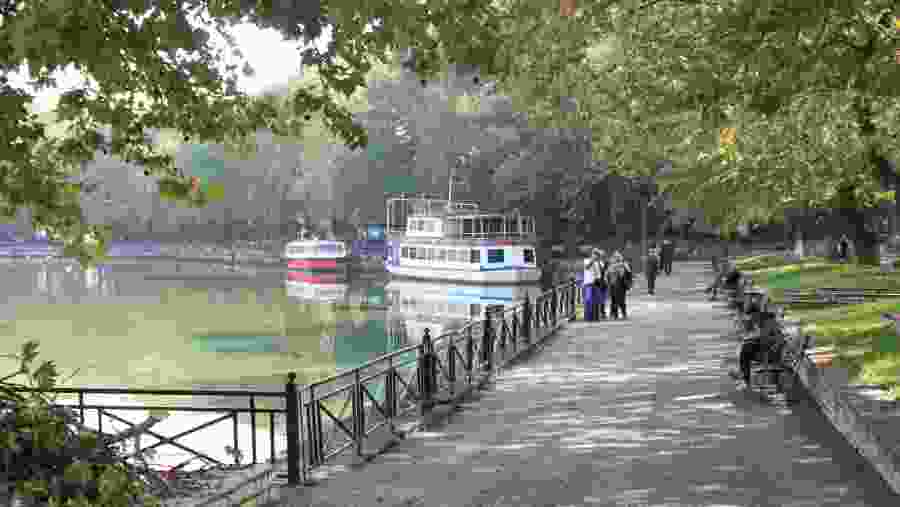
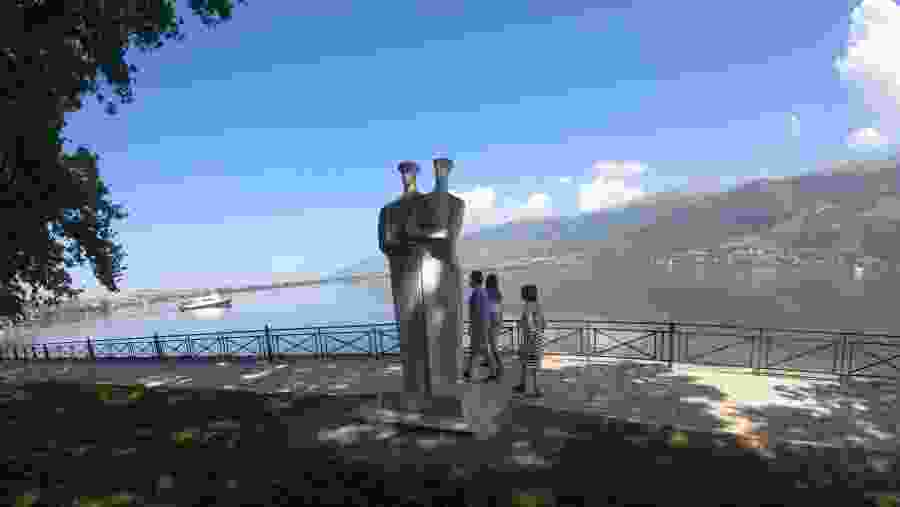
Explore the capital of Epirus, Ioannina. Ioannina is located next to the lake Pamvotis and has a population of 120,000 inhabitants.
The unique location of the lake makes it one of the most beautiful in the country, with soft green banks and towering mountains all around it. The first signs of human activity in the area date back to the Paleolithic era (38,000 years ago). This has been proven by the stone tools found in the Cave of Kastritsa. The city was founded in 528 A.D. by the Byzantine emperor Justinian.
Itinerary
-
Pavlos Vrellis Wax Effigies Museum of Greek History
Pavlos Vrellis wax effigies museum of Greek History is a unique museum worldwide. It was set up by the sculptor Pavlos Vrellis in February 1983, and the museum hosts 150 wax models in 37 themes, inspired by various events from Greek history. The museum is built according to the traditional, local, fortress-type architectural style of 18th-century.
The wax effigies of the museum are displayed in life size, included in a faithful representation of the environment of their age and revive forms of the local history
-
Silversmithig museum
We get an idea of Silversmithing at the museum which is located inside the old town. It is a thematic museum, as it concerns the technology of Silversmithing during the pre-industrial period, while simultaneously being a regional museum, as it focuses principally on the history of Silversmithing in the region of Epirus. All visitors discover traditional techniques of shaping and decorating silver objects, learning about each technique’s different stages necessary to the creation of the end product.
-
Byzantine museum
The Byzantine Museum of Ioannina is housed in one of the buildings of citadel (Its Kale)
The collection of the silver items is housed in a separate 19th-century building on the citadel, and plans are ongoing to spread the exhibition among several other buildings in the citadel. The museum contains collections of Early Christian and Byzantine sculptures, pottery, manuscripts and early editions of printed books, post-Byzantine icons and silver items
-
No-Name Island
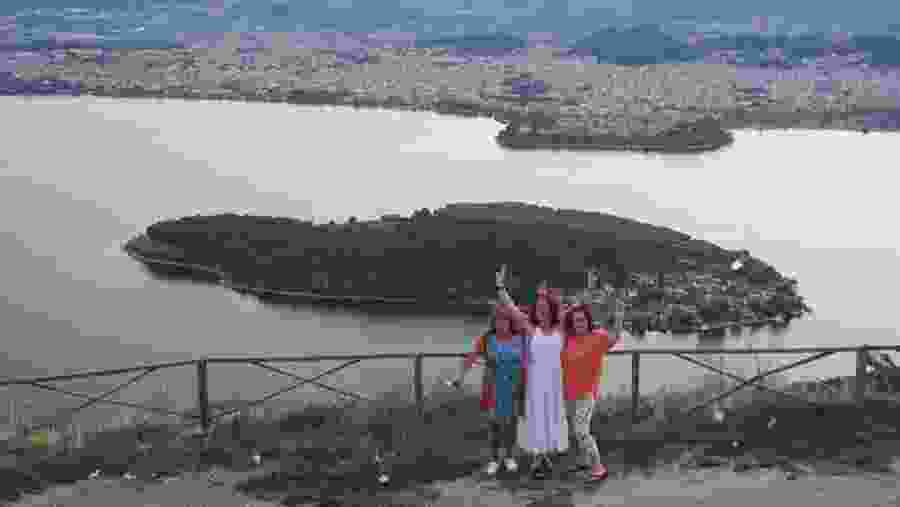
Only 10 min crossing from the town and a 30min walk on its cobblestone alleys will send you picking up echoes of folk songs and psalms of Christians, Jews and Muslims who lived on this land peacefully for centuries. It is filled with pine trees, unique stone houses, a natural port, full of fishing boats and it is the home of seven monasteries
The boat view is spectacular and visitors feel like they have travelled back in time. With the city at your back, the magnificent Ioannina Castle start to fade away and they are replaced with the image of a small green island, under the shadows of the surrounding prominent mountains! On a foggy day, it feels like you are part of a fairytale!
The No-Name Island was established in the 17th century.
-
Museum of Ali Pasha and revolutionary period
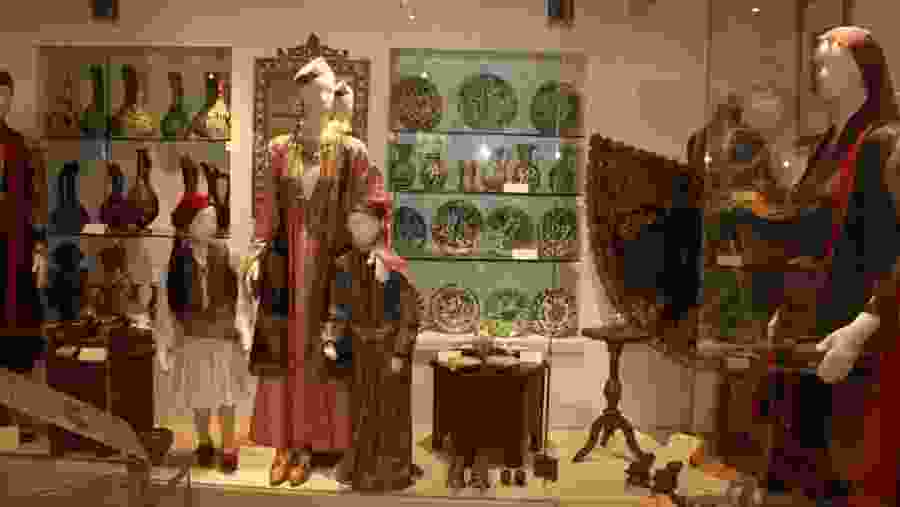
The museum introduces visitors to stunning works of art which are typical of the renowned silversmiths of Epirus: weapons, jewels, household and everyday articles, ceramics dated from the 17th to the early 20th century, representations of an authentic winter room or the drowning of Kyra-Frosini, caves where historical events of WWII are presented, paintings, lithographs and objects of ethnological interest.
The showcases of the museum are rife with unique historical artifacts, such as the famous gold-plated kariofili (rifle) of Ali Pasha, the silver sword of national benefactor Apostolos Arsakis, the authentic tsimbouki (water pipe) of Ali Pasha, or the genuine silk dress of Kyra-Vassiliki
What's Included
What's Excluded
Meeting Point
Cancellation Policy
-
For cancellations upto 2 days before the tour -
Refund of 80% of the tour price.
Price
| Adult | |
|---|---|
| 1 to 4 | /person |
| 5 to 8 | /person |
| 9 to 12 | /person |
| Child | |
| 1 to 4 | /person |
|
This is a private tour |
|