

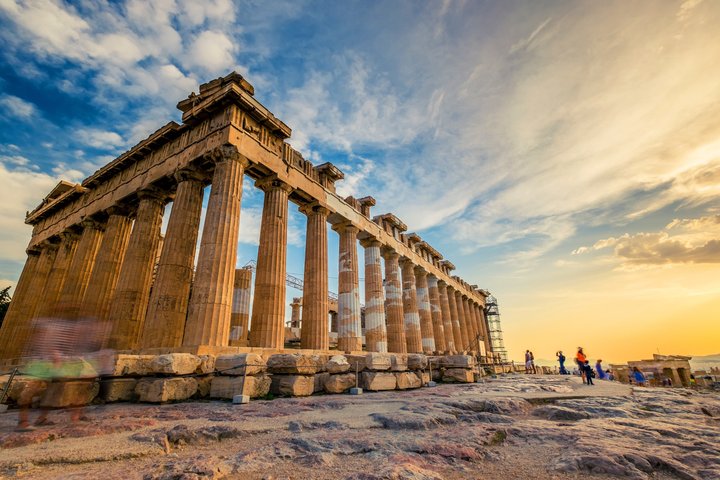
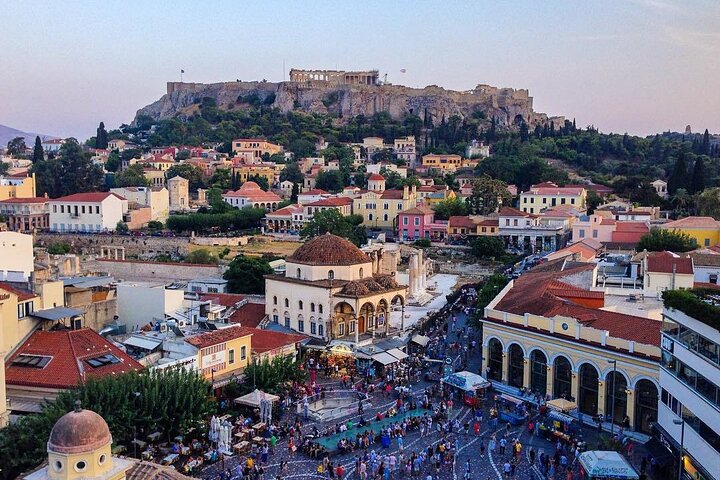
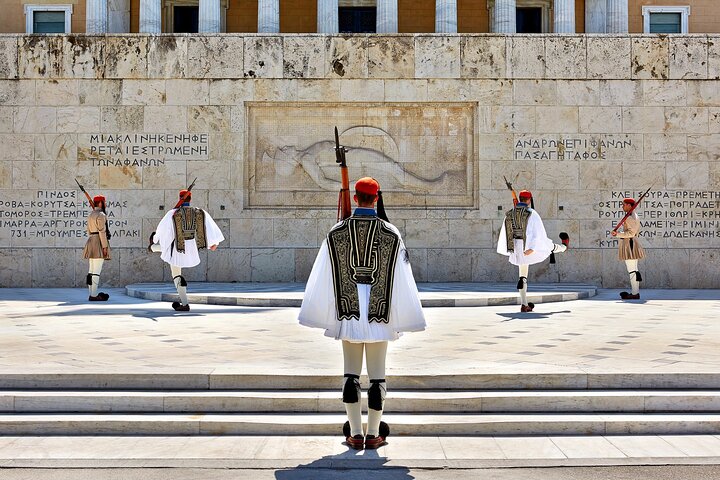
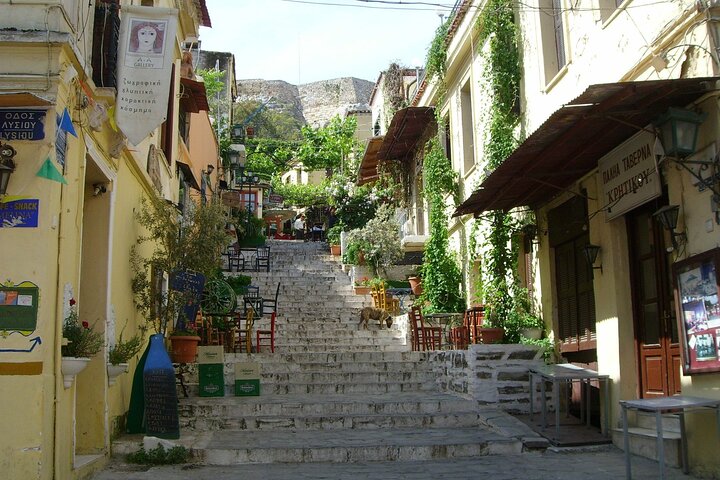
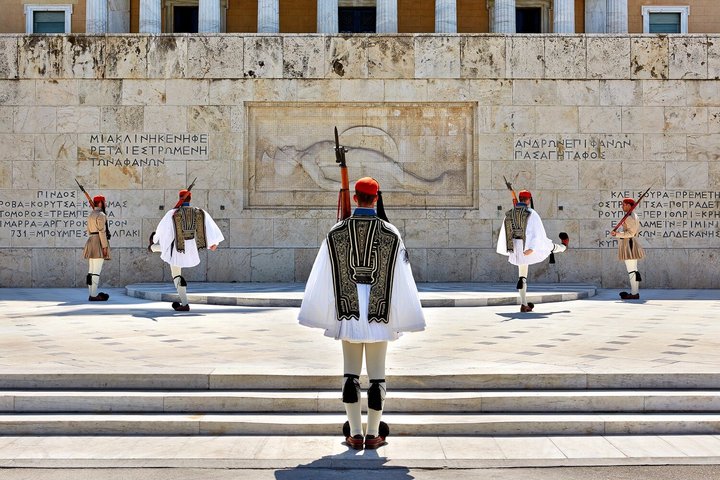
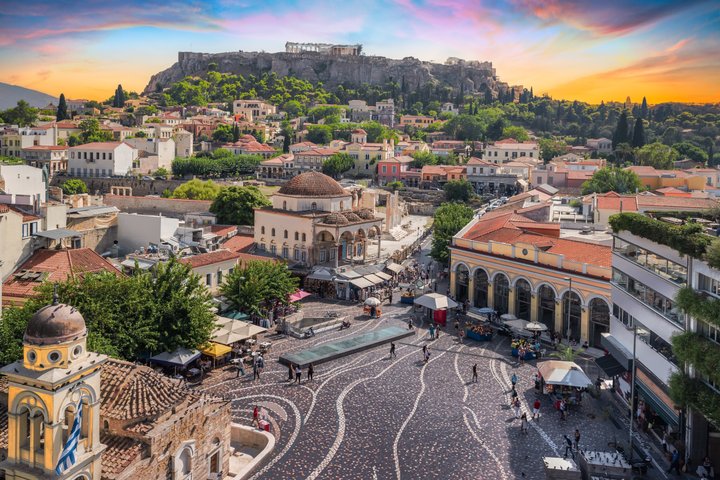
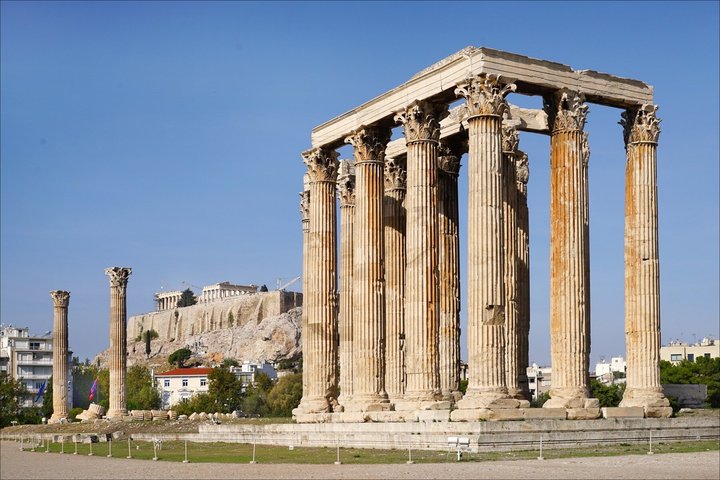
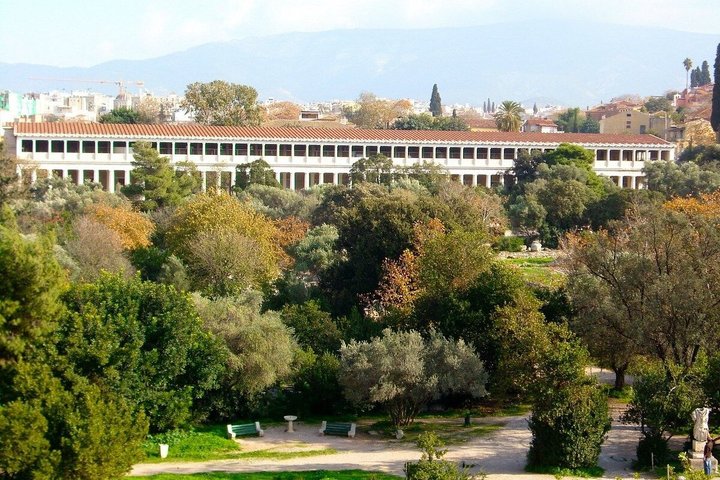
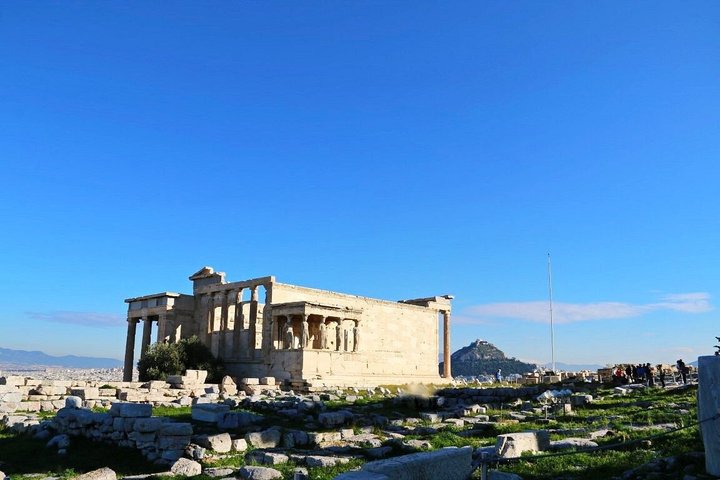
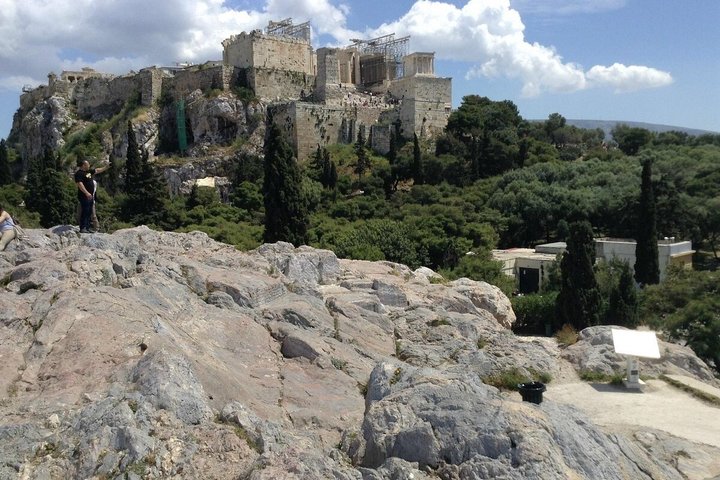
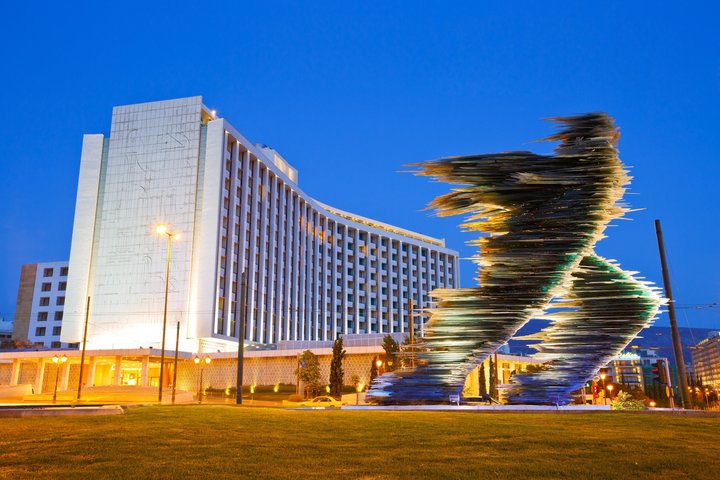
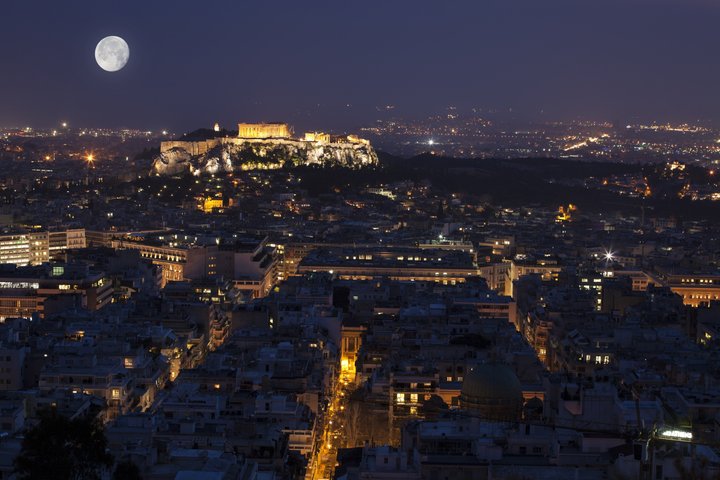
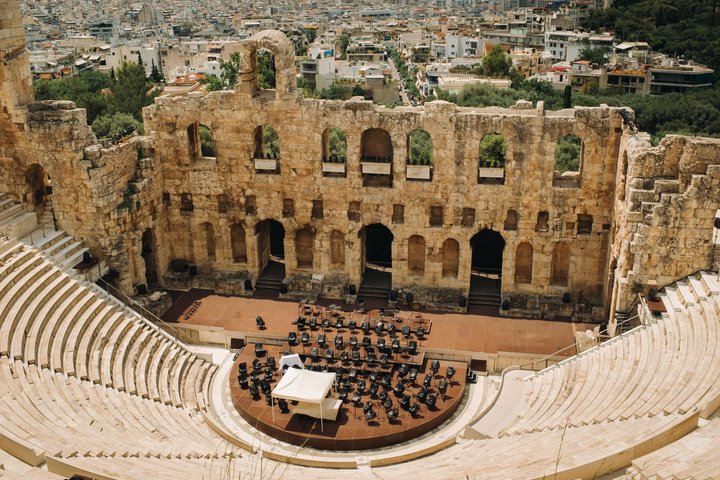
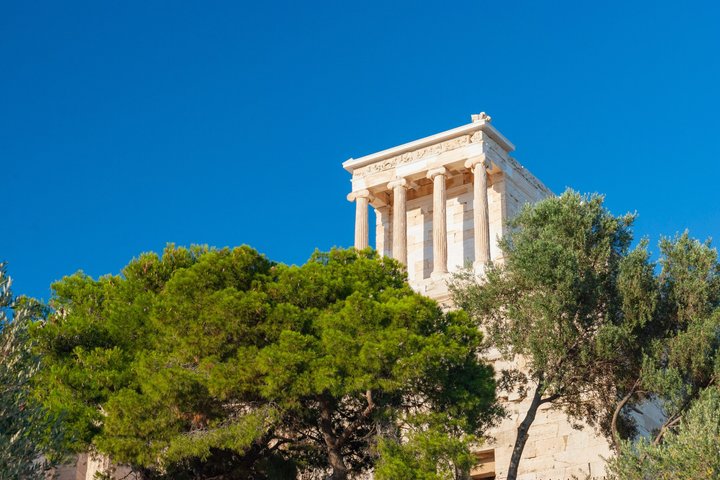
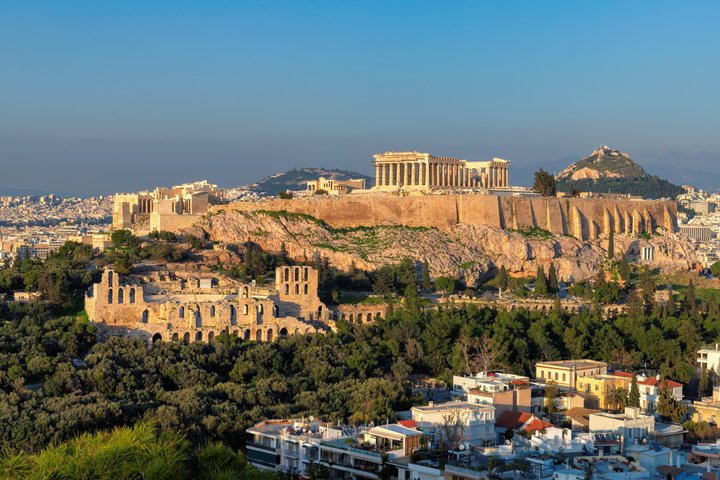
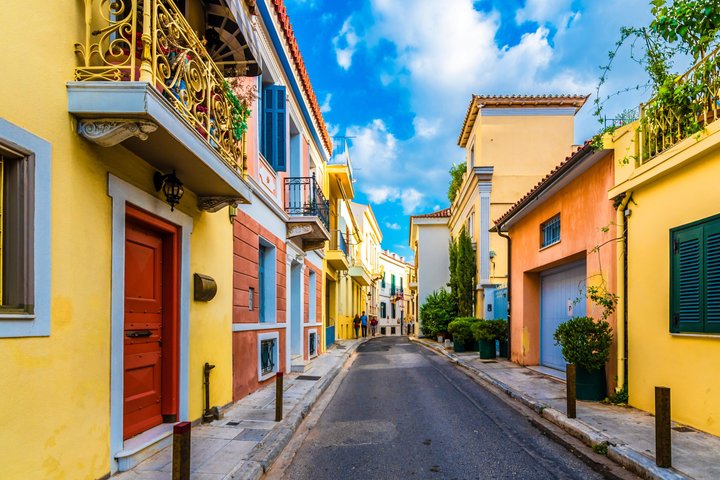
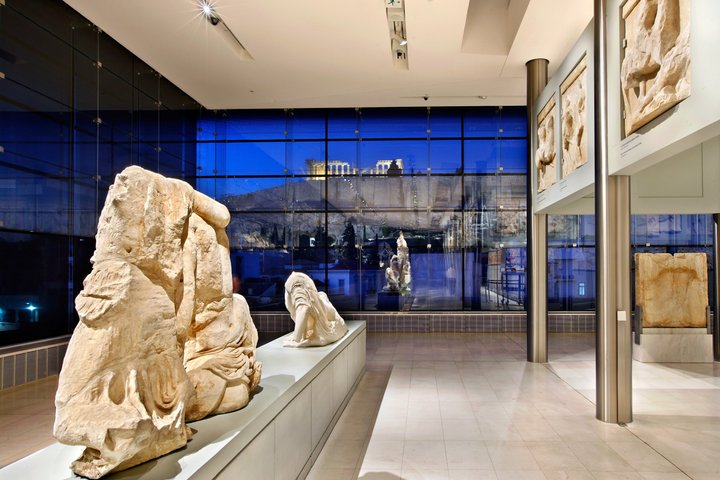
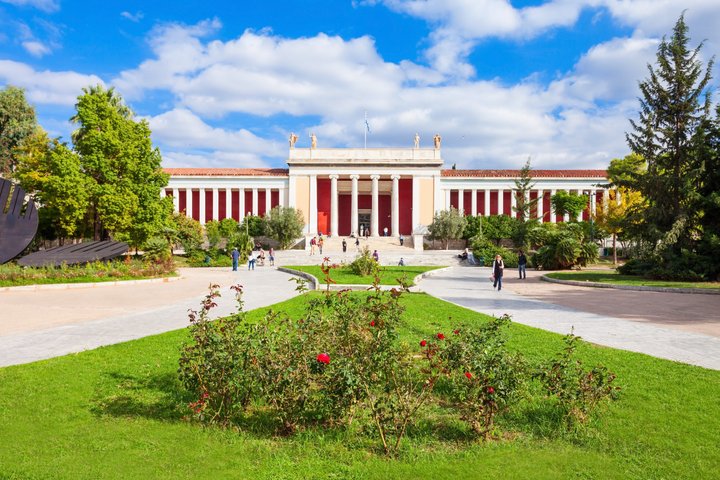
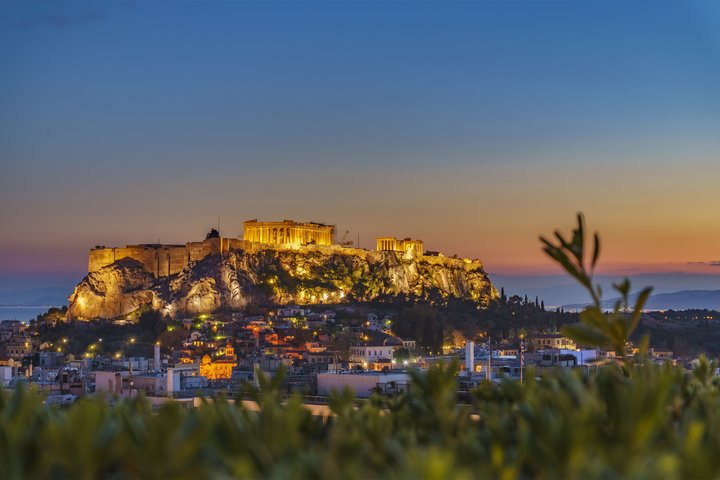
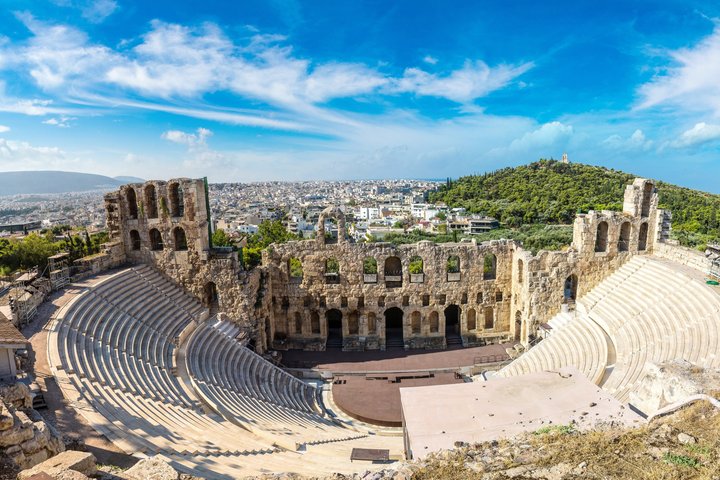
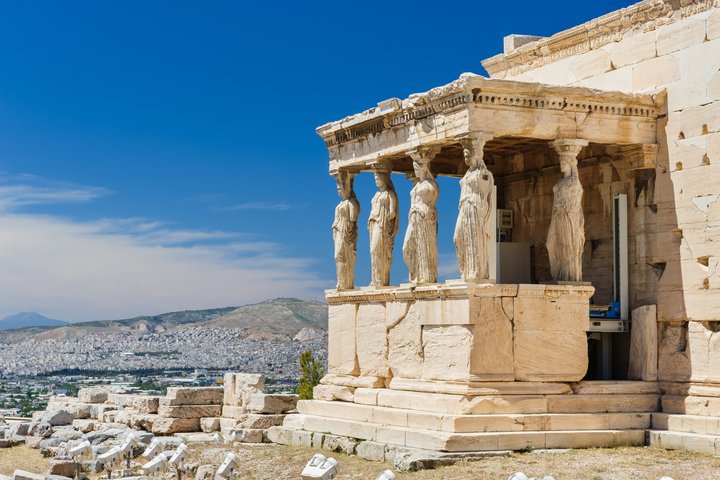
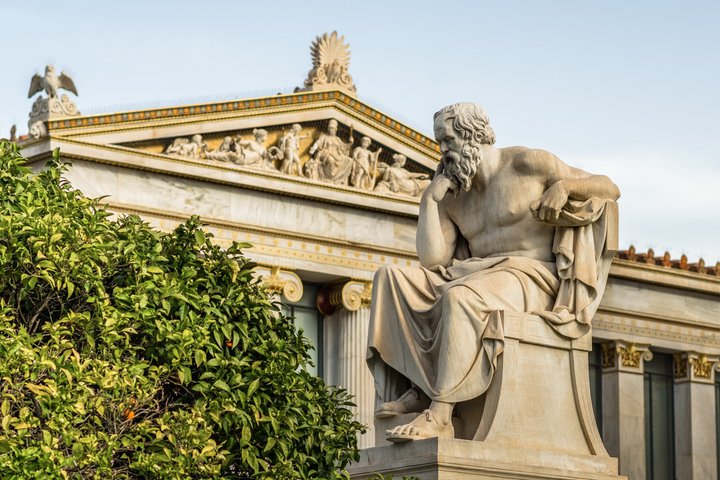
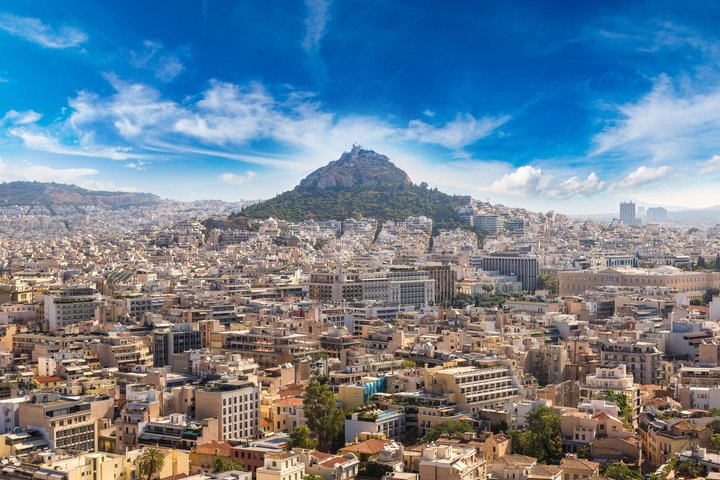
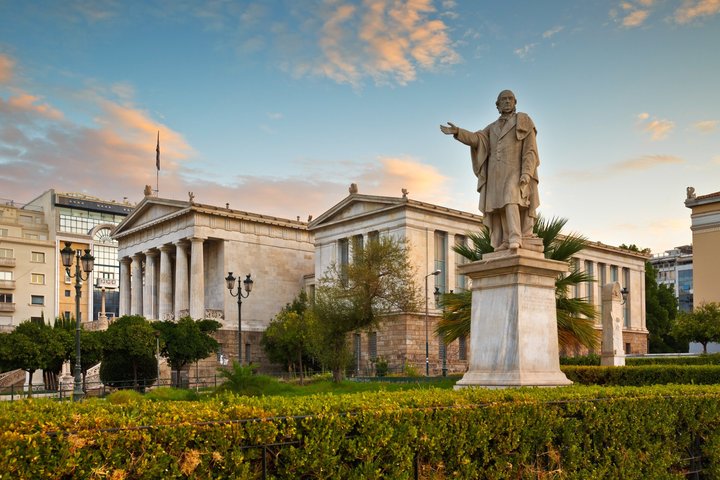
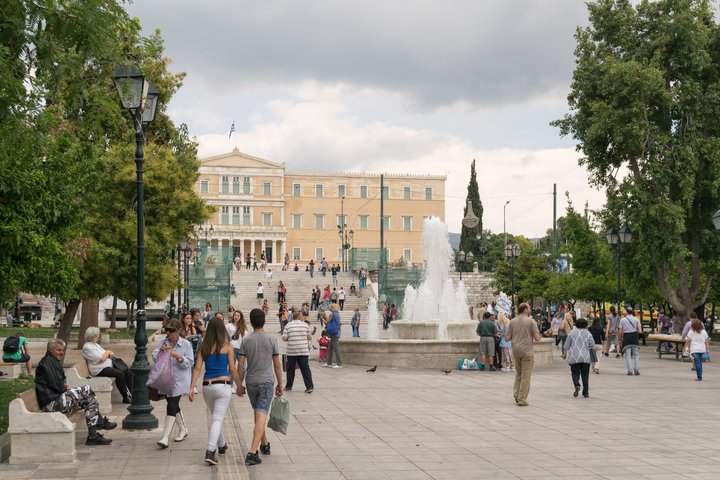
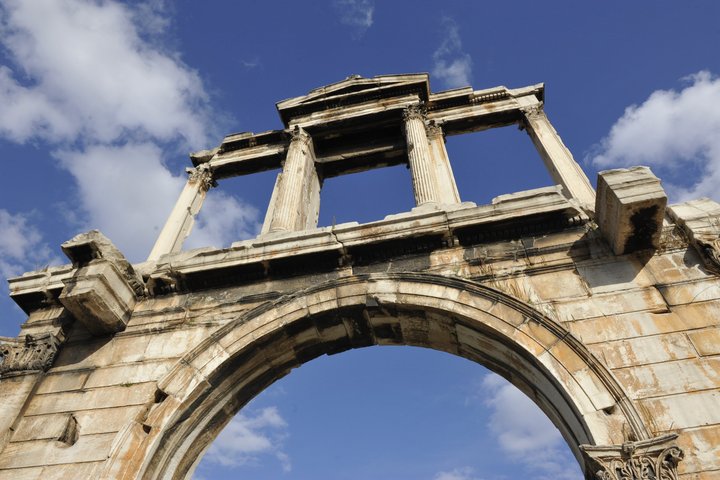
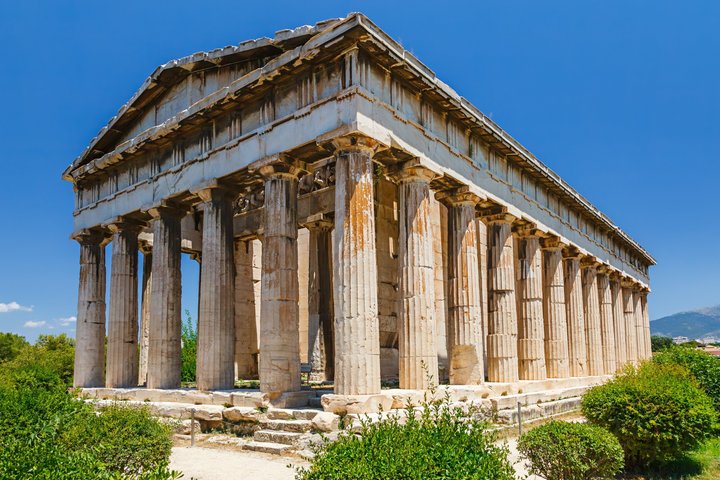
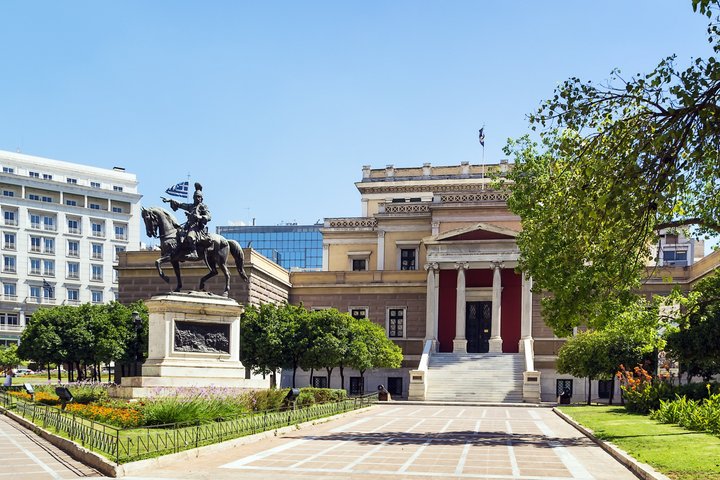
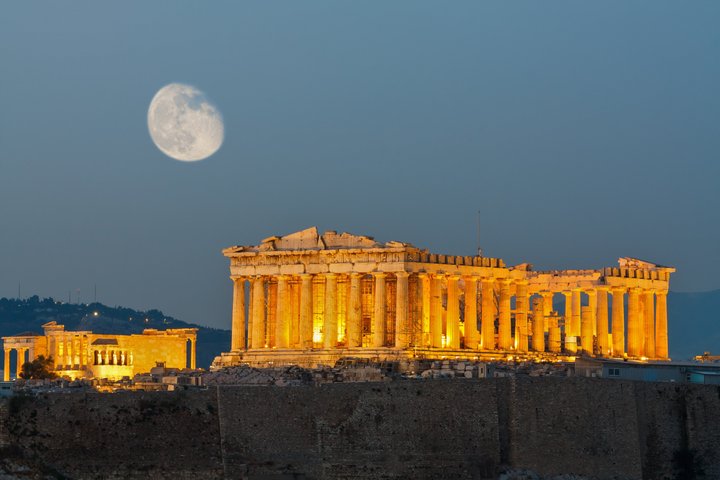
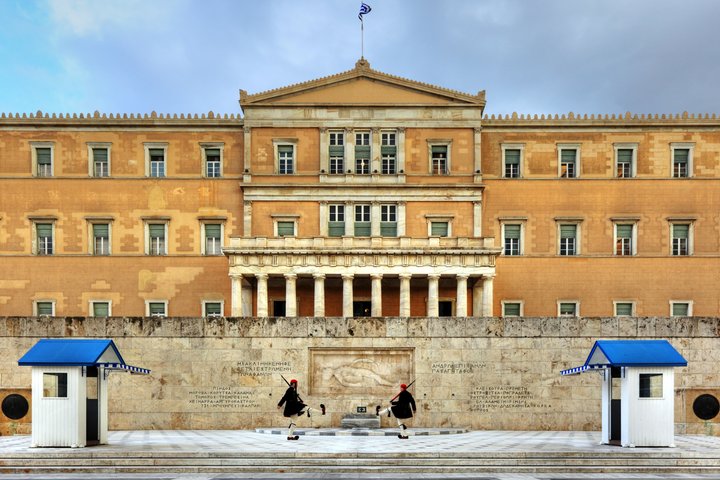
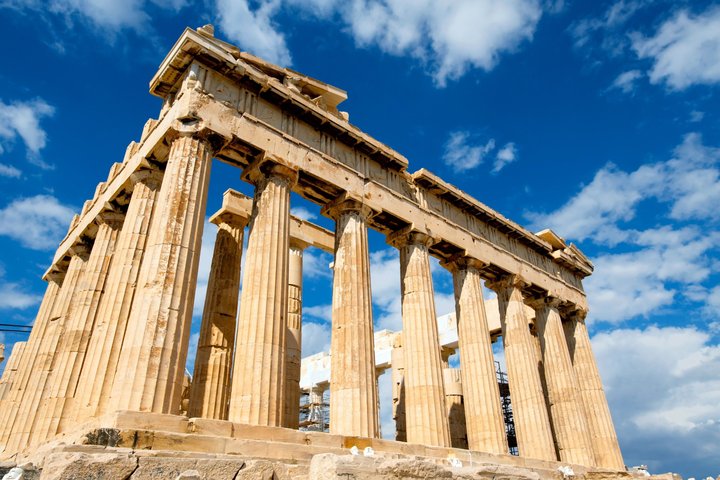
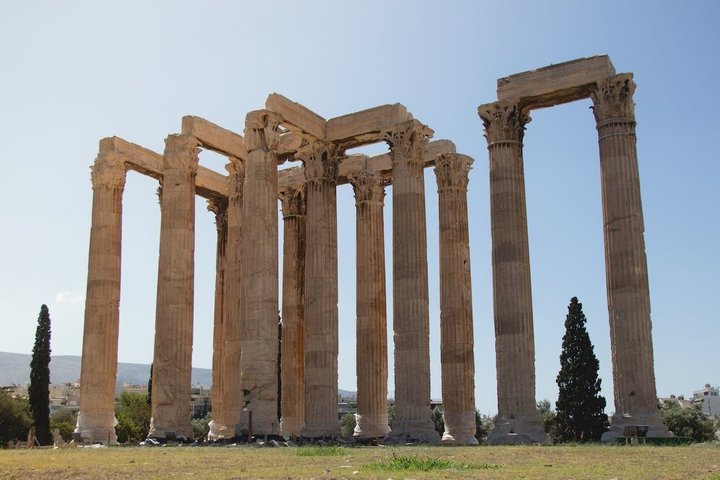
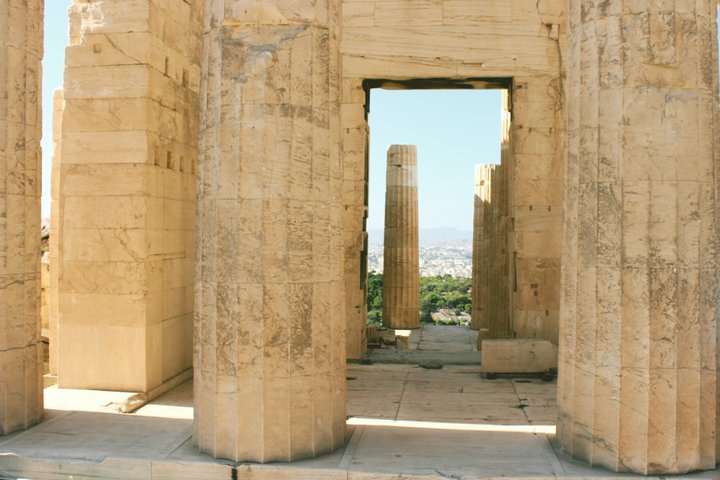
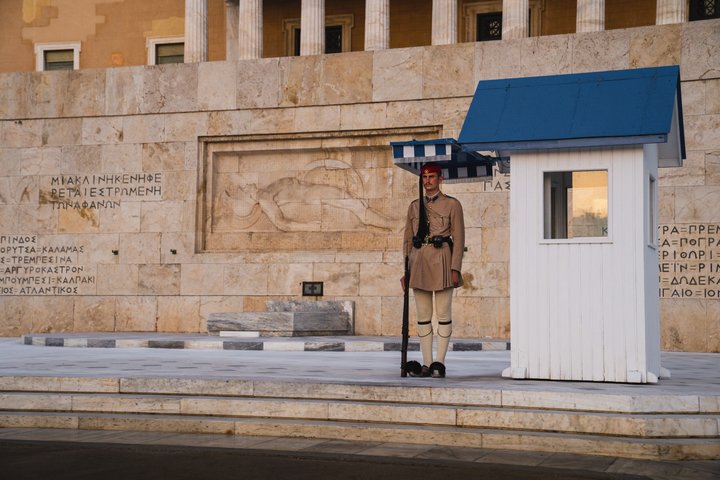
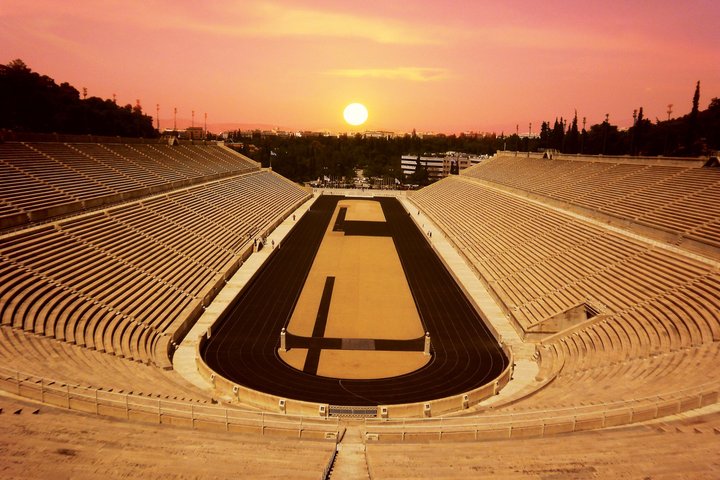
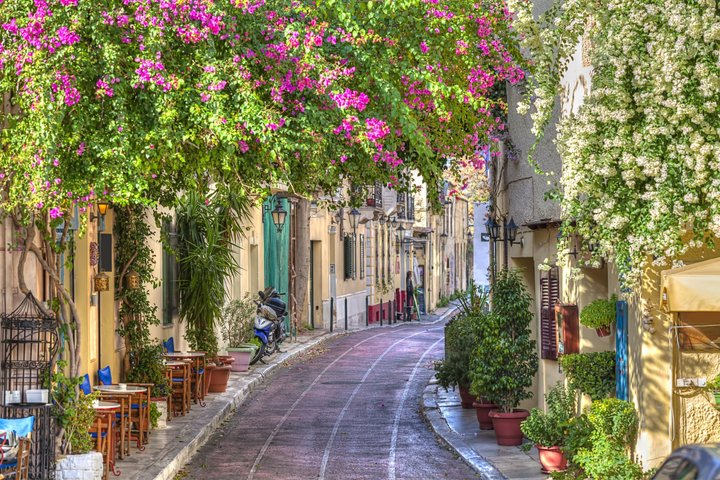
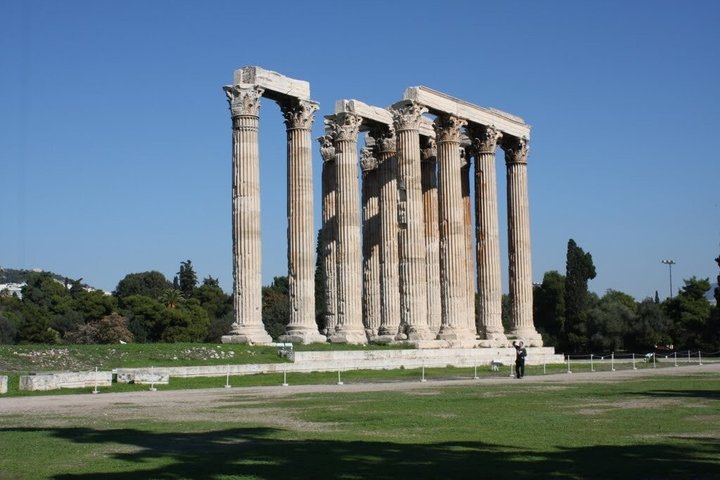
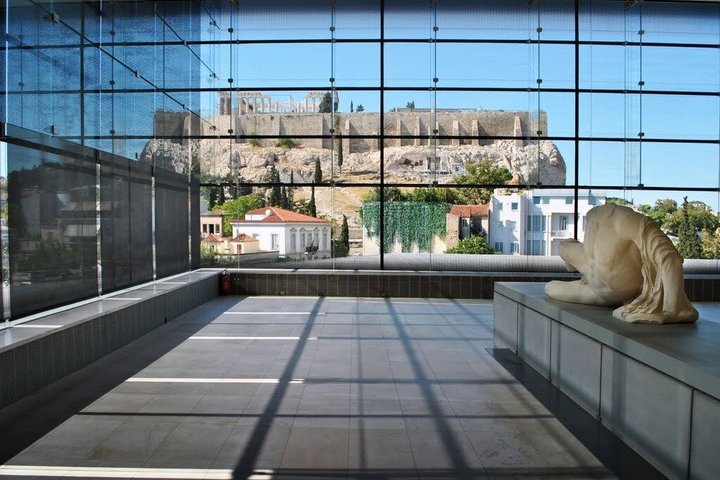
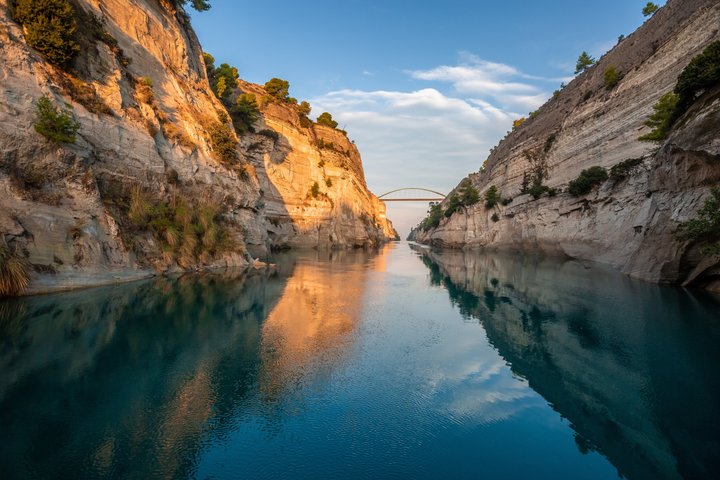
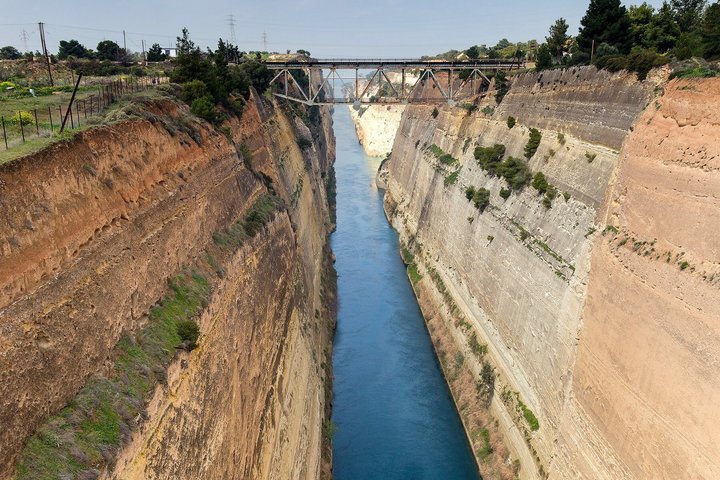
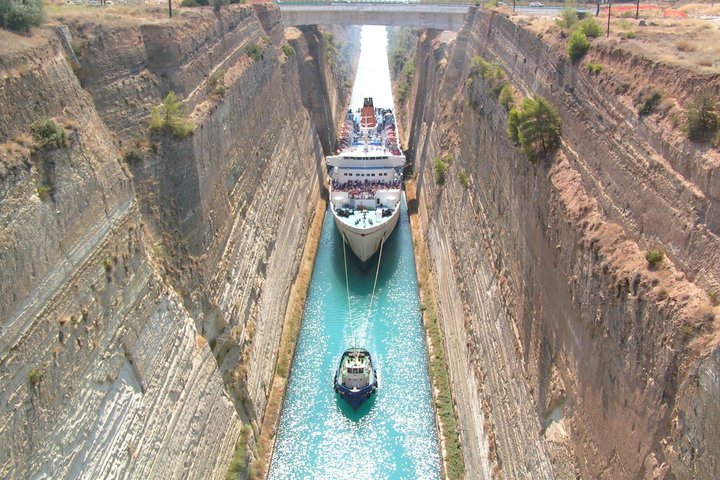
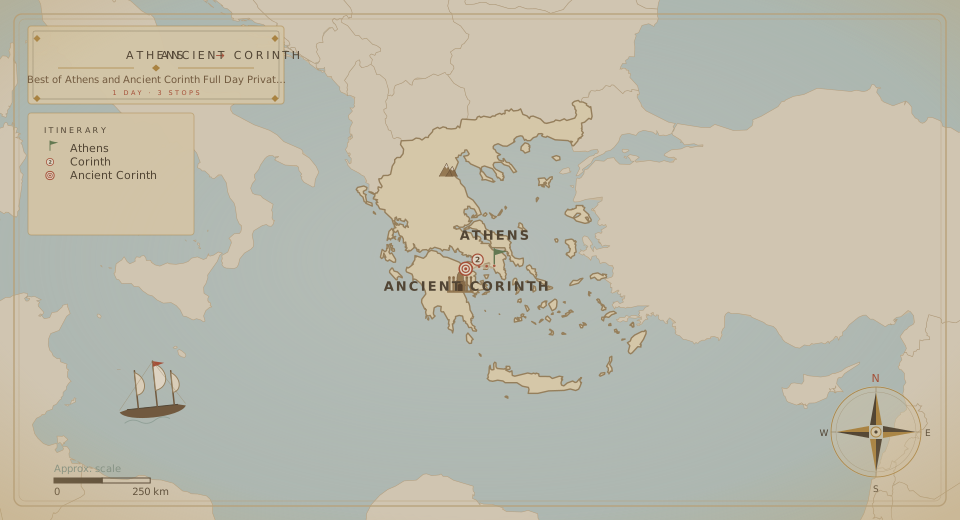
Walk on the land in which thousands of years ago some of the largest and most important parts of the global philosophy, politics, and science were born and flourished. Navigate ancient monuments of priceless cultural and historical value and experience in person the greatness and glamour of Greek ancient times. Starting off with the Acropolis, which in Greek translates to the edge of the city, the geographically and spiritually highest point according to ancient Greeks.The Propylaea was the monumental gateway to the Acropolis of Athens and was one of several public works commissioned by the Athenian leader Pericles in order to rebuild the Acropolis a generation after the conclusion of the Persian Wars.An architectural jewel that hosts the best of what the human spirit and genius has ever conceived, an open embrace that awaits its famed sister marbles to welcome them home again.The Erechtheion is an ancient Greek temple on the north side of the Acropolis of Athens in Greece which was dedicated to both Athena and Poseidon.The Temple of Athena Nike is a temple on the Acropolis of Athens, dedicated to the goddesses Athena and Nike. Built around 420 BC, the temple is the earliest fully Ionic temple on the Acropolis. It has a prominent position on a steep bastion at the southwest corner of the Acropolis to the right of the entrance, the Propylaea. In contrast to the Acropolis proper, a walled sanctuary entered through the Propylaea, the Victory Sanctuary was open, entered from the Propylaea's southwest wing and from a narrow stair on the north. The sheer walls of its bastion were protected on the north, west, and south by the Nike Parapet, named for its frieze of Nikai celebrating victory and sacrificing to their patroness, Athena and Nike.The Theatre of Dionysus is an ancient Greek theatre in Athens. It is built on the south slope of the Acropolis hill, originally part of the sanctuary of Dionysus Eleuthereus. The first orchestra terrace was constructed on the site around the mid- to late-sixth century BC, where it hosted the City Dionysia. The theatre reached its fullest extent in the fourth century BC under the epistates of Lycurgus when it would have had a capacity of up to 17,000, and was in continuous use down to the Roman period. The theatre then fell into decay in the Byzantine era and was not identified, excavated, and restored to its current condition until the nineteenth century.The Odeon of Herodes Atticus is a stone Roman theater structure located on the southwest slope of the Acropolis of Athens. The building was completed in 161 AD and then renovated in 1950.At the foot of the Acropolis Hill in the shadow of the imposing Parthenon lays a modern jewel that houses some of the most important ancient Greek statues and works of art, the Acropolis Museum.The Arch of Hadrian, most commonly known in Greek as Hadrian's Gate, is a monumental gateway resembling a Roman triumphal arch. It spanned an ancient road from the center of Athens, Greece, to the complex of structures on the eastern side of the city that included the Temple of Olympian Zeus.Between the Acropolis and the Ilisos River are the remains of the Olympian Zeus Temple (now known as the Pillars of Olympian Zeus), one of Athens’ most important and oldest shrines. The space even today gives the visitor a sense of grandeur.Continuing with the stunning Calimarmaro or as it is called today, the Panathenaic Stadium, the house of the first modern Olympic games, made of Pentelic marble in which the Olympic ideals are still reflected today.After leaving the beautiful Calimarmaro behind us, we will drive up to Lycabettus hill where you will enjoy the beautiful panoramic view of the city and admire the combination of ancient and modern Athens from above.Syntagma Square (Constitution Square) is the central square of Athens. The square is named after the Constitution that Otto, the first King of Greece, was obliged to grant after a popular and military uprising on 3 September 1843.[2] It is located in front of the 19th century Old Royal Palace, housing the Greek Parliament since 1934. Syntagma Square is the most important square of modern Athens from both a historical and social point of view, at the heart of commercial activity and Greek politics. The name Syntagma alone also refers to the neighbourhood surrounding the square.View of the national guards and the monument of the unknown soldier. Quick stop for a photo.The Tomb of the Unknown Soldier is a war memorial located in Syntagma Square in Athens, in front of the Old Royal Palace. It is a cenotaph dedicated to the Greek soldiers killed during war. It was sculpted between 1930 and 1932 by sculptor Fokion Rok. The tomb is guarded by the Evzones of the Presidential Guard.The Academy of Athens is Greece's national academy and the highest research establishment in the country. It was established in 1926 and operates under the supervision of the Ministry of Education. The Academy's main building is one of the major landmarks of Athens.The National Library of Greece is situated near the center of the city of Athens. It was designed by the Danish architect Theophil Freiherr von Hansen, as part of his famous Trilogy of neo-classical buildings including the Academy of Athens and the original building of the Athens University. It was founded by Ioannis Kapodistrias.The Old Parliament House at Stadiou Street in Athens housed the Greek Parliament between 1875 and 1935. It now houses the country's National Historical Museum.The old historical neighborhood of Athens, clustered around the northern and eastern slopes of the Acropolis, and incorporating labyrinthine streets and neoclassical architecture. Plaka is built on top of the residential areas of the ancient town of Athens. It is known as the "Neighborhood of the Gods" due to its proximity to the Acropolis and its many archaeological sites.The Corinth Canal connects the Gulf of Corinth in the Ionian Sea with the Saronic Gulf in the Aegean Sea. It cuts through the narrow Isthmus of Corinth and separates the Peloponnese from the Greek mainland, arguably making the peninsula an island. The canal was dug through the isthmus at sea level and has no locks. It is 6.4 kilometres (4 mi) in length and only 21.4 metres (70 ft) wide at its base, making it impassable for many modern ships. From high up, you can enjoy the best view of Corinth's isthmus and admire the steep limestone walls while you observe the vessels below you navigate their way through the canal.Corinth was a city-state on the Isthmus of Corinth, the narrow stretch of land that joins the Peloponnese to the mainland of Greece, roughly halfway between Athens and Sparta. The modern city of Corinth is located approximately 5 kilometres (3.1 mi) northeast of the ancient ruins. For Christians, Corinth is well known from the two letters of Saint Paul in the New Testament, First and Second Corinthians. Corinth is also mentioned in the Acts of the Apostles as part of Paul the Apostle's missionary travels. In addition, the second book of Pausanias' Description of Greece is devoted to Corinth. Ancient Corinth was one of the largest and most important cities of Greece, with a population of 90,000 in 400 BC. The Romans demolished Corinth in 146 BC, built a new city in its place in 44 BC, and later made it the provincial capital of Greece.The Archaeological Museum of Ancient Corinth was constructed between 1931-1932, with intentions to display the numerous recent archaeological excavations. The museum is located within the archaeological site of Ancient Corinth, Greece, and lies under the jurisdiction of the 37th Ephoreia of the Greek Archaeological Service. Key aspects of the Archaeological site of Ancient Corinth include: • Hadgimoustafa spring • Lechaion Road • Basilica • Fountain of Peirene • Stoa • Agora • Odien • Other temples • TheatreThe Temple of Apollo at Corinth was constructed in 550 BC.Acrocorinth, "Upper Corinth", the acropolis of ancient Corinth, is a monolithic rock overseeing the ancient city of Corinth, Greece. With its secure water supply, Acrocorinth's fortress was repeatedly used as a last line of defense in southern Greece because it commanded the Isthmus of Corinth, repelling foes from entry by land into the Peloponnese peninsula.
Greece · Archaeology
Best of Athens and Ancient Corinth Full Day Private Tour
The journey
- 01 Private full-day tour of Athens and Ancient Corinth
- 02 Visit the Acropolis, including the Parthenon, Propylaea, Erechtheion, and Theatre of Dionysus
- 03 See the Acropolis Museum, Arch of Hadrian, Temple of Olympian Zeus, and Panathenaic Stadium
- 04 Enjoy panoramic city views from Lycabettus Hill
- 05 Watch the guards at the Tomb of the Unknown Soldier in Syntagma Square
- 06 Explore the historic neighborhood of Plaka
- 07 Stop at the Corinth Canal for dramatic views over the isthmus
- 08 Discover Ancient Corinth and its archaeological museum
Discover two of Greece’s most iconic historic destinations on this private full-day journey through Athens and Ancient Corinth. Explore the landmarks of classical Athens, from the Acropolis and its celebrated monuments to the Acropolis Museum, the Temple of Olympian Zeus, the Panathenaic Stadium, Syntagma Square, and the atmospheric streets of Plaka.
Then continue beyond the city to the Corinth Canal and Ancient Corinth, one of the most important city-states of the ancient world. With private transportation, a knowledgeable driver, and time to experience both famous sites and sweeping views, this tour offers a rich introduction to the history, culture, and legacy of Greece.
Walk on the land in which thousands of years ago some of the largest and most important parts of the global philosophy, politics, and science were born and flourished.
From the itinerary
At a glance
What this trip includes
Day by day
The itinerary
The route
Where you'll travel
The fine print
Trip details
What's Included
- Professional drivers with deep knowledge of history (not licensed to accompany you in any site)
- Hotel/ airport/ port pickup and drop-off
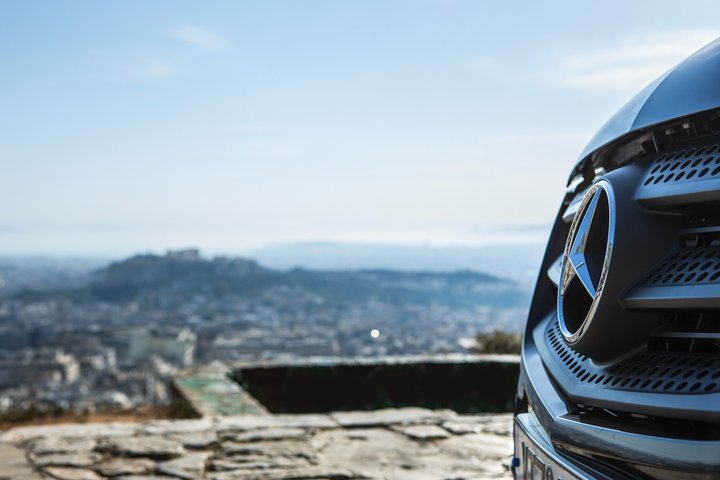
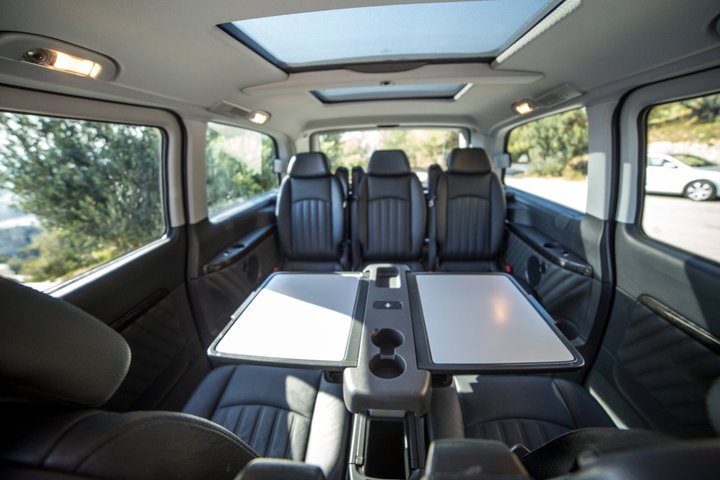
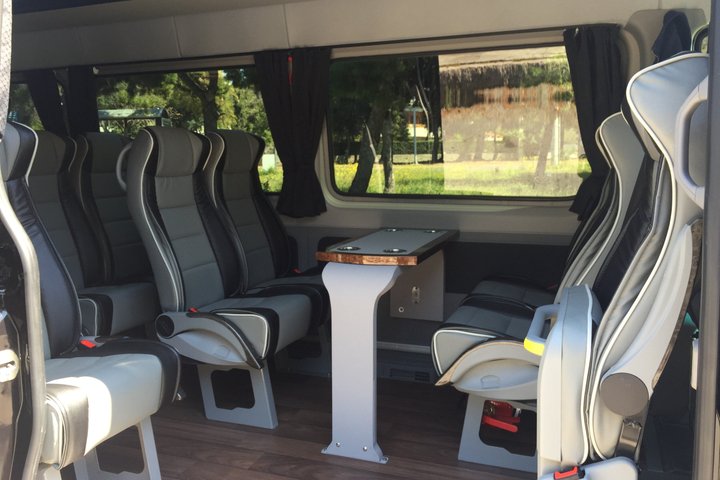
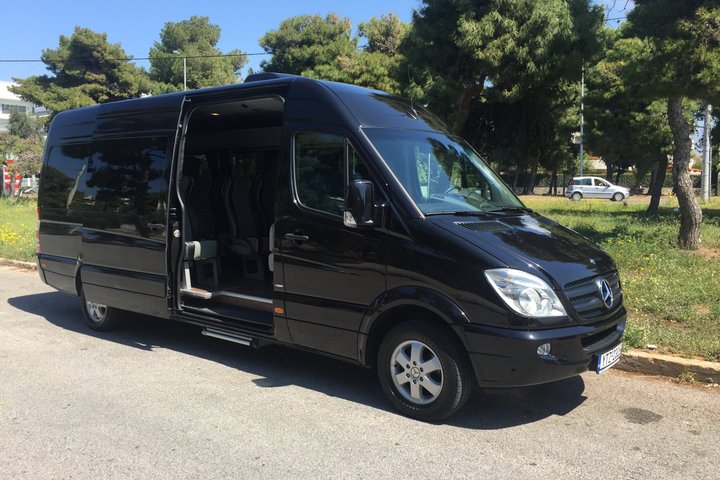
- Private transportation
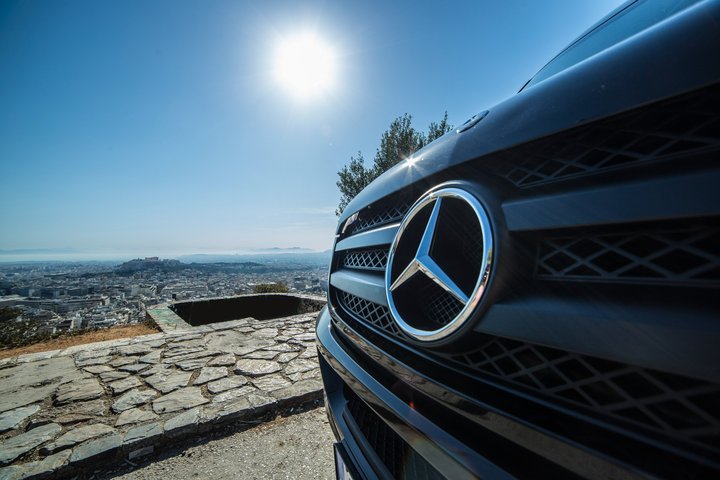
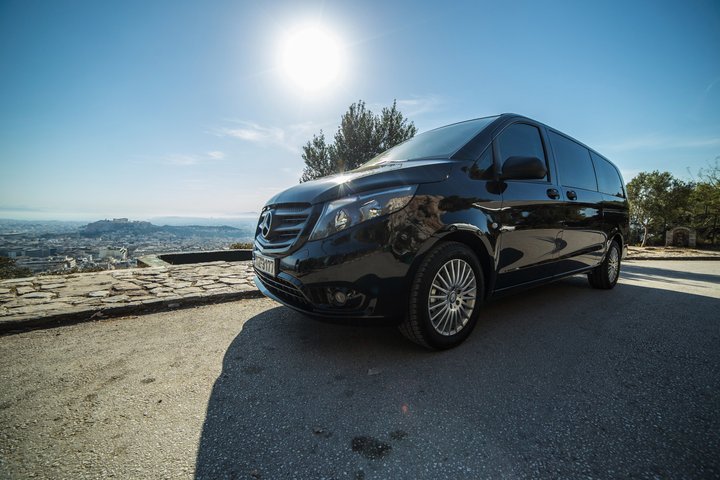
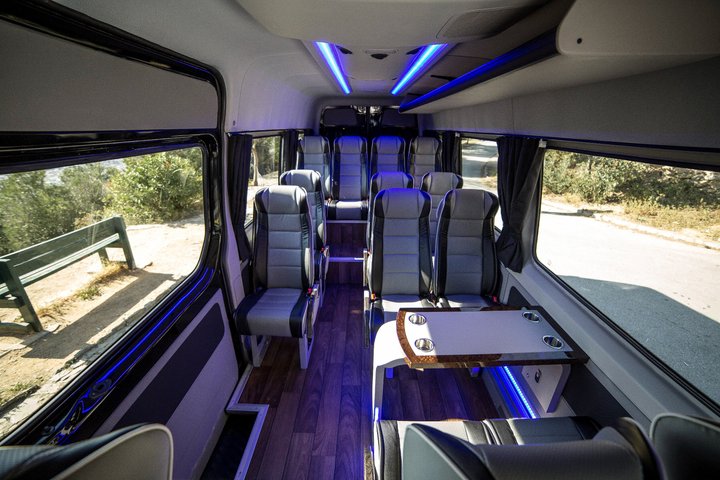
- Air-conditioned vehicle
- WiFi on board
- Bottled water
- Lunch (With Greek Traditional Food option)
What's Not Included
- Licensed tour guide (upon request and depending on availability)
- Entry or admission fees for archaeological sites
- Gratuities
- Acropolis (must be purchased in advance - limited availability)
- Acropolis Museum (must be purchased in advance - limited availability)
- Ancient Corinth & Archaeological Museum of Corinth (can be purchased on-site)
Know before you go
- WHEELCHAIR ACCESSIBLE
- STROLLER OR PRAM ACCESSIBLE
- ANIMALS OR PETS ALLOWED
- INFANT SEATS AVAILABLE
- No public transportation nearby
- Infants must not sit on laps
- Wheelchair accessible
- Our drivers are not official tour guides, but they are knowledgeable and can provide fascinating commentary in fluent English. Although they will not enter the archaeological sites with you, they can answer all of your questions about the places you visit with this tour.
- Third party activities and especially extreme sports are not allowed during the tour. This can be a cause for immediate cancellation of the tour.
- We can provide you with the skip-the-line tickets for the Acropolis and the Acropolis Museum upon request or you can pre-purchase them by following the links on your ticket/ voucher. The availability is limited and these tickets must be pre-purchased timely.
- Acropolis
This is the most important ticket to purchase in advance, as availability is limited. Please select the time slot that follows the start time of your tour.
Acropolis Museum
This is also important to be purchased in advance, as availability is limited. Please select the time slot that follows the Acropolis & Slopes time slot. - This is a private tour. Only your group will participate. The pick-up time is adjustable upon your request. Your personal driver will pick you up and return you to the same place or to the point you prefer.
In case of a hotel, he will be waiting for you in the hotel lobby.
In case of an apartment, he will be waiting for you at the entrance of the building.
For airport pick up, he will be waiting for you at the arrival hall holding a sign with your name on it to spot him upon arrival. We will track your flight and our driver will be there on time.
For port pick up, he will be waiting for you at the gate, just as you disembark, holding a sign with your name on it to spot him upon arrival.
Logistics
Meeting & route
Your 9 hours finish where they began, in Pickup service provided in Athens..
 Watch the film
Create your own adventure
Can't find the perfect tour? Tailor your dream trip.
- Tell us your destination, dates and group size.
- Our travel experts and local guides design a tailored itinerary, just for you.
- Enjoy your trip with peace of mind, knowing everything is taken care of.
Say goodbye to travel stress.