
Gdansk
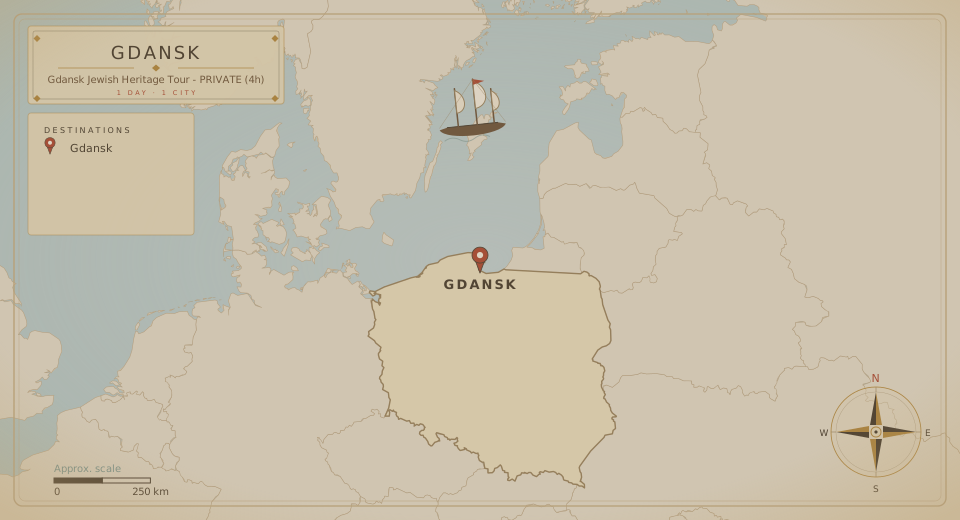
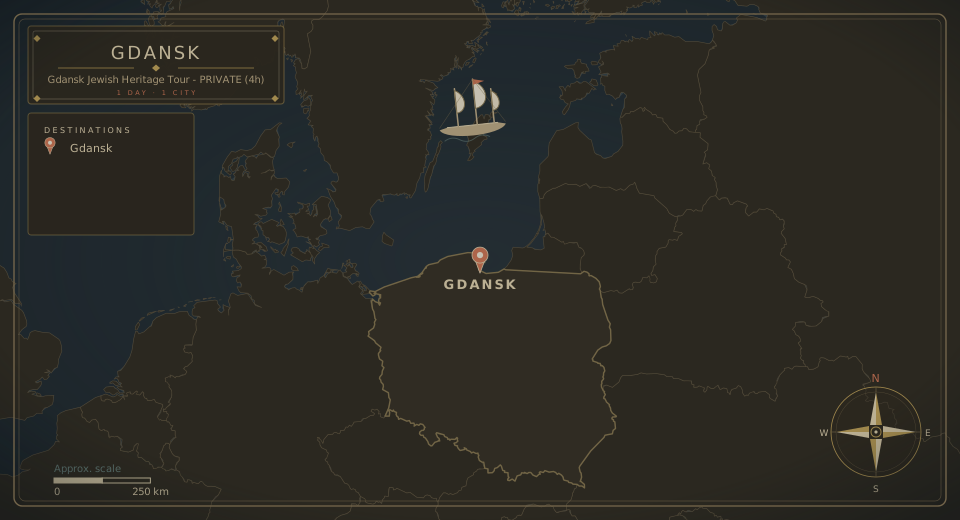
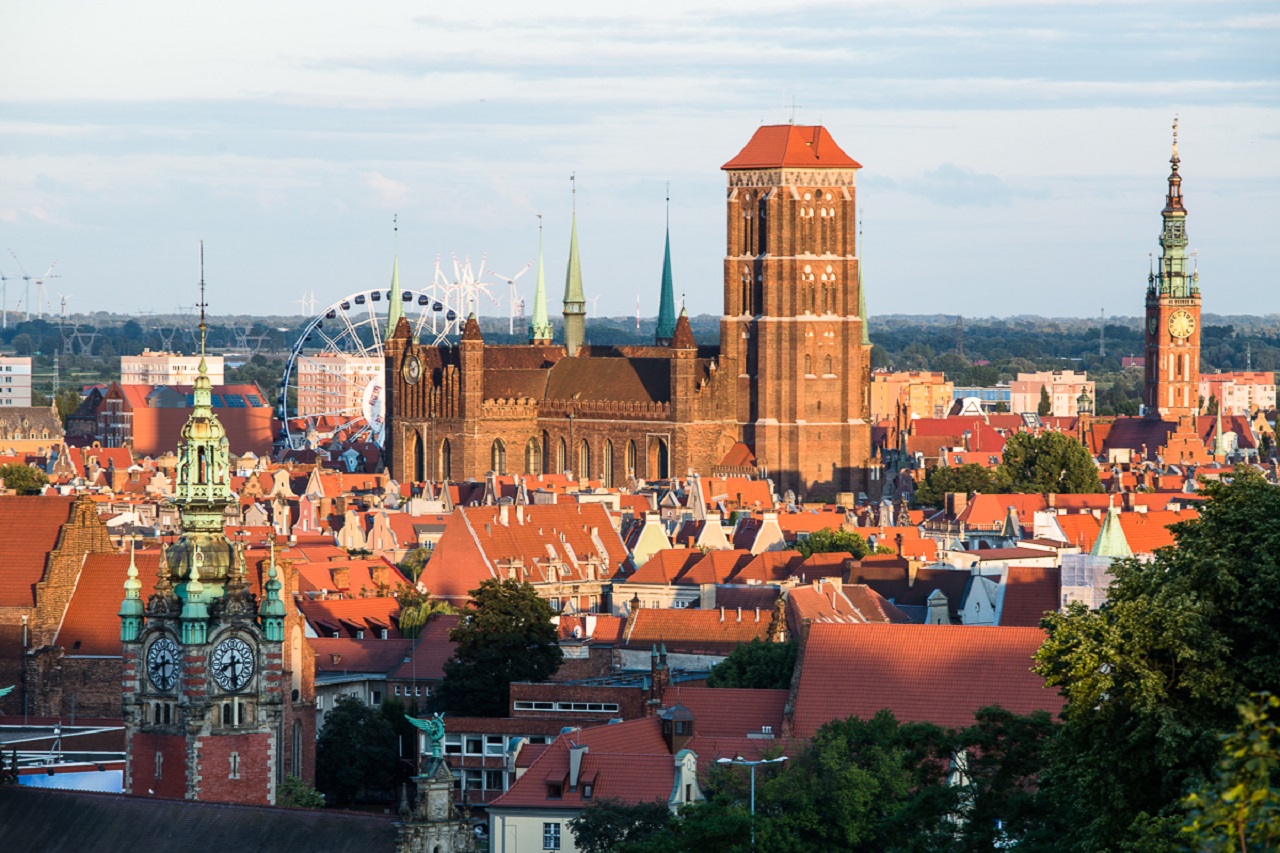
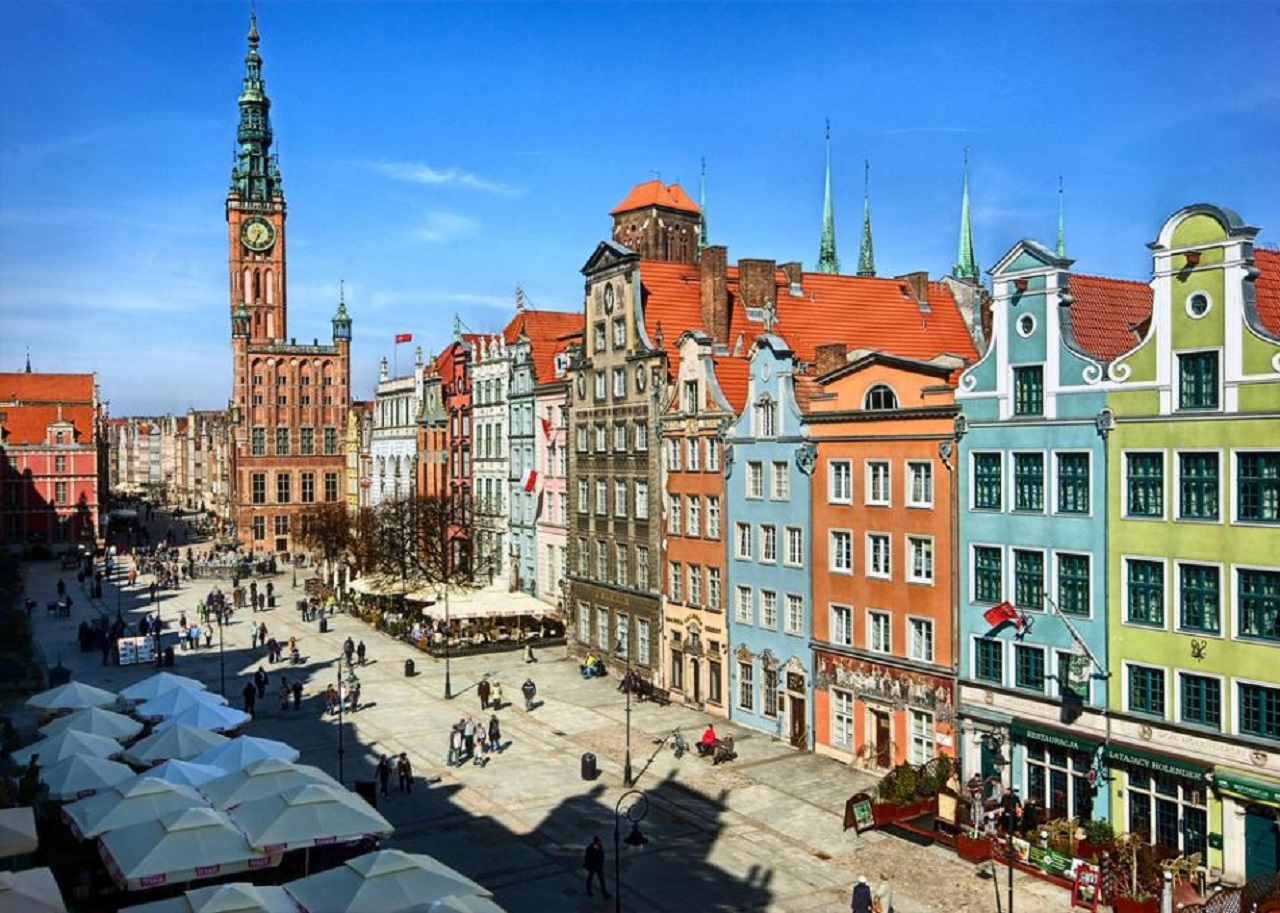
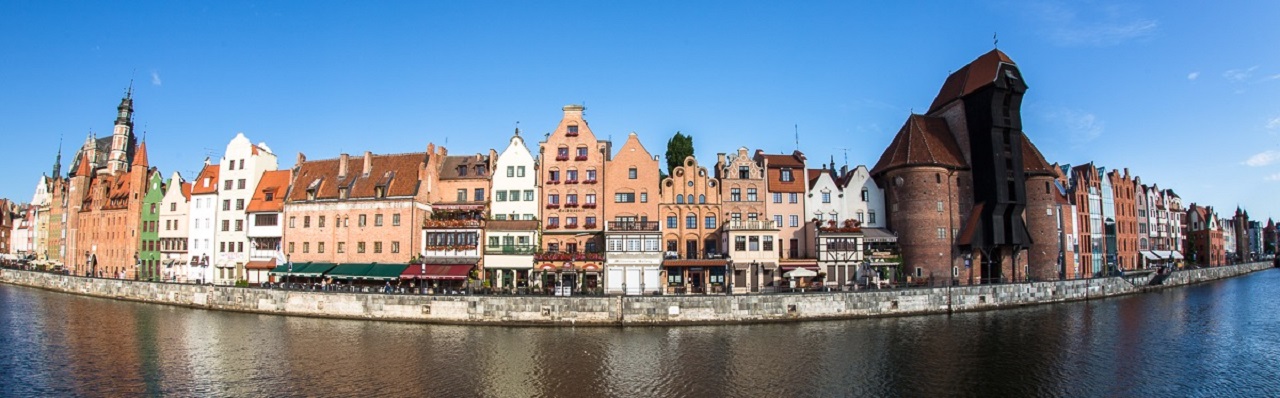
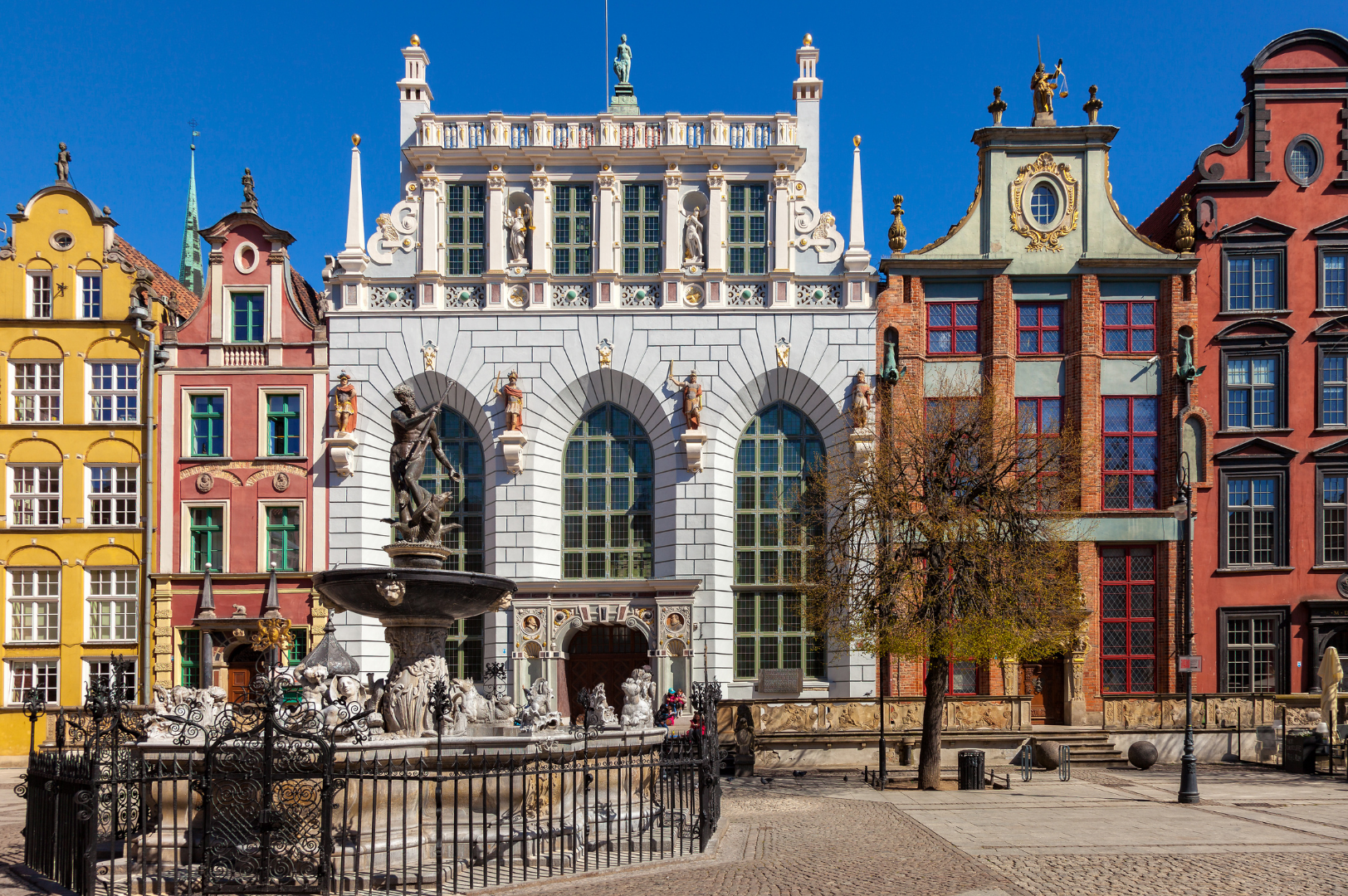
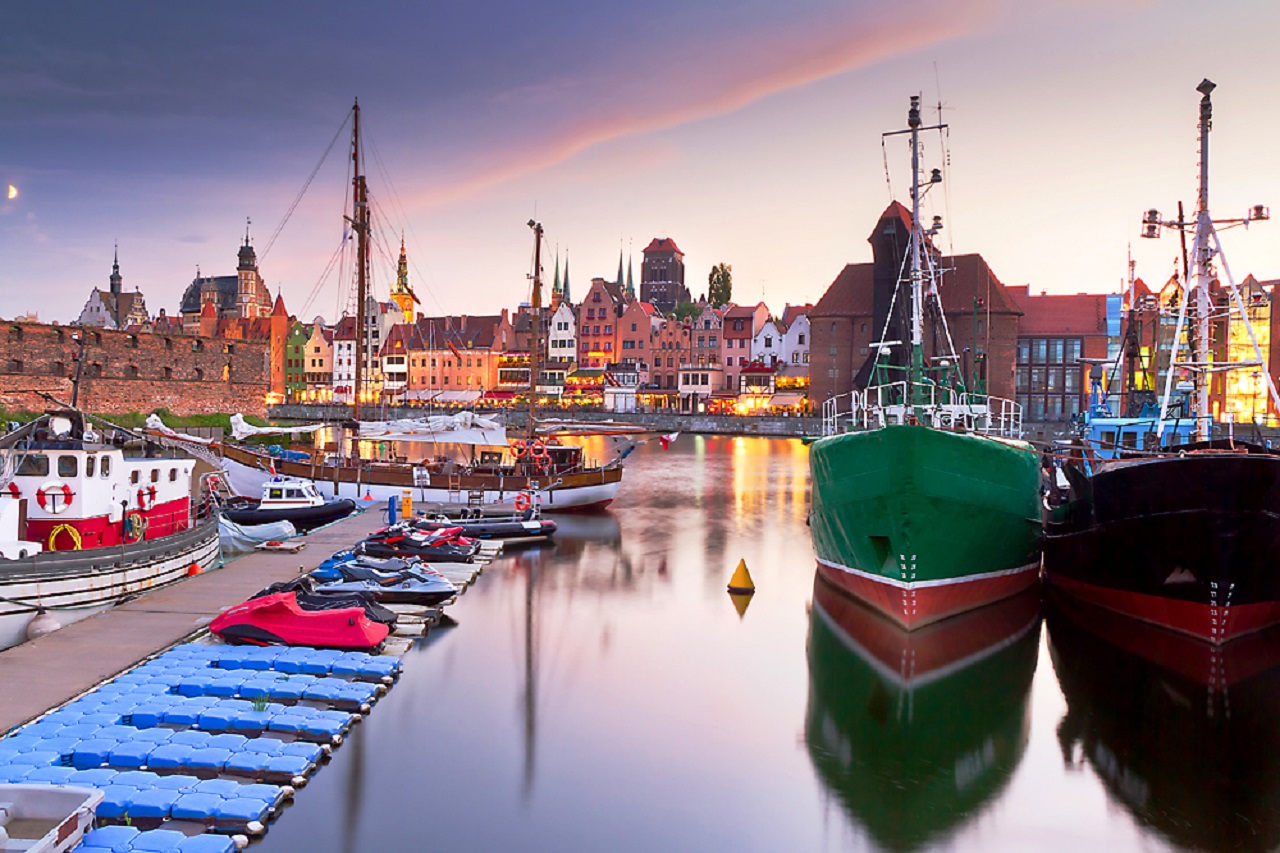
Gdansk is a city on the Baltic coast of northern Poland Gdańsk is the capital and largest city of the Pomeranian province and one of the most prominent cities within the cultural and geographical region of Kashubia. It is Poland's principal seaport and the centre of the country's fourth-largest metropolitan area together with Gdynia and Sopot, with a population approaching 1.4 million.
The Great Synagogue
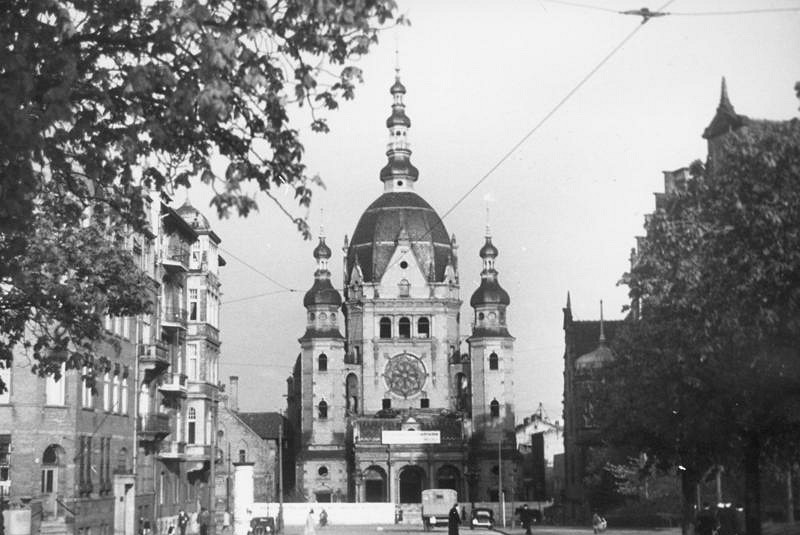
One of the characteristic elements of the panorama of Gdansk at the turn of the 19th and the 20th century was the giant dome of The Great Synagogue. It was built by Ende & Böckmann company of Berlin. It rapidly became a cultural centre for the Jews of Gdansk. The Jewish community in those times numbered about 3000 people, constituting 2.5 % of the city’s population. There had been other synagogues in Gdansk before, but none of them was as big and outstanding as that one. The Great Synagogue shared the fate of the community it served and along with it disappeared from the scene of Gdansk in 1939. Having avoided devastation during the “ Cristal Night” in 1938, it was bought by the Nazi authorities of Gdansk and pulled down before the war started. The area where it was located is to become the site of the Shakespearean Theatre, which is to be the embodiment of the long promoted aim of the Theatrum Gedanense Foundation – to bring back the tradition of staging Shakespeare’s plays which used to be performed in Gdansk by English actors of the 16th century.
The Kindertransport Monument
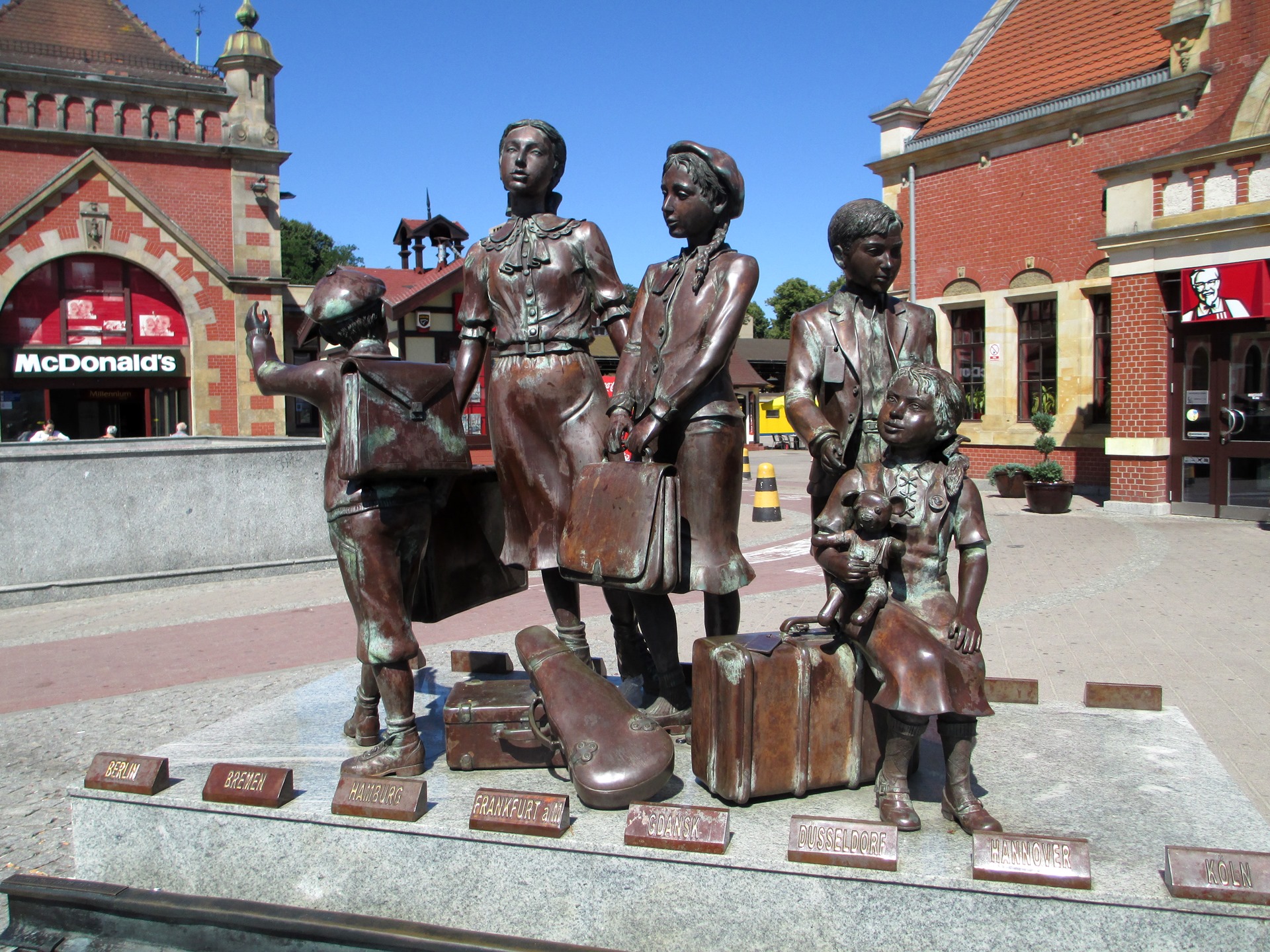
The monument commemorates the transports of Jewish children from Germany and other territories occupied by Germany to the United Kingdom, whose government agreed to admit an unlimited number of children. By September 1, 1939, when the final transport arrived, over 10,000 children had been taken, including some 100 from Gdansk. The bronze monument depicts five children of different ages standing on a platform right before the train leaves.
New Synagogue
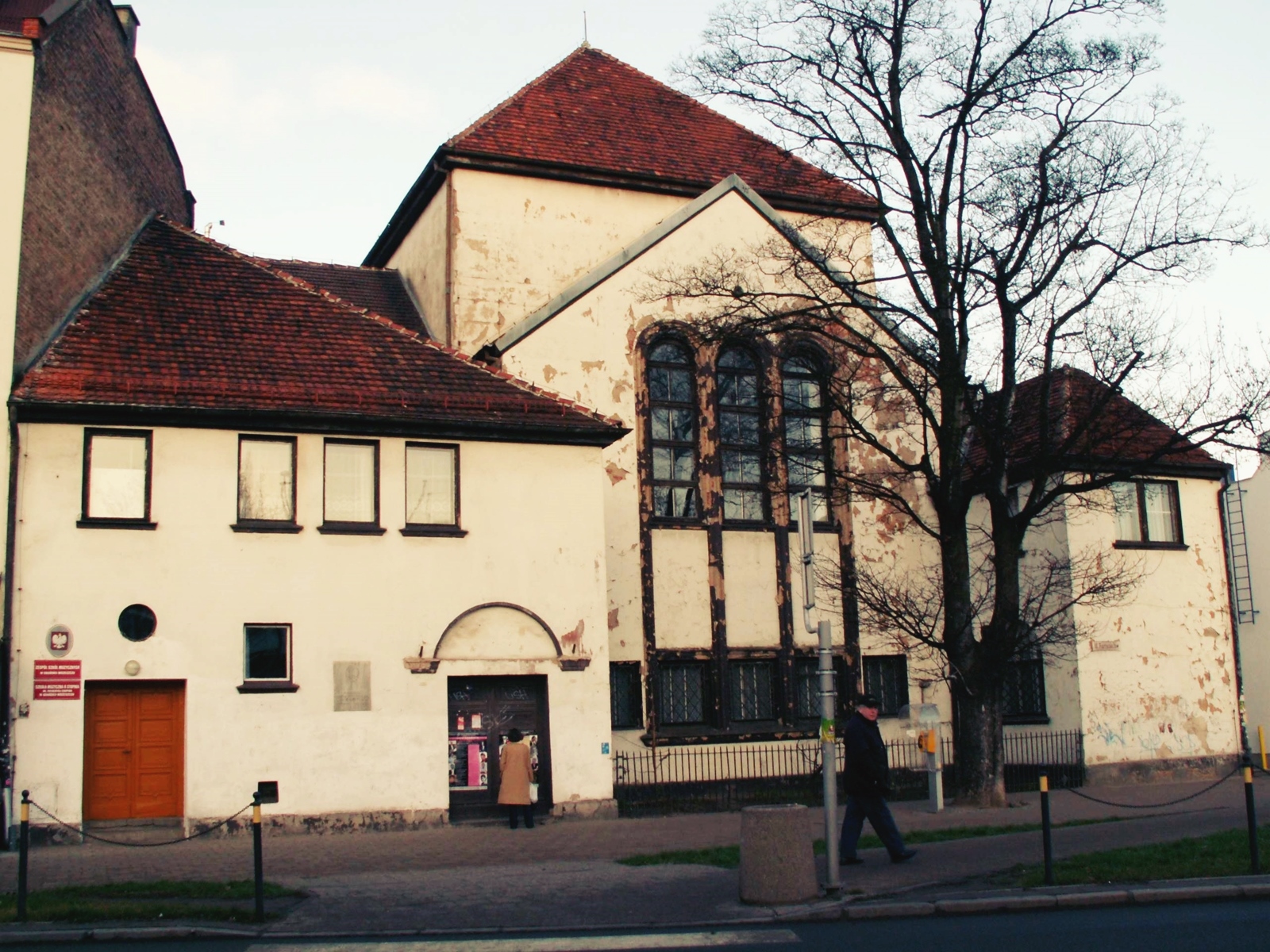
Built in 1927 by the Berlin architects Imberg and Friedman and opened formally with the bringing in of the Torah on September 25 of the same year, Gdansk's New Synagogue in the district of Wrzeszcz, was primarily used by Jewish refugees from Russia and Wielkopolska, but also served a small number of Gdansk Jews as well. Damaged by the Nazis on 'Kristallnacht' (November 1938), the Jewish community sold the property to the city of Danzig in a bid to stave off further destruction. Although it was promptly turned into a furniture warehouse, the ploy did save the building from the fiery fate suffered by most of the region’s synagogues. Amazingly the Torah scrolls survived the war and it was handed back to Gdansk’s surviving Jewish population following the war. Today, it serves as a base for the Jewish Community and along with a small prayer room, there is a small but fascinating exhibition dedicated to the history of Jews in 20th century Gdansk.