
Jews in Wroclaw
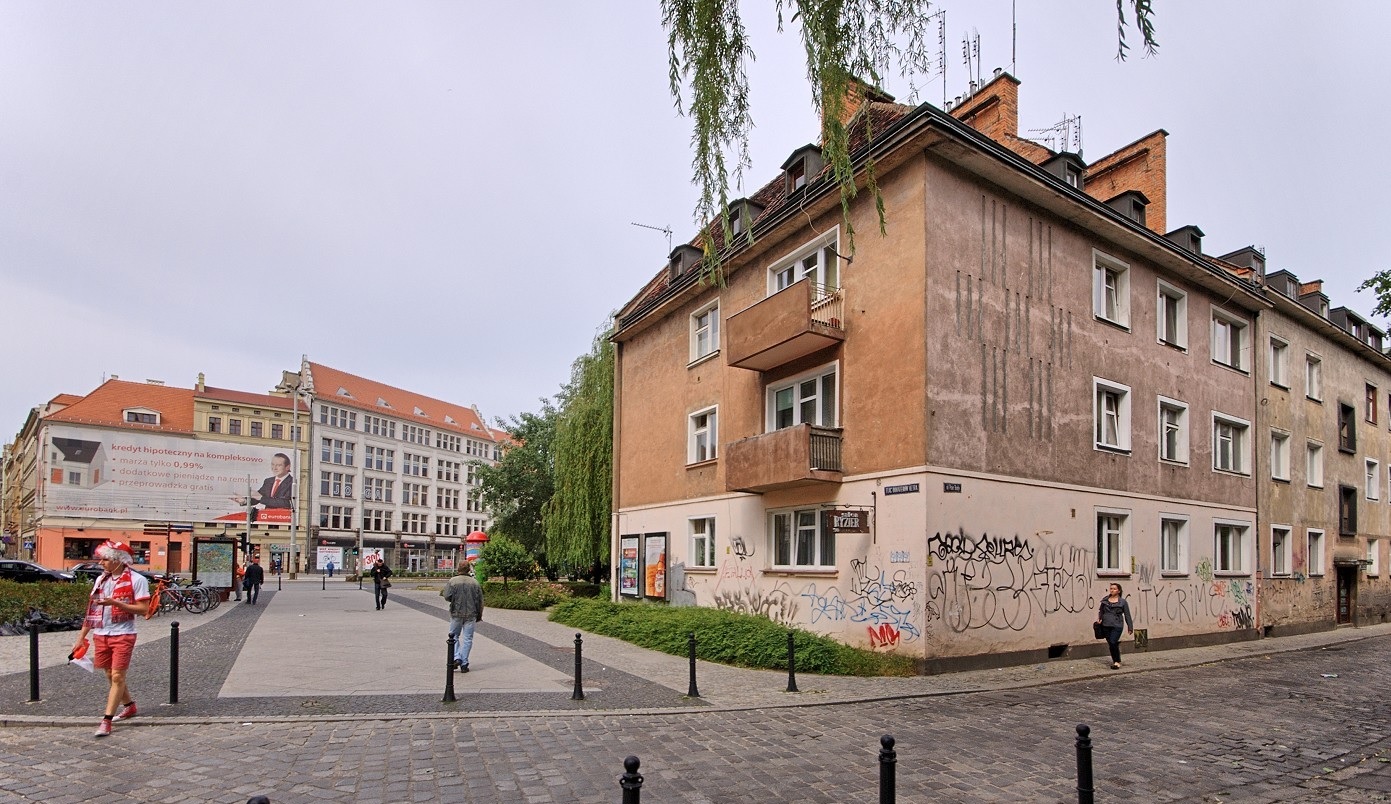
With more than 800 years of its history, the Jewish community in Wrocław have experienced both harmony and moments of tragedy. In the 13th century, the followers of Judaism were under the jurisdiction of local dukes, who gave a guarantee to protect their personal safety as well as the safety of their property and their cemeteries. Concurrently, Church authorities were trying to restrict the rights of the Jewish community. In 1267, the clergy forced the Jews of Wrocław into a ghetto in the area of today's ul Uniwersytecka, Kuźnicza, Nożownicza, Św. Barbary and Więzienna. Its inhabitants primarily dealt in trade and crafts, but there were also bakers and butchers in the neighbourhood.
In the 14th century, Wroclaw saw first pogroms against its Jewish community, their safety and quality of life on the wane. In 1453, the Franciscan preacher John of Capistrano arrived in Wroclaw. He accused the Jews of sacrilege. Forty-one Jews were burnt at the stake as a result while others had their property confiscated and were exiled from the city. Two years later, Vladislaus II of Bohemia and Hungary prohibited the Jews to settle in the capital of Lower Silesia.
For more than two hundred years, the Jews would visit Wrocław only occasionally, e.g. during large fairs. They returned for good in 1657. In 1772, the Jewish community in Wrocław counted 775 members.
Jewish Theological Seminar
A watershed for the Jews in Wrocław came in 1812, when the Emancipation Act was passed that granted equal rights to all ethnic communities in the Kingdom of Prussia. The 19th century marks the golden age in the history of Wrocław Jews. A large number of institutions, companies, department stores and banks were established at the time. Many Jewish residents joined the social elite of Wroclaw as they became university professors, doctors, lawyers, bankers, civil servants, architects and artists.
W 1854, in then Wallsttrasse (todays's Włodkowica; the area of today's Włodkowica, Ruska, Św. Antoniego and Krupnicza was primarily inhabited by the Jews) the Jewish Theological Seminar was established on the initiative of Rabbi Abraham Geiger. The school provided schooling to prospective rabbis, and was also one of the centres for modern and liberal Judaism.
Kristallnacht and the Holocaust
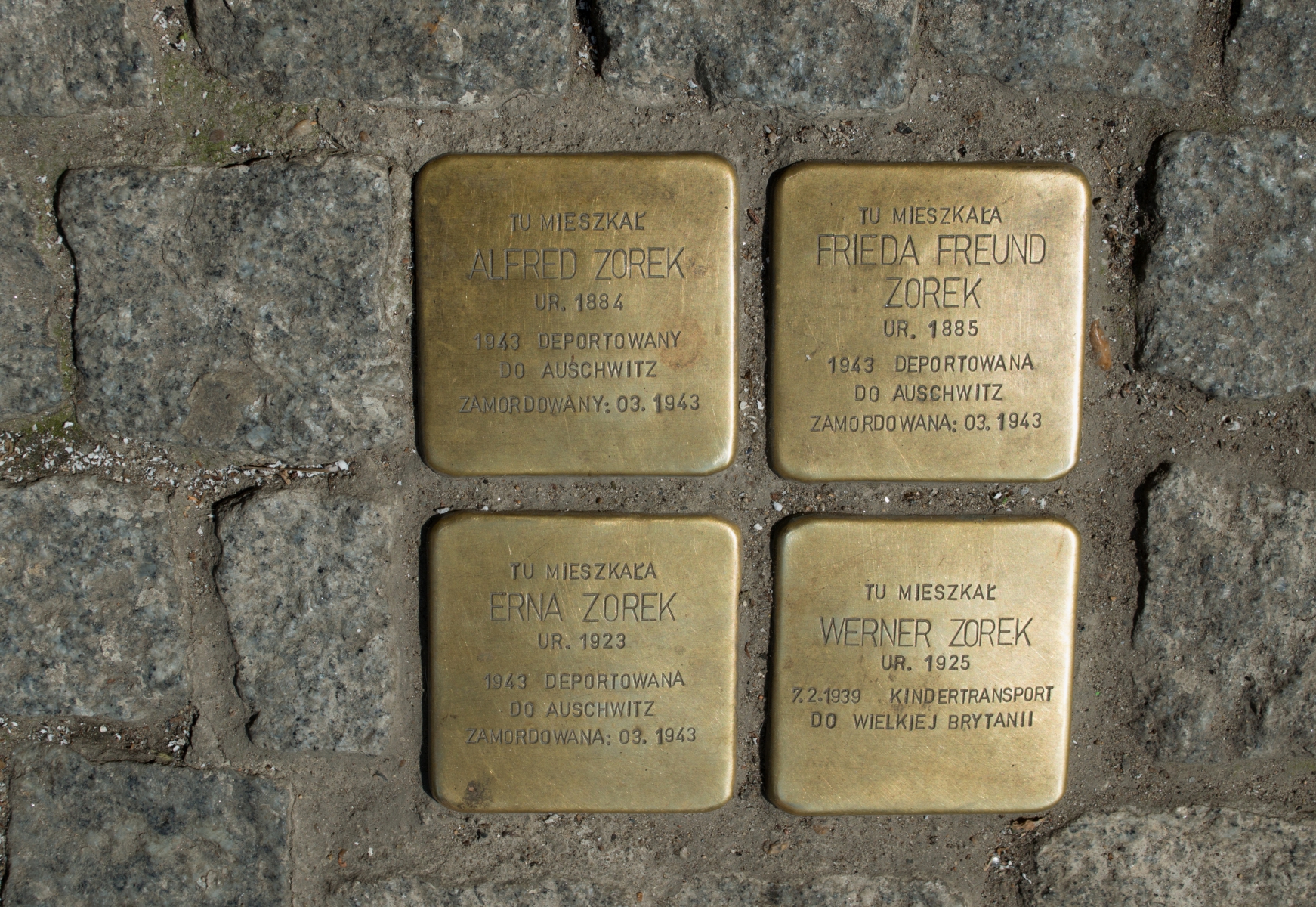
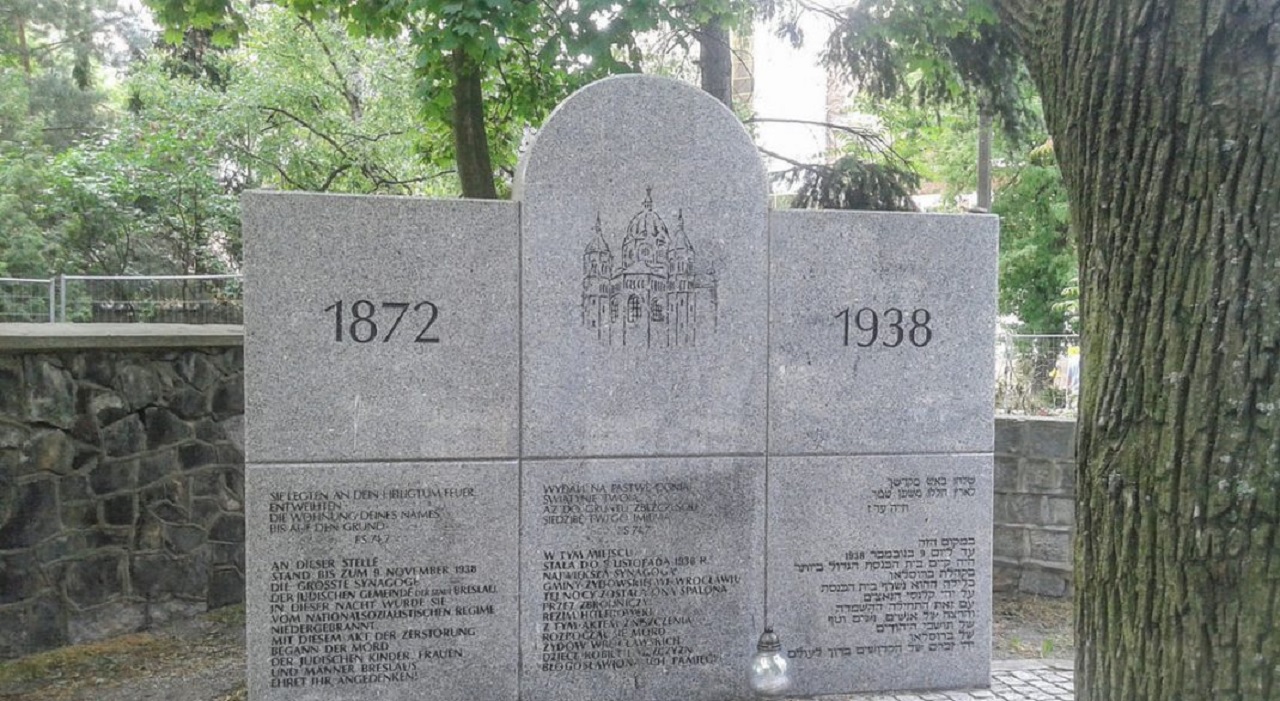
In 1933, Wrocław was inhabited by over 20 thousand Jews. After Adolf Hitler's rise to power, many Jewish residents decided to emigrate, especially in the wake of the Kristallnacht. In November 1938, the New Synagogue was destroyed in a fire, while hundreds of Jewish residents were imprisoned. Between 1941 and 1944, the majority of Jewish residents of Wrocław were transferred to death and concentration camps.
White Stork Synagogue
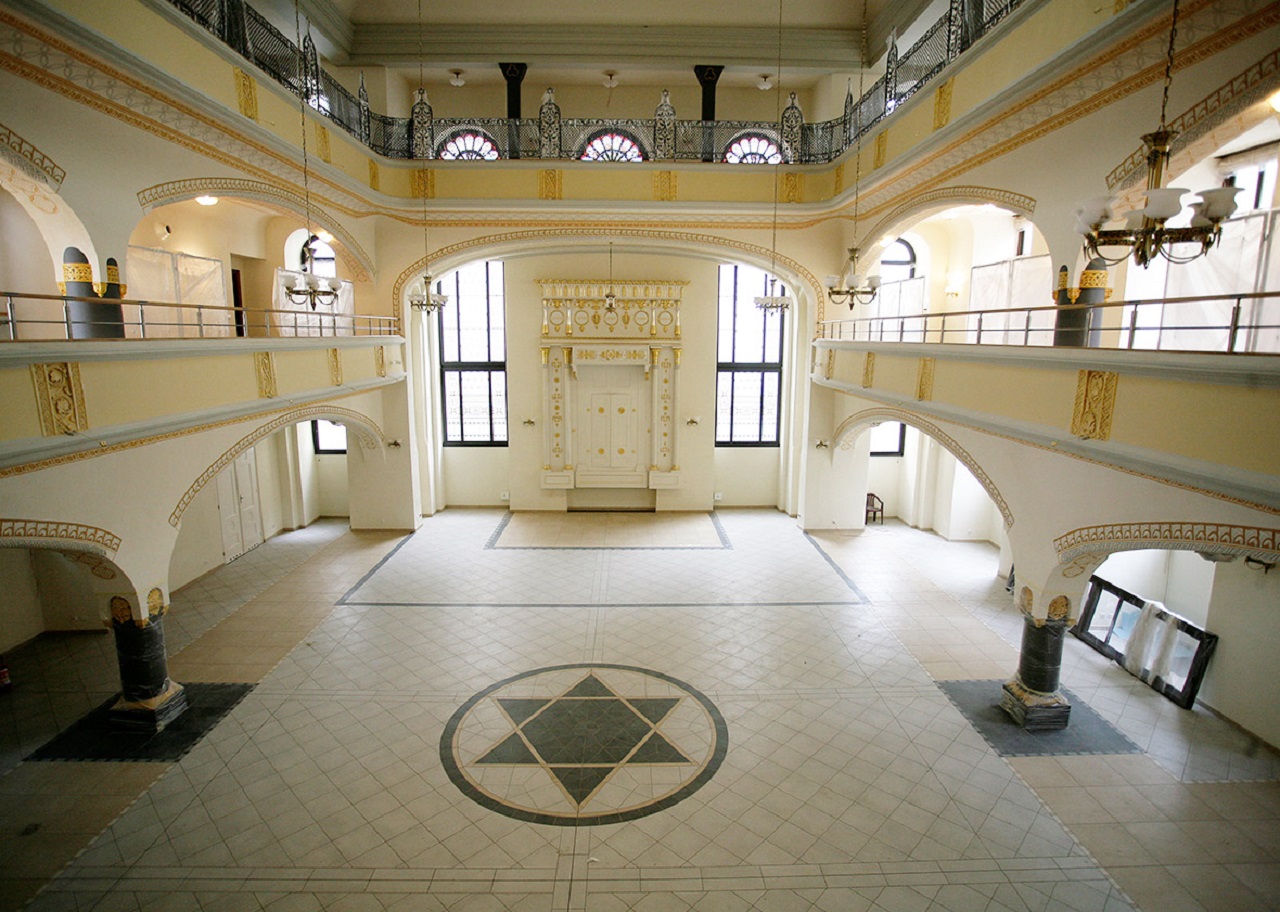
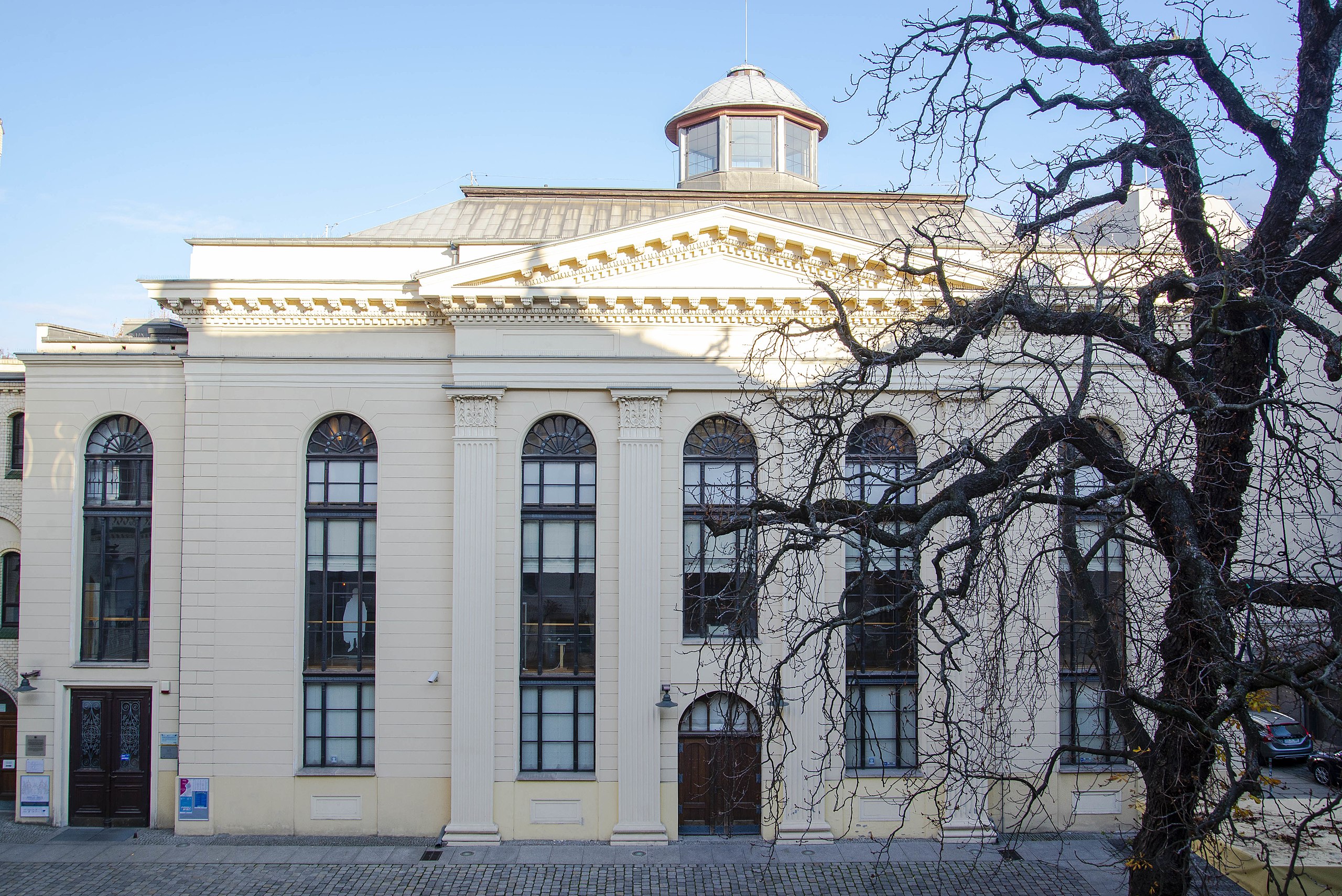
The White Stork Synagogue is a 19th century synagogue located in the Quarter of Mutual Respect. Following the design of prominent German architect Karl Ferdinand Langhans, it is ironically considered a sterling example of 19th century Protestant sacral art. The Synagogue now serves as a museum with a permanent exhibition on the history of Jews in Wrocław, a place of worship and cultural center.
Old Jewish Cemetery, Museum of Funerary Art
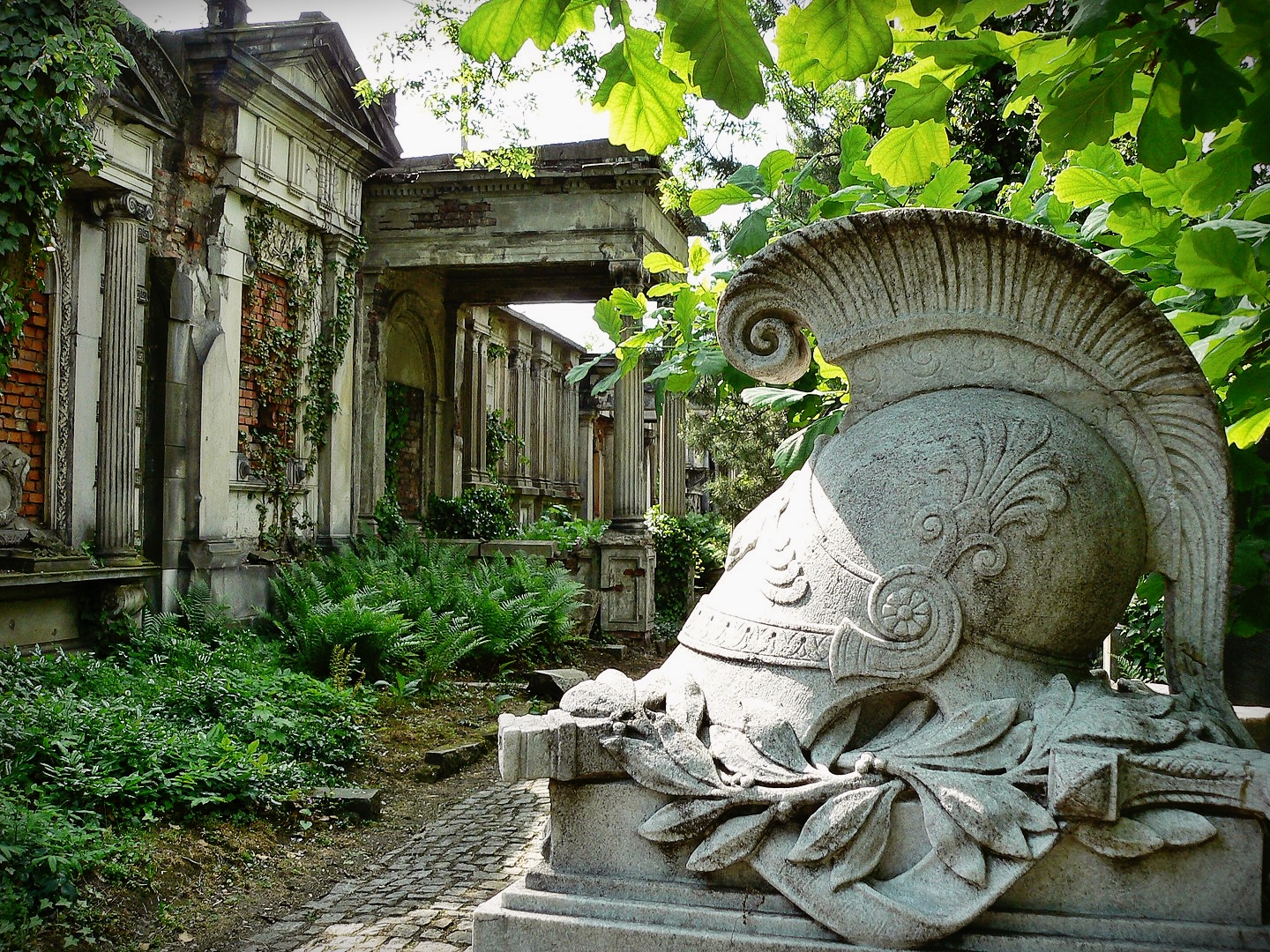
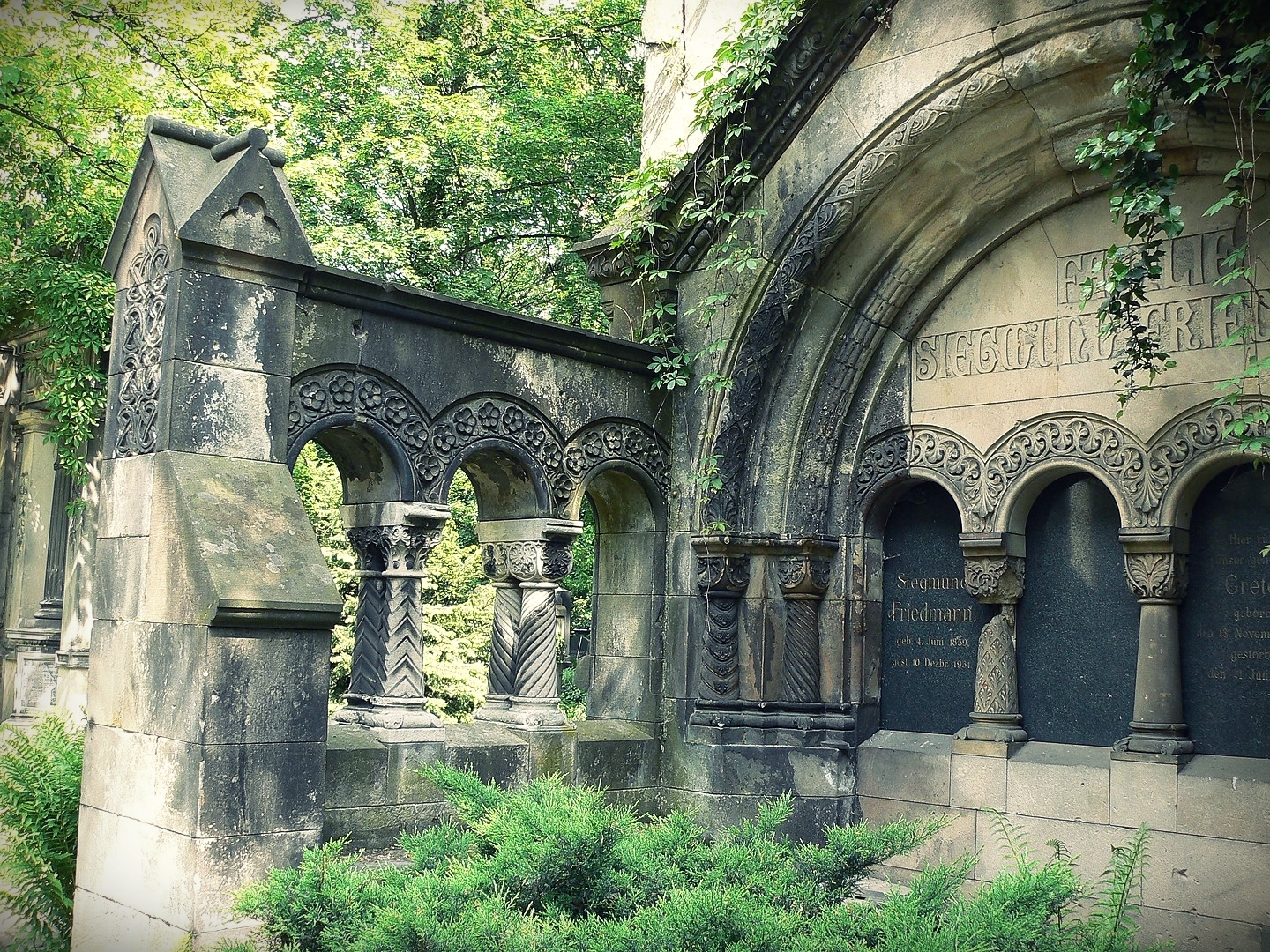
The cemetery in ul Ślężna serves as a burial ground for a variety of eminent figures, including physicians, scientists, social activists and artists.
Over the years, the graves and tombstones underwent a metamorphosis as traditional and densely packed matzevot were supplanted by formally daring and monumental family tombstones. The former are inspired by a variety of styles throughout the centuries, including the Antiquity, the Middle Ages, Art Nouveau and Modernism. Their symbolism, both religious and secular in nature, is equally opulent.
In 1991, the necropolis was incorporated into into the Museum of Funerary Art, a branch of the Wrocław City Museum.
The Barasch brothers’ department store
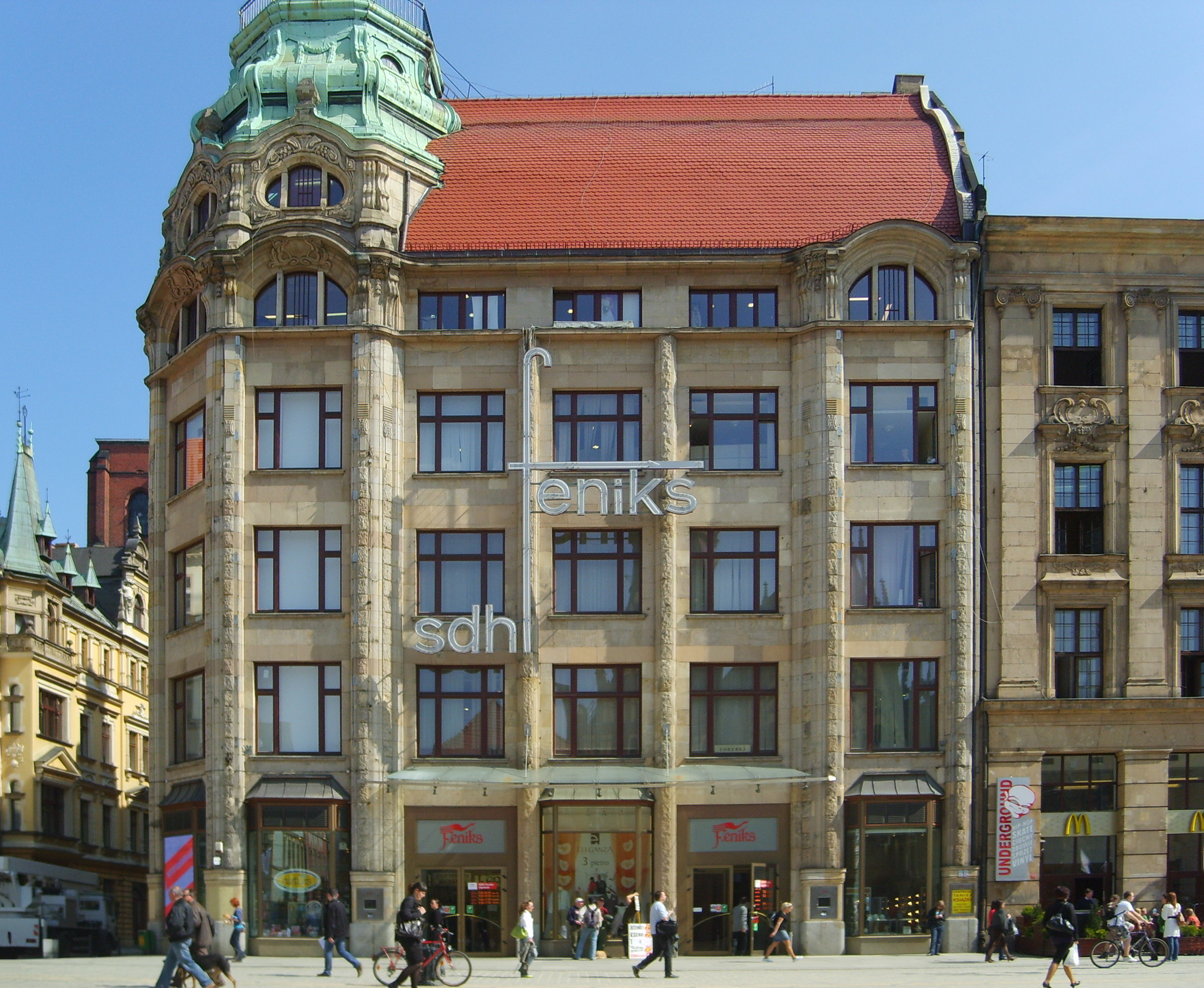
The Barasch brothers’ department store (now Feniks) was opened in 1904. The unusually large, functional and majestic building was the ornament of the Market Square. The brothers Artur and Georg Barasch were not born in Wrocław, but quickly joined the local elite. They owned a chain of stores all over Germany, then known as “temples of commerce”. Their department store, designed by Georg Schneider, underwent numerous renovations (including the reconstruction of the facade or the dismantling of a large illuminated globe that was damaged by lightning), but it remained one of the Art Nouveau gems in the city centre. Until the Wertheim department store was opened in 1929, the Barasch brothers’ department store in Wroclaw had no competition in terms of size. However, as a result of the Aryanization in 1936, Artur and Georg Barasch had to sell the building to non-Jewish tycoons. During the period of persecution, Georg Barasch managed to escape from the Nazis to Ecuador, while Artur Barasch ended up in Auschwitz, where he was murdered in 1942.
Rudolf Petersdorff’s department store
Rudolf Petersdorff’s department store(now Kameleon) was built in 1928 and was designed by Erich Mendelsohn, an outstanding German architect of Jewish origin. The interiors of the department store in a modernist style were arranged by the famous Wroclaw expressionist Heinrich Tischler. It was a great trade centre, which addressed its services to all residents of Wroclaw – during the holiday season, it was decorated with Christmas trees or Easter bunnies. The large and modern building with numerous rhythmic glazing was the pride of the city and to this day remains one of the most interesting buildings that survived the war. After the Nazis came to power, anti-Jewish pickets were held at the department store, and the owner was later forced to sell the facility.
The Wertheim department store
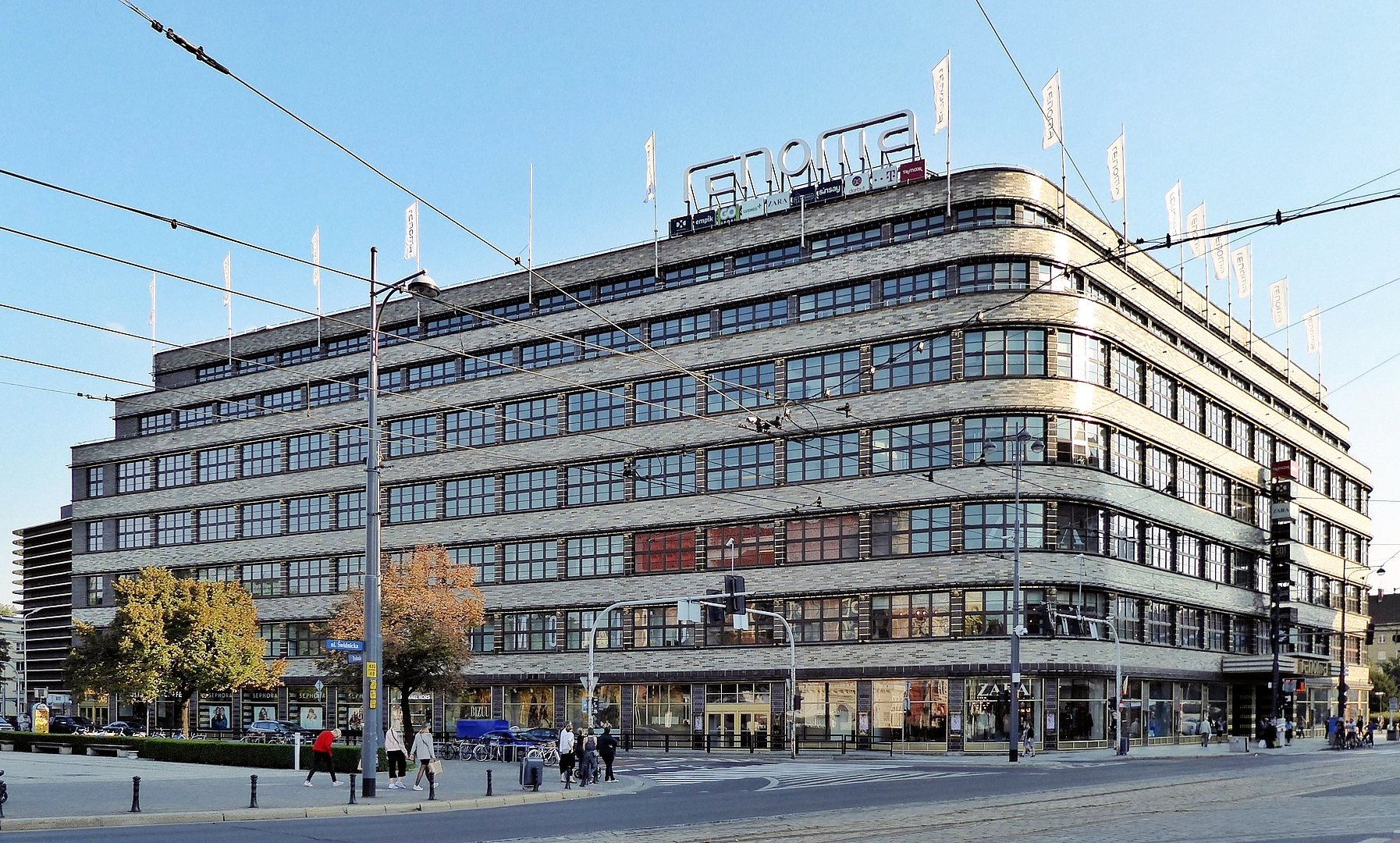
The Wertheim department store(now Renoma) was founded by a Berlin company belonging to the Wertheim family and quickly became one of the showpieces of Wroclaw. The modernist commercial and service house, operating since 1930, was designed by Hermann Dernburg. The building definitely encouraged visitors – apart from shops, there were also restaurants and service points, as well as the first escalator in Silesia, which undoubtedly testified to the modernity of the building. Unfortunately, its splendour did not last long, because, during the Nazi rule, the Wertheim centre was taken over and run by an Aryan company. In 1945, the interior of the department store burned down; only its facade and structure survived. Despite the damage, the building is still considered one of the most interesting examples of European modernism.
Old Town
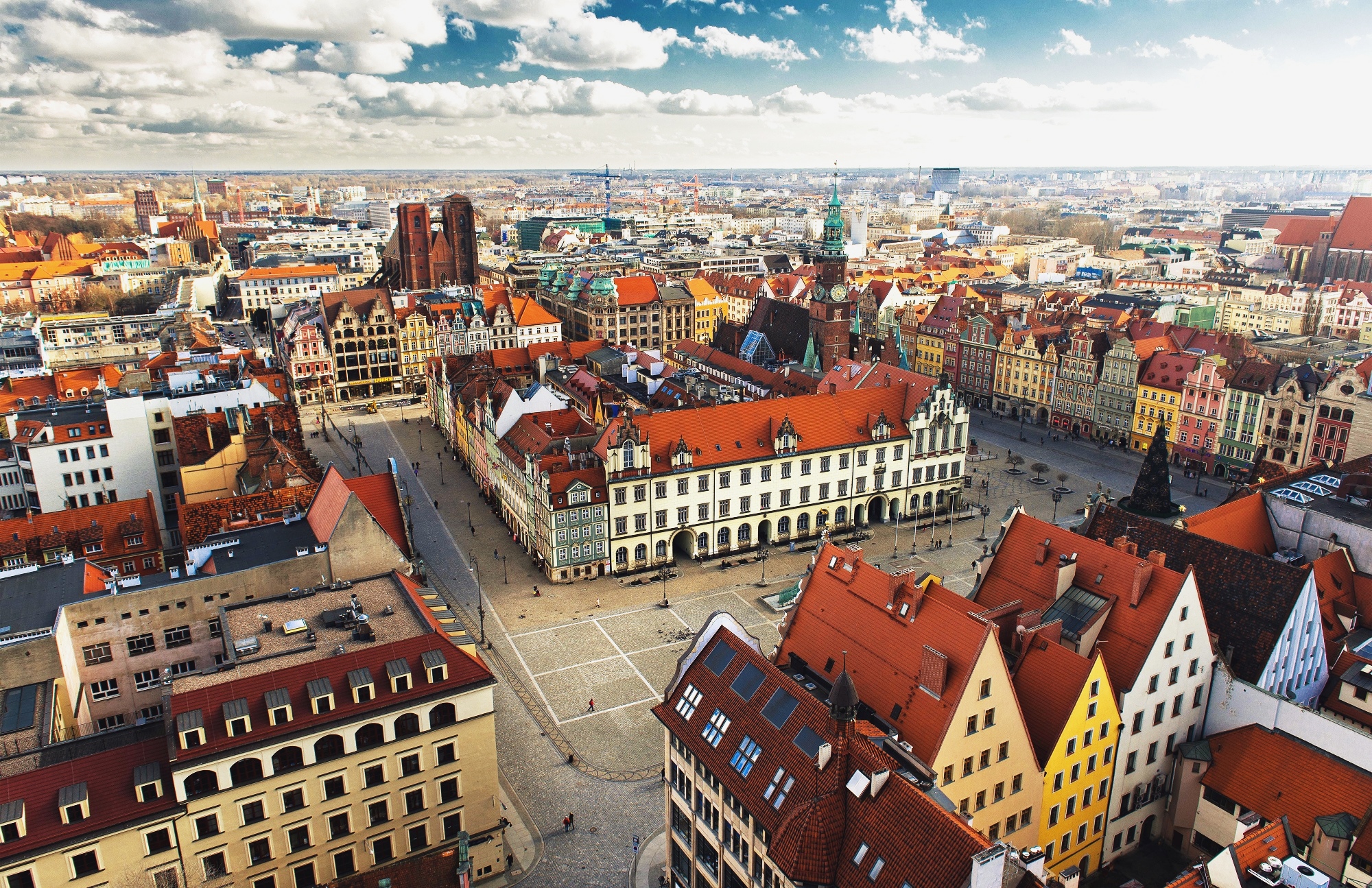
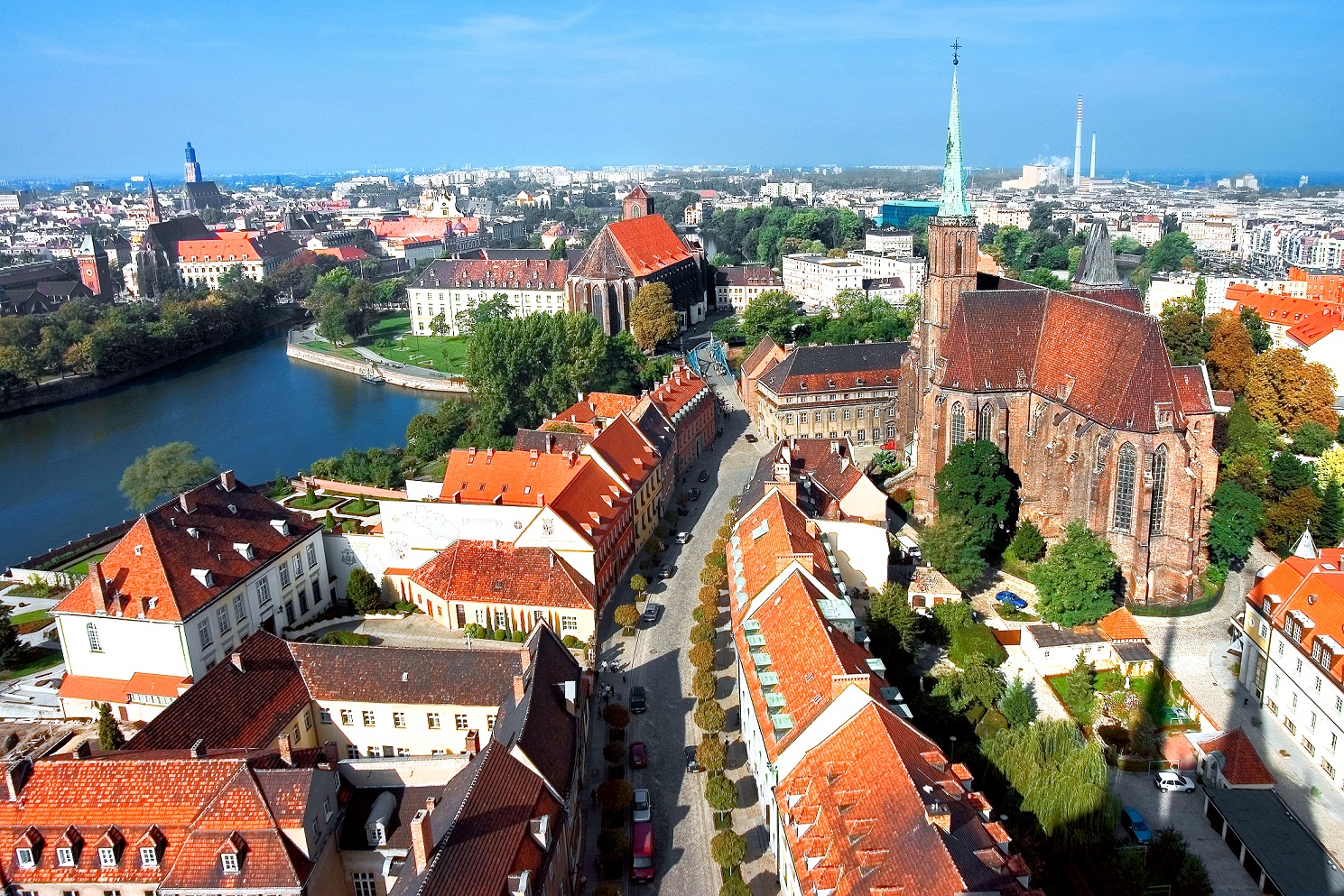
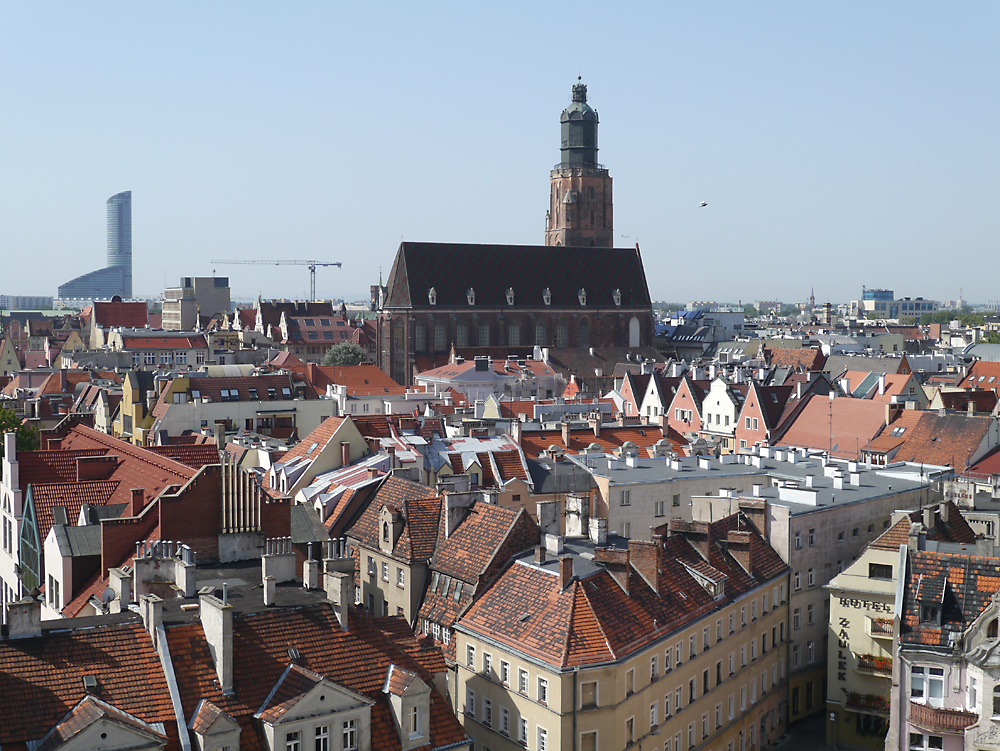
Already in the 12th century, there was a market square on the left bank of the river, just opposite Ostrow Tumski Island and some settlements nearby. During the Mongolian invasion in 1241, the settlements were destroyed and rebuilt by re-location, joining them into one city and surrounding with a defensive perimeter. Already in 1261, the city was expanded to a new, external Fosa, and in 1263 an independent New City (Nowe Miasto) was established, incorporated into the main city in 1327. This area surrounded by fortifications stayed in this shape till 1808 when fortifications were demolished and city extended. But this is what we consider the charming Old Town nowadays, as it offers a perfect blend of historical Renaissance and Mannerist tenement buildings and post-war reconstructions.
Old Town Market Square
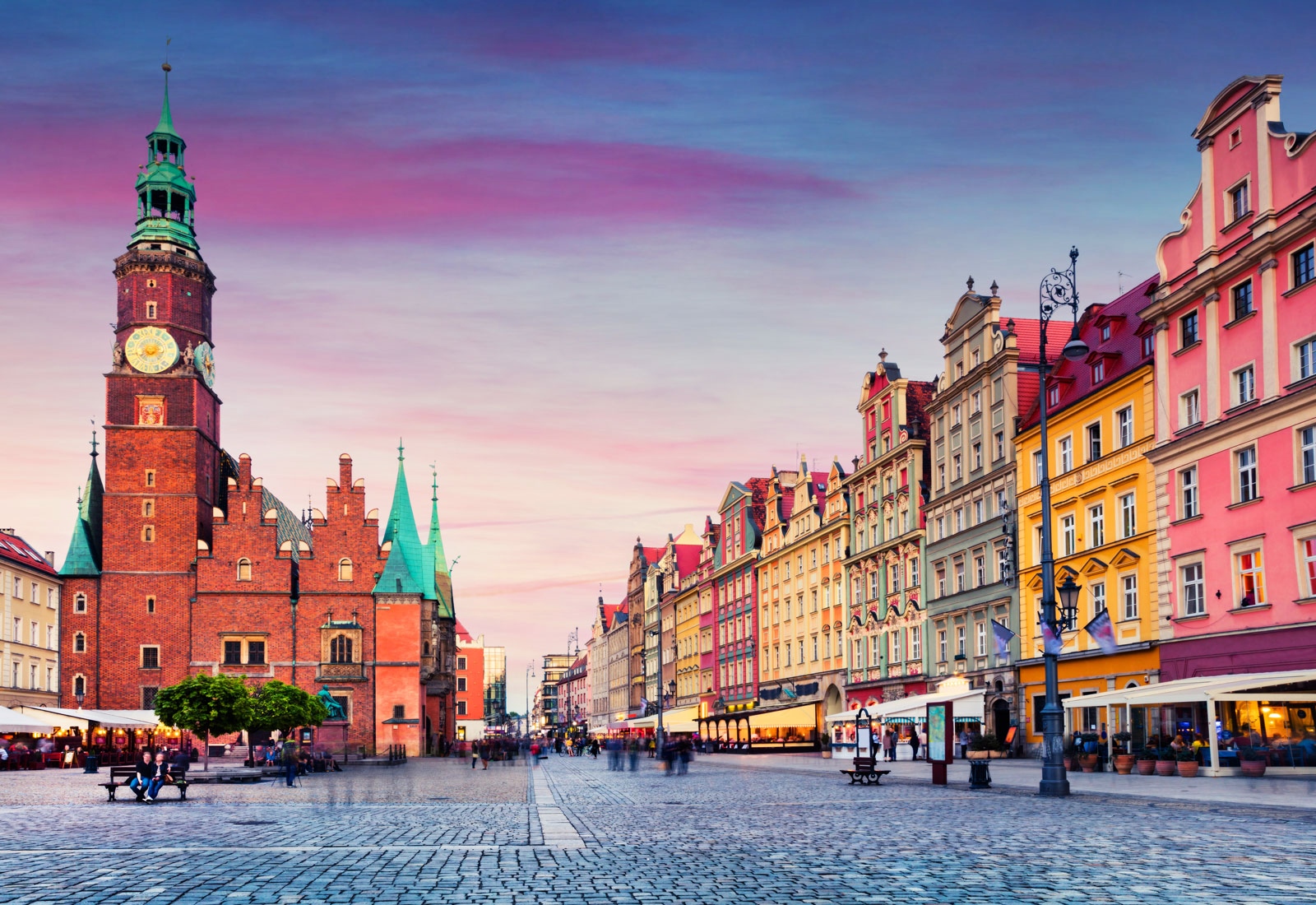
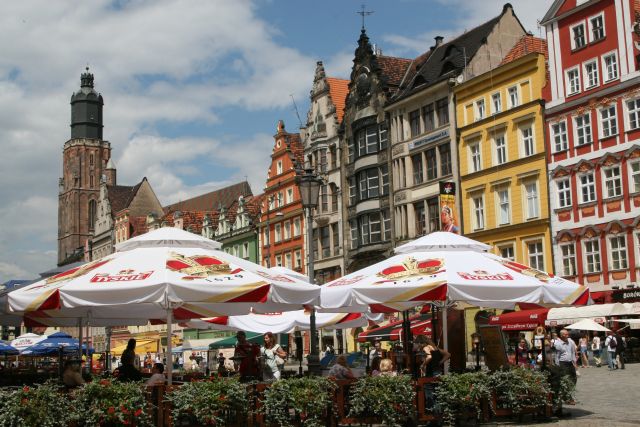
The Market Square called Rynek is one of the biggest and most beautiful in Europe, being a dynamic soul of the city where busker music plays day and night and mouth-watering smells come from inviting restaurant terraces. There are 10 streets leading to it from all parts of the city. It is lined with charming and colourful tenement buildings. The stunning Baroque “House Under the Golden Sun” (because there’s a large golden sun on the centre-top of its facade) is home to the Pan Tadeusz Museum, housing the manuscript of Adam Mickiewicz’s famous poem. After dusk, you’ll notice ladies and gentlemen in tradition costumes from the Romantic period moving behind the curtains on the first floor – enticing you to enter and visit the museum. The central part of the Market Square is occupied by a central block turned clockwise by 7 °, consisting of the Old Town Hall, the New Town Hall and tenement houses.
Old Town Hall
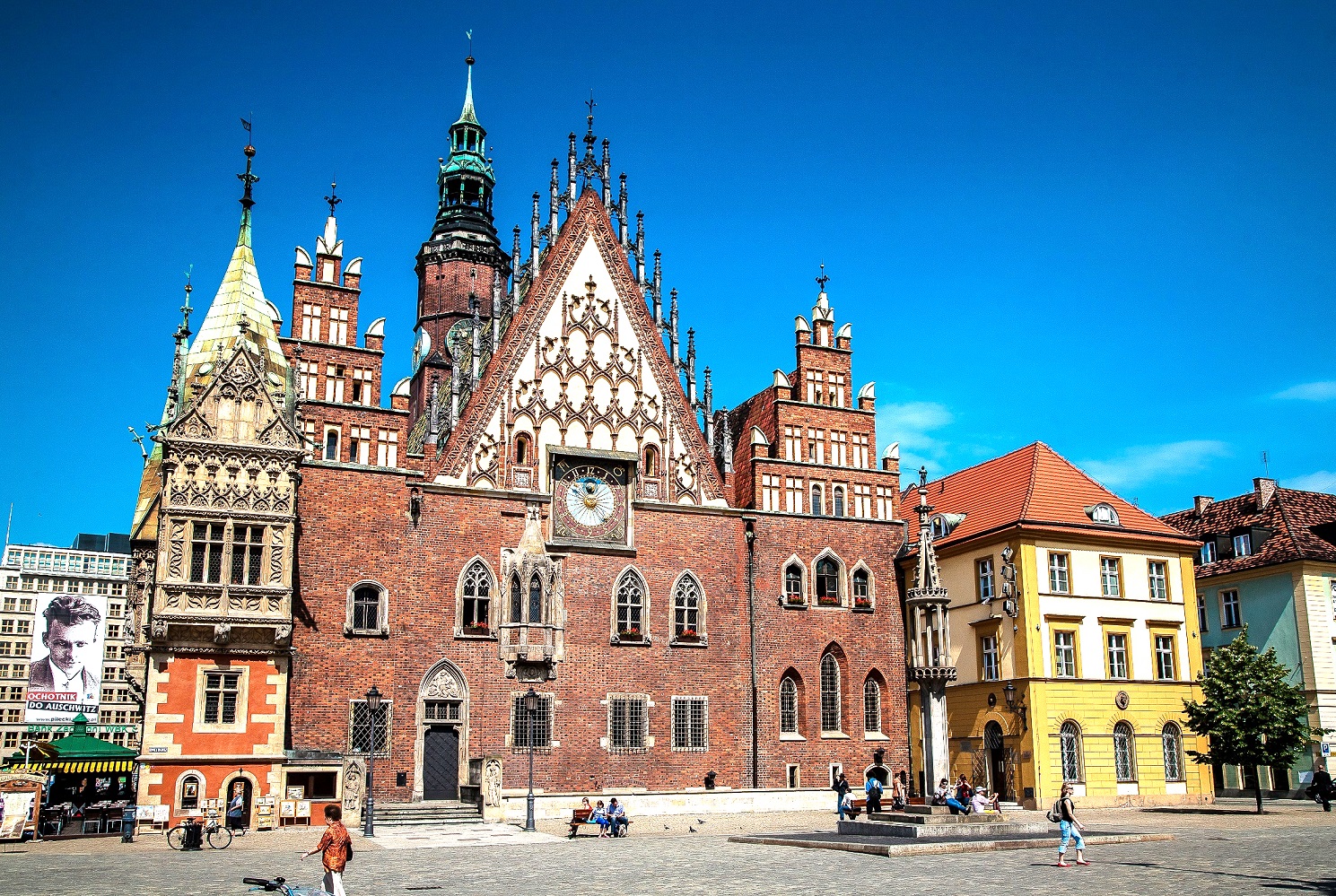
The late-Gothic Old Town Hall is quite the showstopper being one of the main landmarks of the city. Its long history reflects developments that have taken place in the city since its initial construction. The town hall serves the city of Wroclaw and is used for civic and cultural events such as concerts held in its Great Hall. In addition, it houses the Museum of Burgher Art, and in its basement, the oldest bar in Europe.