Nepal · Trekking

7-Day Langtang Valley Trek to Kyanjin Gompa and Tserko Ri

7 Days Round trip from 6G6W+R7 Moderate pace

The journey

Trip highlights
  • 01 Trek through the "Valley of Glaciers," the Langtang Valley
  • 02 Climb Tserko Ri for breathtaking scenery
  • 03 View the snow-covered Langtang Ri, Langtang, Langsisa, and Ganjala Peak mountains
  • 04 Explore breathtaking rhododendron woods
  • 05 Gather blessings at historic Buddhist temples like Kyanjing Gompa and Langtang Gompa

Embark on a journey through Nepal's hidden treasure, the Langtang Valley Trek, where the majestic Langtang Himalayas, cascading waterfalls, rhododendron and bamboo forests, and ancient Buddhist sites come together in one remarkable adventure. This trek leads you through Langtang National Park to places such as Kyanjin Gompa and Tserko Ri, with stunning mountain vistas unfolding along the way. Along the route, you will also experience the region's wildlife, spiritual heritage, and the beauty of a lesser-known Himalayan paradise.

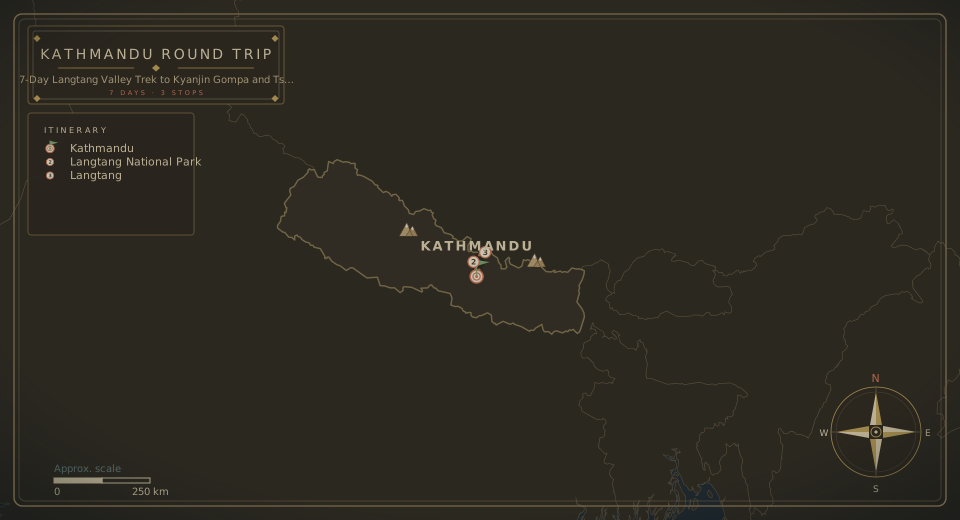
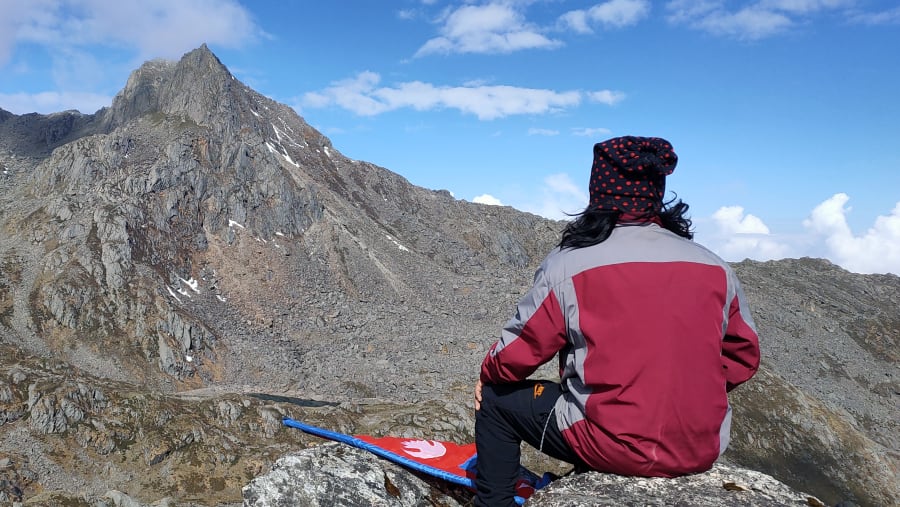
From this vantage point, you are rewarded with a panoramic spectacle encompassing more than 20 peaks, the Langtang Valley, and serene frozen lakes.

From the itinerary

At a glance

What this trip includes

Duration 7 Days
Tour type Private
Activity level Moderate
Accommodation Included · Standard
Transport Included
Wheelchair access No
Cities Kathmandu, Langtang, Langtang National Park
Languages Cantonese, English, French, German, Hindi, Italian, Japanese, Korean, Malayalam, Nepali

Day by day

The itinerary

1
Day 01

Drive from Kathmandu to Syabrubesi

  • Reaching the starting point of the Langtang Valley Trek is straightforward. It involves a 7-to 8-hour bus journey from Kathmandu. However, don't mistake this journey for a mundane one - quite the contrary.
  • As you drive alongside the Trisuli River, you might be lucky enough to witness whitewater rafters conquering the formidable rapids. But remember to cast your gaze upward, for the mountains are already extending their warm welcome.
  • As you approach Trisuli Bazaar, the prominent peaks of the Manaslu Massif, Ganesh, Jugal Himal, and Langtang loom majestically in the distance. The road does get a bit uneven from this point onward, so it's advisable to be prepared for a bumpy ride. The route covers approximately 50 kilometres (31 miles) to Dhunche and then 15 kilometres (9 miles) to Syabrubesi, where we spend the night before commencing our actual trek the following day.

Drive time: 6 to 7 hours

Accommodation: Tea House

Distance: 122 km /75 miles

2
Day 02

Trek through forest trails to Lama Hotel

  • You embark on another enchanting journey through a picturesque forest, with the towering Langtang Lirung mountain providing a breathtaking backdrop. Upon reaching Ghora Tabela, the trail leads you into verdant meadows, offering panoramic views of the Langtang Range stretching across both sides of the valley.
  • As you proceed, the valley widens, revealing herders tending to their livestock on the elevated summer pastures. In the present day, this area consists of only temporary settlements and an army post. It starkly contrasts with what it once was - the bustling village of Langtang, complete with numerous tea houses catering to trekkers. Tragically, the 2015 earthquake left the region desolate, with boulders scattered across the landscape.
  • Continuing for another half an hour or so, you arrive at the village of Mundu. Your overnight stay in Mundu will be more contemporary and comfortable, featuring modern buildings and improved facilities.

Trek time: 6 hours

Accommodation: Tea House

Trek Distance: 11.3 km /7 miles

3
Day 03

Trek from Lama Hotel to Langtang Village

  • After a 3-hour trek through the forest, you will arrive at Ghora Tabela, essentially a horse stable. The journey then continues onward to Langtang Village.
  • The devastating earthquake of 2015 left Langtang Village in ruins, but it has since been rebuilt. You can stay in Langtang Village or proceed to Mundu, the next stop after Langtang Village. Along the way, you will be treated to magnificent vistas of Langtang and Gonchompe peaks.
  • Langtang Village is a thriving community with essential amenities such as a community health post, government schools, small markets, and monasteries.

Trek time: 7 hours

Accommodation: Tea House

Trek Distance: 14.7km /8 miles

4
Day 04

Trek to Kyanjin Gompa

  • Today's route is relatively shorter, and it is adorned with numerous Buddhist relics, such as chortens, prayer flags, and rocks with Buddhist inscriptions.
  • The trail also presents intriguing features, such as watermills and yak pastures, complementing the stunning mountain views. You will arrive at Kyanjin Gompa by lunchtime, where you can unwind and take in the surroundings. You might consider hiking toward Langshisha Kharka, which offers magnificent vistas.
  • Your overnight stay in the Gompa allows you to soak in the area's spiritual ambience and savour the awe-inspiring mountains.

Trek time: 6 hours

Accommodation: Tea House

Trek Distance: 5.7 km/3.5 miles

5
Day 05

Climb Tserko Ri and return to Langtang Valley

  • Today is an exhilarating yet demanding day as you ascend to the summit of Tsergo Ri, standing at an impressive altitude of 5,000 meters (16,404 feet). From this vantage point, you are rewarded with a panoramic spectacle encompassing more than 20 peaks, the Langtang Valley, and serene frozen lakes.
  • The views are awe-inspiring, and the challenging ascent is undoubtedly worthwhile. After immersing yourself in these breathtaking vistas, you will return to Kyanjin Gompa in Langtang Valley for the night, where a well-deserved dinner awaits.

Trek time: 9 to 10 hours

Accommodation: Tea House

Trek Distance: 17 km/10 miles

6
Day 06

Descend from Langtang Valley to Syabrubesi

  • Today, you embark on the journey back to Syafrubesi, retracing your path as you cross streams and traverse the forest. Following the previous day's strenuous trek, this day marks the final leg of your journey and offers options.
  • There are two routes leading back to Syabrubesi. The first option involves retracing your initial route, which winds through the forest and the villages of Bamboo and Rimche. You will ultimately reach Syabrubesi in approximately 7 hours.
  • The second route, although shorter, is steeper and offers breathtaking vistas of the Langtang Valley. This path leads through Rimche and Sherpa Gaun. The choice between these two routes can be based on factors such as weather conditions and your stamina level.
  • Your overnight stay is scheduled in Syabrubesi, where you can reflect on the memorable experiences of your trek.

Trek time: 7-8 hours

Accommodation: Tea House

Trek Distance: 26 km /16 miles

7
Day 07

Drive from Syabrubesi back to Kathmandu

  • Today you retrace your journey along the highway back to Kathmandu.

Drive time: 6 hours

Accommodation: Tea House

Distance: 122 km /75 miles
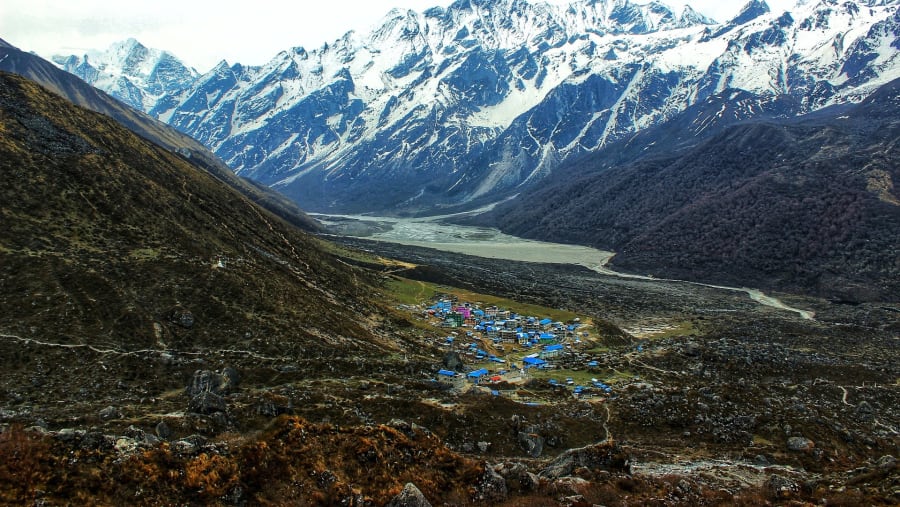
Langtang Valley, Kyanjin Gompa, Tserko Ri

Where this trip takes you

Langtang Valley, Kyanjin Gompa, Tserko Ri

The route

Where you'll travel

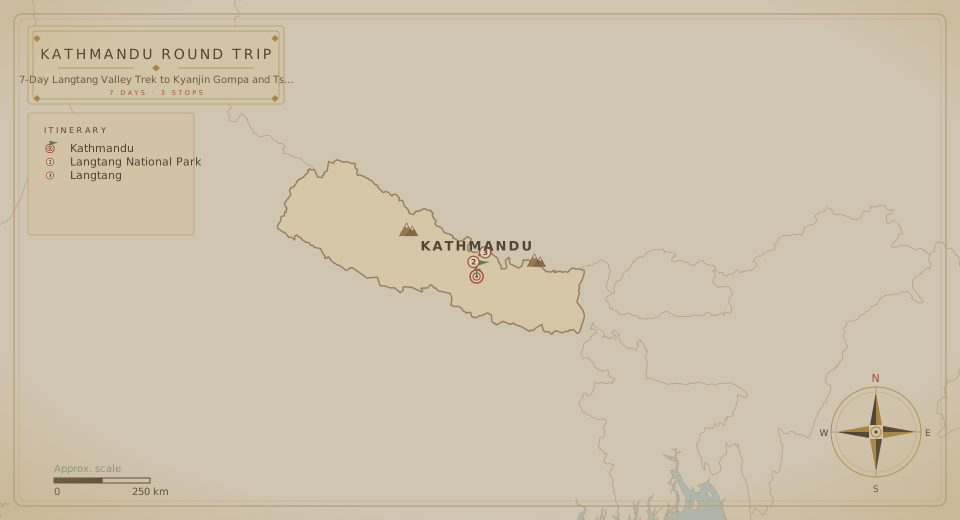
Tour route map
Round trip from 6G6W+R7 3 cities · 7 Days

The fine print

Trip details

What's Included

  • All meals throughout the trek, including breakfast, lunch, and dinner
  • Accommodation in trekking lodges during the trek
  • An entry permit for Langtang National Park
  • A Trekkers' Information Management System (TIMS) permit
  • Round-trip local bus/jeep transportation between Kathmandu and Syfrubesi
  • An English-speaking guide licensed by the government, along with their salary, meals, drinks, accommodation, transport, and insurance
  • A helpful porter, with their salary, meals, accommodation, and insurance. One porter is provided for every two trekkers.
  • Medical supplies, including a first-aid kit
  • Arrangements for emergency helicopter services (expenses covered by your travel insurance)
  • Inclusion of government taxes, service charges, and official expenses
  • A Langtang National Park trekking map
  • An oximeter for monitoring your pulse, oxygen saturation, and heart rate twice daily, which is particularly useful for checking symptoms of Altitude Mountain Sickness (AMS)
  • An assistant guide for groups comprising six or more people
  • This comprehensive package ensures that trekkers of all levels are well taken care of, with safety and convenience being a top priority.

What's Not Included

  • Airport transfers upon arrival and departure
  • Visa fees for entry into Nepal
  • International airfare to and from Nepal
  • Travel and medical insurance, which is strongly recommended for your safety
  • Personal expenses of any kind
  • Alcoholic and non-alcoholic beverages, both cold and hot
  • Any desserts and sweet treats you may choose to purchase along the way or during evenings at the tea houses
  • Expenses related to hot showers and battery charging during the trek
  • Tips for the guide, porter, and driver. Tipping is customary and expected in these situations.

What to bring

  • Clothing:
    • Moisture-wicking base layers (synthetic or merino wool)
    • Insulating layers (fleece or down jacket)
    • Waterproof and windproof jacket
    • Lightweight, quick-drying trekking pants
    • Thermal or woolen hat
    • Gloves
    • Scarf or neck gaiter
    • Comfortable, moisture-wicking underwear
    • Several pairs of moisture-wicking socks
    • Comfortable trekking boots with good ankle support
    • Gaiters (to keep your boots and pants dry)
  • Accessories:

    • Sun hat with a brim
    • Sunglasses with UV protection
    • Trekking poles
    • Headlamp or flashlight with extra batteries
    • Water purification tablets or a water filter
    • Trekking backpack (45-65 liters)
    • Dry bags or plastic bags to keep your gear dry
  • Health and Safety:

    • Basic first aid kit (band-aids, antiseptic, pain relievers, etc.)
    • Personal medications and prescriptions
    • Diamox or similar medication for altitude sickness (consult with a doctor)
    • Water bottle or hydration system
    • Sunscreen and lip balm with high SPF
    • Insect repellent
    • Toilet paper and a small trowel (for trekking in the outdoors)
  • Electronics:

    • Camera or smartphone
    • Extra camera batteries or a portable charger
    • Universal plug adapter and power bank (charging may be available at tea houses for a fee)
    • Cash (Nepalese Rupees) and a wallet or money belt
  • Clothing for Tea Houses:

    • Comfortable clothing to wear in tea houses (long-sleeve shirt, pants, and warm layers)
    • Slippers or comfortable camp shoes for evenings
    • Earplugs (tea houses can be noisy)
  • Optional Items:

    • Sleeping bag (though blankets are provided in tea houses)
    • Travel pillow for added comfort
    • Binoculars for bird and mountain viewing
    • Trekking guidebook or map

It's important to note that you can also rent or purchase some of these items in Kathmandu or Pokhara if you prefer not to carry them with you from home. Additionally, be prepared for varying weather conditions, as temperatures can change rapidly in the Himalayas, so layering your clothing is essential.

Know before you go

Trekking in the Himalayas, including popular routes like the Ghorepani-Poon Hill trek, requires careful preparation and knowledge. Here are some important things to know before you go:

  • Physical Fitness:

    • Trekking in the Himalayas involves varying degrees of physical exertion. It's important to be in reasonably good physical shape to endure the trek.
    • Regular exercise and cardio workouts can help prepare your body for the altitude and the steep terrain.
  • Altitude Sickness:

    • Be aware of altitude sickness (Acute Mountain Sickness or AMS), which can affect trekkers at higher elevations. It's essential to acclimatize properly by ascending gradually and drinking plenty of water.
    • Know the symptoms of AMS, which can include headaches, nausea, dizziness, and difficulty breathing. If you experience these symptoms, it's crucial to descend to a lower altitude immediately.
  • Permits and Documentation:

    • Ensure you have the required trekking permits such as the Annapurna Conservation Area Project (ACAP) entry permit and the Trekkers' Information Management System (TIMS) permit. These can be obtained in Kathmandu or Pokhara before your trek.
    • Always carry identification and emergency contact information.
  • Weather and Seasons:

    • Nepal's trekking seasons are divided into spring (March to May) and autumn (September to November). These months generally offer the best weather conditions and clear mountain views.
    • Winter and monsoon seasons can be challenging for trekkers, with cold temperatures and the risk of landslides or heavy rain.
  • Trekking Equipment:

    • It's essential to have the right gear and clothing. Ensure you have sturdy and comfortable trekking boots, moisture-wicking clothing, layers for temperature control, and a good-quality backpack.
    • You can either bring your own sleeping bag or rent one in Kathmandu or Pokhara.
  • Hygiene and Water:

    • Access to clean water can be limited on the trail, so carry a water purification method or buy bottled water.
    • Bring personal hygiene items such as hand sanitizer, wet wipes, and toilet paper, as some restrooms on the trek may not have these amenities.
  • Accommodation and Food:

    • Accommodation is typically in tea houses or lodges along the trekking route. Rooms can be basic, and it's advisable to bring a sleeping bag for added warmth and comfort.
    • Meals are provided at the tea houses. While the food is generally safe, stick to a vegetarian diet when in doubt to reduce the risk of foodborne illnesses.
  • Guides and Porters:

    • Hiring a local guide and/or porter can enhance your trekking experience. Guides can provide information about the culture and geography, and porters can help carry your heavy backpack.
  • Travel Insurance:

    • Purchase comprehensive travel insurance that covers trekking at high altitudes, medical emergencies, and evacuation by helicopter if necessary.
  • Environmental Considerations:

    • Respect the local culture and environment. Dispose of waste responsibly and avoid disturbing wildlife.
  • Plan Your Itinerary:

    • Create a realistic trekking itinerary for acclimatization days, rest days, and unforeseen delays due to weather or health issues.
  • Emergency Contacts:

    • Know the local emergency numbers and have a list of contacts for your trekking agency, embassy, and travel insurance provider.
  • Responsible Tourism:

    • Practice responsible trekking by respecting local customs, reducing waste, and supporting the local economy.
  • Communication:

    • Communication options can be limited in remote areas. Consider a local SIM card or satellite phone for emergencies.
  • Leave No Trace:

    • Follow the 'Leave No Trace' principles to minimize your environmental impact. Carry out all trash and respect the wilderness.
  • Although the Langtang Valley can be accessed within a day's drive from the Kathmandu Valley, it remains a relatively undiscovered gem among most trekkers. While iconic trekking destinations like the Everest Base Camp Trek, Annapurna Circuit, and Annapurna Base Camp Trek are widely recognized, the Langtang Valley Trek may not be as familiar.
  • The dominating presence of the Langtang Himalayas characterizes the Langtang Valley Trek. Despite being a relatively short trek, it offers a captivating journey through landscapes adorned with rhododendrons and bamboo forests, accompanied by the symphony of thundering waterfalls and the backdrop of majestic snow-capped mountains.
  • This trail leads trekkers to an elevation of 4,000 meters (13,123 feet). For those seeking higher altitudes and unparalleled vistas, the opportunity to witness the sunrise from Tserko Ri at 5,000 meters (16,404 feet) is not to be missed.
  • This diverse trek provides an immersion into the cultures of the Tamang and Sherpa communities, particularly their Buddhist traditions. The ancient Kyanjin Gompa monastery near Tserko is a testament to this rich heritage. The trek also unveils a panorama of spectacular mountain views, including Dorje Lakpa (6,990 meters/22,933 feet), Langtang Ri (6,370 meters/20,898 feet), and Langtang Lirung (7,245 meters/23,769 feet).
  • Traversing through the Langtang National Park, trekkers are treated to pristine landscapes teeming with diverse flora and fauna, sprawling yak pastures, and local cheese factories. Indigenous wildlife in this region includes Himalayan pheasants, Himalayan deer, Himalayan bears, monkeys, and the elusive red panda.
  • It's worth noting that Langtang Village faced extensive destruction during the devastating earthquake of April 2015. However, the resilient local communities have dedicated themselves to rebuilding. Teahouses and lodges have been reconstructed and are now welcoming visitors. Supporting this region by trekking here is a meaningful contribution to its revival.
  • The Langtang Valley Trek offers an ideal experience for those who seek a less-trodden path and a chance to explore a destination distinct from the more touristy areas of Nepal. It is also a perfect introduction for those embarking on their first exploration of Nepal.

Logistics

Meeting & route

Meeting point
Langtang Valley
Tour start
6G6W+R7, Langtang 45000, Nepal
Tour ends at the same location as the start point.
End of the journey

Your 7 days finish where they began, in 6G6W+R7.

Watch the tourHQ film Watch the film

Create your own adventure

Can't find the perfect tour? Tailor your dream trip.

  • Tell us your destination, dates and group size.
  • Our travel experts and local guides design a tailored itinerary, just for you.
  • Enjoy your trip with peace of mind, knowing everything is taken care of.
Plan my holiday

Say goodbye to travel stress.

Starting from

USD 550 /person
Book This Tour

Estimated room rates

Single Room $550.00 — $650.00
Double Sharing $550.00

When

Travellers

Total