Albania, Bosnia and Herzegovina, Greece, Croatia, Montenegro · UNESCO Heritage Sites

Athens to Dubrovnik land tour

8 Days Round trip from Athens Easy pace

The journey

Trip highlights
  • 01 Private 8-day overland journey from Athens to Dubrovnik
  • 02 Visit Delphi and the monasteries of Meteora
  • 03 Explore UNESCO-listed Butrint and historic Kotor
  • 04 Travel through Albania’s Riviera and Llogara National Park
  • 05 Discover Tirana, Kruje, Shkoder, Cetinje, and Budva
  • 06 See Tara Canyon and stay near Durmitor National Park
  • 07 Guided visits included at selected sites and cities
  • 08 Optional extension to Trebinje, Blagaj, Mostar, and Sarajevo

Travel overland from Athens to Dubrovnik on a private multi-country journey through Greece, Albania, Montenegro, and Croatia, with an optional extension into Bosnia and Herzegovina. Along the way, discover a rich mix of UNESCO-listed heritage, dramatic mountain scenery, historic towns, monasteries, castles, museums, and coastal landscapes.

Visit highlights such as Delphi, Meteora, Ioannina, Butrint, Tirana, Kruje, Shkoder, Tara Canyon, Durmitor, Cetinje, Kotor, and the Bay of Kotor before arriving in Dubrovnik. With private transportation, accommodation, breakfast, guided visits at selected sites, and admission fees where applicable, this itinerary offers a comfortable way to experience some of the Balkans’ most memorable cultural and natural landmarks.

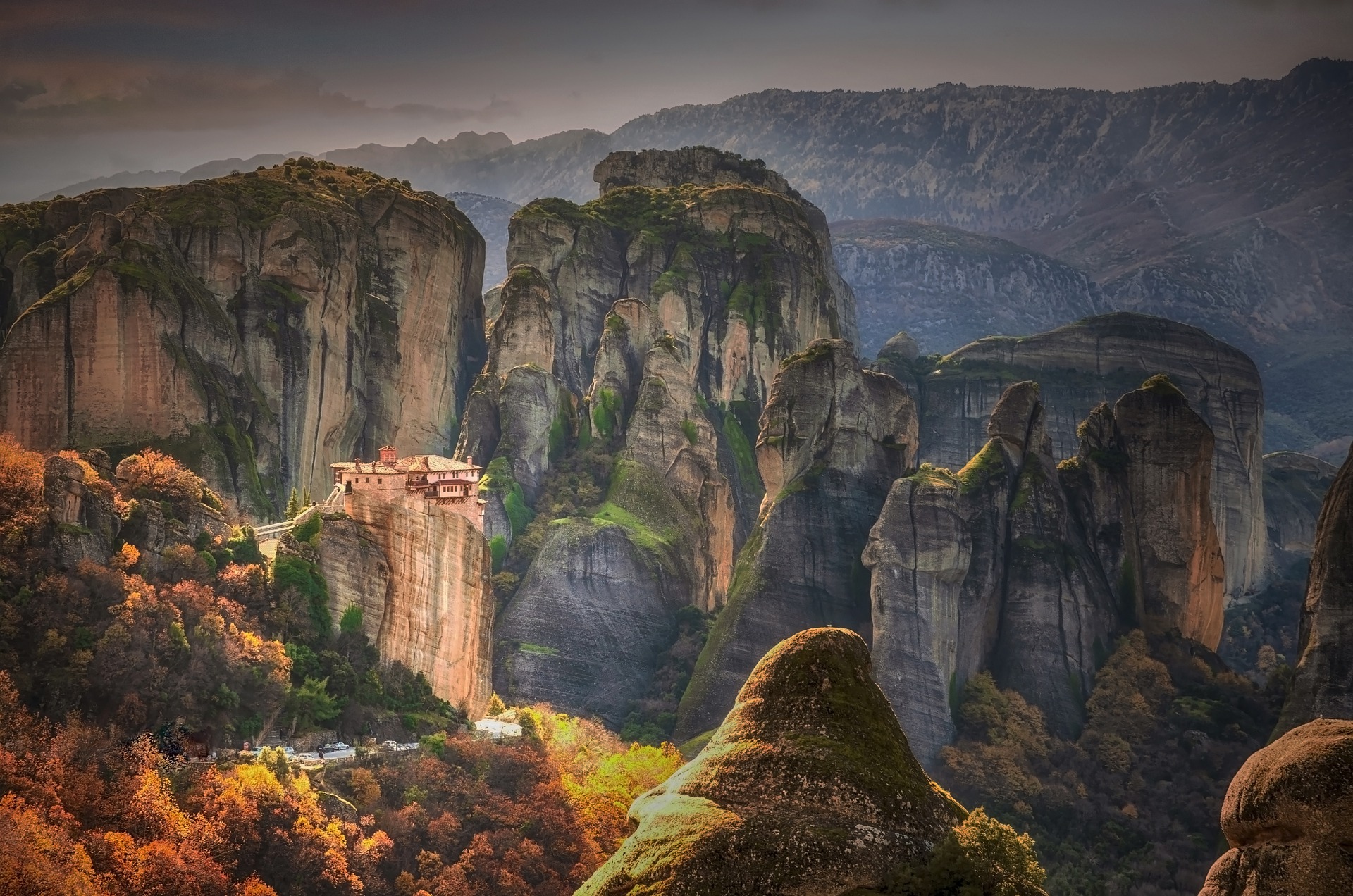
The Meteora is a rock formation in central Greece hosting one of the largest and most precipitously built complexes of Eastern Orthodox monasteries, second in importance after the Holly Mount Athos.

From the itinerary

At a glance

What this trip includes

Duration 8 Days
Tour type Private
Activity level Easy
Accommodation Included
Transport Included
Wheelchair access Not applicable
Cities Athens, Durres, Sarajevo, Mostar, Ioannina, Kruje, Sarande, Shkoder, Tirana, Dubrovnik, Budva, Cetinje, Kotor, Trebinje, Meteora, Kalabaka, Blagaj, Delphi, Butrint National Park, Llogara National Park, Durmitor
Languages English

Day by day

The itinerary

1
Day 01

From Athens to Meteora monasteries

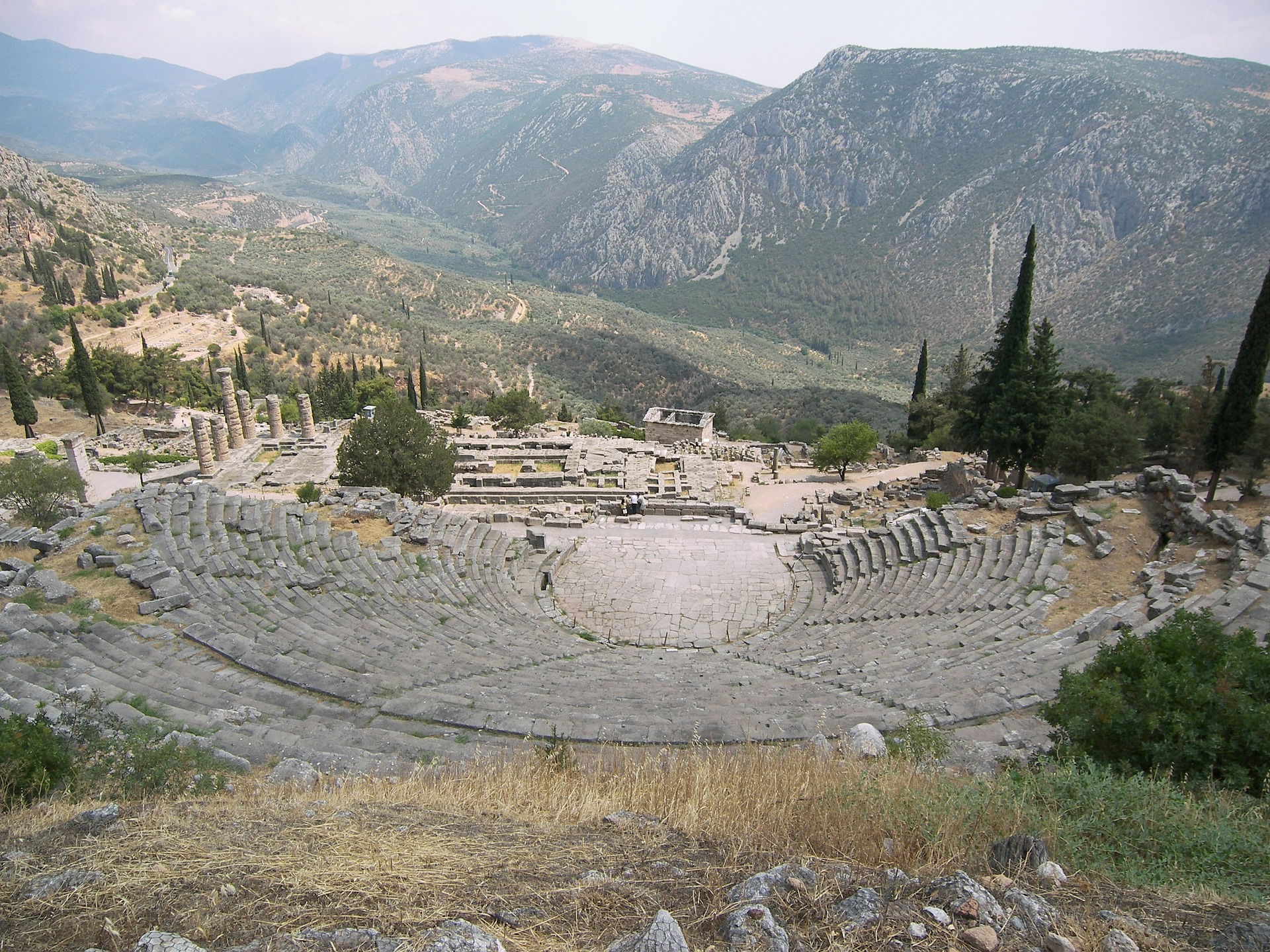
Morning pick up from any hotel or address within Athens and drive from towards Delphi archeological site. 

The modern road divides and delimitates the two ancient sanctuaries, namely the Sanctuary of Athena Pronaia to the south and the Sanctuary of Apollo to the north. The sanctuary of Athena Pronaia comprises the Tholos, the temples of Athena and two (at least) treasuries, whereas next to it the impressive gymnasium is situated. Individual visit to the site. 

Afternoon drive towards Kalambaka and evening at leisure in this small town, situated right below Meteora monasteries. Possibility to have a romantic dinner at some of many restaurants overlooking Meteora monasteries.

Overnight at local hotel in Kalambaka.

(Day 8) Tour extension to Bosnia and Herzegovina

We offer as optional choice an extension of the main tour - visit to Bosnia and Herzegovina, another Balkan country.

Instead of drop off at Dubrovnik, tour continue with afternoon border crossing to Bosnia and Herzegovina. 

Overnight in the city of Trebinje, hotel 4*. 

2
Day 02

Greek mountains - from Kalambaka to Ioannina

Morning drive on the scenic road to visit Meteora monasteries area with panoramic view of the valley. 

The Meteora is a rock formation in central Greece hosting one of the largest and most precipitously built complexes of Eastern Orthodox monasteries, second in importance after the Holly Mount Athos. The six monasteries are built on immense natural pillars and hill-like rounded boulders that dominate the local area. Photo stop at several places during the drive. Individual visit to two monasteries - we recommend visit to the monastery of Great Meteora. 

The "Great Meteoron Holy" also know as "the Monastery of the Transfiguration of the Saviour", is the biggest and oldest one of all. It was called the monastery which remains “suspended in the air” (meteoro), because of the cliff formation of a gigantic rock on top of which it was built. The Great Meteoro Monastery or “Megalo Meteoron” was founded in the 14th century by Saint Athanasios the Meteorite. If you prefer a little hiking, you will have a chance to visit this monastery, reachable only by uphill/downhill stairs.

Later on drive on the mountain area of north Greece with short break at Metsovo, a small picturesque town in Epirus, in the mountains of Pindus. As the the largest center of Aromanian (Vlach) life in Greece, Metsovo is a regional hub for several small villages and settlements in the Pindus region, and it features many shops, schools, offices, services, museums, and galleries. The economy of Metsovo is dominated by agriculture and tourism, the latter of which flourishes in winter.

Ioannina is the next town for today. It is the capital and largest city of Epirus region, an administrative region in north-western Greece. Ioannina castle is located at the south-eastern edge of the town, on a rocky peninsula of Lake Pamvotis, the castle was the administrative heart of the Despotate of Epirus, and the Ottoman vilayet. The castle was in constant use until the late Ottoman period and the fortifications underwent several modifications throughout the centuries. Ioannina lake is another attraction at this city. We recommend a boat trip to the island at your free afternoon in this city.

Overnight at boutique hotel in Ioannina

(Day 9) Blagaj and the source of river Buna

Morning drive towards small village of Blagaj and visit.

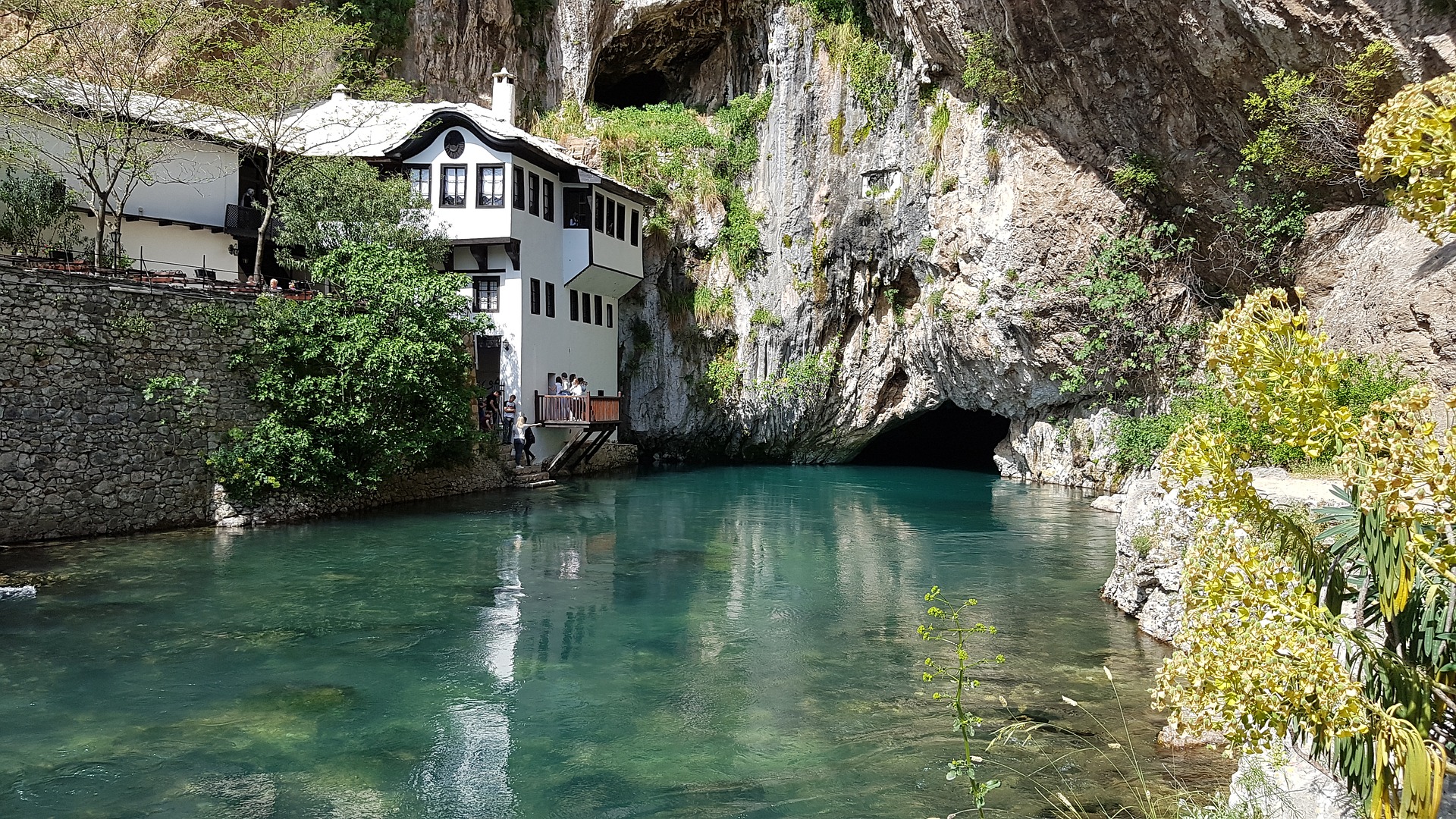
The architectural ensemble of the Blagaj Tekke stands by the source of the river Buna, not far from the center of Blagaj.  The musafirhana and turbe are tucked into the natural surroundings, constituting a single entity with the cliffs, source of the Buna and mills. The musafirhana of the Blagaj tekke and the turbe have been preserved to this day. The musafirhana was built before 1664, and rebuilt in 1851; its original appearance is not known. The building was subsequently repaired on several occasions.  The ensemble of the Blagaj Tekke was presumably built very soon after Ottoman rule was established in Herzegovina, around 1520 at the latest.

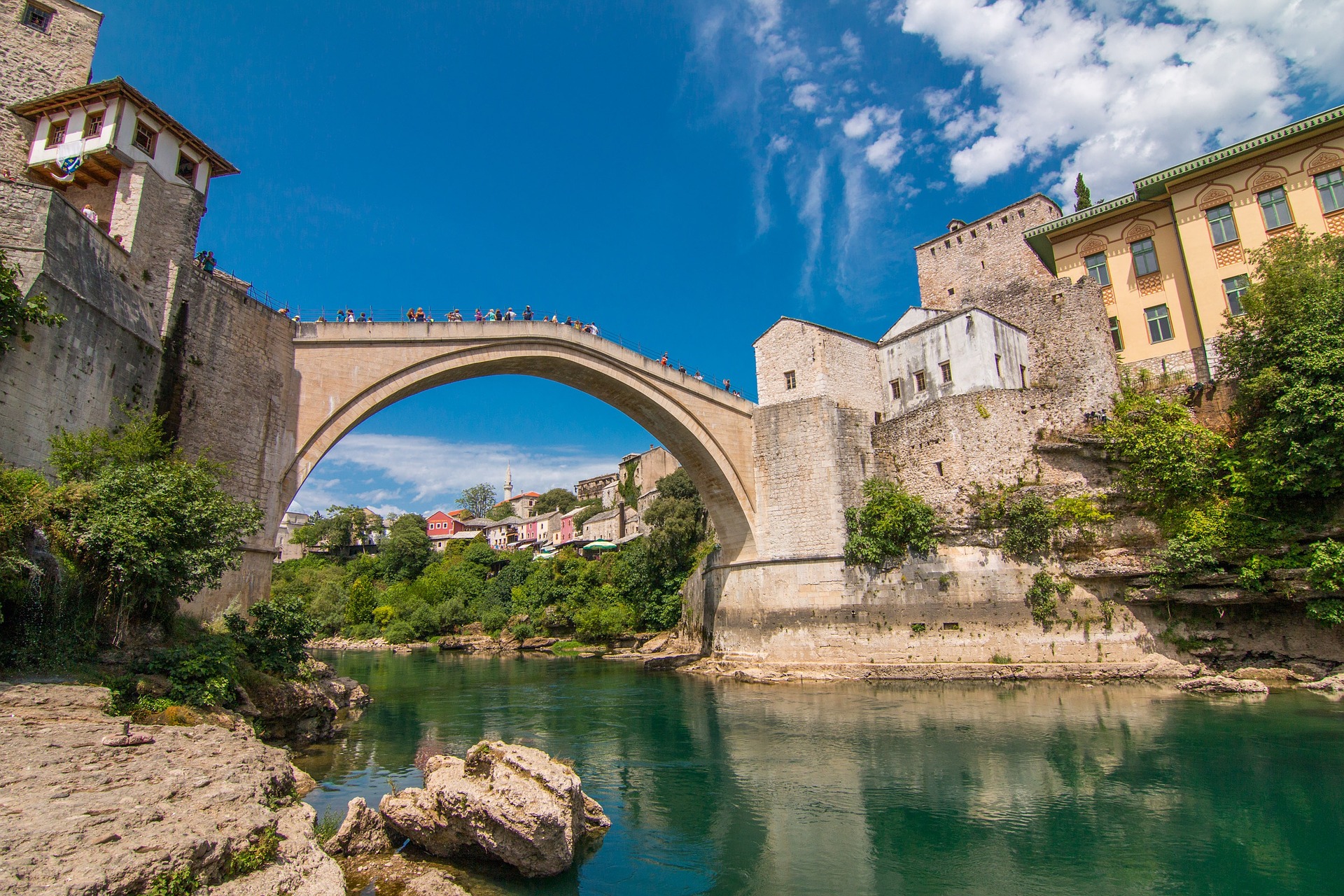
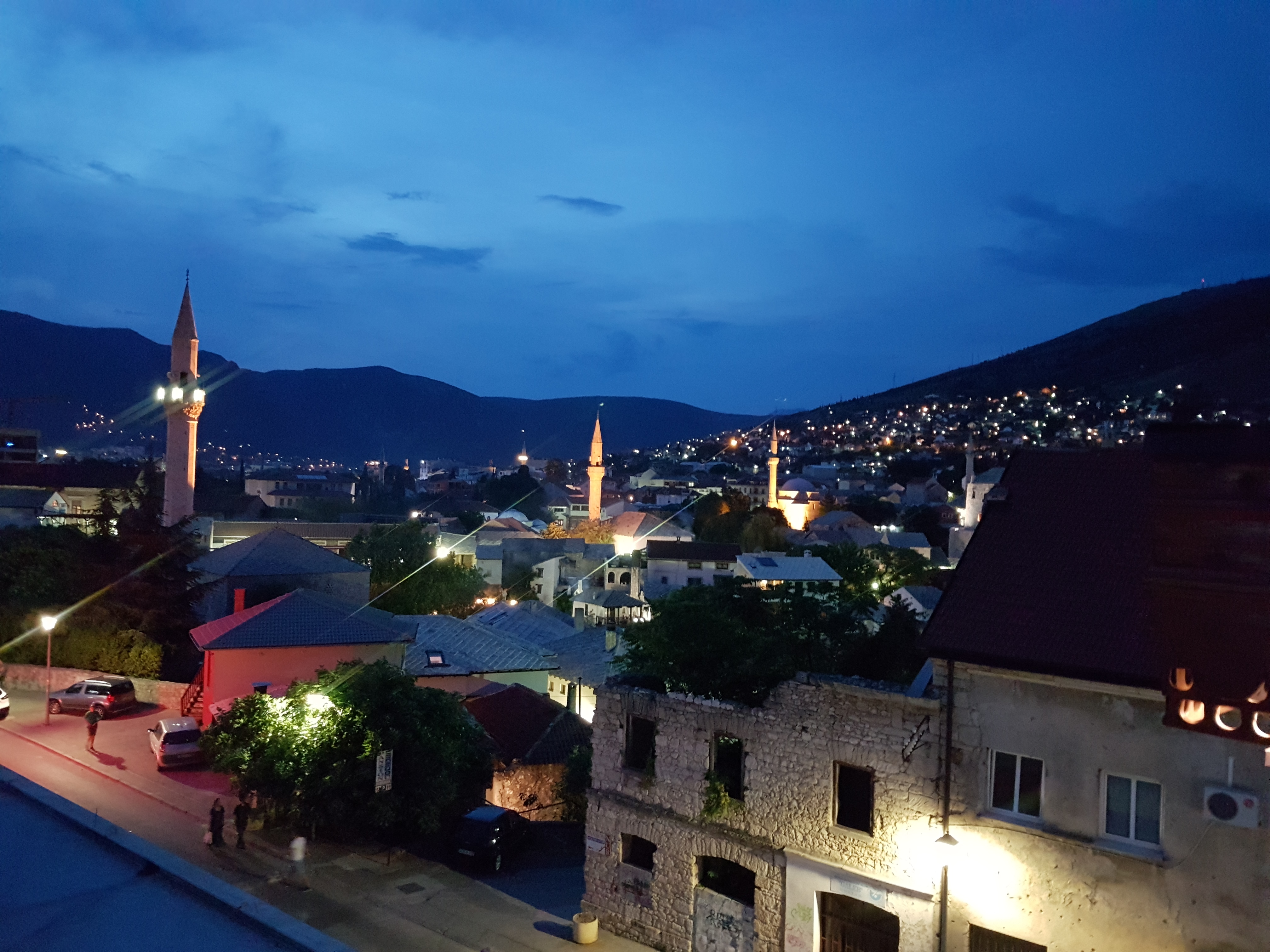
Later on arrival in Mostar, a city in southern Bosnia and Herzegovina, straddling the Neretva River. It’s known for the iconic Stari Most (Old Bridge), a reconstructed medieval arched bridge. The nearby alleys are full of shops and market stalls, and the Old Bridge Museum explores the bridge’s long history. A narrow staircase leads up to the Koski Mehmed-Pasha Mosque’s minaret for panoramic city views.

Stari Most, also known as Mostar Bridge, is a rebuilt 16th-century Ottoman bridge in the city of Mostar in Bosnia and Herzegovina that crosses the river Neretva and connects the two parts of the city. The Old Bridge stood for 427 years, until it was destroyed on 9 November 1993 by Croat paramilitary forces during the Croat–Bosniak War. Subsequently, a project was set in motion to reconstruct it; the rebuilt bridge opened on 23 July 2004.

The bridge is considered an exemplary piece of Balkan Islamic architecture and was commissioned by Suleiman the Magnificent in 1557. It was designed by Mimar Hayruddin, a student and apprentice of architect Mimar Sinan who built many of the Sultan's key buildings in Istanbul and around the empire.

Accommodation at 4* hotel and overnight in Mostar.

3
Day 03

Welcome to Albania

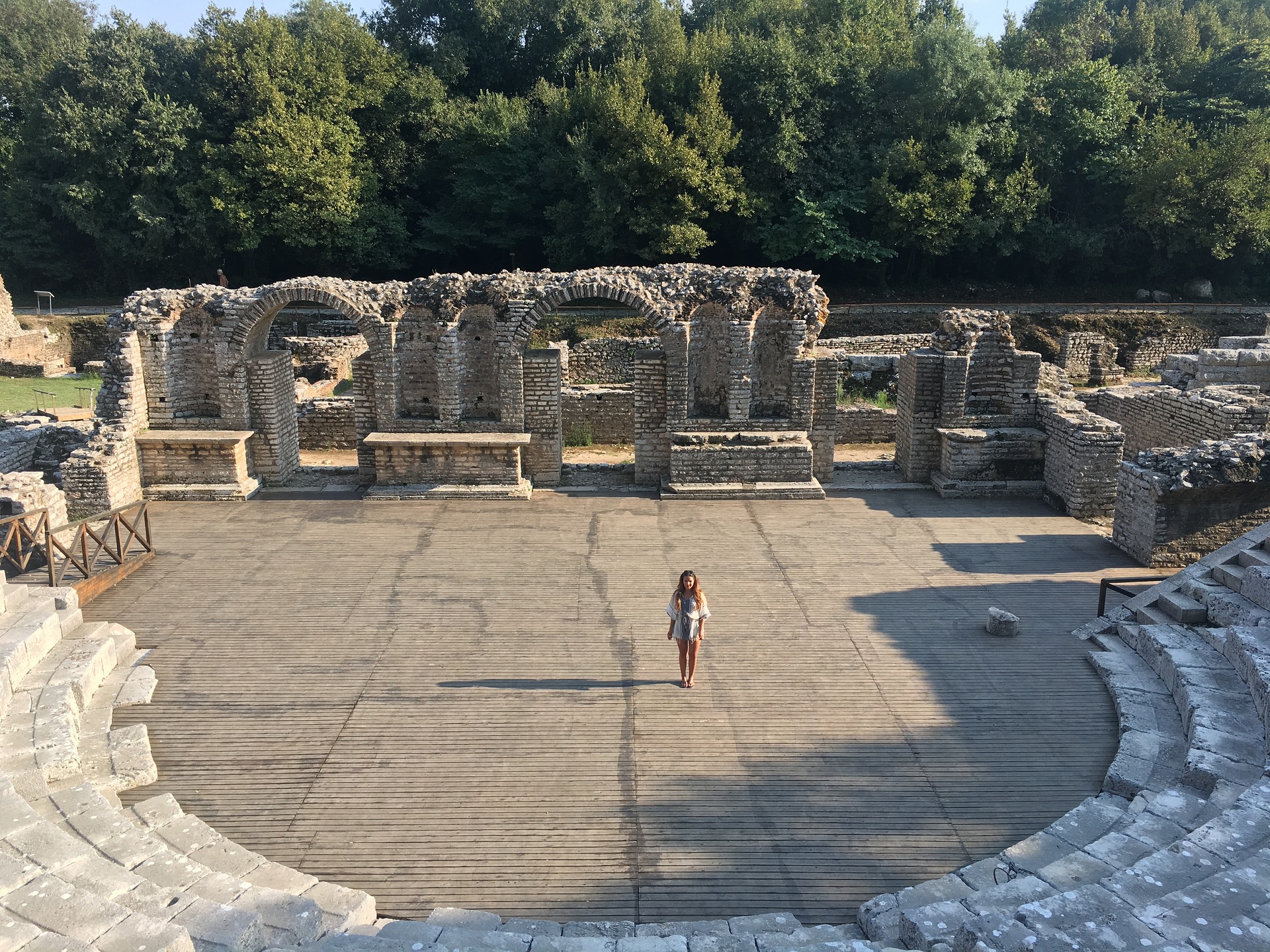
Morning drive to Albanian border passing Igoumenitsa, the important port city of the Ioninan sea. After border formalities drive and arrival at Butrinti ancient site. 

Butrinti was an ancient Greek and later Roman city and bishopric in Epirus. Perhaps inhabited since prehistoric times, Buthrotum was a city of the Epirote tribe of the Chaonians, later a Roman colony and a bishopric. Today the remains of this city are one of several UNESCO sites in Albania. Guided visit inside. 

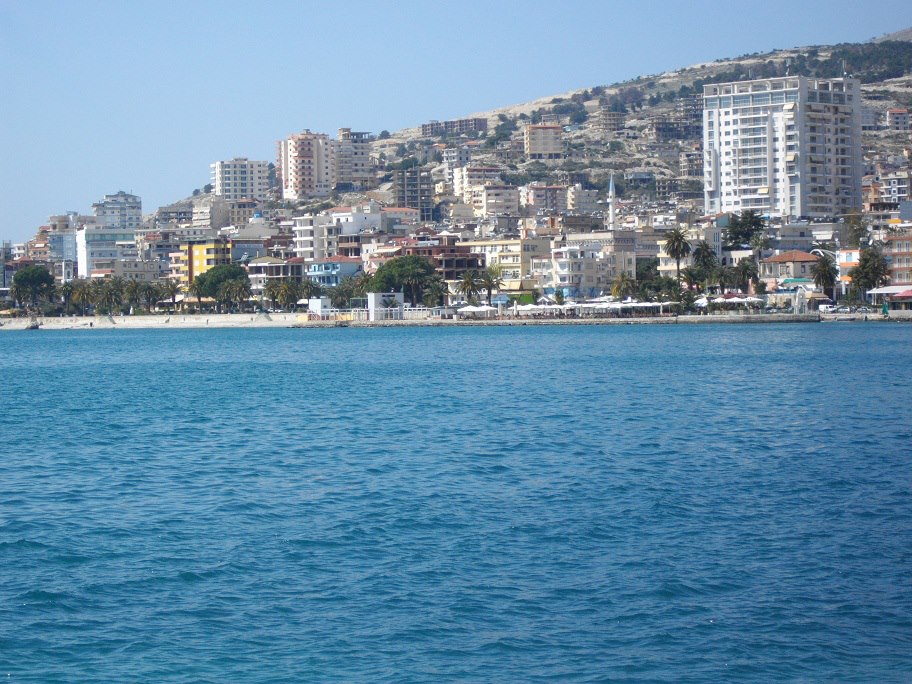
In the afternoon arrival in Saranda, a tourist resort in southern Albania. 

Sandwiched between the Ionian Sea and hills of olive groves, the town is on a horseshoe-shaped bay, edged by beaches and a promenade. In the center are the archaeological remains of a 5th-century synagogue, later an early Christian basilica. Intricate floor mosaics are still evident. The 16th-century Lëkurësi Castle is on a hilltop above the town. 

Evening at leisure in Saranda and overnight.

(Day 10) From Mostar to Sarajevo

Drive along the canyon and lakes made by river Neretva, with stop at the town of Jablanica and 

visit to the "Museum of the Battle for the Wounded at Neretva". The Memorial Complex is dedicated to the Battle on the Neretva held during the 2nd world war. In order to mark this event with dignity and integrity, the Memorial Complex was opened on 12 November 1978 to mark the 35th anniversary of the Battle of the Neretva. 

In the afternoon arrival to Sarajevo, the capital of Bosnia and Herzegovina, a compact city on the Miljacka River, surrounded by the Dinaric Alps. Its center has museums commemorating local history, including Sarajevo 1878–1918, which covers the 1914 assassination of Archduke Franz Ferdinand, an event that sparked World War I. Landmarks of the old quarter, Baščaršija, include the Ottoman-era Gazi Husrev-bey Mosque

Sarajevo is the political, financial, social and cultural center of Bosnia and Herzegovina and a prominent center of culture in the Balkans, with region-wide influence in entertainment, media, fashion and the arts. Due to its long history of religious and cultural diversity, Sarajevo is sometimes called the "Jerusalem of Europe" or "Jerusalem of the Balkans". It is one of only a few major European cities to have a mosque, Catholic church, Orthodox church and synagogue within the same neighborhood. Guided city tour in the old town Bash Charshia.

The most famous part of the city is Bash Charshia. "Baščaršija" is Sarajevo's old bazaar and the historical and cultural center of the city, built in the 15th century when Isa-Beg Isaković founded the city. It is located on the north bank of the river Miljacka and there are several important historic buildings, such as the Gazi Husrev-beg Mosque and sahat-kula. Today Baščaršija is the major tourist attraction of Sarajevo.

Accommodation and overnight at 4* hotel in Sarajevo city center

4
Day 04

The Albanian coastline

Leaving Saranda after breakfast and drive on the picturesque mountain road along the Ionian sea and Albanian coast line. 

Photo stop by Porto Palermo and nearby small lagoon used as a military base during the communist times. Passing Llogara National Park, centered on the Ceraunian Mountains along the Albanian Riviera in Southwestern Albania, spanning an surface area of 1,010 ha. The park's terrain includes large alpine meadows, vertical rock faces, precipices and dense forests.

In the afternoon arrival at Durres, the biggest port city in Albania. Durres is located west of the capital, Tirana and it’s known for its huge Roman amphitheater. Nearby is a 9th-century church with mosaic-covered walls and so called Venetian tower. Coffee break near the port and city center and free time to explore the city. 

Arrival in Tirana late afternoon. Accommodation and overnight in Tirana.

(Day 11) Departure

Free time in Sarajevo until departure to Sarajevo airport. 

End of the tour. 

5
Day 05

Tirana and Kruje

Full day tour from Tirana to Kruje and walking tour in Tirana.

Tirana is the capital of Albania and the biggest city in the country. This morning you will have a walking tour with our local guide in the city center with visit to the National museum. Tirana is located in the center of Albania enclosed by mountains and hills with Mount Dajt elevating on the east and a slight valley on the northwest overlooking the Adriatic Sea in the distance. Due to its location at the Plain of Tirana and the close proximity to the Mediterranean Sea, the city is particularly influenced by a Mediterranean seasonal climate. It is among the wettest and sunniest cities in Europe, with 2,544 hours of sun per year.

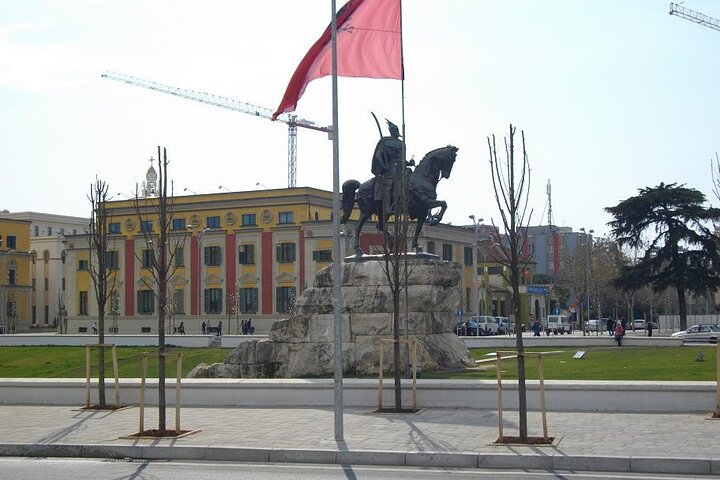
Krujе is a town and a municipality in north central Albania, located between Mount Krujе and the Ishеm River. In 1190 Krujë became the Principality of Arbër. In the early 15th century Krujë was conquered by the Ottoman Empire, but then recaptured in 1443 by Skanderbeg, leader of the League of Lezhë, who successfully defended it against three Ottoman sieges until his death in 1468. Today you can visit the National Museum "George Castrioti Skanderbeg", also known as the Skanderbeg Museum or the Kruja Museum which is one of the most important and visited museums in Albania. The museum was built at the end of the 70's and was inaugurated on November 1, 1982.

Back to Tirana and evening at leisure. Overnight in Tirana.

6
Day 06

The mountains of Montenegro

Morning drive towards north Albania.

Stop at the city of Shkodra, one of the most populous cities of Albania and the capital of the eponymous municipality and county. It is one of the most ancient cities in the Balkans and exerts strong cultural, economic and religious influences in Northern Albania. Its location has been of strategic importance throughout its history. It has often helped the city to its wealth or made it the subject of conflicts between foreign powers. Coffee break in the city center and walking at the main pedestrian zone in the city.

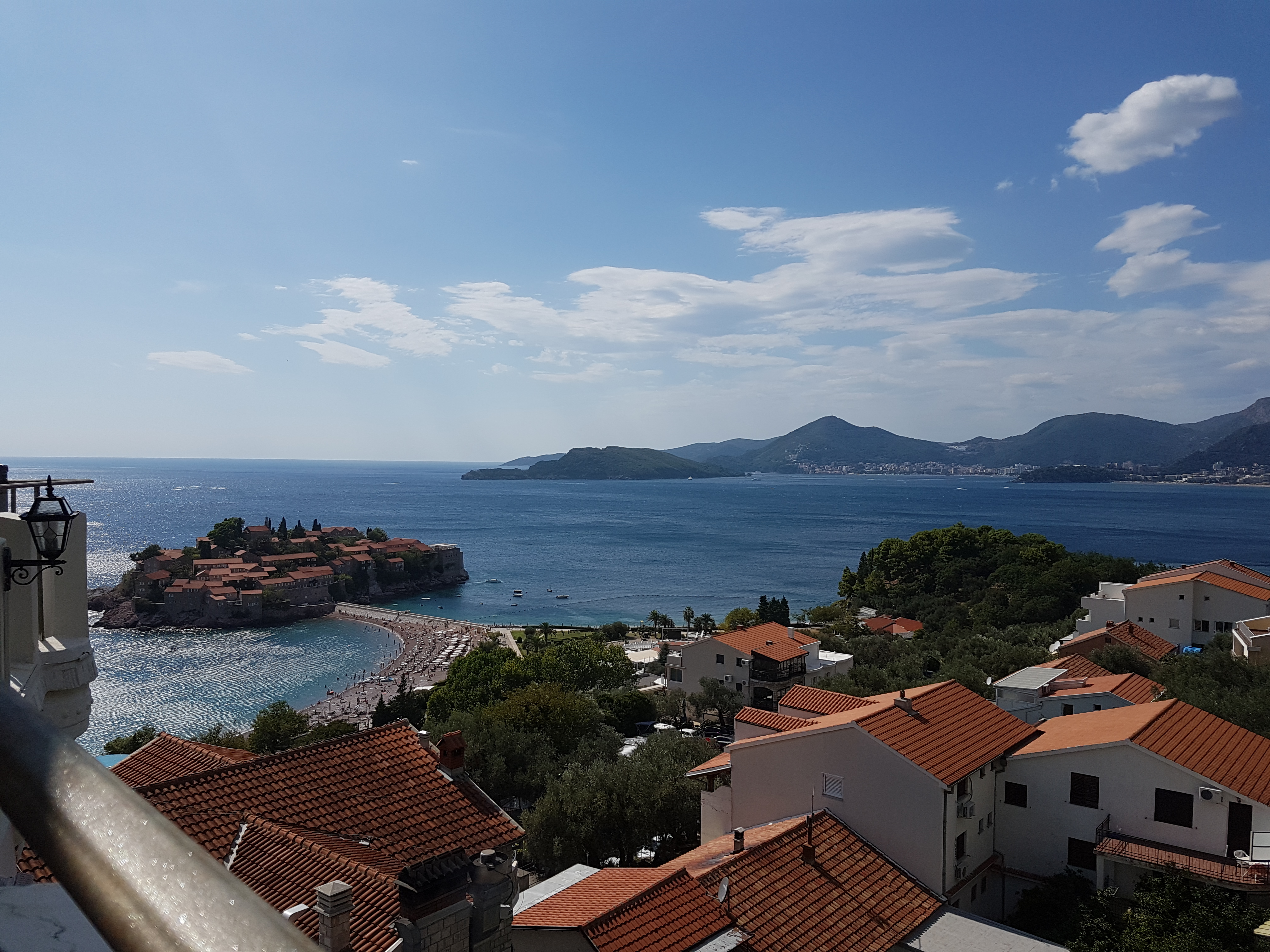
Border crossing and welcome to Montenegro, a Balkan country with rugged mountains, medieval villages and a narrow strip of beaches along its Adriatic coastline. The Bay of Kotor, resembling a fiord, is dotted with coastal churches and fortified towns such as Kotor and Herceg Novi.

Drive towards Tara canyon and river. Slicing through the mountains at the northern edge of the national park, the Tara River forms a canyon that is 1300m deep at its peak (the Grand Canyon plummets a mere 200m deeper). The best views are from the water, and rafting along the river is one of the country's most popular tourist activities. 

Stop by the famous Tara bridge, designed by engineer Mijat Trojanović and built between 1937 and 1940 in the kingdom of Yugoslavia. This 365-metre-long bridge has five arches; the largest span is 116 meters. The roadway stands 172 meters above the Tara River. At the time of its completion, it was the biggest vehicular concrete arch bridge in Europe.

Late afternoon arrival at Durmitor national park.

Overnight at boutique hotel in the area.

7
Day 07

More of Montenegro - from the mountains to the sea

Drive on the picturesque mountain road south towards the town of Cetinje. Stop in the city and guided city tour.

Cetinje is the former royal capital of Montenegro and is the location of several national institutions, including the official residence of the president of Montenegro and the former seat of Montenegrian kings. Cetinje was founded in the 15th century and became a cradle of the culture of Montenegro and a Serbian Orthodox religious center. Its status as the honorary capital of Montenegro is due to its heritage as a long-serving former capital of Montenegro.

King Nikola’s Museum was founded in 1926, within the residence of the last Montenegrin ruler Nikola I Petrović Njegoš, in continuation of the tradition of collecting and carefully preserving the materials on the Montenegrin past. At one place you can see the most important museum material on the political, military and cultural history of Montenegro.

In the afternoon drive towards the coastline and the city of Budva, the biggest city in Montenegro coastline. Coffee break and possibility to have a walk in the old town. Overnight in the area.

8
Day 08

Boka Kotorska and drive to Dubrovnik

After breakfast drive and visit to Kotor, UNESCO site. Guided city tour in the old town. 

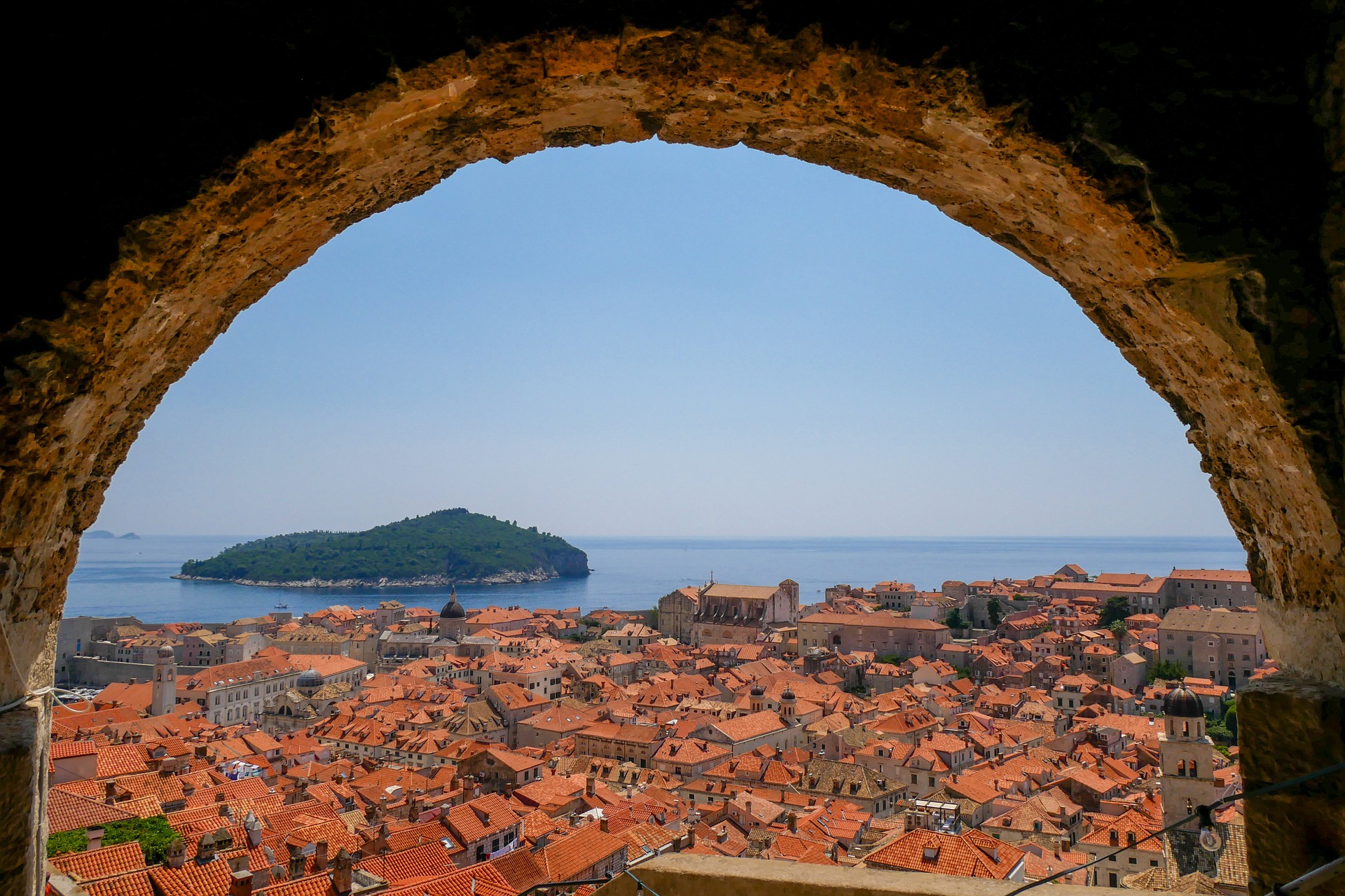
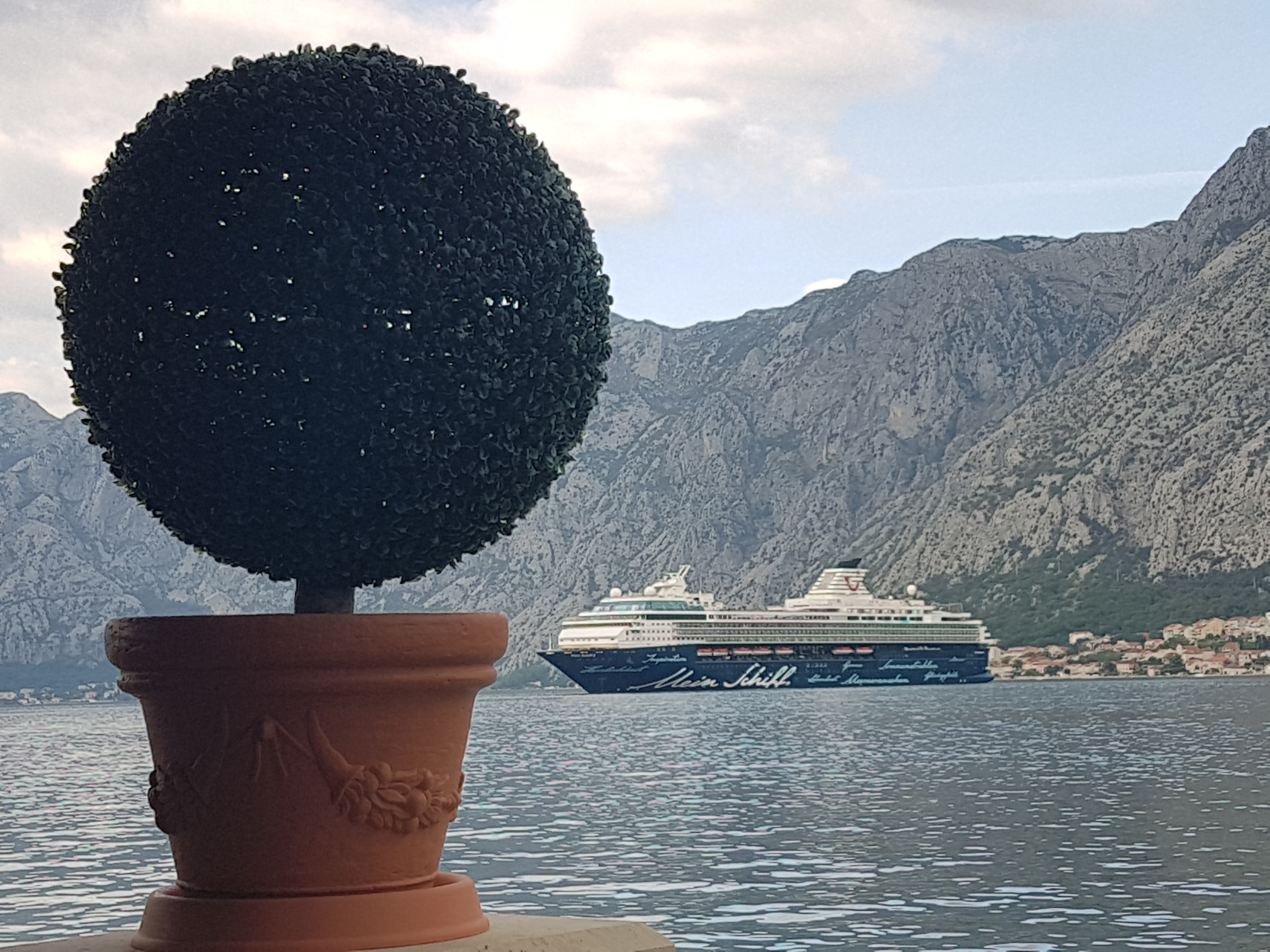
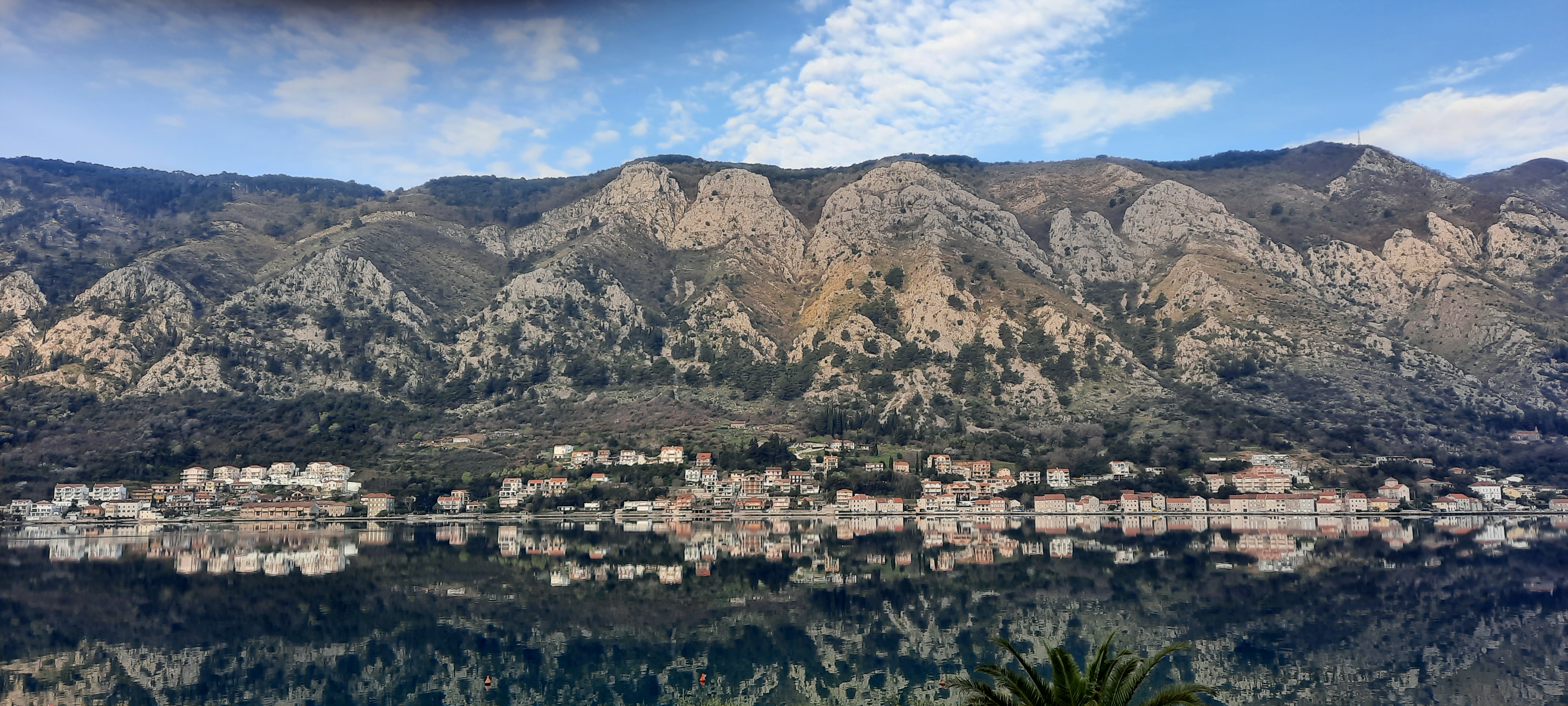
The old Mediterranean port of Kotor is surrounded by fortifications built during the Venetian period. It is located on the Bay of Kotor (Boka Kotorska), one of the most indented parts of the Adriatic Sea. Some have called it the southernmost fjord in Europe, but it is a ria, a submerged river canyon. Together with the nearly overhanging limestone cliffs of Orjen and Lovćen, Kotor and its surrounding area form an impressive landscape. Free time in Kotor for individual visits.

Later on Drive along the unique Bay of Kotor, locally known as Boka, the winding bay of the Adriatic Sea in southwestern Montenegro with a photo stops. It is also the southernmost part of the historical region of Dalmatia. The bay has been inhabited since antiquity. 

In the afternoon border crossing to Croatia and arrival to Dubrovnik.

Drop off at the hotel or port. End of the program.

The route

Where you'll travel

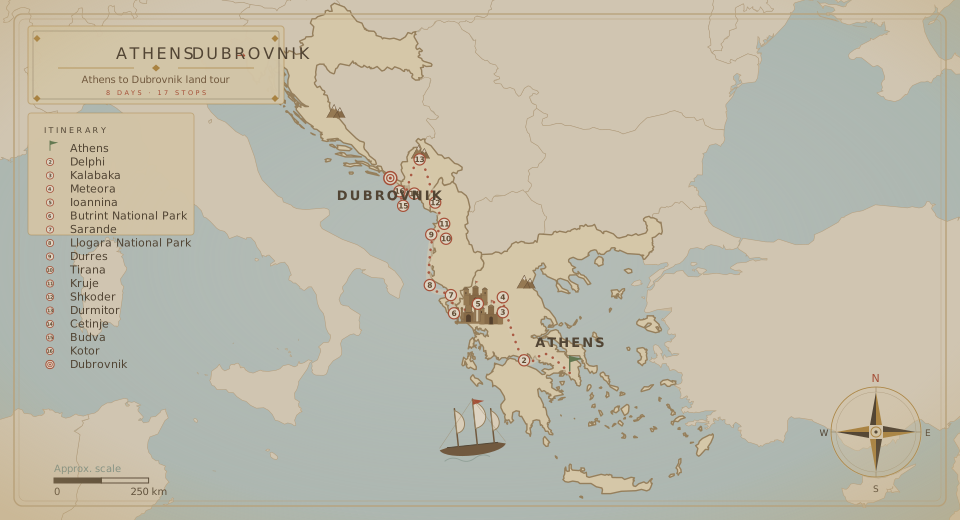
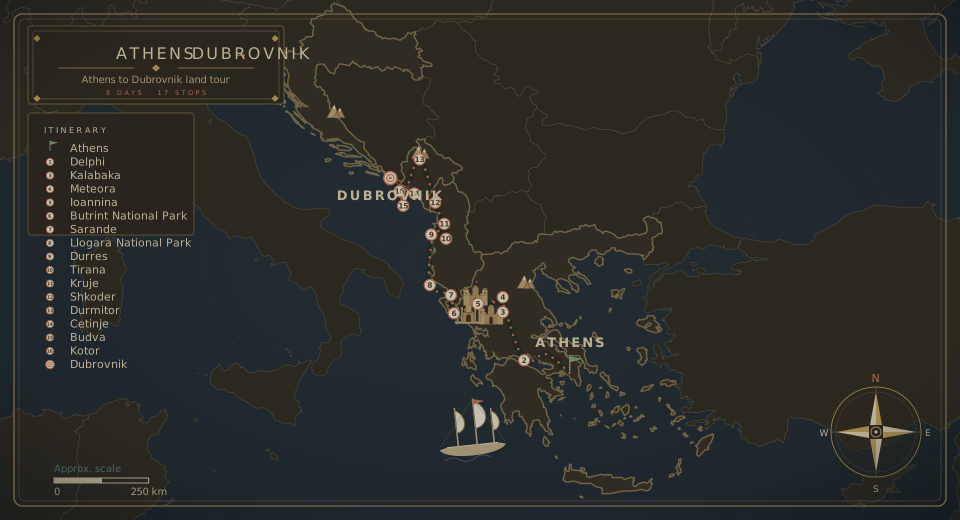
Tour route map
Round trip from Athens 21 cities · 8 Days

The fine print

Trip details

What's Included

Main tour

  • Pick up at any hotel or address within Athens
  • Private transportation with air conditioned comfortable vehicles suited to your group size;
  • Drop-off at any hotel or address within Dubrovnik;
  • 7 nights accommodation, including hotel taxes and service charges;
  • Daily buffet breakfast at hotels;
  • Services of an English speaking driver and local host for the whole tour (for parties up to 3 persons guide will be a driver as well)
  • Private guided tours: Butrinti ancient site, full day Tirana and Kruje; Cetinje city tour, including inside visits as described in the itinerary
  • Admission fees where applicable.
  • 1 bottle of water per person / per day complementary.

Tour extension

  • Private transportation with air conditioned comfortable vehicles suited to your group size;
  • 3 nights accommodation, including hotel taxes and service charges;
  • Services of an English speaking driver and local host for the whole tour (for parties up to 3 persons guide will be a driver as well);
  • Drop off at Sarajevo airport
  • Private guided tours at Mostar and Sarajevo including inside visits as described in the itinerary
  • Admission fees where applicable.
  • 1 bottle of water per person / per day complementary.

What's Not Included

Main tour:

  • Accommodation in Single room with supplement of € 295 per person (on request, to be required and paid during the booking process - included in the price for solo travelers)
  • Dinner x 9 when minimum 3 persons on tour with supplement of € 223 per person (on request, to be required and paid during the booking process)
  • Pre or post tour accommodation and airport transfer(s) are on your own.
  • Any other meal (lunch or dinner)
  • Gratuities for the driver/guide (not obligatory)
  • Personal travel insurance

Tour extension:

  • Accommodation in Single room with supplement of € 164 per person (on request, to be required and paid during the booking process - included in the price for solo travelers)
  • Dinner x 3 when minimum 3 persons on tour with supplement of € 84 per person (on request, to be required and paid during the booking process)
  • Any other meal (lunch or dinner)
  • Gratuities for the driver/guide (not obligatory)
  • Personal travel insurance

Know before you go

  • Children have to be accompanied with 2 adults

Logistics

Meeting & route

Meeting point
Athens, GR
Tour start
Athens, GR
Tour ends at the same location as the start point.
End of the journey

Your 8 days finish where they began, in Athens.

Watch the tourHQ film Watch the film

Create your own adventure

Can't find the perfect tour? Tailor your dream trip.

  • Tell us your destination, dates and group size.
  • Our travel experts and local guides design a tailored itinerary, just for you.
  • Enjoy your trip with peace of mind, knowing everything is taken care of.
Plan my holiday

Say goodbye to travel stress.