Nepal · Trekking

15-Day Annapurna Base Camp Trek with Poon Hill and Kathmandu Sightseeing

15 Days Round trip from Kathmandu 44600 Moderate pace

The journey

Trip highlights
  • 01 Trek through diverse landscapes of forests, rivers, and traditional villages
  • 02 Hike to Poon Hill for sunrise views of the Himalayas
  • 03 Explore cultural and historical sites in Kathmandu and Pokhara
  • 04 Experience the local customs and hospitality of the Gurung and Magar people
  • 05 Spot flora and fauna including rhododendrons, orchids, and rare bird species
  • 06 Stay in cosy tea houses and enjoy traditional Nepali meals along the trek

Sign up for a 15-day adventure through Nepal's Annapurna region. Trek through dense forests, witness awe-inspiring sunrises atop Poon Hill, and marvel at the majestic Annapurna range and Machhapuchhre Mountain. Explore deep gorges, high passes, and pristine lakes while immersing yourself in the region's unique cultures.

Trek through dense forests, witness awe-inspiring sunrises atop Poon Hill, and marvel at the majestic Annapurna range and Machhapuchhre Mountain.

From the itinerary

At a glance

What this trip includes

Duration 15 Days
Tour type Private
Activity level Moderate
Accommodation Included · Standard
Transport Included
Wheelchair access Yes
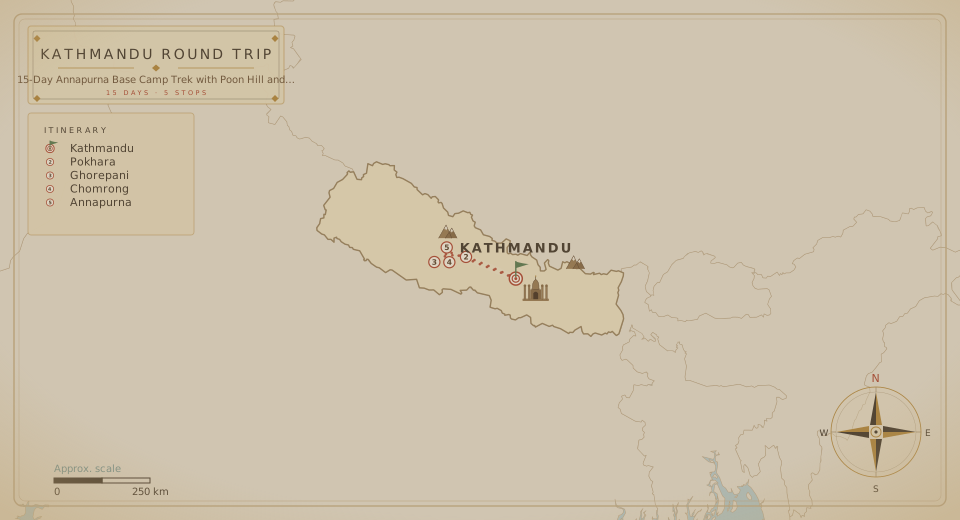
Cities Pokhara, Kathmandu, Annapurna, Ghorepani, Chomrong
Languages English

Day by day

The itinerary

1
Day 01

Arrival in Kathmandu and Hotel Transfer

  • Your tour representatives will welcome you at TIA, Kathmandu, and assist with your transfer to the hotel. Once you have had a chance to settle in, you will meet your guide to discuss the details of the trip before joining a welcome dinner. Stay overnight at the hotel.
2
Day 02

Kathmandu Sightseeing and Trek Preparation

  • Kathmandu, the capital city of Nepal, is a vibrant and bustling city full of history and culture. There are many interesting places to visit in Kathmandu, including UNESCO World Heritage Sites such as Pashupatinath Temple, Boudhanath Stupa, Swayambhunath Stupa (also known as Monkey Temple), and Kathmandu Durbar Square.
  • Before starting the trek, it is important to prepare and make the necessary arrangements. In Kathmandu, you can purchase or rent any required trekking gear or equipment. It is also a good idea to consult with your trekking agency or guide to discuss the itinerary and ensure you have all the necessary permits and documentation.
  • During your stay in Kathmandu, you can also acclimatize to the altitude by taking short walks or hikes around the city. This will help prepare you for the trek and reduce the risk of altitude sickness.
  • In addition to sightseeing and preparation, you can also experience the local culture by sampling traditional Nepali cuisine, attending cultural performances or festivals, and interacting with the friendly locals.
3
Day 03

Flight from Kathmandu to Pokhara

  • The flight from Kathmandu to Pokhara takes around 25-30 minutes. It is a scenic flight that offers stunning views of the Himalayan mountains, including the Annapurna and Manaslu ranges, as well as the lush green hills and valleys of Nepal. Several airlines operate daily flights between Kathmandu and Pokhara, including Yeti Airlines, Buddha Air, and Nepal Airlines. It is a popular route for travellers who want to get to Pokhara quickly and comfortably without spending too much time on the road.
  • Baggage Limit for Flight to Pokhara
  • The baggage limit for a flight from Kathmandu to Pokhara can vary depending on the airline and type of ticket you have. Generally, for domestic flights in Nepal, the baggage allowance is around 15 kg (33 lbs) for checked-in luggage and 5 kg (11 lbs) for hand luggage. However, it is recommended to check with your airline for their specific baggage allowance policy to avoid any surprises or extra fees at the airport.
  • Storage Available in Kathmandu and Pokhara
  • Yes, there are storage facilities available in both Kathmandu and Pokhara. Many hotels, trekking agencies, and guest houses provide luggage storage services for their guests. There are also independent storage facilities that offer short-term and long-term storage options for travellers. Prices may vary depending on the size of the luggage and the length of storage time. It is important to inquire about the security measures and insurance policies before leaving your belongings.
4
Day 04

Drive to Birethati and Trek to Ulleri

  • The first day of the Annapurna Base Camp Trek starts with a scenic drive from Pokhara to Birethati. The drive usually takes 1-2 hours and covers a distance of about 42 kilometres. You will pass through small villages, beautiful farmlands, and lush green forests along the way.
  • Upon reaching Birethati, you will begin your trek to Ulleri. The trail starts with a crossing of the Modi Khola River and takes you through small villages and rice paddies. The trail gradually ascends towards the village of Tikhedhunga, where you can stop for lunch.
  • After lunch, you will continue your ascent towards Ulleri. The trail becomes steeper as you climb up the stone steps that make up most of the trail. The climb can be challenging, but the beautiful views of the surrounding hills and valleys make it worthwhile.
  • As you approach Ulleri, you will notice that the trail is lined with beautiful rhododendron forests. Ulleri is a beautiful village perched on a hillside and offers breathtaking views of the surrounding landscape. You will stay in a tea house and enjoy a warm dinner before retiring.
  • Overall, the first day of the trek is relatively easy, with a mix of driving and trekking. It is a great way to start your journey and acclimatize to the altitude.
  • Introduction to the Crew Before Starting the Trek
  • Before starting the trek to Annapurna Base Camp, it is common practice for trekking agencies to introduce trekkers to the crew accompanying them throughout the journey. This includes the guide, porters, and other support staff.
  • The guide is the most important member of the crew, as he or she will be responsible for leading the trek and ensuring the safety and well-being of the trekkers. The guide will also provide information about the trek, the local culture, and the region's history.
  • The porters will be responsible for carrying the luggage of the trekkers, including their personal belongings, food, and other supplies needed for the trek. They are an essential part of the trekking crew and play a vital role in ensuring the comfort and safety of the trekkers.
  • Other support staff may include cooks, who will prepare meals for the trekkers, and helpers who will assist with setting up the camping equipment or tea house accommodations.
  • Introducing the crew to the trekkers before the trek begins helps build rapport and allows them to ask any questions they may have. It also helps establish trust and confidence in the crew, which is important for a successful and enjoyable trekking experience.
5
Day 05

Trek from Ulleri to Ghorepani

  • The trek from Ulleri to Ghorepani is a moderate hike that takes about 5 hours. From Ulleri, the trail gradually ascends through a dense forest of oak and rhododendron trees. Along the way, you will pass several small villages and get stunning views of the Annapurna and Dhaulagiri mountain ranges.
  • After a few hours of hiking, you will reach the village of Banthanti, where you can take a short break and enjoy some refreshments. From Banthanti, the trail continues uphill to Nangethanti, a popular trekking lunch spot. You can stop here for a hearty meal before continuing to Ghorepani.
  • As you approach Ghorepani, you will see more teahouses and lodges along the trail. Ghorepani is a popular destination for trekkers and a hub for those heading to Poon Hill. Once you arrive in Ghorepani, you can rest and enjoy the stunning views of the surrounding mountains.
6
Day 06

Poon Hill Hike and Trek to Chuile

  • On this day of the Annapurna Base Camp Trek, you will trek from Ghorepani to Tadapani via Chuile. The trek takes around 7 hours, and you will ascend to an altitude of 2,310 m / 7,579 ft.
  • During the trek, you will also have the opportunity to hike to Poon Hill, located at an altitude of 3,210 m / 10,531 ft. The hike to Poon Hill takes around 2 hours and offers breathtaking views of the Annapurna and Dhaulagiri mountain ranges.
  • At the end of the day, you will reach Tadapani, where you will spend the night at a teahouse. The trek is moderately challenging and requires a good level of fitness. Bring enough water and snacks for the hike to Poon Hill.
  • Entrance Fees for Poon Hill Hike (Optional)
  • There is no entrance fee for the Poon Hill hike. It is part of the Annapurna Conservation Area, for which trekkers must obtain a permit. The permit fee depends on the season and the duration of the trek. However, Poon Hill is not a separate attraction that requires an additional fee.
7
Day 07

Trek from Chuile to Sinuwa

  • The trek from Chuile to Sinuwa is a moderate one with several ups and downs along the way. The trail goes through a dense forest of rhododendron, oak, and bamboo trees, providing a pleasant trekking experience. The trail passes through several small villages, offering a glimpse of the local lifestyle and culture.
  • After leaving Chuile, the trail continues through forests and a series of small settlements before reaching the village of Tadapani. Tadapani is a small village with a few tea houses and lodges, making it a great place to rest and enjoy the view. From Tadapani, the trail descends to the village of Chuksamle and then crosses a suspension bridge over the Kimrong Khola. The trail then ascends through the forest, passing several small streams before reaching Sinuwa.
  • Sinuwa is a small Gurung village with a few tea houses and lodges. It offers a great view of the surrounding mountains and is a perfect place to rest before continuing the trek to Annapurna Base Camp.
8
Day 08

Trek from Sinuwa to Himalaya

  • This section of the trek is approximately 10 kilometres. The trail gradually ascends through a dense forest of rhododendrons and bamboo. Along the way, trekkers can enjoy stunning views of the surrounding mountains, including Hiunchuli, Annapurna South, and Machhapuchhre. After walking for about 3 hours, trekkers will reach the small village of Bamboo, where they can take a short break and enjoy some refreshments. The trail continues through a dense forest and a steep uphill climb until reaching Himalaya.
9
Day 09

Trek from Himalaya to Machhapuchhre Base Camp

  • The trek from Himalaya to Machhapuchhre Base Camp is a gradual uphill climb that takes around 4 hours to complete. The trail passes through dense forests, waterfalls, and some small settlements. As you gain altitude, you will see snow-capped peaks in the distance.
  • Machhapuchhre Base Camp (also known as MBC) is situated at an elevation of 3,700 meters (12,139 feet) and is a popular stopover for trekkers before continuing to Annapurna Base Camp.
  • The campsite is surrounded by towering mountains, including the majestic Machhapuchhre (Fishtail) Peak. Several lodges and teahouses are available for accommodation, as well as shops selling basic supplies and souvenirs. The air at this altitude is thin and chilly, so dress warmly and stay hydrated.
10
Day 10

Trek from Machhapuchhre Base Camp to Annapurna Base Camp

  • The trek from Machhapuchhre Base Camp to Annapurna Base Camp takes around 3 hours. The trail is mostly uphill, and the significant altitude gain makes it challenging for some trekkers. However, the stunning views of the surrounding mountains, including Annapurna South, Hiunchuli, and Machhapuchhre, make it a rewarding experience.
  • As you approach Annapurna Base Camp, the landscape changes from lush green forests to barren rocky terrain. You will also pass by several tea houses and lodges along the way, where you can take a break, have some food and drinks, and acclimatize to the altitude.
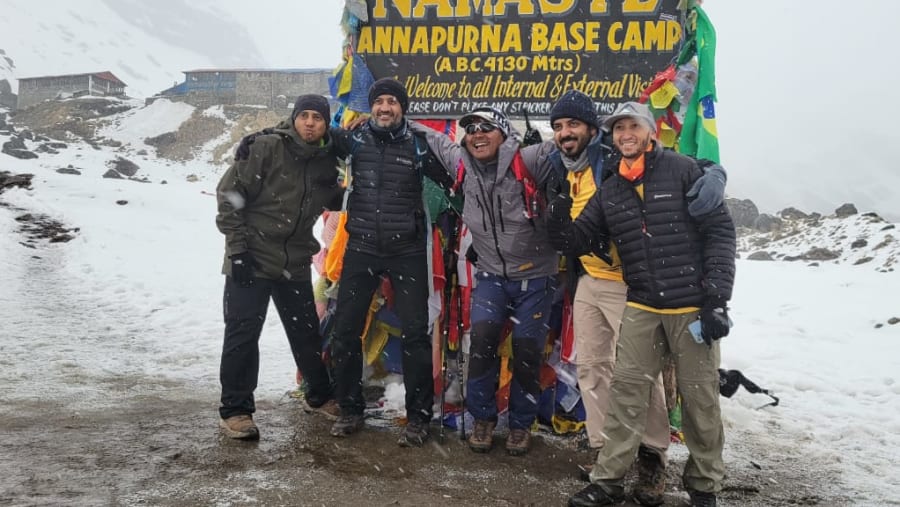
  • Upon reaching Annapurna Base Camp, you will be rewarded with a breathtaking panoramic view of Annapurna I, Hiunchuli, Annapurna South, Gangapurna, and other surrounding peaks. It is an unforgettable experience, and you will have plenty of time to take in the stunning scenery and capture some photos.
11
Day 11

Trek from Annapurna Base Camp to Bamboo

  • The trek from Annapurna Base Camp to Bamboo takes around 6 hours and is mostly downhill, with a total descent of about 1800 m / 5900 ft. The trail follows the same route as the ascent, passing through Machhapuchhre Base Camp, Deurali, and Dovan. As the elevation decreases, the vegetation changes from alpine to sub-tropical, with rhododendron forests and bamboo groves dotting the trail.
  • The descent can be hard on the knees and ankles, so it is important to take it slow and steady. The trail can also be slippery in some sections, especially if it has rained or snowed recently. Trekking poles can come in handy in such situations.
  • Bamboo is a small settlement with a few tea houses and lodges that provide basic accommodation and meals. It is located in a narrow valley beside a river, surrounded by lush greenery. The sound of the flowing water and the chirping of birds create a peaceful ambience.
12
Day 12

Trek from Bamboo to Jhinu Danda

  • The trek from Bamboo to Jhinu Danda is a scenic and enjoyable one. The trail mostly goes downhill through lush forests and small villages. Here is a breakdown of what you can expect during this part of the trek:
  • The trek starts from Bamboo, at an altitude of 2,310 m (7,579 ft). From here, you will descend through the forest and cross the Modi Khola River several times on suspension bridges. You will pass through a few small settlements, such as Khuldighar and Sinuwa, before reaching Chomrong, the last big settlement on the trail.
  • After a short break in Chomrong, you will start descending towards Jhinu Danda. The trail is steep and can be a bit challenging, especially on the knees. Along the way, you will pass through beautiful terraced fields and dense forests filled with rhododendrons and bamboo trees.
  • After about 5 hours of trekking, you will reach Jhinu Danda, a small village famous for its natural hot springs. The hot springs are a short hike downhill from the village and are a great way to relax and soothe your muscles after a long day of trekking.
  • In Jhinu Danda, you can spend the night in one of several lodges and guesthouses. The accommodations here are basic but comfortable, and most offer stunning views of the surrounding hills and valleys. There are also a few small restaurants where you can enjoy a hearty meal and local drinks.
13
Day 13

Walk to Siwai and Drive Back to Pokhara

  • The trek from Jhinu Danda to Siwai is a short, easy walk that takes around 1 hour. From Siwai, you will take a scenic drive back to Pokhara, where you can relax and unwind after your trekking adventure.
  • Culture: The village of Siwai is home to a mix of ethnic communities, including Gurung, Magar, and Brahmin. During your visit, you can observe their unique culture, traditions, and lifestyles.
  • Nature: The trek from Jhinu Danda to Siwai takes you through scenic landscapes with views of terraced fields, lush forests, and rolling hills. You can also enjoy the cool and fresh mountain air, a refreshing change from the bustling city.
  • Walking Distance: The trek from Jhinu Danda to Siwai is approximately 3 kilometres (1.8 miles) and takes around 1 hour of easy trekking.
  • Flora and Fauna: The area around Siwai is home to various flora and fauna, including rhododendrons, oak trees, and a range of bird species. If you are lucky, you may spot some wildlife, such as monkeys and deer, during your trek.
  • Drive: The drive from Siwai to Pokhara is a scenic journey that takes you through beautiful countryside landscapes with rice paddies, hills, and village views. The drive takes around 2-3 hours, depending on traffic conditions.
  • Accommodation: Upon arrival in Pokhara, you can choose from various accommodation options, including hotels, lodges, and guesthouses. These accommodations offer comfortable amenities like hot showers, beds, and delicious meals.
  • In conclusion, the trek from Jhinu Danda to Siwai is a short and easy walk that takes you through scenic landscapes and offers a glimpse into the unique culture and traditions of the local communities. The drive back to Pokhara is also scenic and offers stunning countryside views. Overall, the trek to Annapurna Base Camp is a memorable adventure that combines nature, culture, and adventure in one amazing trip.
  • About Completing the Trek
  • You can celebrate the successful completion of your trek with your crew members. Tipping your guide, porters, and other staff members for their services is customary. The amount of tip is up to your discretion, but it is recommended to give around 10% to 15% of the total trip cost. Expect to spend about $130 to $150 on tipping.
  • The last night of the trek is spent in Pokhara, allowing you to reflect on your journey and bid farewell to your guide and porters. You can also enjoy a final dinner with your team if you wish to buy them dinner and drinks (optional) and take in the breathtaking views of the Himalayas one last time. The next morning, you will take a short flight back to Kathmandu, marking the end of your unforgettable adventure in the Himalayas.
14
Day 14

Travel from Pokhara to Kathmandu

  • If you plan to travel from Pokhara to Kathmandu, you have two main options: a tourist bus or a flight.
  • Tourist Bus: A tourist bus from Pokhara to Kathmandu is a popular and affordable option for many travellers. The journey takes around 7 hours and offers stunning views of the Nepalese countryside. The tourist bus departs from Pokhara early in the morning and arrives in Kathmandu in the afternoon. The bus is comfortable and equipped with air conditioning and basic amenities.
  • Flight: A flight from Pokhara to Kathmandu is quicker and more convenient for those who want to save time. The flight takes around 25-30 minutes and offers breathtaking views of the Himalayas. Flights depart several times a day from Pokhara Airport and arrive at Kathmandu's Tribhuvan International Airport.
  • Recommendation: While both options have advantages, taking the flight is recommended if you are short on time or prefer a more comfortable journey. The flight is more expensive than the bus, but it offers stunning views of the mountains and saves you from a long and tiring road journey. However, if you have plenty of time and enjoy a scenic road trip, the tourist bus is a great option that allows you to enjoy the beautiful Nepalese countryside.
  • In conclusion, whether you take a tourist bus or a flight from Pokhara to Kathmandu, you are sure to have an unforgettable experience in Nepal. The journey offers stunning views of the Himalayas and the Nepalese countryside, making it a highlight of any trip to Nepal.
15
Day 15

Final Departure from Kathmandu

  • It looks like you have completed your adventure in Nepal. Before you head back home, please take a moment to share your feedback with us. We hope you had an amazing time exploring Nepal's natural beauty and cultural richness.
  • Finally, as you prepare for your international flight back home, thank you for choosing us as your travel partner. We hope that you will cherish the memories of your trip to Nepal for years to come, and we look forward to welcoming you back for another adventure in the future. Be ready at the hotel lobby 3 hours before your international flight. Namaste! See you again next time.
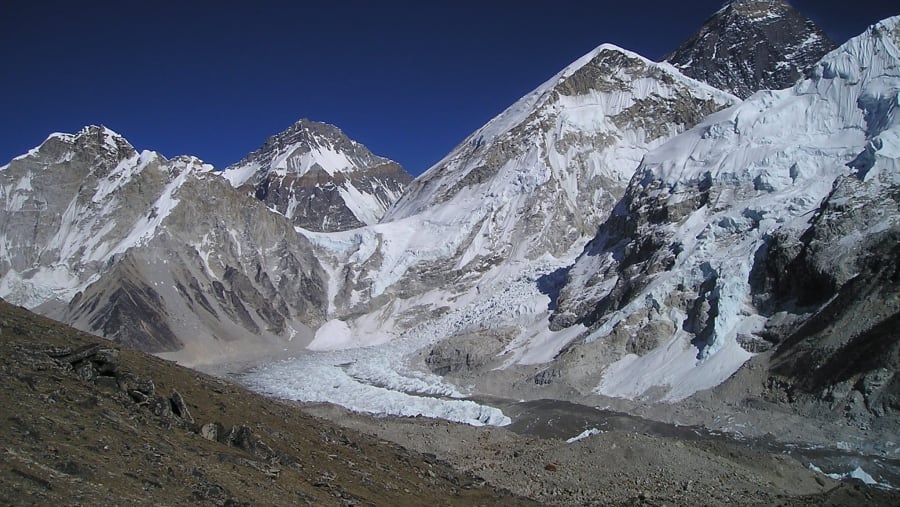
Poon Hill sunrise, Annapurna Base Camp, Machhapuchhre Base Camp, Pokhara

Where this trip takes you

Poon Hill sunrise, Annapurna Base Camp, Machhapuchhre Base Camp, Pokhara

The route

Where you'll travel

Tour route map
Round trip from Kathmandu 44600 5 cities · 15 Days

The fine print

Trip details

What's Included

  • Airport pick-up and drop-off services
  • Accommodation in Kathmandu and Pokhara as per itinerary
  • Guided sightseeing tour of Kathmandu
  • All ground transportation as per itinerary
  • Trekking permits (ACAP and TIMS)
  • Meals (breakfast, lunch, and dinner) during the trek
  • Accommodation in tea houses or lodges during the trek
  • Experienced trekking guide and porters
  • Salary, insurance, equipment, food, and accommodation for the guide and porters
  • First aid medical kit
  • Rescue arrangements (if necessary)

What's Not Included

  • International airfare to and from Nepal
  • Nepal entry visa fees
  • Travel insurance (mandatory)
  • Meals and accommodation in Kathmandu and Pokhara (except as mentioned in the itinerary)
  • Personal expenses such as snacks, drinks, and souvenirs
  • Tips for the guide and porters

What to bring

When preparing for the Annapurna Base Camp Trek, it is essential to pack wisely and ensure you have all the necessary items for a safe and enjoyable journey. Here are some essential items to bring:

Clothing:

  • Lightweight and moisture-wicking hiking shirts
  • Warm layers (fleece or down jacket) for colder temperatures
  • Waterproof and windproof jacket and pants
  • Hiking pants or trousers
  • Thermal base layers
  • Hiking socks and liners
  • Sun hat and beanie for warmth
  • Gloves (lightweight and warm)

Footwear:

  • Sturdy and comfortable hiking boots
  • An extra pair of lightweight shoes or sandals for relaxing in the evening
  • Extra socks for changing during the trek

Backpack:

  • A reliable backpack with a capacity of around 40-50 litres
  • Rain cover or waterproof bag to protect your belongings
  • Plastic bags or stuff sacks for organizing your gear

Trekking Gear:

  • Sleeping bag suitable for colder temperatures
  • Trekking poles for stability and support
  • Headlamp or flashlight with extra batteries
  • Sunglasses with UV protection
  • Sunscreen and lip balm with high SPF
  • Insect repellent

Personal Items:

  • Personal hygiene products (toothbrush, toothpaste, toilet paper, etc.)
  • Quick-drying towel
  • Wet wipes or hand sanitizer
  • Medications (if required)
  • First aid kit (band-aids, blister pads, antiseptic cream, etc.)
  • Water purification tablets or a water filter
  • Snacks and energy bars for extra fuel during the trek

Miscellaneous:

  • Trekking permit and identification documents
  • Cash for emergency purposes and local expenses
  • Maps, guidebooks, or a GPS device
  • Camera or smartphone for capturing memories
  • Power bank or extra batteries for electronic devices
  • Trekking poles for stability and support

Remember to pack light and only bring essential items to avoid unnecessary weight on your trek. It is also advisable to check the weather conditions and consult with experienced trekkers or tour guides to ensure you have all the necessary items for a safe and enjoyable Annapurna Base Camp Trek.

Know before you go

  • Before embarking on the Annapurna Base Camp Trek, gathering essential information and making necessary preparations is important. Here are some key things to know before you go:
  • Trekking Permits: You will need two Annapurna Base Camp Trek permits: the Annapurna Conservation Area Permit (ACAP) and the Trekkers' Information Management System (TIMS) card. These permits can be obtained in Kathmandu or Pokhara before starting the trek.
  • Trekking Seasons: The best time to undertake the Annapurna Base Camp Trek is during the spring (March to May) and autumn (September to November) seasons. These periods offer clear skies, favourable weather conditions, and stunning views. However, be prepared for colder temperatures, especially at higher altitudes.
  • Fitness Level and Acclimatization: The Annapurna Base Camp Trek is moderately challenging. It is recommended to have a good level of physical fitness and stamina. Prior trekking experience is beneficial but not mandatory. Take time for acclimatization at certain points along the route to adjust to the altitude and minimize the risk of altitude sickness.
  • Itinerary and Route Options: The standard duration for the Annapurna Base Camp Trek is around 7-12 days, depending on your pace and preferences. The trek usually starts from Nayapul or Phedi, passing through Ghorepani, Tadapani, Chhomrong, and Machhapuchhre Base Camp before reaching Annapurna Base Camp. Research and plan your itinerary, considering your physical abilities and time constraints.
  • Accommodation and Facilities: Tea houses or lodges are available along the Annapurna Base Camp Trek route, providing basic accommodation and meals. However, facilities become more basic as you ascend, and carrying your sleeping bag is advisable. Meals are typically provided by the tea houses, offering a variety of local and international dishes.
  • Altitude Sickness: Be aware of the risks associated with altitude sickness. Stay hydrated, ascend gradually, and pay attention to any symptoms such as headache, nausea, dizziness, or difficulty breathing. If symptoms worsen, descend to a lower altitude and seek medical assistance if necessary.
  • Packing Essentials: Pack essential items such as appropriate clothing, sturdy trekking boots, a comfortable backpack, water purification tablets or a filter, a first aid kit, and other necessary personal items. Refer to the previous response for a more detailed packing list.
  • Hiring a Guide or Porter: While it is possible to trek to Annapurna Base Camp independently, hiring a local guide or porter can enhance your trekking experience and provide valuable insights about the region. They can assist with navigation, carry your backpack, and help ensure your safety.
  • Travel Insurance: It is highly recommended to have comprehensive travel insurance that covers medical expenses, emergency evacuation, and trekking activities at high altitudes. Confirm that your insurance policy provides adequate coverage for trekking in Nepal.
  • Respect Local Culture and Environment: Nepal is a culturally rich and diverse country. Respect local customs, traditions, and religious sites along the trekking route. Also, be mindful of the environment by practising responsible trekking, disposing of waste properly, and avoiding single-use plastics.
  • Remember to consult with experienced trekkers, tour agencies, or local guides to gather up-to-date information and advice specific to your Annapurna Base Camp Trek. Enjoy the journey, take in the breathtaking landscapes, and create unforgettable memories amidst the majestic Himalayas!

Logistics

Meeting & route

Meeting point
Kathmandu, Nepal
Tour start
Kathmandu 44600, Nepal
Tour ends at the same location as the start point.
End of the journey

Your 15 days finish where they began, in Kathmandu 44600.

Watch the tourHQ film Watch the film

Create your own adventure

Can't find the perfect tour? Tailor your dream trip.

  • Tell us your destination, dates and group size.
  • Our travel experts and local guides design a tailored itinerary, just for you.
  • Enjoy your trip with peace of mind, knowing everything is taken care of.
Plan my holiday

Say goodbye to travel stress.

Starting from

USD 1,199 /person
Book This Tour

When

Travellers

Total