Nepal · Trekking

11-Day Langtang Valley Trek with Kyanjing Gompa and Kathmandu Heritage

11 Days Round trip from Kathmandu 44600 Hard pace

The journey

Trip highlights
  • 01 Explore ancient temples, palaces, and stupas in Kathmandu Valley
  • 02 Trek through bamboo forests and enjoy scenic waterfalls
  • 03 Experience the warm hospitality of local villages along the trek
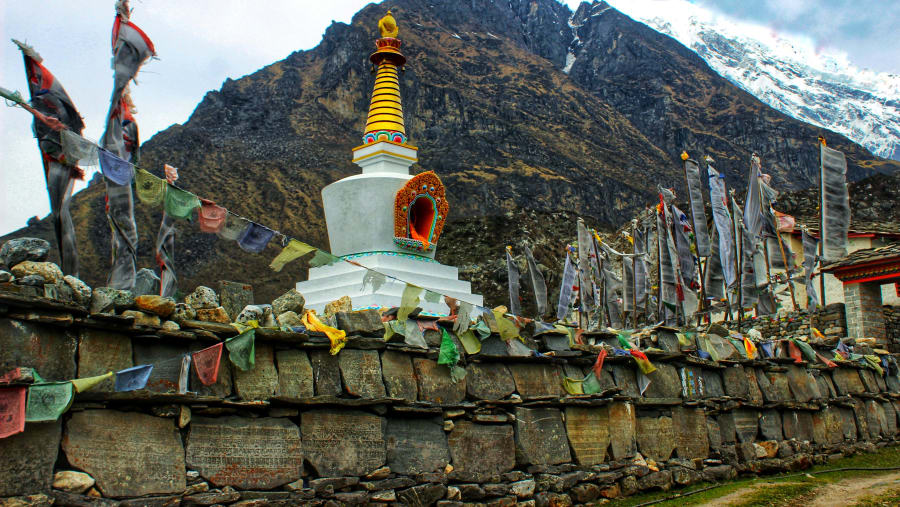
  • 04 Visit the renowned Kyanjing Gompa monastery and immerse yourself in Tibetan culture
  • 05 Enjoy panoramic mountain views and serene landscapes throughout the trek

Embark on an 11-day Langtang Valley Trek that combines cultural exploration in Kathmandu Valley with a rewarding Himalayan journey through bamboo forests, waterfalls, and picturesque mountain landscapes. Trek through traditional villages, experience the warm hospitality of local communities, and enjoy ever-changing views of the Langtang range along the way. A highlight of the route is Kyanjing Gompa, where you can visit the renowned monastery and immerse yourself in Tibetan culture. With scenic trails, panoramic mountain views, and meaningful cultural encounters, this trek offers a memorable experience in the Langtang region.

A highlight of the route is Kyanjing Gompa, where you can visit the renowned monastery and immerse yourself in Tibetan culture.

From the itinerary

At a glance

What this trip includes

Duration 11 Days
Tour type Private
Activity level Hard
Accommodation Included · Standard
Transport Included
Wheelchair access Yes
Cities Kathmandu, Langtang
Languages English

Day by day

The itinerary

1
Day 01

Arrival in Kathmandu and Welcome Dinner

  • Your guide will welcome you at TIA, Kathmandu, where our representatives will assist with your transfer to the hotel. Once you have had time to settle in, you will meet your guide to discuss the details of the trip before joining a welcome dinner. Stay overnight at the hotel.
2
Day 02

Drive from Kathmandu to Syabrubesi

  • The drive from Kathmandu to Syabrubesi is a scenic journey that takes approximately 6 hours, covering a distance of around 120 kilometres. Here is what you can expect during the drive:
  • Departure from Kathmandu: The drive begins in Kathmandu, the capital city of Nepal, located at an elevation of 1,350 meters. You will leave the bustling city behind and head towards the northern part of the Kathmandu Valley.
  • Traversing the Prithvi Highway: The route follows the Prithvi Highway, also known as the Tribhuvan Highway, a major road connecting Kathmandu with the northern regions of Nepal. The highway offers beautiful views of terraced fields, rural settlements, and the Trishuli River.
  • Scenic Landscapes and Riverside Views: As you drive further, you will be treated to stunning landscapes characterized by rolling hills, dense forests, and river valleys. The road winds along the Trishuli River, providing picturesque views of the river and the surrounding hills.
  • Passing Through Towns and Villages: Along the way, you will pass through several towns and villages, where you can observe the local way of life. These settlements offer glimpses of traditional houses, vibrant markets, and the daily activities of the people living in the region.
  • Tea and Lunch Breaks: There are several tea shops and restaurants along the route where you can take a break, stretch your legs, and enjoy a cup of tea or a meal. This is also an opportunity to interact with fellow travellers and locals.
  • Arrival in Syabrubesi: After approximately 6 hours of driving, you will reach Syabrubesi, a small village situated at an altitude of 1,503 meters. This is the starting point for the Langtang Valley Trek. Syabrubesi is nestled in Langtang National Park and offers beautiful views of the surrounding mountains.
3
Day 03

Trek from Syabrubesi to Lama Hotel

  • The trek from Syabrubesi to Lama Hotel is an exciting part of the Langtang Valley Trek, offering a mix of beautiful landscapes, lush forests, and gradual elevation gain. Here is a detailed description of what you can expect during the trek:
  • Starting from Syabrubesi: You will begin the trek from Syabrubesi, a small village located at an altitude of 1,503 meters. The trail starts with a gentle ascent, crossing a suspension bridge over the Bhote Koshi River. From here, you will gradually climb uphill through terraced fields and small settlements.
  • Crossing Bamboo Forests and Waterfalls: As you continue trekking, you will enter dense bamboo forests, which provide a cool and refreshing atmosphere. The trail winds through the forests, with occasional glimpses of cascading waterfalls that add to the scenic beauty of the surroundings.
  • Passing Through Riverside Villages: Along the way, you will pass through several small villages nestled along the riverbank. These villages offer insights into the local culture and way of life. You can observe traditional houses, interact with locals, and get a taste of the warm hospitality of the people living in this region.
  • Teahouse Breaks: During the trek, you will come across teahouses and lodges where you can take breaks, have meals, and replenish your energy. These teahouses provide basic accommodation and serve a variety of meals, including traditional Nepali dishes and international cuisine. It is a good opportunity to rest, enjoy a warm cup of tea, and interact with other trekkers.
  • Gradual Ascent and Mountain Views: As you continue trekking, the trail gradually gains elevation. You will be surrounded by lush green forests and breathtaking views of the Langtang mountain range. On clear days, you can catch glimpses of Langtang Lirung (7,227 meters), the highest peak in the region, and other snow-capped mountains.
  • Arrival at Lama Hotel: After approximately 6 hours of trekking, you will reach Lama Hotel, situated at an altitude of 2,450 meters. This is your destination for the day. Lama Hotel is a small settlement with teahouses and lodges where you can find comfortable accommodation for the night. The serene atmosphere and the sound of the river flowing nearby create a peaceful ambience.
4
Day 04

Trek from Lama Hotel to Langtang Village

  • Departing from Lama Hotel: You will start your day by leaving Lama Hotel, situated at an altitude of 2,450 meters. The trail begins with a gentle climb, following the path along the Langtang River. As you ascend, you will be surrounded by dense forests of rhododendron, bamboo, and oak trees.
  • Crossing Riverside Trails: The trail follows the riverside, offering glimpses of the Langtang River flowing below. You will cross several suspension bridges, adding an element of adventure to the trek. Take a moment to appreciate the rushing water and the scenic beauty of the river valley.
  • Passing Through Ghoda Tabela: After a few hours of trekking, you will reach Ghoda Tabela, a significant resting point along the trail. This is a picturesque location with open meadows and grazing yaks. It is an excellent spot to take a break, enjoy refreshments, and soak in the natural beauty.
  • Ascending through Alpine Forests: Continuing from Ghoda Tabela, the trail gradually ascends through alpine forests. The terrain becomes steeper, but the enchanting forest scenery makes the trek enjoyable. Keep an eye out for wildlife, such as the elusive red panda or various bird species that inhabit this region.
  • Reaching Langtang Village: After approximately 6 hours of trekking, you will reach Langtang Village, located at an elevation of 3,430 meters. Langtang Village is a traditional Tamang settlement, known for its cultural heritage and warm hospitality. The village offers stunning views of the surrounding snow-capped peaks, including Langtang Lirung (7,227 meters) and Langtang II (6,571 meters). Take the time to explore the village, interact with the friendly locals, and immerse yourself in the local culture.
5
Day 05

Trek from Langtang Village to Kyanjing Gompa

  • Departing from Langtang Village: Leaving Langtang Village, situated at an altitude of 3,430 meters, you will continue your journey towards Kyanjing Gompa. The trail starts with a gradual ascent, initially passing through scattered settlements and yak pastures.
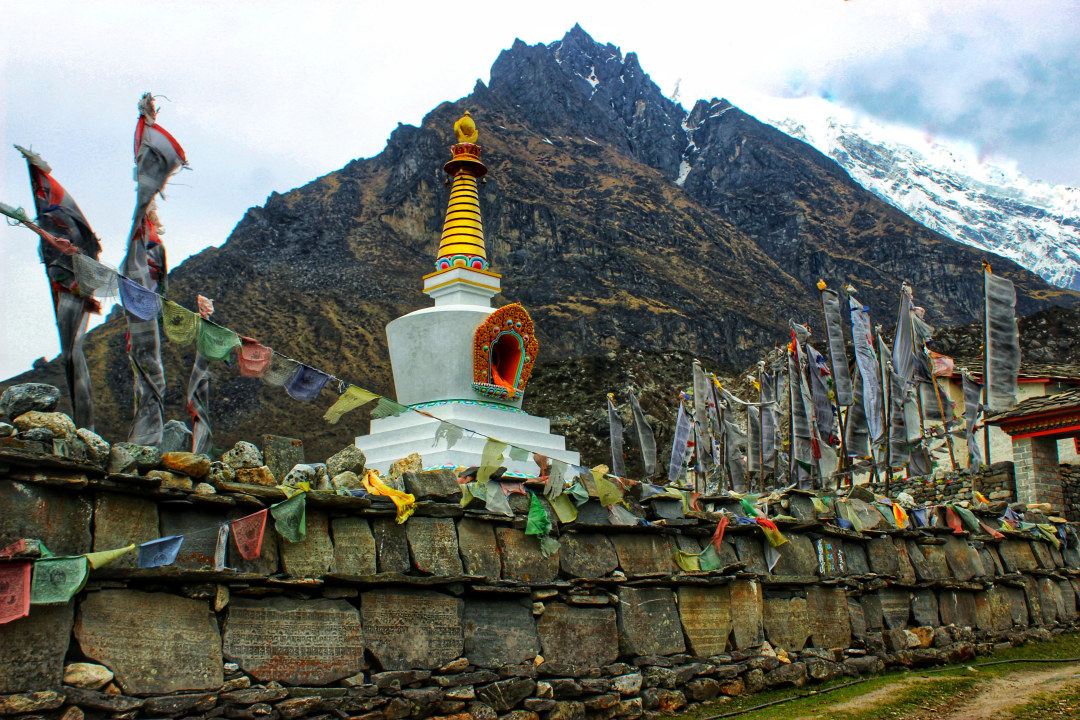
  • Crossing Mani Walls and Prayer Flags: As you trek, you will come across traditional Buddhist elements such as Mani walls and prayer flags. These sacred symbols are adorned with carved stones and inscribed prayers, creating a spiritual ambience along the trail. Take a moment to observe and respect these cultural treasures.
  • Magnificent Mountain Views: As you gain elevation, the panoramic mountain views become even more breathtaking. You will be surrounded by snow-capped peaks, including Langtang Lirung (7,227 meters), Dorje Lakpa (6,966 meters), and Shishapangma (8,013 meters) in the distance. The awe-inspiring scenery serves as a constant reminder of the natural beauty that awaits you in the Langtang region.
  • Arrival at Kyanjing Gompa: After approximately 4 hours of trekking, you will arrive at Kyanjing Gompa, nestled at an altitude of 3,830 meters. Kyanjing Gompa is a traditional Tibetan village and home to the famous Kyanjing Gompa monastery. The monastery holds religious significance for the local people and serves as a hub for spiritual practices.
  • Exploring Kyanjing Gompa: Once in Kyanjing Gompa, take the opportunity to explore the village and immerse yourself in Tibetan culture. Visit the Kyanjing Gompa monastery, where you can witness prayer ceremonies and interact with the resident monks. Enjoy a cup of locally brewed yak butter tea and try traditional Tibetan dishes. The village also offers stunning views of the surrounding mountains, providing ample opportunities for photography and relaxation.
6
Day 06

Acclimatization Day in Kyanjing with Local Excursion

  • Cultural Immersion: Use this spare day to delve deeper into the local culture and traditions. Engage in conversations with the friendly villagers, learn about their way of life, and gain insights into the Tibetan Buddhist practices that shape the community. Immerse yourself in the peaceful ambience of the village, allowing yourself to truly connect with the local people and their customs.
  • Visit Kyanjing Gompa Monastery: One of the main highlights of Kyanjing Gompa is the monastery itself. Spend time exploring this sacred place of worship, observing the intricate Buddhist artwork and statues, and witnessing the monks engaging in their spiritual practices. You may even have the opportunity to participate in a prayer session and experience the profound serenity of the monastery.
  • Hike to Tserko Ri: Embark on an invigorating hike to Tserko Ri, a nearby viewpoint that offers stunning panoramic views of the Langtang Valley and the surrounding snow-capped peaks. The trail takes you through alpine landscapes, past yak pastures, and rewards you with breathtaking vistas. Capture the beauty of the Himalayas with your camera and create lasting memories of this extraordinary trek.
  • Explore Local Villages: Venture beyond Kyanjing Gompa and explore nearby villages that showcase the authentic rural lifestyle of the Langtang region. Visit Langshisha Kharka, Langtang Kharka, or Langtang Ri Base Camp to witness the simplicity of village life, interact with locals, and admire the majestic mountain views that surround these settlements.
  • Enjoy Local Cuisine: Savor the flavours of the region by trying traditional Tibetan and Nepalese dishes. Indulge in hearty meals of momo (dumplings), thukpa (noodle soup), and yak cheese specialties. Engage in a culinary exploration, appreciating the unique tastes and local ingredients that define the gastronomy of the Himalayas.
  • Relax and Recharge: Take advantage of the serene environment to relax, reflect, and rejuvenate. Find a peaceful spot to meditate, practice yoga, or simply immerse yourself in the tranquility of the surroundings. Use this day to unwind from the physical exertion of the trek and allow your mind and body to find balance amidst the Himalayan beauty.
7
Day 07

Trek from Kyanjing Gompa to Lama Hotel

  • Departing from Kyanjing Gompa: Leaving the peaceful village of Kyanjing Gompa, situated at an altitude of 3,830 meters, you will start your descent towards Lama Hotel. The trail initially descends gradually, allowing you to enjoy the surrounding mountain vistas and bid farewell to the majestic peaks that have accompanied you on your journey.
  • Crossing Scenic Landscapes: As you descend, you will traverse diverse landscapes, passing by glacial streams, rocky terrain, and verdant meadows. The Langtang River will accompany you throughout the trek, offering glimpses of its crystal-clear waters as it rushes through the valley. Take time to appreciate the natural beauty surrounding you and capture some stunning photographs along the way.
  • Passing Through Kyanjing Gompa Village: On your way down, you will pass through Kyanjing Gompa village once again. This gives you an opportunity to revisit the monastery and bid farewell to the friendly locals you may have met during your stay. Take a moment to reflect on the memories created in this remarkable village and soak in the serene atmosphere one last time.
  • Descending through Bamboo Forests: As you continue your descent, the trail will lead you through enchanting bamboo forests. The dense foliage provides a cool and refreshing environment, offering a pleasant respite from the sun. Listen to the sounds of nature, including the chirping of birds and the rustling of leaves, as you make your way towards Lama Hotel.
  • Teahouse Breaks: Throughout the trek, you will come across teahouses and lodges where you can take breaks, enjoy meals, and recharge. These establishments offer a welcoming ambience and serve a variety of dishes to refuel your energy levels. Take some time to relax, interact with fellow trekkers, and share stories from your Langtang adventure.
  • Arrival at Lama Hotel: After approximately 7 hours of trekking, you will arrive at Lama Hotel, situated at an altitude of 2,450 meters. This marks the end of your trek for the day. Lama Hotel offers cozy teahouses and lodges where you can find comfortable accommodation for the night. Reflect on the experiences of the day, enjoy a warm meal, and rest in preparation for the continuation of your trek.
8
Day 08

Trek from Lama Hotel to Syabrubesi

  • Departing from Lama Hotel: Leaving Lama Hotel, nestled at an altitude of 2,450 meters, you will begin your descent towards Syabrubesi. The trail initially descends through beautiful forests filled with rhododendron and bamboo trees. As you descend, you will notice the change in scenery, with a gradual transition from alpine landscapes to subtropical forests.
  • Crossing Suspension Bridges: As you make your way down, you will cross several suspension bridges that span the Langtang River. These bridges add an adventurous touch to the trek as you carefully traverse them while enjoying the rushing waters below. Take a moment to appreciate the power and beauty of the river as you continue your descent.
  • Passing Through Local Villages: The trail takes you through small local villages, where you can interact with the friendly villagers and get a glimpse into their daily lives. Observe the traditional architecture, vibrant prayer flags, and terraced fields that showcase the rich cultural heritage of the region. It is an excellent opportunity to learn more about the local customs and traditions.
  • Enjoying Scenic Landscapes: As you descend further, you will be treated to picturesque landscapes adorned with rolling hills, cascading waterfalls, and distant mountain views. The vibrant greenery and serene surroundings create a tranquil atmosphere, allowing you to fully immerse yourself in the natural beauty of the Langtang Valley.
  • Final Descent to Syabrubesi: After approximately 6 hours of trekking, you will arrive at Syabrubesi, situated at an altitude of 1,503 meters. Syabrubesi is a vibrant village and the gateway to the Langtang region. Here, you will find accommodation, local eateries, and the opportunity to celebrate the completion of your trek. Take some time to relax, reflect on your journey, and soak in the last moments of the Himalayan ambience.
  • Farewell to the Langtang Valley: As you bid farewell to the Langtang Valley, take a moment to appreciate the incredible landscapes, the warmth of the local people, and the memories you have created along the way. The trek from Lama Hotel to Syabrubesi marks the end of your adventure, but the experiences and lessons learned will stay with you for a lifetime.
  • Upon reaching Syabrubesi, you can arrange transportation back to Kathmandu or continue your exploration of the surrounding areas. Reflect on your achievements, savour the memories, and cherish the bond you have formed with the majestic Langtang Valley.
9
Day 09

Drive from Syabrubesi to Kathmandu

  • Departing from Syabrubesi: Leaving Syabrubesi, a vibrant village nestled at an altitude of 1,503 meters, you will begin your journey back to Kathmandu. The road initially follows the course of the Trishuli River, which adds to the beauty of the landscape.
  • Scenic Countryside: As you drive, you will be treated to picturesque views of rolling hills, terraced fields, and traditional villages dotting the countryside. Enjoy the vibrant colours of the rural landscape as you pass through charming settlements and witness the daily lives of the local people.
  • River Views and Suspension Bridges: The drive takes you alongside the Trishuli River, offering glimpses of its crystal-clear waters and the opportunity to witness its power as it carves through the valleys. You may even cross several suspension bridges, adding a sense of adventure to your journey.
  • Refreshment Stops: Along the way, there are several rest stops and local eateries where you can take a break and savour traditional Nepalese cuisine. Indulge in some local delicacies, recharge with a cup of Nepali tea, and take in the ambience of the roadside establishments.
  • Arrival in Kathmandu: After approximately 6 hours of driving, you will arrive back in Kathmandu, a vibrant city that blends ancient traditions with modern development. Once you reach the city, you will be transferred to your hotel, where you can unwind, relax, and reflect on your incredible trekking experience.
  • Upon reaching Kathmandu, take the time to rest and rejuvenate. Explore the bustling streets of Thamel, visit ancient temples and UNESCO World Heritage Sites, or indulge in some souvenir shopping. You can also use this opportunity to share your trekking stories with fellow travellers and celebrate the successful completion of your Langtang Valley Trek.
10
Day 10

Leisure Day in Kathmandu or Optional Valley Sightseeing

  • After your trek, spending a leisure day in Kathmandu is a great way to relax and explore the city. One of the most popular areas to visit is Thamel, a vibrant and bustling district filled with shops, restaurants, and cafes.
  • You can wander through the narrow streets and alleys, shop for souvenirs or locally made handicrafts, or simply sit at a cafe and watch the world go by. Thamel is also home to many trekking and adventure gear shops.
  • If you are interested in exploring Kathmandu's cultural and historical sites, you can join one of the many optional sightseeing tours. Some of the top attractions include:
  • Swayambhunath Stupa (Monkey Temple): This ancient Buddhist temple sits atop a hill overlooking the city and is known for its colourful prayer flags, intricate carvings, and resident monkeys.
  • Pashupatinath Temple: This sacred Hindu temple complex is located on the banks of the Bagmati River and is dedicated to Lord Shiva. It is a fascinating place to observe the rituals and customs of Hinduism.
  • Kathmandu Durbar Square: This historic square in the heart of the city is home to many temples, palaces, and statues, and is a UNESCO World Heritage Site.
  • Boudhanath Stupa: This massive Buddhist stupa is one of the world's largest and a centre for Tibetan Buddhism in Kathmandu.
11
Day 11

Final Departure from Kathmandu

  • Be ready in the hotel lobby 3 hours before your international flight. Namaste! See you again next time.
Kyanjing Gompa, Tserko Ri, bamboo forests and waterfalls

Where this trip takes you

Kyanjing Gompa, Tserko Ri, bamboo forests and waterfalls

The route

Where you'll travel

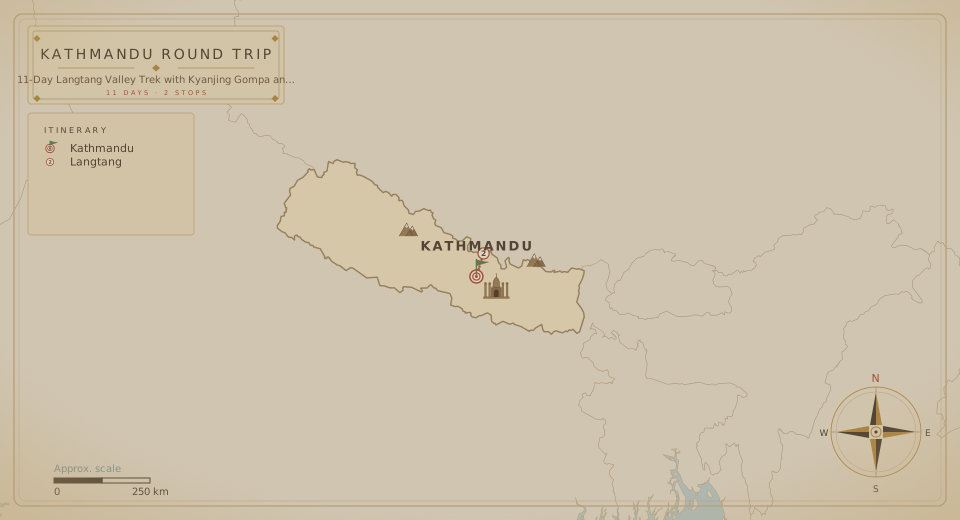
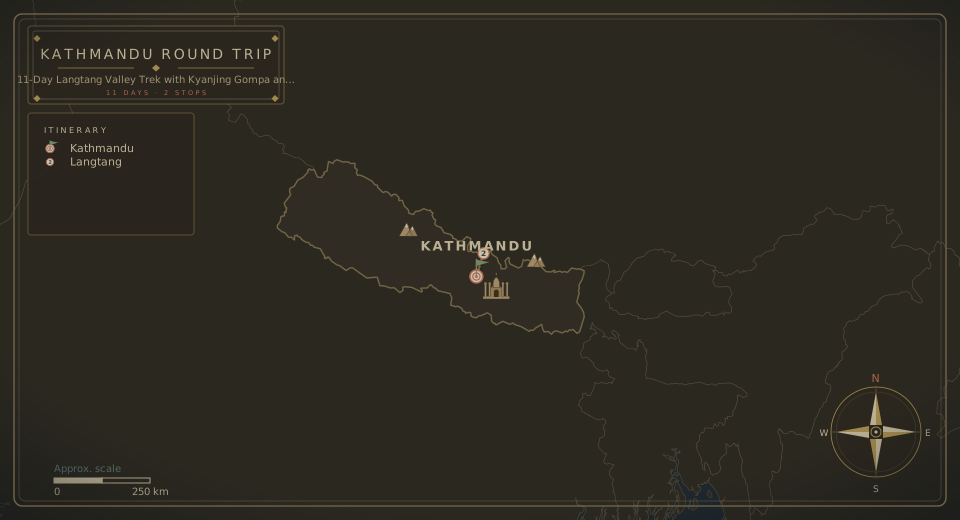
Tour route map
Round trip from Kathmandu 44600 2 cities · 11 Days

The fine print

Trip details

What's Included

  • Trekking Permits: The cost includes the necessary trekking permits required for the Langtang Valley Trek, such as the Langtang National Park Entry Permit and the TIMS (Trekkers' Information Management System) card. These permits allow you to access and trek in the designated areas of the Langtang region.
  • Accommodation during the Trek: The package includes accommodation throughout the trek. You will stay in teahouses or lodges along the trail, which provide basic but comfortable rooms with shared facilities. These accommodations offer a cozy place to rest and rejuvenate after a day of trekking.
  • Meals during the Trek: The cost includes three meals a day (breakfast, lunch, and dinner) during the trek. You will enjoy freshly prepared meals at the teahouses or lodges, offering a variety of local and international dishes. The meals typically include rice, dal (lentils), vegetables, noodles, soup, and tea/coffee.
  • Experienced Trekking Guide and Porters: You will be accompanied by an experienced trekking guide throughout the journey. The guide is knowledgeable about the region, its culture, and the trail, ensuring your safety and providing valuable insights. Porters will also be available to carry your main luggage, allowing you to trek with a lighter daypack.
  • Ground Transportation: The cost includes ground transportation from Kathmandu to Syabrubesi, the starting point of the trek, and back from Syabrubesi to Kathmandu. This includes a private vehicle or shared transport, depending on the package.
  • First Aid Kit: A basic first aid kit will be provided for any minor injuries or ailments that may occur during the trek. The guide will have knowledge of first aid and can assist in case of emergencies.

What's Not Included

  • International and Domestic Flights: The cost of international flights to and from Nepal is not included in the package. Similarly, domestic flights from Kathmandu to other cities within Nepal are not included. You will need to arrange these flights separately.
  • Travel Insurance: It is mandatory to have travel insurance that covers emergency medical evacuation, medical expenses, and trip cancellation/interruption. The cost of travel insurance is not included in the package, and you will need to arrange it prior to your trek.
  • Accommodation in Kathmandu: The cost does not include accommodation in Kathmandu before and after the trek. You will need to arrange your own accommodation in Kathmandu, which offers a wide range of options to suit different budgets and preferences.
  • Meals in Kathmandu: Meals in Kathmandu are not included in the package. However, there are numerous restaurants and eateries in the city offering a variety of cuisines to cater to different tastes.
  • Personal Expenses: Any personal expenses, such as additional snacks, beverages, souvenirs, hot showers, charging electronic devices, and extra services not mentioned in the package, are not included in the cost. It is advisable to carry some extra cash for such expenses.
  • Tips and Gratuities: Tips for the guide, porters, and other trekking staff are not included in the package cost. Tipping is a common practice in Nepal to show appreciation for excellent service. It is recommended to allocate a budget of $150-180 per client for tips, although it is voluntary and based on your satisfaction.

What to bring

When preparing for the Langtang Valley Trek, it is important to pack wisely to ensure you have all the necessary gear and supplies. Here is a comprehensive list of items you should consider bringing:

Clothing:

  • Moisture-wicking base layers (tops and bottoms)
  • Insulating layers (fleece jacket, down jacket)
  • Trekking pants (convertible pants are practical)
  • Waterproof and windproof jacket
  • Waterproof and breathable pants
  • Long-sleeved shirts (for sun protection)
  • T-shirts
  • Underwear and socks (wool or synthetic)
  • Warm hat and gloves
  • Sun hat or cap
  • Bandana or buff

Footwear:

  • Sturdy trekking boots (broken-in and waterproof)
  • Hiking socks (wool or synthetic)
  • Camp shoes or sandals (for resting in tea houses)

Gear and Equipment:

  • Backpack (30-50 liters capacity)
  • Daypack (smaller size for day hikes)
  • Sleeping bag (rated for cold temperatures)
  • Sleeping pad or mattress
  • Trekking poles (helpful for stability and reducing strain)
  • Headlamp (with spare batteries)
  • Sunglasses (with UV protection)
  • Water bottles or hydration system
  • Duct tape (multi-purpose)
  • Plastic bags (for waterproofing and organizing)
  • Quick-dry towel

Personal Hygiene and Medical Supplies:

  • Toiletries (toothbrush, toothpaste, biodegradable soap, etc.)
  • Hand sanitizer
  • Wet wipes
  • Sunscreen (with high SPF)
  • Lip balm with SPF
  • Insect repellent
  • Personal medications (if any)
  • First aid kit (including basic supplies and any necessary prescription medications)

Miscellaneous:

  • Trekking map or guidebook
  • Trekking permits (Langtang National Park Permit and TIMS card)
  • Cash (small Nepali currency denominations)
  • Snacks (energy bars, nuts, chocolate, etc.)
  • Camera and extra batteries
  • Power bank or portable charger
  • Travel adapter (if needed)

It is important to pack light and prioritize essential items. Remember to check the weather conditions and consult experienced trekkers, guidebooks, or a local trekking agency for any specific recommendations or updates on gear requirements. Additionally, consider hiring a licensed guide and porter to enhance your safety and comfort throughout the trek.

Know before you go

Before embarking on the Langtang Valley Trek, there are several important things you should know and consider:

  • Trekking Permits: The Langtang Valley Trek requires permits. You will need the Langtang National Park Permit and the Trekkers' Information Management System (TIMS) card. These permits can be obtained through registered trekking agencies in Nepal or at the Nepal Tourism Board office in Kathmandu or Pokhara.
  • Trekking Season: The best time to trek the Langtang Valley is during the pre-monsoon (spring) season from March to May and the post-monsoon (autumn) season from September to November. These months generally offer stable weather, clear skies, and better trekking conditions. However, be prepared for occasional rain showers and colder temperatures at higher altitudes.
  • Physical Fitness: The Langtang Valley Trek is a moderate-level trek that involves walking for several hours each day. It is recommended to have a reasonable level of physical fitness and some hiking experience before attempting this trek. Regular exercise and cardiovascular training leading up to your trek will be beneficial.
  • Altitude Considerations: While the Langtang Valley Trek does not reach extreme altitudes compared to some other treks in Nepal, you will still gain significant elevation. The highest point is usually Kyanjin Ri at around 4,773 meters (15,659 feet). It is essential to understand the symptoms of altitude sickness and take proper precautions. Ascend gradually, stay hydrated, and listen to your body. If you experience severe symptoms, descend immediately and seek medical assistance.
  • Accommodation and Food: Along the trek, there are tea houses and lodges that provide basic accommodation and meals. The facilities may be more basic compared to popular trekking routes like Everest Base Camp or the Annapurna Circuit. The teahouses offer a variety of local and international dishes, including dal bhat, soups, noodles, and rice dishes. Carry some energy bars and snacks with you as well.
  • Weather and Trail Conditions: The weather in the Langtang region can be unpredictable. Be prepared for changing weather conditions, including rain and cold temperatures. Trail conditions vary from well-marked paths to rocky and steep sections. Good-quality trekking gear, including sturdy footwear and rain gear, is essential.
  • Communication and Connectivity: While trekking in the Langtang Valley, expect limited or no mobile network coverage in remote areas. Some tea houses may offer Wi-Fi for a fee, but it can be slow and unreliable. It is advisable to inform your loved ones about your trekking itinerary beforehand.
  • Safety and Emergency: Safety is a top priority during the trek. Always follow the instructions of your guide, be cautious on steep sections, and avoid trekking alone. Carry a comprehensive first aid kit, travel insurance that covers trekking activities, and have an emergency evacuation plan in place.
  • Responsible Trekking: Practice responsible and sustainable trekking. Respect the environment by disposing of waste properly, using designated trails, and avoiding single-use plastics. Support local businesses and communities by purchasing local products and services.

It is recommended to consult experienced trekkers, trekking agencies, or guidebooks for the most up-to-date information and to prepare adequately for the Langtang Valley Trek. Additionally, consider hiring a licensed guide and porter to enhance your safety and comfort throughout the trek.

Logistics

Meeting & route

Meeting point
Kathmandu, Nepal
Tour start
Kathmandu 44600, Nepal
Tour ends at the same location as the start point.
End of the journey

Your 11 days finish where they began, in Kathmandu 44600.

Watch the tourHQ film Watch the film

Create your own adventure

Can't find the perfect tour? Tailor your dream trip.

  • Tell us your destination, dates and group size.
  • Our travel experts and local guides design a tailored itinerary, just for you.
  • Enjoy your trip with peace of mind, knowing everything is taken care of.
Plan my holiday

Say goodbye to travel stress.

Starting from

USD 1,000 /person
Book This Tour

When

Travellers

Total