Nepal · Trekking

18-Day Everest Base Camp Trek via Gokyo Lakes with Cho La Pass

18 Days Round trip from Kathmandu 44600 Challenging pace

The journey

Trip highlights
  • 01 Explore Sherpa villages and experience their legendary hospitality
  • 02 Trek through breathtaking glacial valleys and stunning Himalayan landscapes
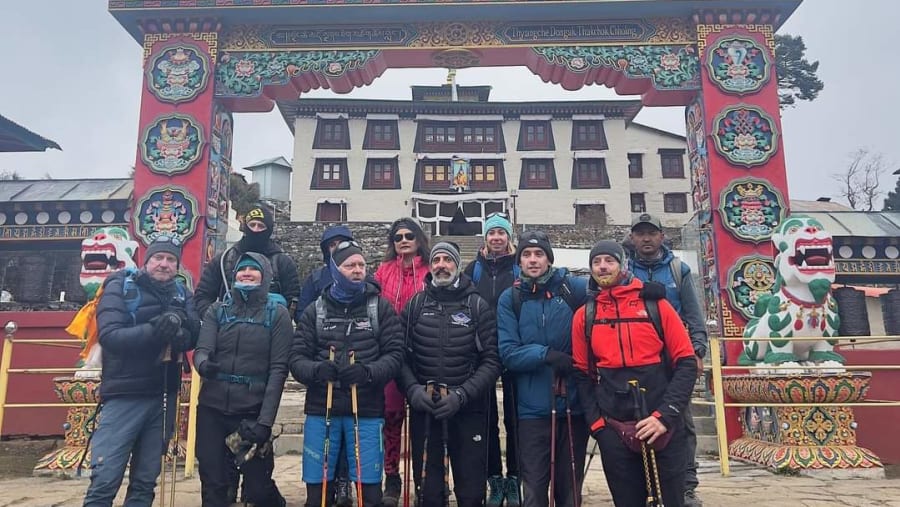
  • 03 Marvel at colourful prayer flags and Buddhist monasteries along the route
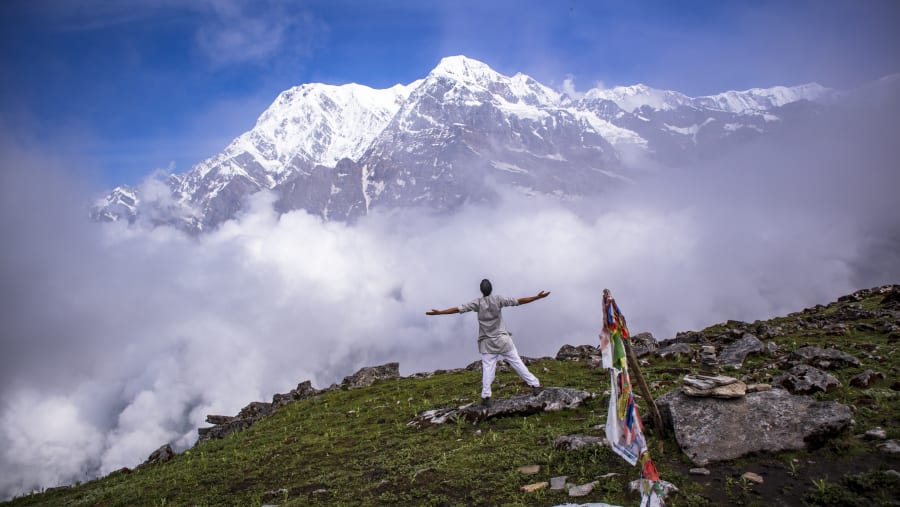
  • 04 Enjoy panoramic views of Mount Everest and other majestic peaks
  • 05 Reach both Gokyo Lakes and Everest Base Camp on one epic trek

Embark on an epic 18-day journey through the Himalayas on the Gokyo via Everest Base Camp Trek. Experience the warm hospitality of Sherpa villages, witness stunning glacial valleys, marvel at colourful prayer flags and Buddhist monasteries, and enjoy breathtaking views of the world's highest mountains. This route combines the beauty of the Gokyo Lakes with the achievement of reaching Everest Base Camp, along with unforgettable viewpoints from Gokyo Ri and Kala Patthar.

This route combines the beauty of the Gokyo Lakes with the achievement of reaching Everest Base Camp, along with unforgettable viewpoints from Gokyo Ri and Kala Patthar.

From the itinerary

At a glance

What this trip includes

Duration 18 Days
Tour type Private
Activity level Challenging
Accommodation Included · Budget
Transport Included
Wheelchair access Yes
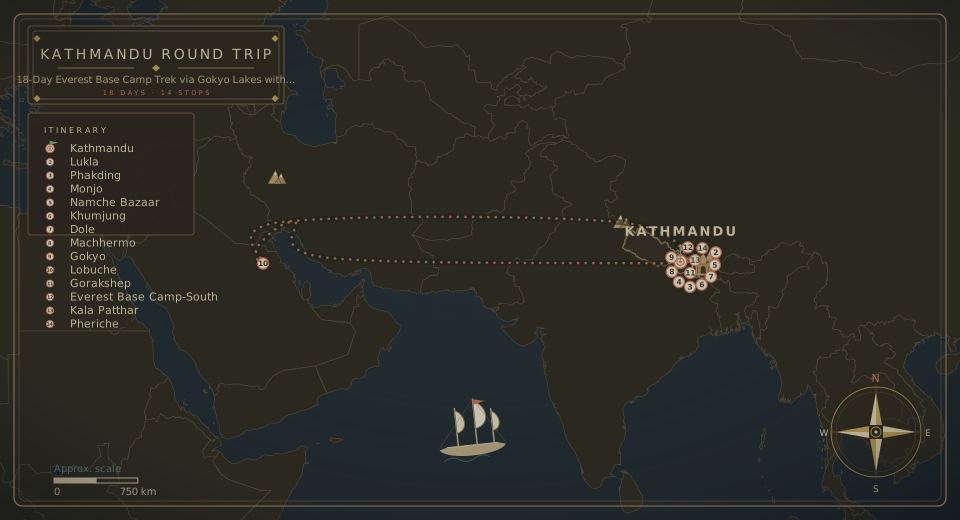
Cities Kathmandu, Everest Base Camp-South, Lukla, Namche Bazaar, Phakding, Lobuche, Kala Patthar, Gorakshep, Dole, Machhermo, Gokyo, Monjo, Pheriche, Khumjung
Languages English

Day by day

The itinerary

1
Day 01

Arrival in Kathmandu and Welcome Dinner

Your guide will welcome you at TIA in Kathmandu, where representatives will assist with your transfer to the hotel. Once you have had time to settle in, you will meet your guide to discuss the details of the trip before joining a welcome dinner. Stay overnight at the hotel.
2
Day 02

Fly to Lukla and Trek to Phakding

  • After a good night's rest in Lukla, it is time to embark on your trek to Phakding. The trail begins with a descent towards the Dudh Koshi River, passing through picturesque Sherpa villages, prayer flags, and mani stones.
  • You will cross suspension bridges adorned with prayer flags, adding a spiritual touch to your journey. Enjoy the serene surroundings as you walk through rhododendron forests, encountering local villagers, yaks, and fellow trekkers.
  • Arriving in Phakding, settle into your teahouse or lodge and take some time to relax. Phakding offers beautiful views of the surrounding mountains and a tranquil atmosphere, providing an ideal setting for the first night of your trek.
  • The first two days of the Everest Base Camp trekking itinerary involve a thrilling flight from Kathmandu to Lukla and a scenic trek from Lukla to Phakding. This part of the journey offers a taste of the breathtaking landscapes, cultural encounters, and natural beauty that await you on your adventure to Everest Base Camp.
3
Day 03

Trek from Phakding to Namche Bazaar

  • As you wake up in Phakding, prepare for an exciting day of trekking towards Namche Bazaar, the gateway to the Everest region. This segment of the journey takes you through diverse landscapes and charming villages and offers magnificent views of the Himalayas.
  • Leaving Phakding, you will follow the trail alongside the Dudh Koshi River. Cross suspension bridges and ascend through pine forests, enjoying the peaceful ambience of the surroundings. The trail gradually climbs, presenting occasional glimpses of Mount Thamserku (6,623m / 21,729ft) and other stunning peaks.
  • After a few hours of trekking, you will arrive at the entrance of Sagarmatha National Park in Monjo. Here, you will go through the necessary permits and continue your ascent. Be prepared for a challenging uphill climb as you approach Namche Bazaar.
  • As you reach higher elevations, the air becomes thinner, and it is important to maintain a steady pace and stay hydrated. Your efforts will be rewarded as you catch your first view of Namche Bazaar, nestled within a natural amphitheatre surrounded by mountains.
  • The trek from Phakding to Namche Bazaar is a memorable part of the Everest Base Camp journey, taking you through picturesque landscapes, Sherpa villages, and gradually increasing altitude. As you arrive in Namche Bazaar, you will witness the unique blend of traditional Sherpa culture and modern amenities, setting the stage for further adventures in the Everest region.
4
Day 04

Acclimatization Day in Namche Bazaar

  • Explore Namche Bazaar: Take the opportunity to wander through the bustling streets and vibrant marketplaces of Namche Bazaar. Immerse yourself in the local culture, visit the Sherpa Museum, and gain insights into the region's mountaineering history and Sherpa traditions.
  • Hike to Everest View Hotel: Embark on a short but rewarding hike to the Everest View Hotel above Namche Bazaar. Enjoy panoramic views of Everest (8,848m / 29,029ft) and other prominent peaks, allowing you to glimpse the magnificence ahead on your journey.
  • Visit Khumjung Village: Take a trek to the nearby village of Khumjung, known for its traditional Sherpa culture and the famous Khumjung School. Explore the village, interact with the friendly locals, and experience the Sherpa way of life in this picturesque setting.
  • Acclimatization Walk: Engage in a gentle acclimatization walk in and around Namche Bazaar. This involves gradually ascending to higher elevations and then descending back to Namche, aiding your body in adjusting to the altitude.
  • Listen to your body and take it easy during the rest day. Hydration is crucial, so drink plenty of fluids and maintain a balanced diet to keep your energy levels up.
5
Day 05

Trek from Namche Bazaar to Dole

  • Leaving Namche Bazaar behind, you continue your exhilarating journey towards Everest Base Camp. On this day, you will trek from Namche Bazaar to the charming village of Dole, situated at an elevation of 4,200 meters (13,270 feet). The trail takes you deeper into the Khumbu region, offering breathtaking vistas and a sense of adventure.
  • As you depart Namche Bazaar, the trail initially descends to the Dudh Koshi River. Cross the suspension bridge and begin a gradual climb through dense forests of rhododendron, pine, and fir trees. The forested trail provides shade and a serene atmosphere as you approach higher altitudes.
  • Throughout the trek, you will encounter several small settlements and enjoy panoramic views of the surrounding peaks, including Ama Dablam (6,812m / 22,349ft) and Kantega (6,685m / 21,929ft). The crisp mountain air and stunning landscapes add to the sense of awe and adventure.
  • Passing through villages like Mong La and Phortse Thanga, you will witness the traditional Sherpa way of life and have opportunities to interact with the local communities. Take breaks along the way to rest, refuel, and appreciate the natural beauty of the Himalayan mountains.
  • As you ascend further, you will reach Dole, a picturesque village located above the tree line. The tranquil ambience and the surrounding mountains create a mesmerizing setting for your overnight stay. Enjoy the warm hospitality of the local teahouses or lodges, savour a hot meal, and recharge for the next day's adventure.
6
Day 06

Trek from Dole to Machhermo

  • As you continue your journey towards Everest Base Camp, you will embark on a memorable trek from Dole to Machhermo. This segment of the trek takes you to higher altitudes, offering stunning views of the surrounding peaks and a sense of adventure in the Himalayas.
  • Leaving Dole behind, the trail ascends steadily, taking you through alpine landscapes and charming Sherpa settlements. The trek is a mix of uphill climbs and gentle sections, providing a good balance of challenge and enjoyment.
  • As you ascend, you will be rewarded with breathtaking panoramas of the snow-capped peaks, including Cho Oyu (8,201m / 26,906ft) and Thamserku (6,623m / 21,729ft). The pristine beauty of the Himalayas unfolds before your eyes, creating unforgettable moments along the way.
  • The trail passes through scenic locations like Luza, where you can rest and take in the awe-inspiring surroundings. As you approach Machhermo, you will notice the change in the landscape as you reach higher altitudes and enter a more alpine environment.
7
Day 07

Trek from Machhermo to Gokyo

  • On this exciting day, you will trek from Machhermo to the picturesque village of Gokyo, nestled at an elevation of 4,790 meters (15,584 feet). This segment of the journey takes you to even higher altitudes and unveils stunning views of glacial lakes and towering Himalayan peaks.
  • Leaving Machhermo, the trail gradually ascends, offering magnificent vistas of the surrounding mountains, including Cho Oyu and Kantega. As you traverse the valley, you will come across the first of the renowned Gokyo Lakes, Longpongo Lake. The turquoise-coloured glacial lake presents a captivating sight against the backdrop of the rugged landscape.
  • Continuing on, you will pass through the charming village of Pangka, where you can take a break and enjoy the peaceful atmosphere. As you ascend further, you will encounter the second and third Gokyo Lakes, Taboche Tsho and Dudh Pokhari, each more breathtaking than the last.
  • Upon reaching Gokyo, you will be greeted by the spectacular view of the massive Ngozumpa Glacier, the largest glacier in the Himalayas. Gokyo is located by the third Gokyo Lake and serves as a base for further exploration of the region, including the famous Gokyo Ri viewpoint.
  • In Gokyo, take some time to acclimatize to the higher altitude and soak in the serenity of the surroundings. You can explore the village, interact with fellow trekkers, and marvel at the awe-inspiring scenery. As the day draws to a close, enjoy a peaceful evening in one of the teahouses or lodges surrounded by the majestic Himalayan peaks.
8
Day 08

Gokyo Ri Hike and Glacier Exploration

  • During your rest day, you have two main highlights:
  • Acclimatization and Relaxation in Gokyo: Take advantage of the rest day to acclimate to the higher altitude in Gokyo. It is crucial to allow your body time to adjust to the thinner air to minimize the risk of altitude-related issues. Rest, hydrate well, and listen to your body. Gokyo provides a tranquil atmosphere, and you can enjoy the breathtaking views of the surrounding landscapes.
  • Hike to Gokyo Ri Viewpoint:
  • In the early morning, embark on a challenging yet rewarding hike to Gokyo Ri, located at 5,400 meters (17,814 feet). The ascent to Gokyo Ri involves steep uphill sections, but the panoramic views from the top make it all worthwhile. Witness the sunrise casting golden hues upon the Himalayan giants, including Everest, Lhotse, Makalu, and Cho Oyu. The awe-inspiring vista from the Gokyo Ri viewpoint is a sight you will cherish forever.

Note: Be cautious while hiking to Gokyo Ri and listen to your body's signals. If you experience any signs of altitude sickness or exhaustion, it is best to descend and seek medical attention if necessary.

9
Day 09

Trek from Gokyo to Thangnak

  • On this day, you will continue your trek from the enchanting village of Gokyo to Thangnak, located at an elevation of 4,700 meters (15,400 feet). This segment of the journey takes you through rugged landscapes, glacial valleys, and closer to the iconic Cho La Pass.
  • Leaving Gokyo behind, you will descend to the banks of the Ngozumpa Glacier, the largest glacier in the Himalayas. As you traverse the rocky terrain, be prepared for some challenging sections along the way. The path gradually ascends, providing magnificent views of the surrounding peaks and the glacier itself.
  • The trail then leads you through a glacial valley, offering a unique and awe-inspiring experience. The landscape is dotted with moraines, icy streams, and occasional glimpses of wildlife adapted to the harsh alpine environment.
  • As you approach Thangnak, you will be greeted by the sight of the majestic Cho Oyu (8,201m / 26,906ft), the sixth highest peak in the world. Thangnak is a small settlement nestled amidst this breathtaking scenery. The village provides a serene atmosphere and serves as a resting point before crossing the challenging Cho La Pass.
  • Take time to rest, replenish your energy, and savour the tranquility of Thangnak. The local teahouses or lodges offer warm hospitality and provide a cozy shelter for the night.
10
Day 10

Cross Cho La Pass to Dzongla

  • Leaving Thangnak, you will ascend gradually towards the challenging Cho La Pass, located at an elevation of 5,420 meters (17,783 feet). The trail becomes steep and rocky as you approach the pass, requiring careful footing and a steady pace.
  • As you make your way up, the panoramic views of the surrounding mountains become increasingly impressive. The snow-capped peaks, including Ama Dablam and Cholatse, create a majestic backdrop against the clear blue sky. The final stretch to reach the top of Cho La Pass is a thrilling experience, and as you stand at the pass, you will be rewarded with breathtaking views in every direction.
  • Descending from the pass, the trail leads you through rocky terrain and eventually to Dzongla, situated at an elevation of 4,855 meters (15,930 feet). Dzongla offers a picturesque setting surrounded by towering peaks, including Lobuche East and the impressive Awi Peak.
  • Take time to rest, recuperate, and savour the achievement of crossing the Cho La Pass. The teahouses or lodges in Dzongla provide a warm and welcoming atmosphere, offering much-needed comfort after a challenging day on the trail.
11
Day 11

Trek from Dzongla to Lobuche

  • Leaving Dzongla, the trail meanders through rocky landscapes and occasional moraines as you make your way towards Lobuche. The terrain becomes more challenging, requiring careful footing and a steady pace. As you ascend, you will be greeted by awe-inspiring vistas of the Khumbu Glacier and the towering peaks of the region, including Nuptse, Pumori, and Lingtren.
  • The path winds its way through the valley, offering glimpses of the famous Everest Base Camp trail. You will pass by memorials and stone monuments dedicated to climbers who lost their lives in the pursuit of conquering mighty Everest. These serve as a poignant reminder of the risks and challenges involved in mountaineering.
  • As you approach Lobuche, the air becomes thinner, and the temperature drops. The village is located in a rugged setting, nestled amidst the majestic Himalayan peaks. Upon reaching Lobuche, you will have a sense of accomplishment, as you are now at a higher altitude and closer to your ultimate goal.
  • Take time to rest, acclimatize, and absorb the serene atmosphere of Lobuche. The teahouses and lodges provide comfortable accommodation, offering a place to recharge before continuing your journey towards Everest Base Camp.
12
Day 12

Trek to Everest Base Camp and Return to Gorak Shep

  • Leaving Lobuche, the trail leads you through rocky moraines, following the path towards Gorak Shep. As you ascend, the air becomes thinner, and you will need to pace yourself accordingly. The trek takes you alongside the Khumbu Glacier, an impressive icy landscape that adds to the sense of adventure.
  • Upon reaching Gorak Shep, a small settlement situated at an elevation of 5,185 meters (17,010 feet), you will take a short break to refuel and prepare for the final leg of the journey to Everest Base Camp. You will follow a trail from Gorak Shep that weaves through the rough terrain, offering breathtaking views of snow-covered peaks and glaciers.
  • As you approach Everest Base Camp, the anticipation and excitement build. Finally, you will reach your destination at 5,364 meters (17,598 feet). The sight of colourful tents and mountaineering teams preparing for their expeditions creates a vibrant atmosphere. Take time to savour the moment, capture photographs, and revel in the achievement of being at the base of the world's highest mountain.
  • After spending some time at Everest Base Camp, you will retrace your steps and trek back to Gorak Shep, where you will spend the night. The return journey provides a different perspective of the landscape, allowing you to appreciate the stunning surroundings from a new angle.
13
Day 13

Kala Patthar Sunrise and Descent to Pheriche

  • Starting early in the morning, you will hike up to Kala Patthar at an impressive altitude of 5,555 meters (18,208 feet). The hike is challenging, but the reward is well worth the effort. As you ascend, the landscape transforms, and the views become increasingly spectacular. Upon reaching the summit of Kala Patthar, you will be greeted by a breathtaking panorama of the Himalayas, with Mount Everest majestically dominating the scene. This is a highlight of the trek and offers a remarkable vantage point for capturing stunning photographs.
  • After soaking in the views from Kala Patthar, you will descend back to Gorak Shep, a small settlement nestled at 5,185 meters (17,010 feet). Here, you will have a chance to rest and refuel before continuing your journey. Gorak Shep also serves as the base for expeditions to Everest and offers a unique atmosphere with mountaineering teams and trekkers gathering in this remote location.
  • From Gorak Shep, you will trek down towards Pheriche, situated at an elevation of 4,250 meters (13,945 feet). The descent allows you to adjust to lower altitudes and relish the changing landscapes gradually. Pheriche is a charming village in the heart of the Khumbu region and is known for its hospitality and warm welcome to trekkers. Enjoy the cosy accommodation, engage with the local community, and reflect on your incredible journey.
14
Day 14

Descend from Pheriche to Namche Bazaar

  • On this day, you will begin your descent from Pheriche and trek back to Namche Bazaar, a bustling hub in the heart of the Khumbu region. The journey offers scenic beauty, cultural encounters, and a gradual return to lower altitudes.
  • Leaving Pheriche, the trail descends through picturesque landscapes, passing by small Sherpa villages and terraced fields.
  • The scenery changes as you descend, with lush greenery replacing the rugged terrain of higher altitudes. The descending path offers a different perspective of the mountains, allowing you to appreciate their grandeur from a new angle.
  • As you make your way towards Namche Bazaar, you will have the opportunity to interact with local Sherpa communities, gaining insights into their rich culture and way of life. Namche Bazaar, often called the gateway to Everest, is a vibrant town with many amenities, including shops, restaurants, and accommodation.
  • Arriving in Namche Bazaar, you can take some time to relax, explore the bustling market, and reflect on the incredible journey you have undertaken. The town perfectly blends traditional Sherpa culture and modern conveniences, providing a comfortable and lively atmosphere.
15
Day 15

Trek from Namche Bazaar to Lukla

  • On this final day of your Everest Base Camp trek, you will bid farewell to Namche Bazaar and return to Lukla, where your adventure began. The trek from Namche Bazaar to Lukla offers a mix of nostalgia, gratitude, and a sense of accomplishment as you complete your journey.
  • Leaving Namche Bazaar, you will descend through the lush forests of the Khumbu region, passing by charming Sherpa villages and crossing suspension bridges across the Dudh Koshi River. The trail offers occasional glimpses of the majestic peaks, reminding you of the awe-inspiring landscapes you have experienced during your trek.
  • As you make your way closer to Lukla, you will have the opportunity to reflect on your incredible journey, appreciating the challenges you have overcome and the memories you have created. The trek provides a chance to soak in the peaceful ambience of the surrounding nature and express gratitude for the beauty and serenity of the Himalayas.
  • Upon reaching Lukla, you can celebrate the successful completion of your Everest Base Camp trek. The town welcomes trekkers with open arms, providing a range of amenities, including comfortable accommodation, restaurants, and souvenir shops. Take the time to relax, savour a delicious meal, and share your adventure stories with fellow trekkers and locals.
16
Day 16

Fly from Lukla Back to Kathmandu

  • Flying from Lukla to Kathmandu is a popular and convenient way to end a trek in the Himalayas. The flight offers stunning views of the Himalayan mountains and takes around 35-40 minutes. Lukla Airport is located at an altitude of 2,860 meters (9,383 feet), while Kathmandu is approximately 1,400 meters (4,593 feet). This means that you will experience a significant change in altitude during the flight.
  • After arriving in Kathmandu, you can take some time to explore the city and reflect on your trekking experience.
  • Overland travel: If you have more time and prefer to travel overland, you can use buses and jeeps to reach your destination. From Lukla, you can travel by jeep or bus to Jiri, then take another bus to Kathmandu. This route can take several days, but it offers the opportunity to explore more of the countryside and experience local culture.
  • Trekking: If you are an experienced trekker and have time, you can trek from Lukla to Kathmandu via the Everest Base Camp trek route. This option takes approximately 12-14 days and involves crossing several high mountain passes, so it is important to be well-prepared and physically fit.
17
Day 17

Leisure Day in Kathmandu or Optional Valley Sightseeing

  • After your trek, spending a leisure day in Kathmandu is a great idea to relax and explore the city. One of the most popular areas to explore is Thamel, a vibrant and bustling district filled with shops, restaurants, and cafes.
  • You can wander through the narrow streets and alleys, shop for souvenirs or locally made handicrafts, or simply sit at a cafe and watch the world go by. Thamel is also home to many trekking and adventure gear shops, so it is a good place to pick up any last-minute items.
  • If you are interested in exploring Kathmandu's cultural and historical sites, you can take one of the many optional sightseeing tours. Some of the top attractions include:
  • Swayambhunath Stupa (Monkey Temple): This ancient Buddhist temple sits atop a hill overlooking the city and is known for its colourful prayer flags, intricate carvings, and resident monkeys.
  • Pashupatinath Temple: This sacred Hindu temple complex is located on the banks of the Bagmati River and is dedicated to Lord Shiva. It is a fascinating place to observe the rituals and customs of Hinduism.
  • Kathmandu Durbar Square: This historic square in the heart of the city is home to many temples, palaces, and statues, and is a UNESCO World Heritage Site.
  • Boudhanath Stupa: This massive Buddhist stupa is one of the world's largest and a centre for Tibetan Buddhism in Kathmandu.
18
Day 18

Final Departure from Kathmandu

  • Be ready in the hotel lobby 3 hours before your international flight. Namaste! See you again next time.
Gokyo Lakes, Ngozumpa Glacier, Cho La Pass, Kala Patthar sunrise

Where this trip takes you

Gokyo Lakes, Ngozumpa Glacier, Cho La Pass, Kala Patthar sunrise

The route

Where you'll travel

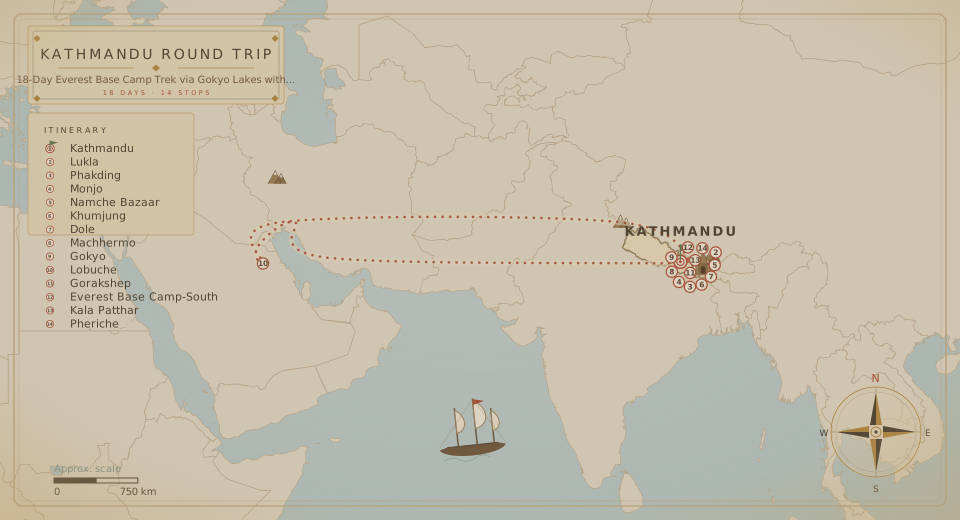
Tour route map
Round trip from Kathmandu 44600 14 cities · 18 Days

The fine print

Trip details

What's Included

  • All international and domestic airport transfers
  • 3 nights' accommodation in Kathmandu with breakfast
  • Domestic flights (Ramechhap-Lukla-Kathmandu)
  • Paperwork, Sagarmatha National Park entry permits, and TIMS permits
  • An experienced trekking guide and porter (1 porter for every 2 clients to carry bags), with their insurance
  • Basic accommodation in teahouses/lodges on the trek
  • Duffle bags for the trek
  • First aid kit and oxygen cylinders
  • Welcome or farewell dinner in Kathmandu
  • Arrangement of emergency helicopter service, which will be paid by your travel insurance company, and free information
  • Certificate of achievement

What's Not Included

  • International airfare
  • Travel insurance that covers trip cancellation, medical emergencies, and evacuation
  • Nepal visa fee
  • Meals and accommodation in Kathmandu (except breakfast)
  • Meals and drinks
  • Alcoholic, hot, and cold drinks during the trek
  • Extra night accommodation in Kathmandu because of early arrival, late departure, or early return from the trek for any reason other than the scheduled itinerary
  • Tips for guides, porters, drivers, and other trekking staff - may spend: $200-250
  • Any other expenses not mentioned in the

What to bring

When preparing for the Everest Base Camp trek via Gokyo Lakes, it is important to pack wisely to ensure you have all the necessary gear and supplies. Here is a comprehensive list of items you should consider bringing:

Clothing:

  • Moisture-wicking base layers (tops and bottoms)
  • Insulating layers (fleece jacket, down jacket)
  • Trekking pants (convertible pants are practical)
  • Waterproof and windproof jacket
  • Waterproof and breathable pants
  • Long-sleeved shirts (for sun protection)
  • T-shirts
  • Underwear and socks (wool or synthetic)
  • Warm hat and gloves
  • Sun hat or cap
  • Bandana or buff

Footwear:

  • Sturdy trekking boots (broken-in and waterproof)
  • Hiking socks (wool or synthetic)
  • Camp shoes or sandals (for resting in teahouses)

Gear and equipment:

  • Backpack (50-70 litres capacity)
  • Daypack (smaller size for day hikes)
  • Sleeping bag (rated for cold temperatures)
  • Sleeping pad or mattress
  • Trekking poles (helpful for stability and reducing strain)
  • Headlamp (with spare batteries)
  • Sunglasses (with UV protection)
  • Water bottles or hydration system
  • Duct tape (multi-purpose)
  • Plastic bags (for waterproofing and organizing)
  • Quick-dry towel

Personal hygiene and medical supplies:

  • Toiletries (toothbrush, toothpaste, biodegradable soap, etc.)
  • Hand sanitizer
  • Wet wipes
  • Sunscreen (with high SPF)
  • Lip balm with SPF
  • Insect repellent
  • Personal medications (if any)
  • First aid kit (including basic supplies and any necessary prescription medications)

Miscellaneous:

  • Trekking map or guidebook
  • Trekking permits (Sagarmatha National Park Permit, TIMS card, and restricted area permits, if required)
  • Cash (small Nepali currency denominations)
  • Snacks (energy bars, nuts, chocolate, etc.)
  • Camera and extra batteries
  • Power bank or portable charger
  • Travel adapter (if needed)

It is crucial to pack light and prioritize essential items. Remember to check the weather conditions and consult experienced trekkers, guidebooks, or a local trekking agency for any specific recommendations or updates on gear requirements. Additionally, consider hiring a licensed guide and porter to enhance your safety and comfort throughout the trek.

Know before you go

  • Before embarking on the Everest Base Camp trek via Gokyo Lakes, there are several important things you should know and consider.
  • Physical fitness and acclimatization: The Everest Base Camp trek via Gokyo Lakes is demanding and involves long hours of walking at high altitudes. Prior physical fitness and some hiking experience are recommended. Acclimatization is crucial to avoid altitude sickness, so plan for rest days along the trek to allow your body to adjust to higher altitudes.
  • Trekking permits: The Everest Base Camp trek requires permits. You will need the Sagarmatha National Park Permit and the Trekkers' Information Management System (TIMS) card. These permits can be obtained through registered trekking agencies in Nepal or the Nepal Tourism Board office in Kathmandu or Pokhara.
  • Trekking season: The best time to trek to Everest Base Camp via Gokyo Lakes is during the pre-monsoon (spring) season (March to May) and post-monsoon (autumn) season (September to November). These months generally offer stable weather, clear skies, and better trekking conditions. However, the weather can still be unpredictable, so it is essential to be prepared for changes.
  • Accommodation and food: Along the trek, there are teahouses and lodges that provide basic accommodation and meals. However, the facilities become more basic as you ascend to higher altitudes. The teahouses offer a variety of local and international dishes, including dal bhat (a traditional Nepali meal), soups, noodles, and rice dishes. Carry some energy bars and snacks with you as well.
  • Altitude considerations: The Everest Base Camp trek reaches high altitudes, with the highest point being Kala Patthar at 5,545 meters (18,192 feet). It is crucial to understand the symptoms of altitude sickness and take proper precautions. Ascend gradually, stay hydrated, and listen to your body. If you experience severe symptoms, descend immediately and seek medical assistance.
  • Weather and trail conditions: The weather in the Everest region can be unpredictable, even during the recommended trekking seasons. Temperatures can vary significantly, and you should be prepared for cold conditions, especially at higher altitudes. Trail conditions vary from well-marked paths to rocky and steep sections. Good-quality trekking gear and sturdy footwear are essential.
  • Communication and connectivity: While trekking in the Everest region, expect limited or no mobile network coverage in remote areas. Some teahouses may offer Wi-Fi for a fee, but it can be slow and unreliable. It is advisable to inform your loved ones about your trekking itinerary beforehand.
  • Safety and emergency: Safety is a top priority during the trek. Always follow the instructions of your guide, be cautious on steep sections, and avoid trekking alone. Carry a comprehensive first aid kit, travel insurance that covers high-altitude trekking, and have an emergency evacuation plan in place.
  • Responsible trekking: Practice responsible and sustainable trekking. Respect the environment by disposing of waste properly, using designated trails, and avoiding single-use plastics. Support local businesses and communities by purchasing local products and services.

It is recommended to consult experienced trekkers, trekking agencies, or guidebooks for the most up-to-date information and to prepare adequately for the Everest Base Camp trek via Gokyo Lakes. Additionally, consider hiring a licensed guide and porter to enhance your safety and comfort throughout the trek.

Logistics

Meeting & route

Meeting point
Kathmandu 44600, Nepal
Tour start
Kathmandu 44600, Nepal
Tour ends at the same location as the start point.
End of the journey

Your 18 days finish where they began, in Kathmandu 44600.

Watch the tourHQ film Watch the film

Create your own adventure

Can't find the perfect tour? Tailor your dream trip.

  • Tell us your destination, dates and group size.
  • Our travel experts and local guides design a tailored itinerary, just for you.
  • Enjoy your trip with peace of mind, knowing everything is taken care of.
Plan my holiday

Say goodbye to travel stress.

Starting from

USD 1,699 /person
Book This Tour

When

Travellers

Total