
Bochnia Salt Mine
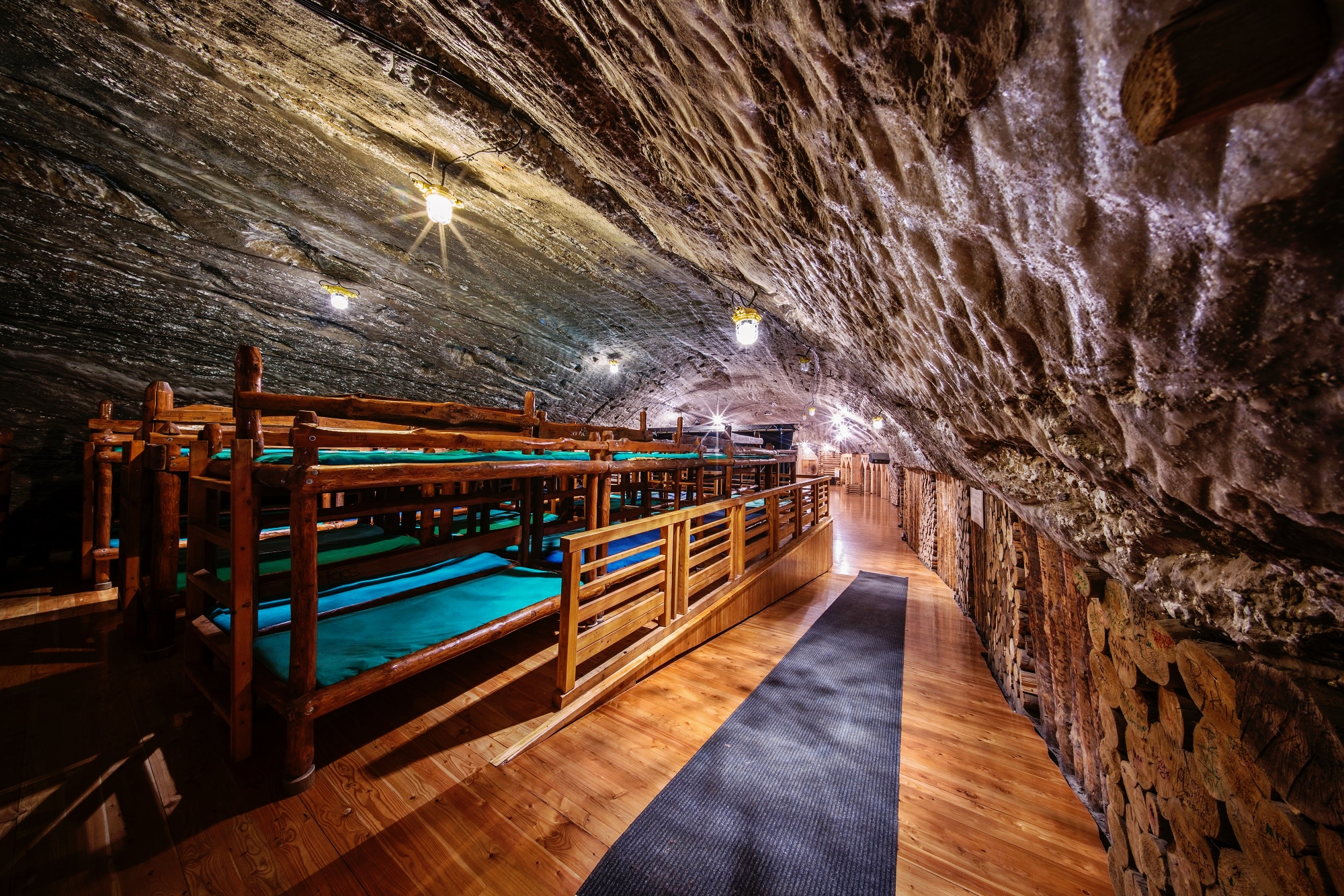
The Bochnia Salt Mine is the greatest treasure of the Bochnia region. Thanks to the salt deposits, the town of Bochnia became one of the most important economic centers of Medieval Malopolska. The mine shafts measure 4.5 kilometers (2.8 mi) in length at about 330–468 meters in depth below the surface, at 16 levels.
The beginnings of the Salt Mine date back to 1248. For over 700 years salt was being extracted, which was enriching the crown and helping with the development of the region.
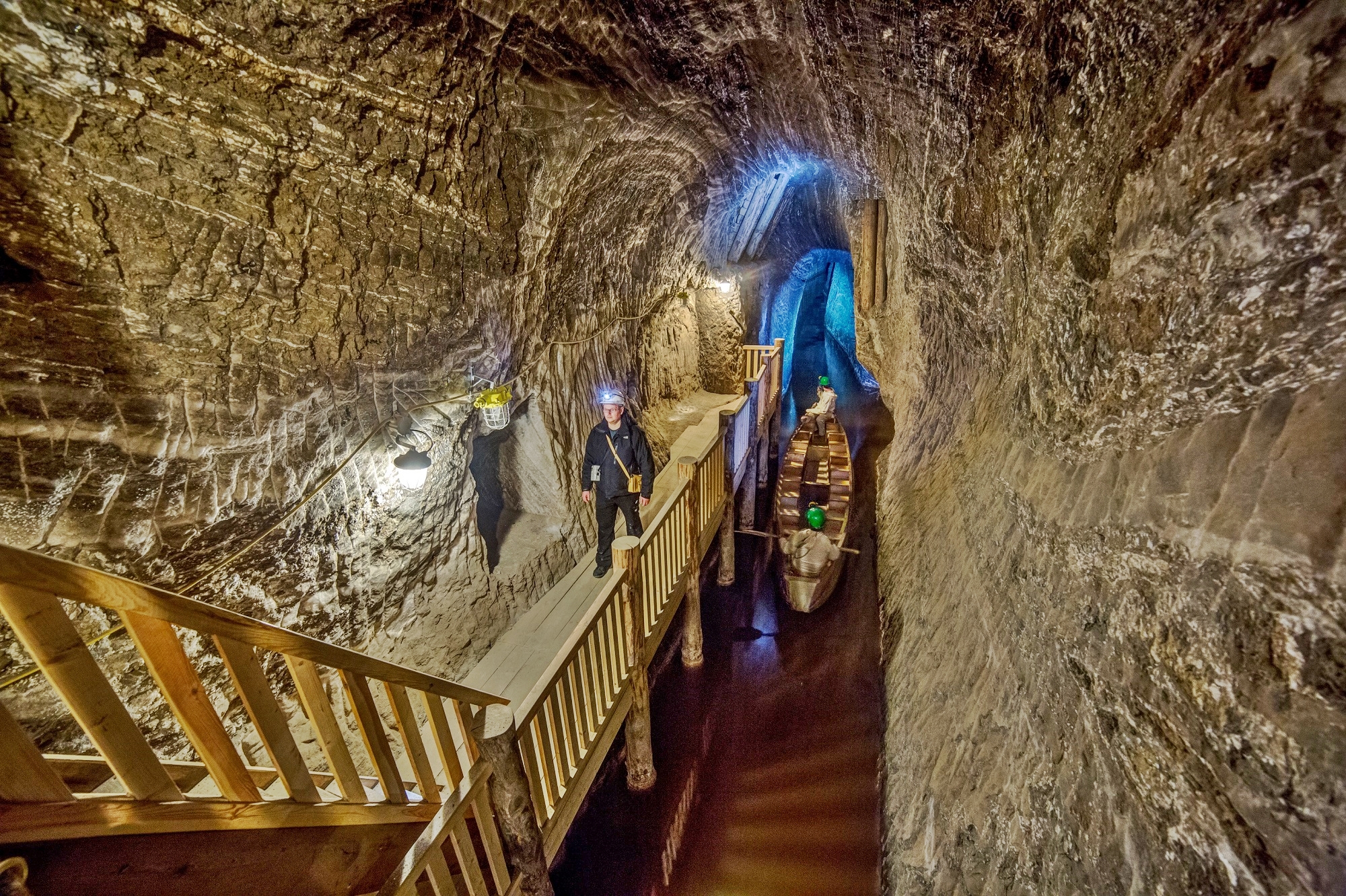
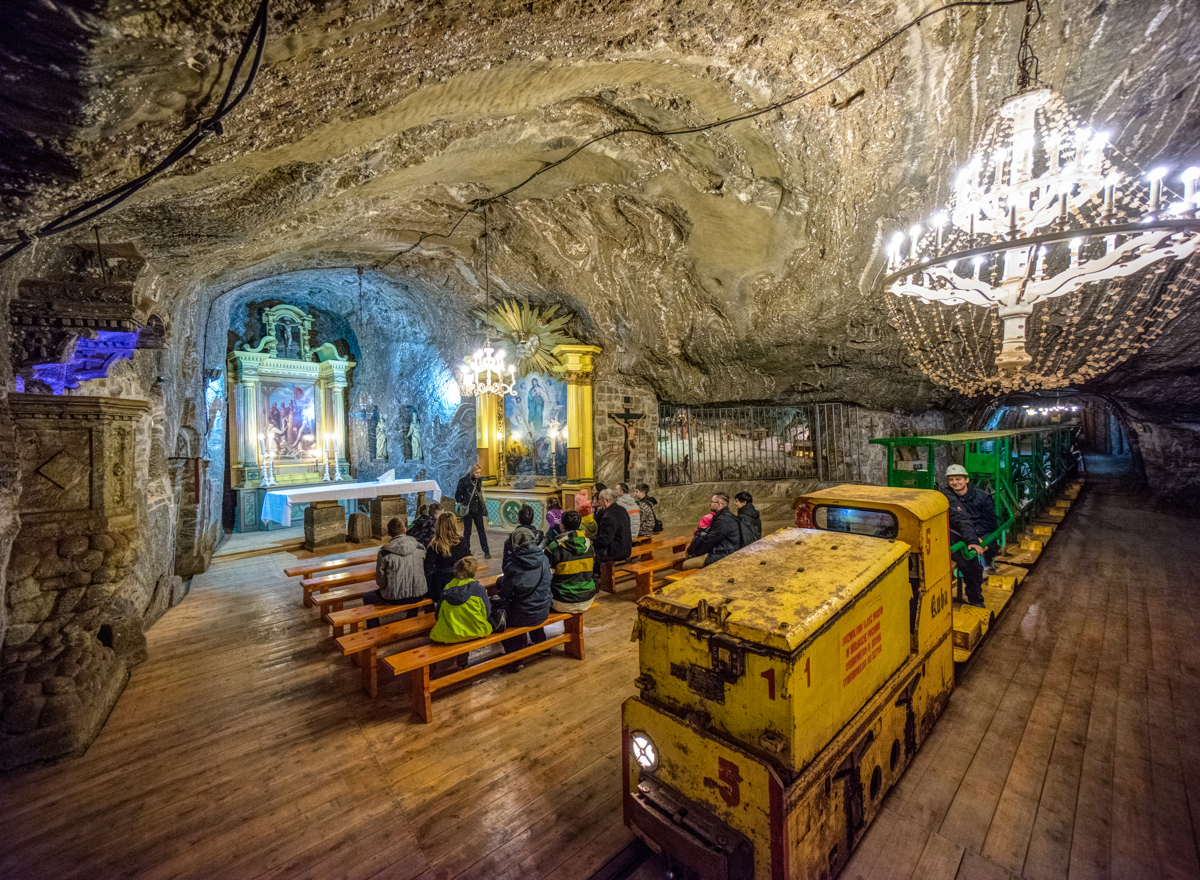
Currently, the mine links tradition with modernity. It’s the only salt mine in Poland, which offers an underground boat ride. Wooden boats floating in a chamber, filled with salt spring, are registered in Polish Ship Registry, just as ships on the sea. One of the tourist attractions is a ride in an underground train and sliding down 140 meters on the longest slide, joining 2 levels. There’s also a Multimedia Exhibition about the history of the mine, the tough work of a minor and the history of Poland.
The amazing scenery and unique values of Bochnia’s Salt Mine were acknowledged by world experts from UNESCO - on 23 June 2013, the decision was made to add the mine to that prestige list as an extension of the Wieliczka Salt Mine inscription of 1978.
Zalipie
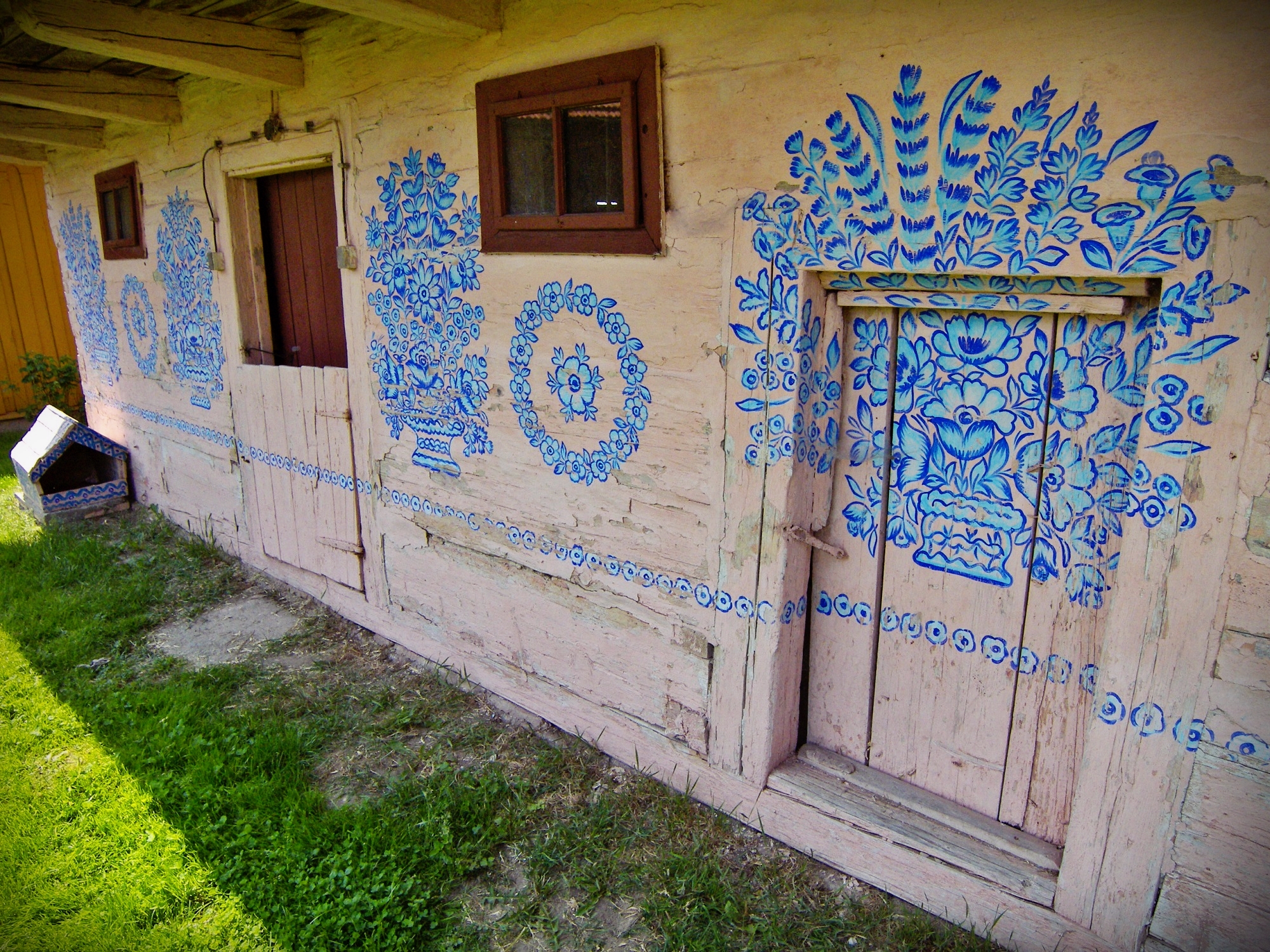
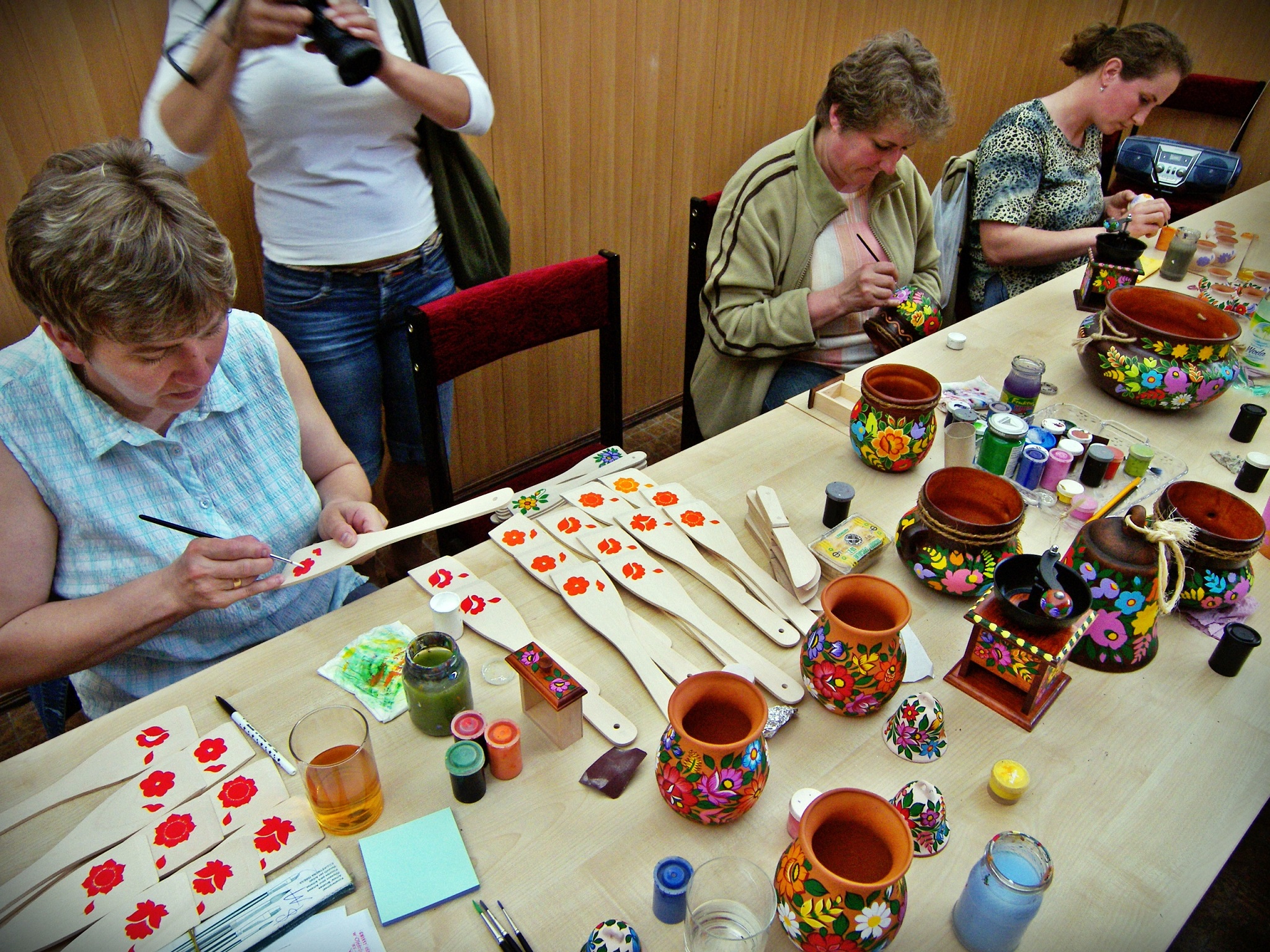
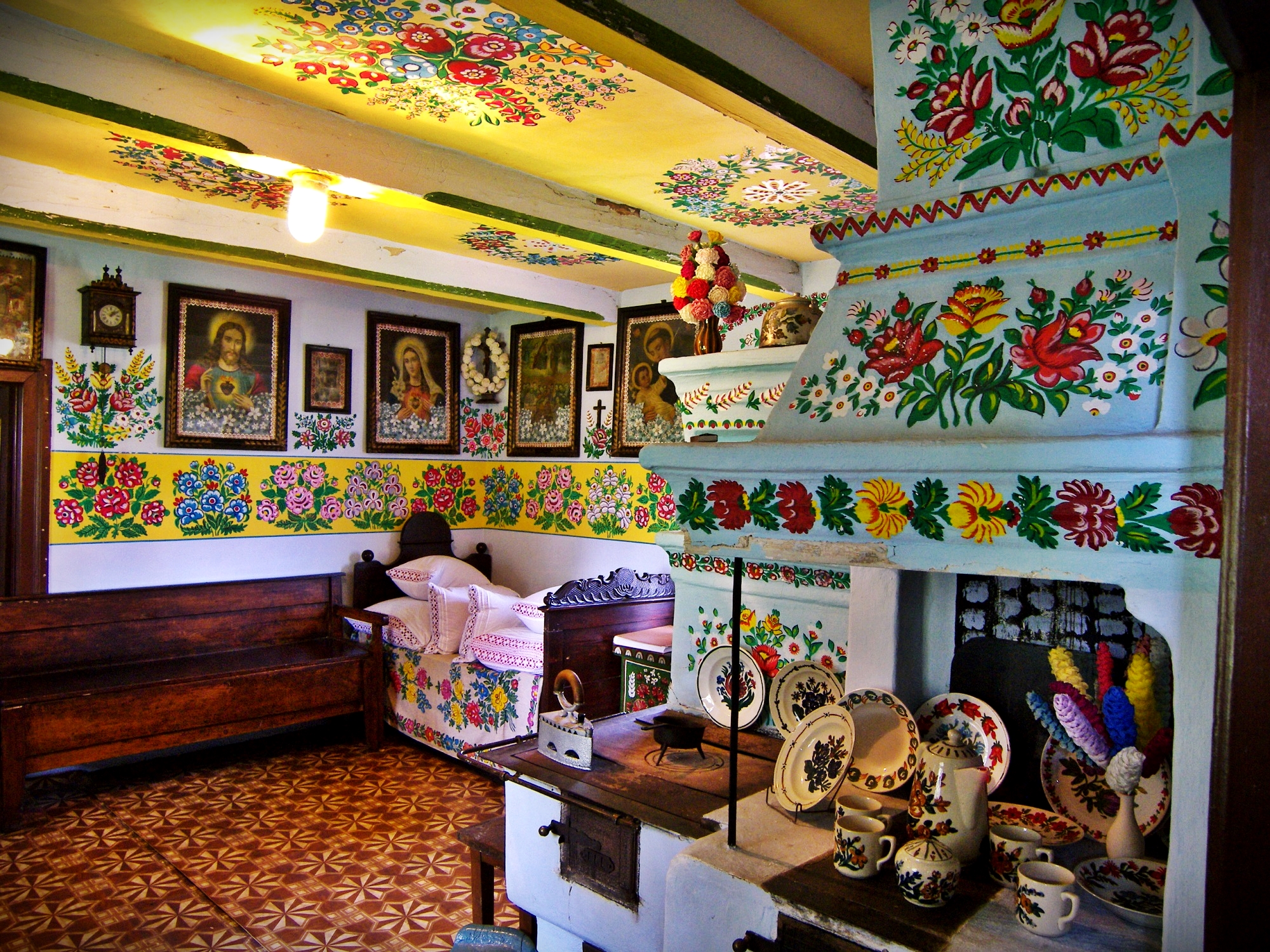
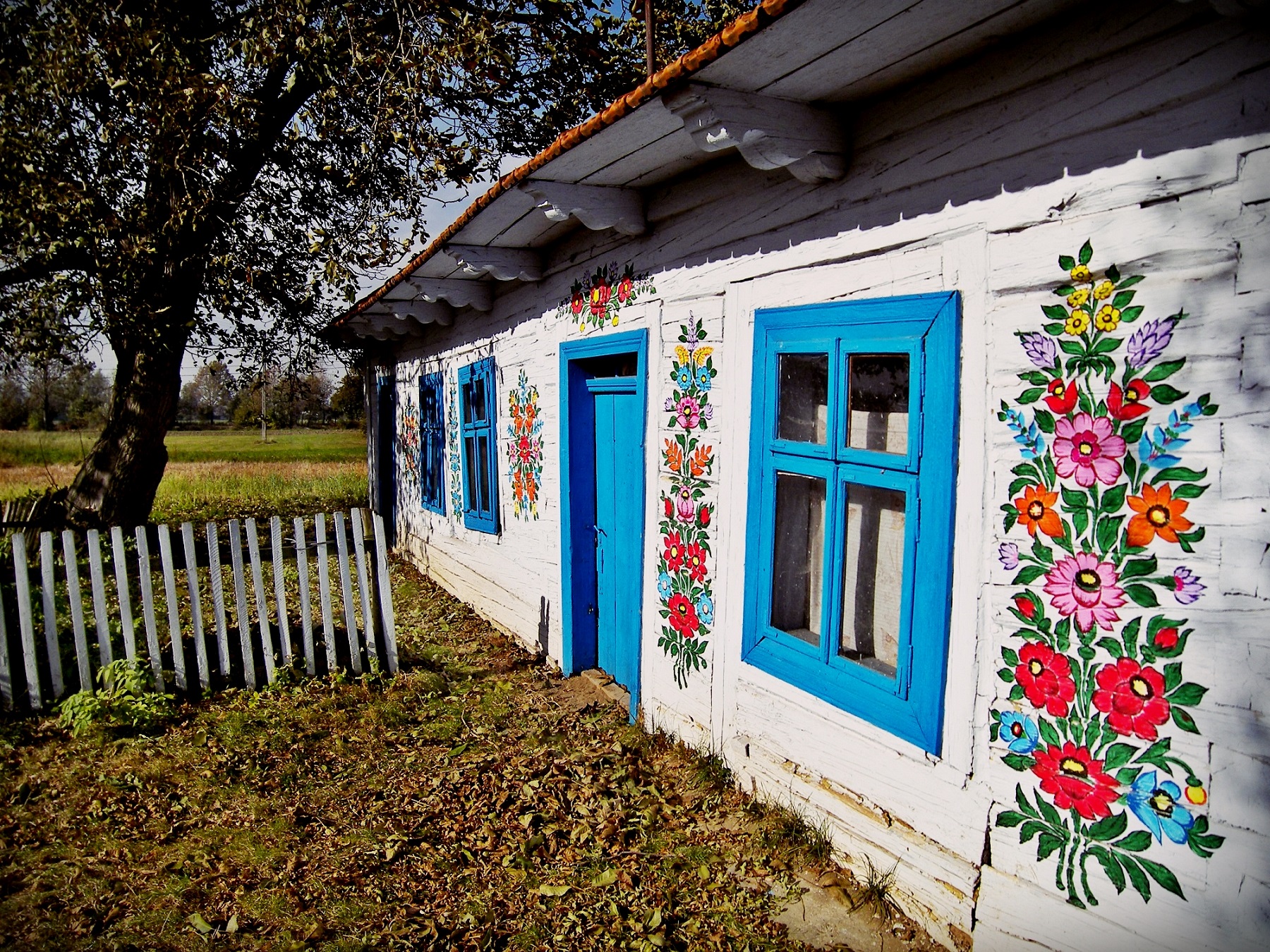
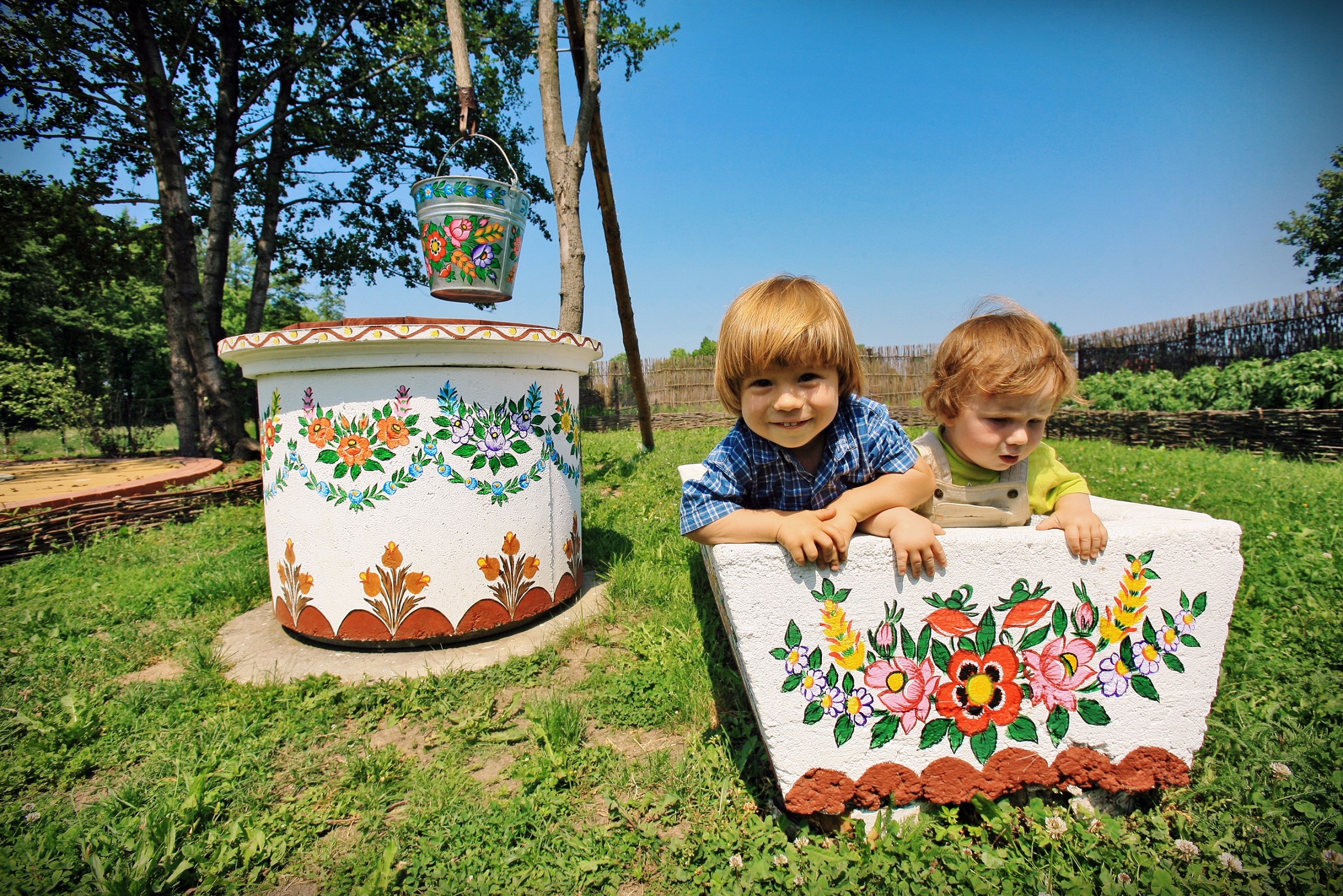
Zalipie - village famous for the decoration of its houses, with daubing on the walls and stoves and crepe-paper flowers, paper-cutting and hay spiders. This tradition has existed in Powisle Dabrowskie villages since the close of the C19th. Flowers were also painted on the external walls of peasant cottages and farm buildings, on fences, wells and even on kennels. In Zalipie now there are around 20 painted houses. The best known example of this original folk artwork is the homestead of Felicja Curylowa (currently a branch of the District Museum in Tarnow), a talented Zalipie painter, whose painting was already known in the period between the wars.
Tarnow
Tarnow is a city located in Eastern Lesser Poland. The city boasts an extraordinarily well-preserved Old Town, has one of the finest market squares in southern Poland and hides a wealth of unique buildings and places of interest.
The antique buildings at the Main Square along with Renaissance City Hall bear signs of the Middle Ages. The gothic Cathedral of the Nativity of the Blessed Virgin Mary with its monumental statues and tombstones of Jan Maria Padovano, rich collections in the Regional Museum and an unique Diocesan Museum, the only in Poland exhibition about Roma people in the Ethnography Museum, the Old Cemetery full of antique gravestones with the city owners’ chapel, historical treasures on Jewish history in Tarnow with Bim and Jewish Cemetery - one of the biggest in the country, tragic memories from World War II and a monument of the first transport to Auschwitz, lovely Strzelecki Park with a mausoleum with general Jozef Bem’s ashes placed on six Corinthian columns in the middle of a beautiful pond are just some of many must-see wonders in Tarnow.
Market Square in Tranow
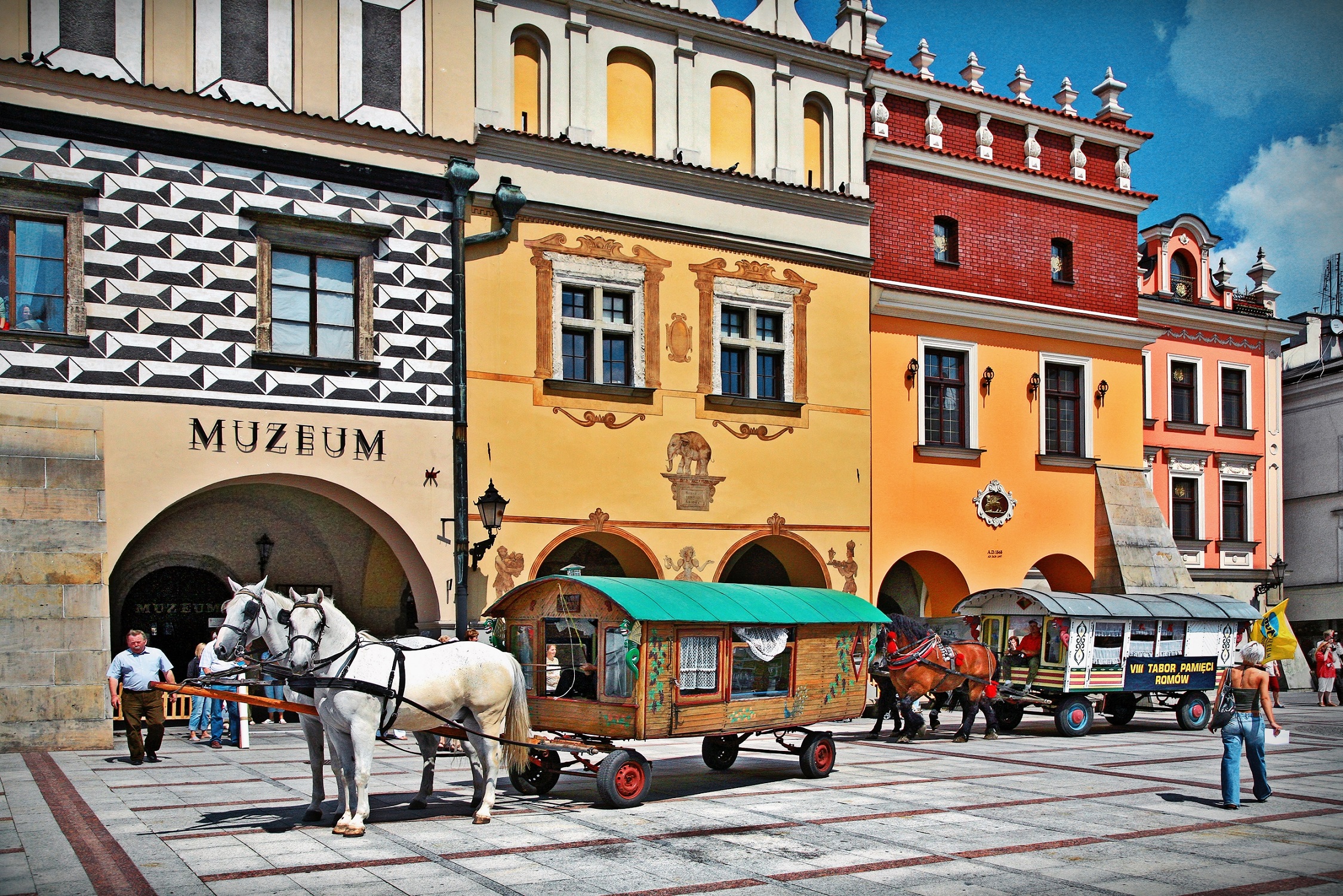
The centre of the city's social life and business trade since early times. Tarnow's market square was conceived in the early 14th century when it was laid out on a sandy hill surrounded by a lower loop of city walls and defensive towers. Although the defensive fortifications no longer remain (with the exception of a few fragments), the medieval layout of the Old Town remains intact to this day, with its latticework of narrow streets leading to the open plaza of the Rynek, with the Ratusz (Town Hall) at its centre. Measuring 74.5 by 89.4 metres, Tarnow's market square includes two reconstructed medieval wells in the north-east and south-west corners, and is surrounded on all four sides by fine Renaissance merchant houses dating from the 16th to the 18th century.
Today these buildings host various cultural venues, museums, restaurants and cafes, and in the spring and summer the Rynek comes to life with tables and chairs from the businesses lining it, and has a warm and welcoming appeal.
The Town Hall in Tranow
At the centre of the Market Square stands the Town Hall, a lovely 15th-century building originally constructed in the Gothic style and remodelled at the end of the 16th century in a classic Renaissance manner, topped off with gargoyles and a 30m tower from which Tarnow’s ‘hejnal’ – a short traditional melody – is played every day at 12:00. Rather amusingly, 12:00 depends on which side of the building you're on, as the time displayed by the Town Hall's two clocks (located just below the tower) differs by two minutes. This can be forgiven however, when one considers that the manually wound clock - whose 10-metre shaft spans the entire building - has otherwise operated flawlessly without being modernized since the 1600s. Today the Town Hall is accessible as a branch of the Tarnow District Museum and worth a visit.
The Monument of the First Transport of Prisoners to Auschwitz
The monument was placed on the same spot, from where the Germans lead out 728 political prisoners to wagons provided in the railway siding on June 12 1940. It was the first transport of prisoners to concentration camp in Auschwitz.
In front of the monument, were laid bricks from the street, on which the prisoners were walking to the wagons. These parts were found during works modernizing the train station.
Near the monument, is a Memory Booth, in which you can hear, after pressing the right button, the list of names of all prisoners from that very first transport or other war stories.
Wooden churches in Tarnow
In Tarnow there are three beautiful wooden churches, covered with shingle and smelling of incense, belonged to the Malopolska Wooden Architecture Trail
The Church of Our Lady of the Scapula “na Burku” in Tarnow was built before 1458 near Watok stream. It’s one of the oldest wooden churches in Lesser Poland. The pole tower with starling, is covered by an oval helmet with a lantern was added in 1910. The interior flat ceilings with roof truss (above the nave) are covered with polychromy from the 30’s, by the hand of Tadeusz Terlecki.
The Church of Trinity at Terlikowka in Tarnow was built in wooden gothic style in 1563-89. The baroque tower was added in 1837. To its charm add shingle covered walls and a double ridge roof. Polychromy from the XX century covers the flat ceilings. On the early-baroque main altar from the first half of the XVII century, is a precious paining with a rare depiction of Trinity in Pietas Domini style. The side altars were created in the late XVI century and contain Renaissance painting from the same period: “the Coronation of the Virgin Mary” and “Crucifixion” with kneeling figures of the sponsors of the piece at the foot of the Cross.
St. Marcin's Church in Zawada was built in the fifteenth century on the top of the hill. A late-Gothic crucifix from the beginning of the 16th century is a valuable monument. In the early Baroque main altar from the first half of the 17th century, there is a painting of St. Martin. Inside the church you can admire the polychrome from the 20th century - figural on the ceilings and ornamental on the walls. The oldest pieces of equipment include four late Gothic reliefs on the choir window sill. An interesting fact is the chain, suspended between the nave and the presbytery, probably made by a blind shepherd from one piece of wood.
St. Martin’s hill
"Marcinka” as the locals commonly call it is a hill located on the Southern side of Tarnow. Centuries ago the house of Leliwita had their castle there. Tarnow’s castle was the residency of Tarnow’s authorities and administrative centrum of city’s goods. It was built between the years 1328-1331 on a hill 2 km away from Tarnow, by the order of Spicymir from the house of Leliwita, who was the chancellor of Krakow. The castle had its heyday during the reign of hetman Jan Tarnowski who adapted it into a Renaissance-style palace in the 16th century. However, after the hetman's son died childless in 1567 - a mere six years after his own death - the castle began to fall into disrepair and was abandoned by 1723.
Today all that remains are ruins. Now it’s an enthusiastically visited vantage spot, from which the panorama of the whole city can be seen.