
Gdansk
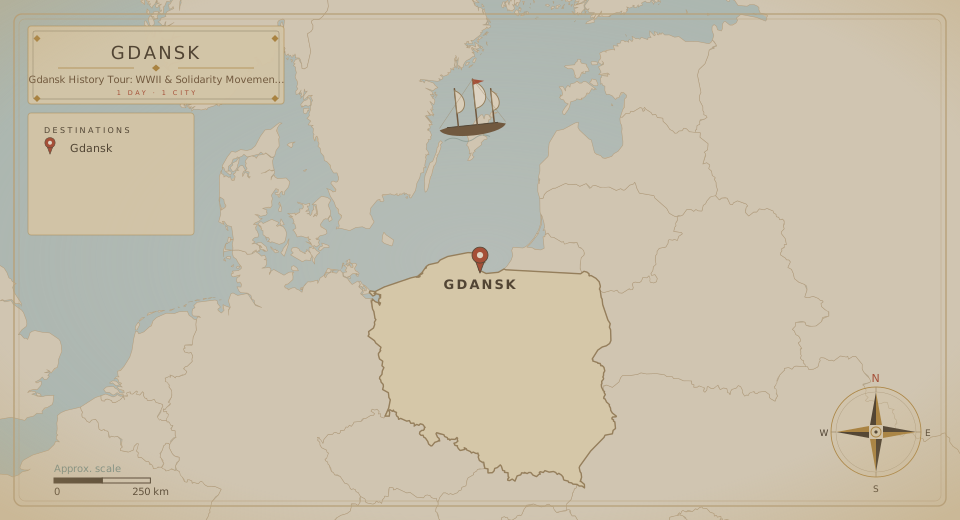
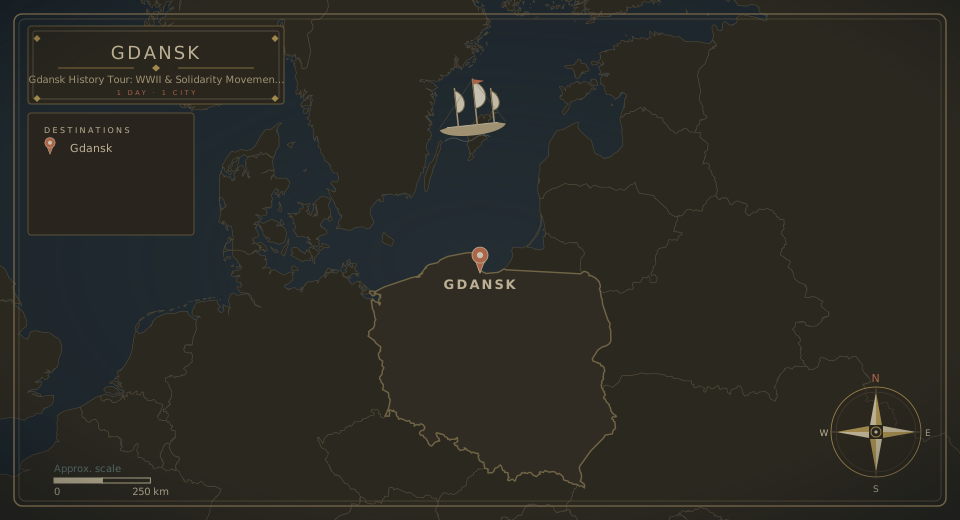
Gdansk is a city on the Baltic coast of northern Poland Gdańsk is the capital and largest city of the Pomeranian province and one of the most prominent cities within the cultural and geographical region of Kashubia. It is Poland's principal seaport and the centre of the country's fourth-largest metropolitan area together with Gdynia and Sopot, with a population approaching 1.4 million.
Gdansk Shipyard
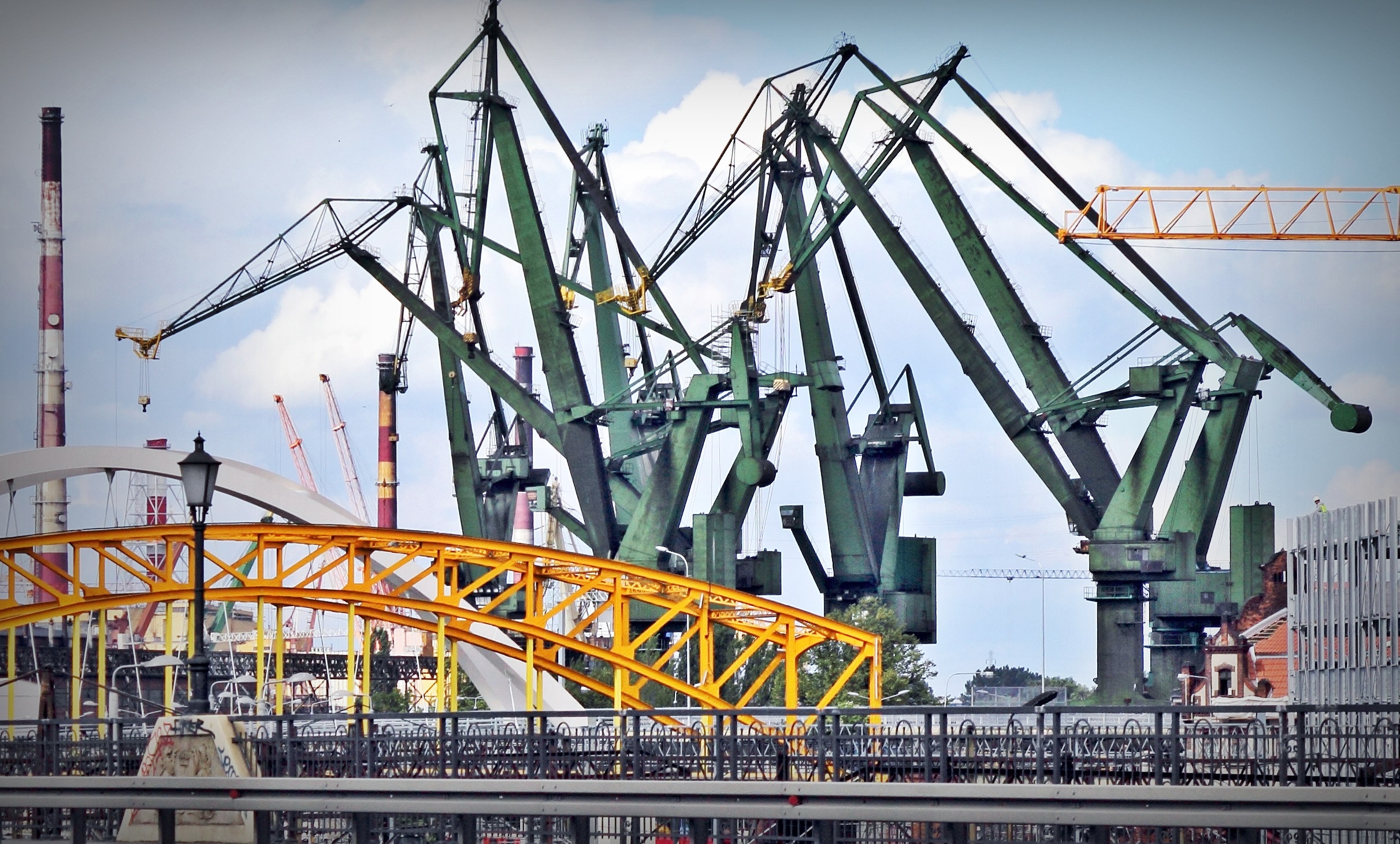
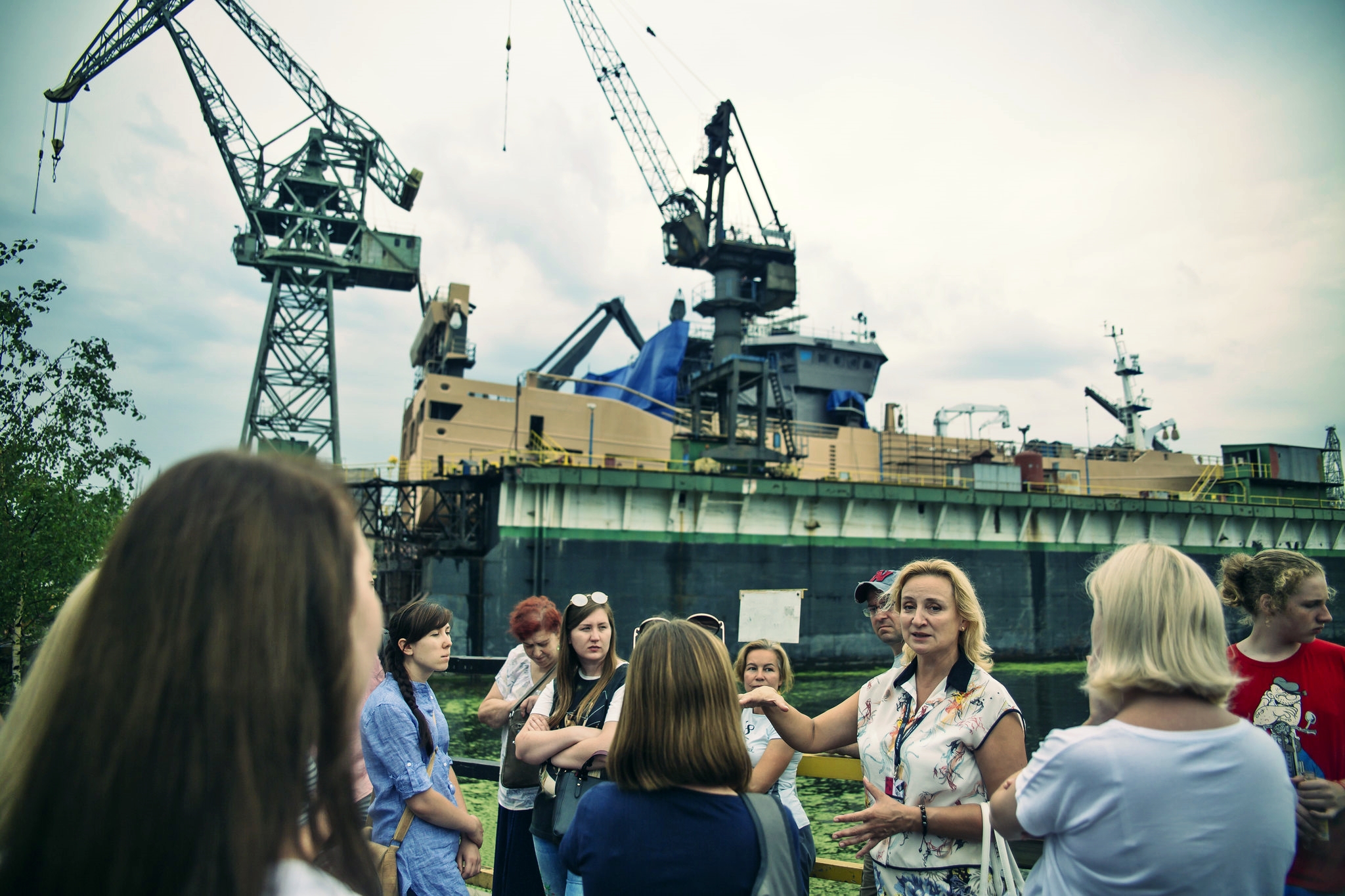
Gdansk Shipyard (Stocznia Gdanska, formerly Lenin Shipyard) is a large Polish shipyard, located in the city of Gdańsk. The yard gained international fame when Solidarity (Solidarnosc) was founded there in September 1980. It is situated on the left side of Martwa Wisla and on Ostrow Island. Gdansk Shipyard, was where, in August 1980, the famous strike began that “set Poland on fire” and forced the communist authorities to make numerous concessions, including the legalisation of the Solidarity Trade Union. Gdansk’s residents have always been courageous, have always valued their independence and, justifiably, have remained fiercely proud of their city. Abolition of communism in Poland started changes in the whole European continent leading to liberation of other countries from USSR domination and unification of Germany.
Monument to the Fallen Ship Workers
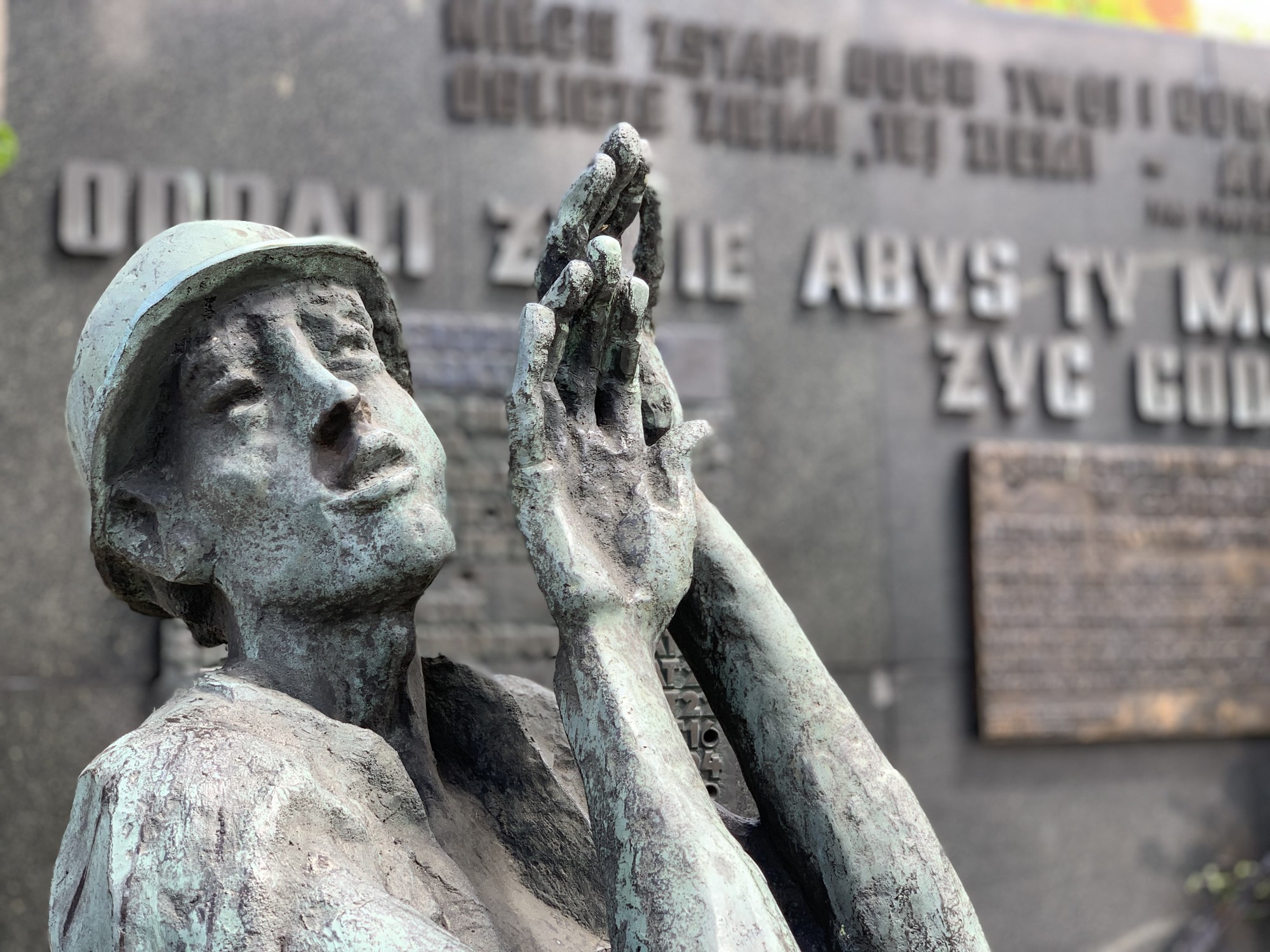
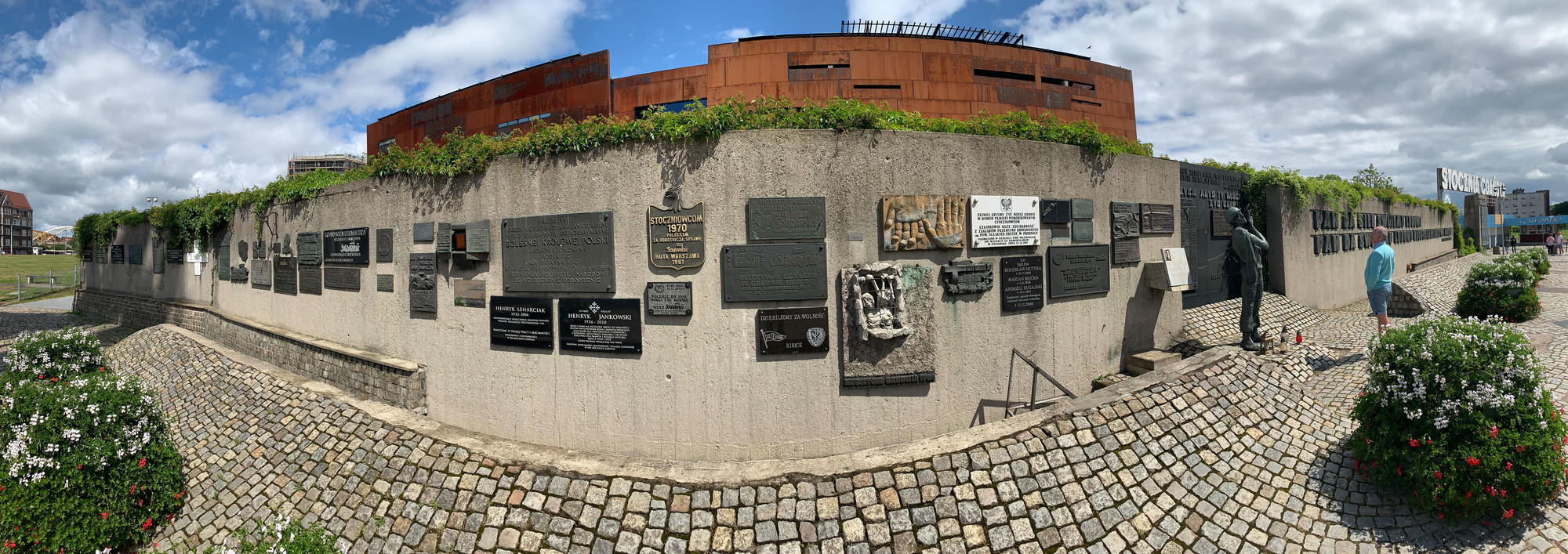
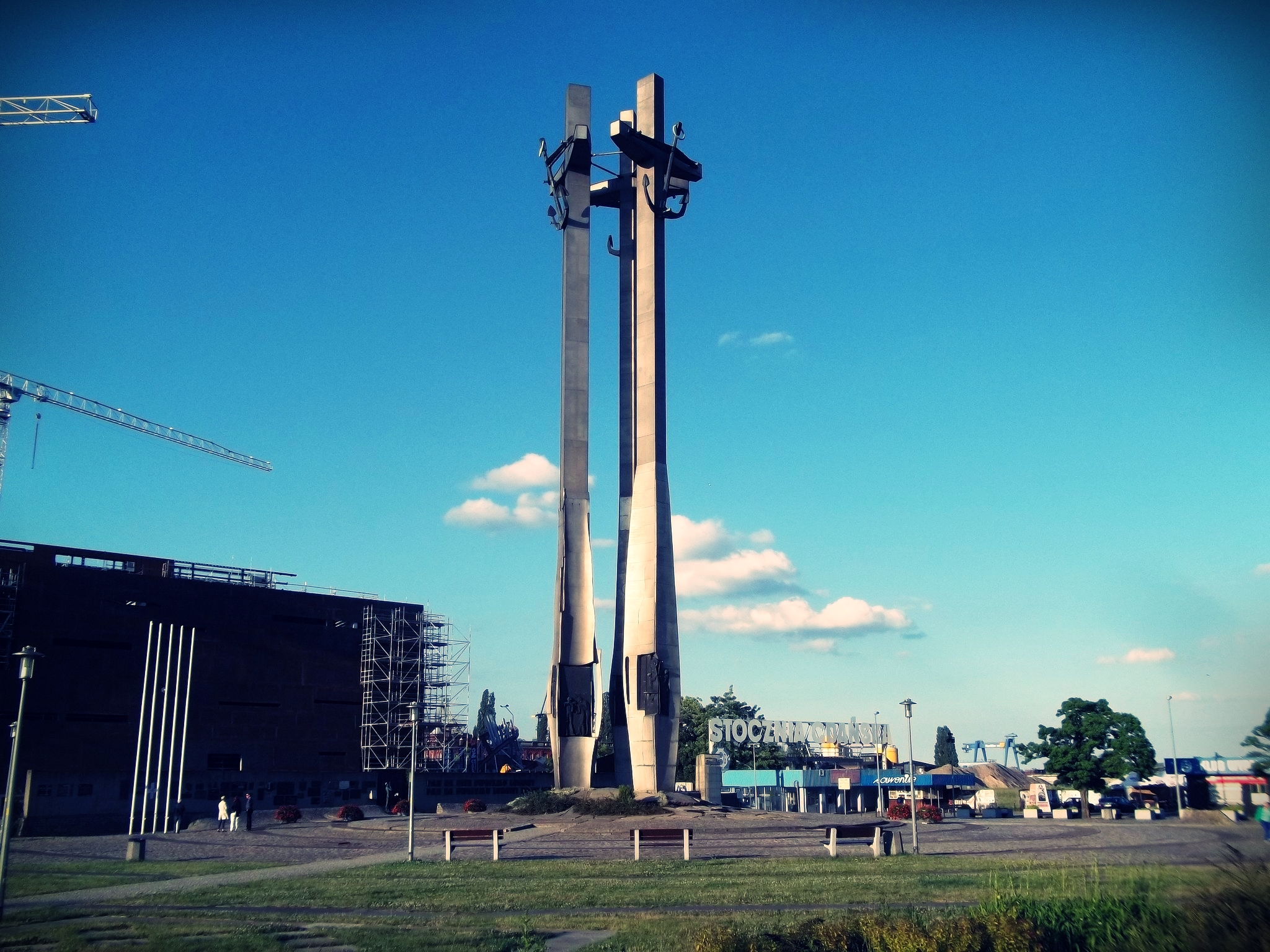
December 1970 in Gdansk, Gdynia, Szczecin and Elblag was a time of labor strikes. A sudden increase in prices was the direct cause. The coastal areas were brutally pacified by the government. Ten years later, to commemorate the victims, a monument was erected – three crosses with anchors attached. Every cross weighs 36 tons and is 138 ft tall. Official delegations visiting Gdansk usually place flowers at the foot of this monument. In the aptly named Solidarity Square, three solemn 42-metre-high crosses tower overhead with anchors attached to them. This striking Monument to the Fallen Shipyard Workers of 1970 stands right next to the European Solidarity Centre, an interactive museum recounting the Polish people’s aspirations to freedom. There is a fascinating story about the long, hard fight against the communist regime, about the many sacrifices made by nations imprisoned behind the Iron Curtain and above all, about hope. Ultimately, it’s a story about their greatest victory; one that forever changed the history of Poland and, in fact, the whole world.
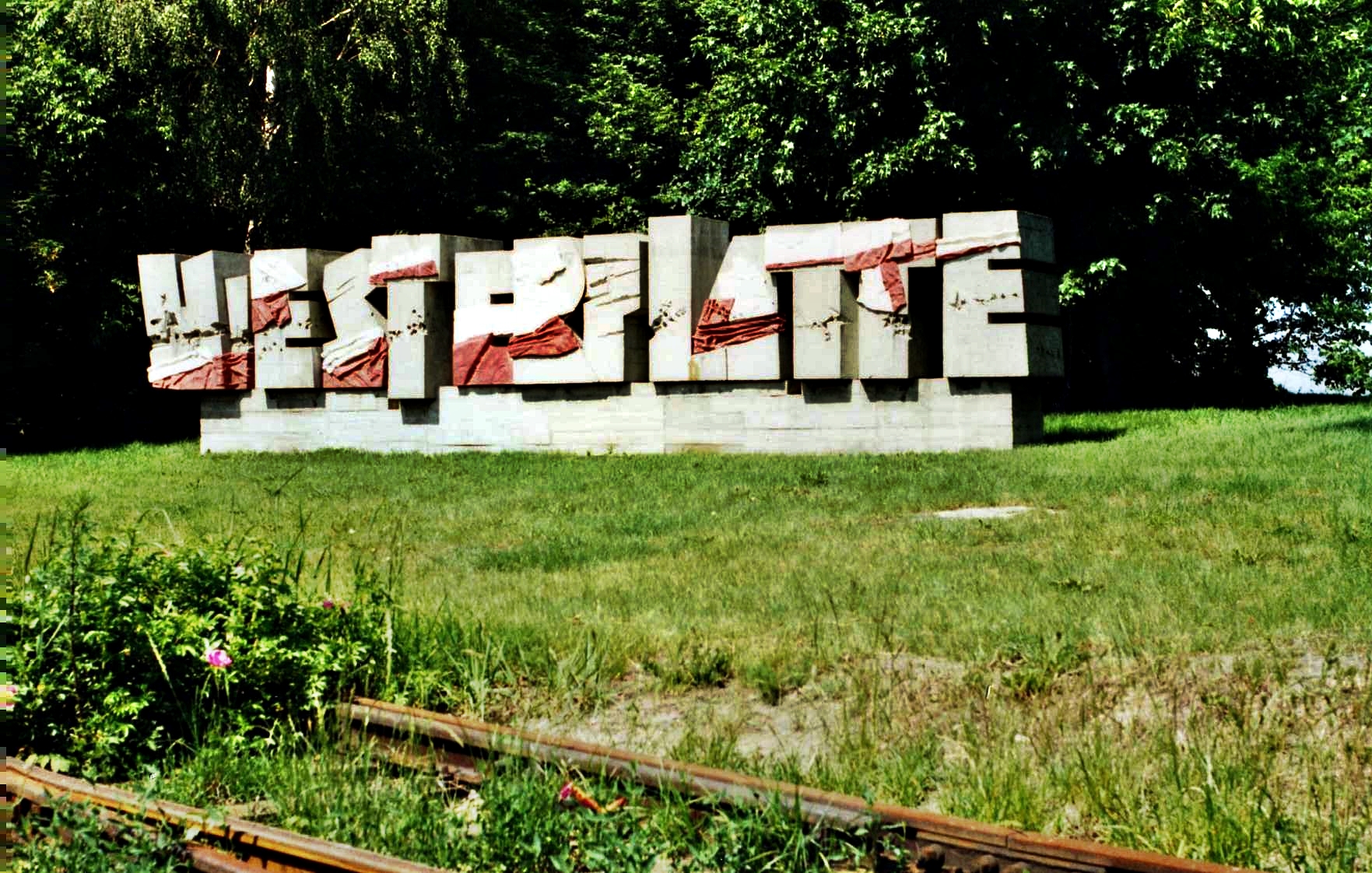
Westerplatte
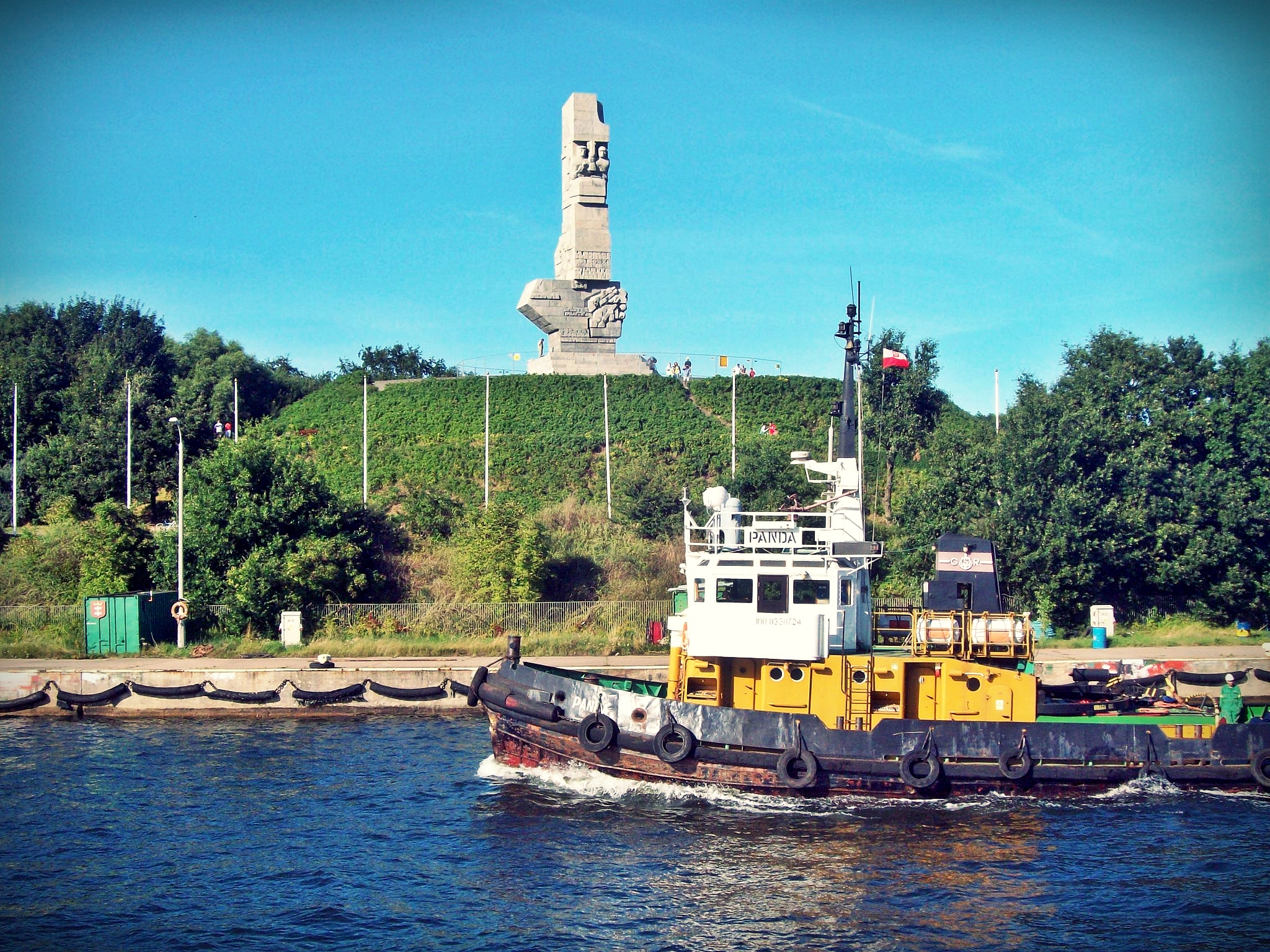
Westerplatte is a peninsula at the mouth of the so-called Dead Vistula river. Although there is not a lot to see here, the history of this place makes a visit worthwhile. It was here, on September 1, 1939, that the first shots of World War II were fired by the German Battleship Schleswig-Holstein. Polish garrison of just 205 ill-equipped soldiers held out against two warships, aircraft, heavy guns and over 3,000 German troops for a week, losing only 14 men and killing 300 of the enemy.