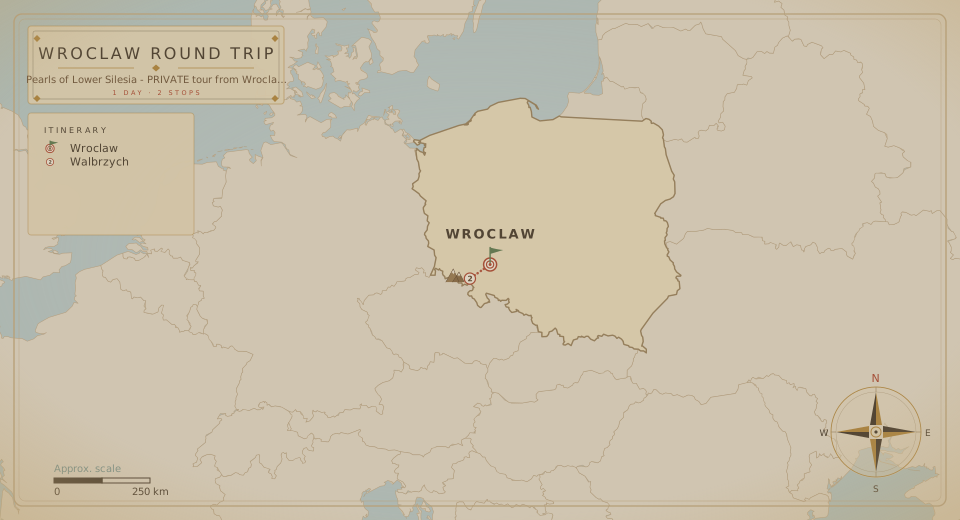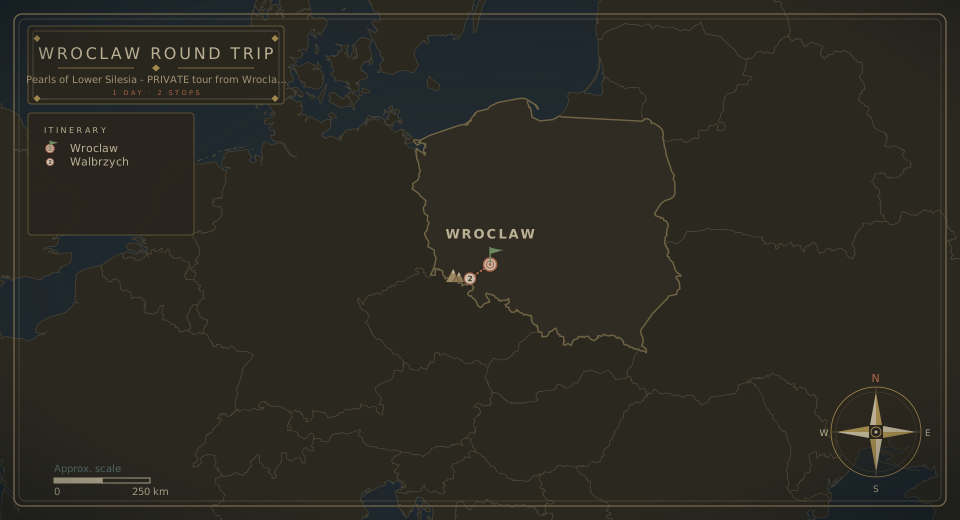

Lower Silesia
Lower Silesia is the northwestern part of the historical and geographical region of Silesia, the Upper Silesia is to the southeast. In the Middle Ages Lower Silesia was part of Piast-ruled Poland and a part of it fell under the overlordship of the Bohemian Crown. Throughout centuries it was under the suzerainty of the Kingdom of Hungary, the Austrian Habsburg Monarchy, the Kingdom of Prussia and Germany to come back to Poland after 1945. This complex and turbulent history has contributed to the fusion of various cultures and the emergence of an unprecedented mix of styles and traditions. Lower Silesia boast of its amazing heritage and is crowned with a number of tourist attractions. Castles of the Piast dynasty, Cistercians castles, underground hiking trails, monumental palaces, nature reserves, rock labyrinths, some of the most important works in industrial architecture, the largest number of health resorts in Poland, numerous ski slopes and luxury hotels - all this can be found just in here. The region’s attractiveness is especially highlighted by both its natural and cultural richness as well its considerable potential in health tourism and the increasingly popular forms of agro- and ecotourism.
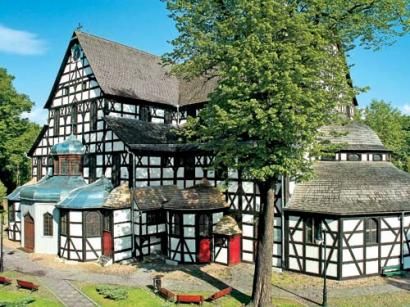
Churches of Peace in Jawor and Swidnica
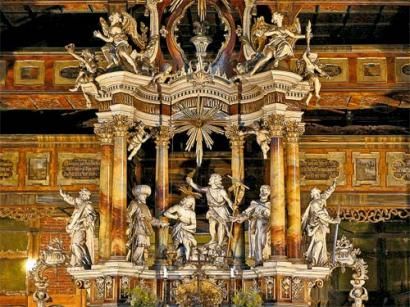
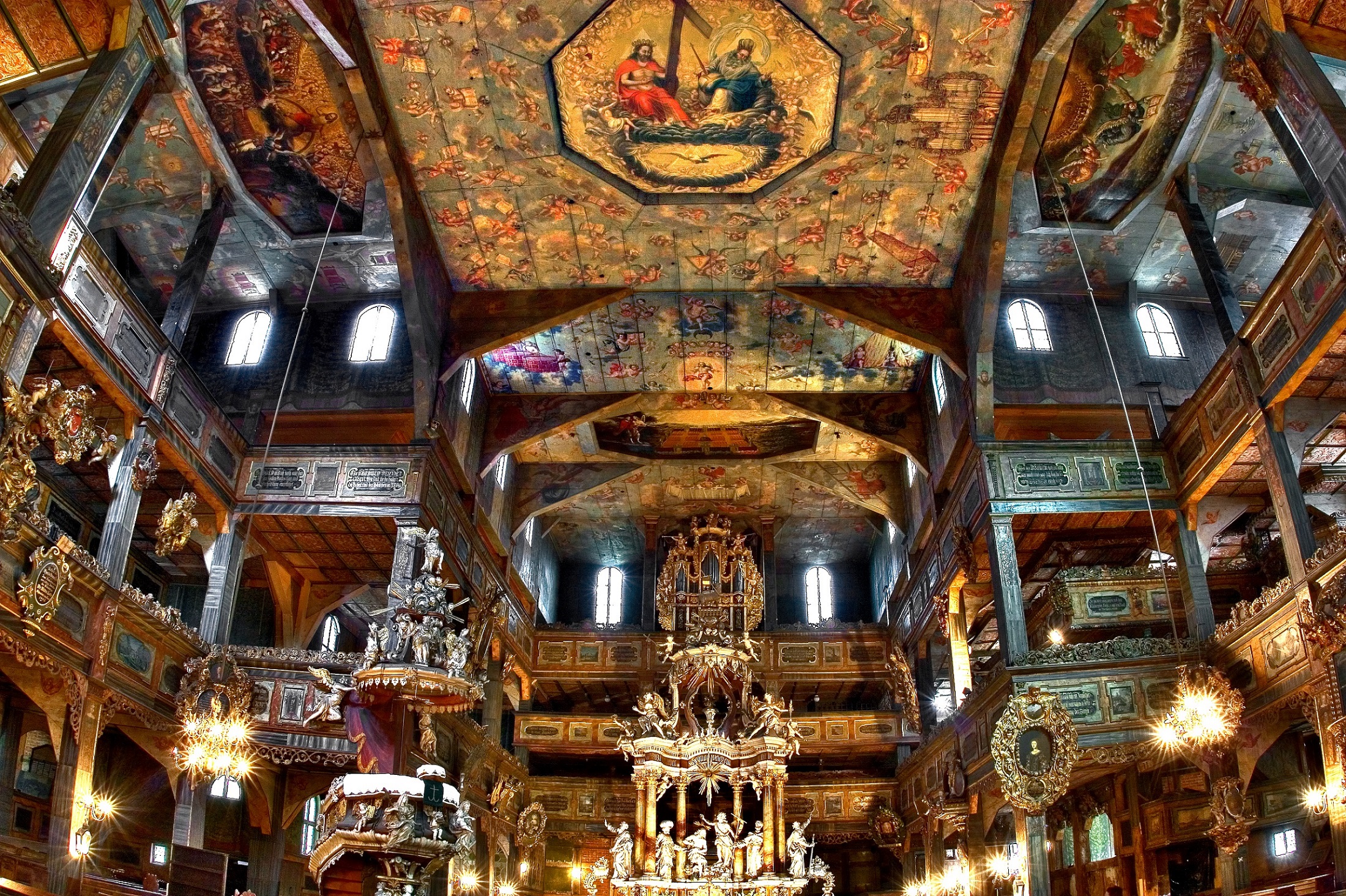
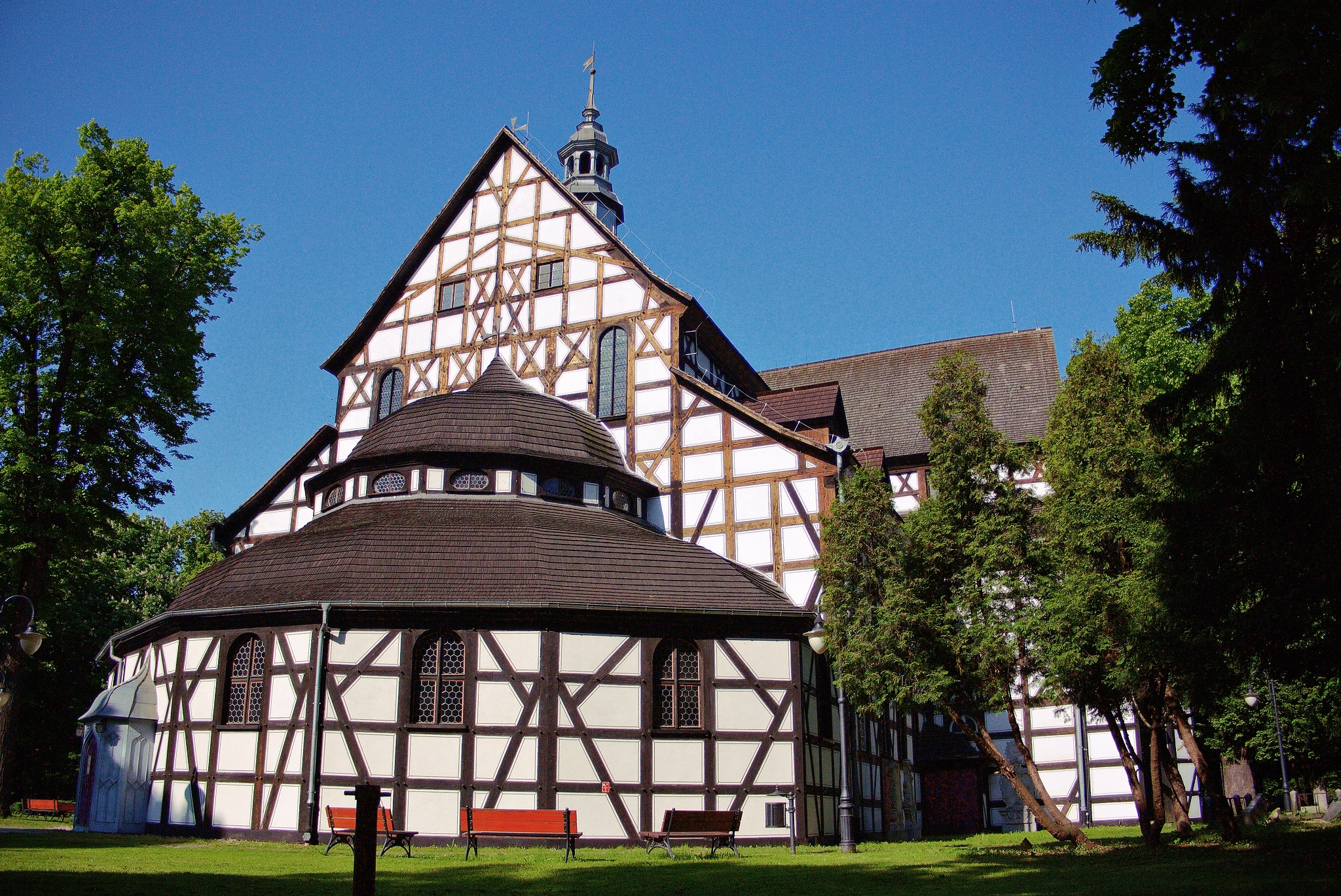
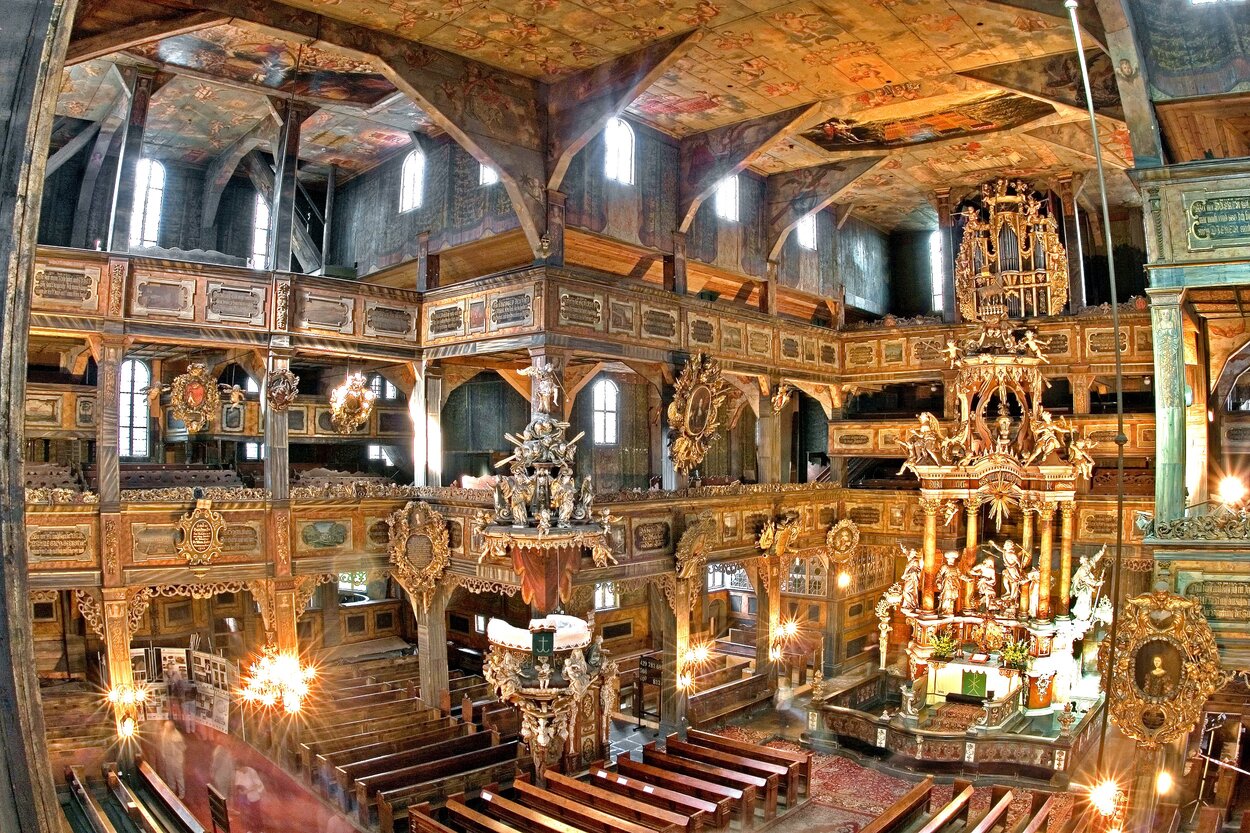
Churches of Peace in Jawor and Swidnica are the largest timber-framed religious buildings in Europe due to pioneering constructional and architectural solutions. Since 2001 there are listed as UNESCO World Heritage Sites. These unique, richly decorated churches were erected by the Silesian protestants in the 17th century, after the “Thirty-Year” war and were named after the Peace of Westphalia of 1648. The Lutherans of Silesia were permitted to build three churches from wood, loam and straw outside the city walls, without steeples and church bells. The construction time was limited to one year. Nowadays you can admire just two churches, the third Peace church, erected in Glogow, burned down in 1758.
Ksiaz Castle
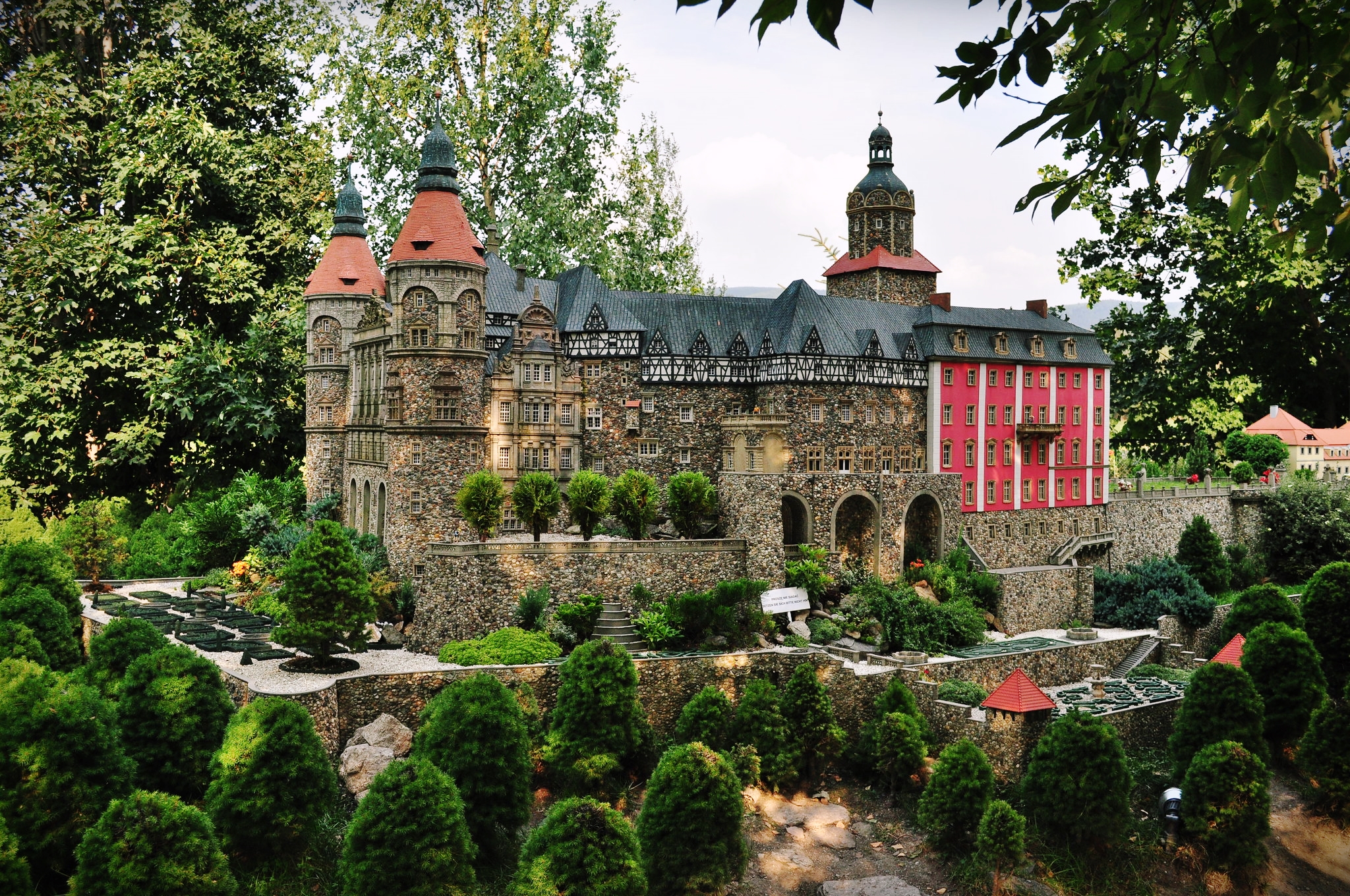
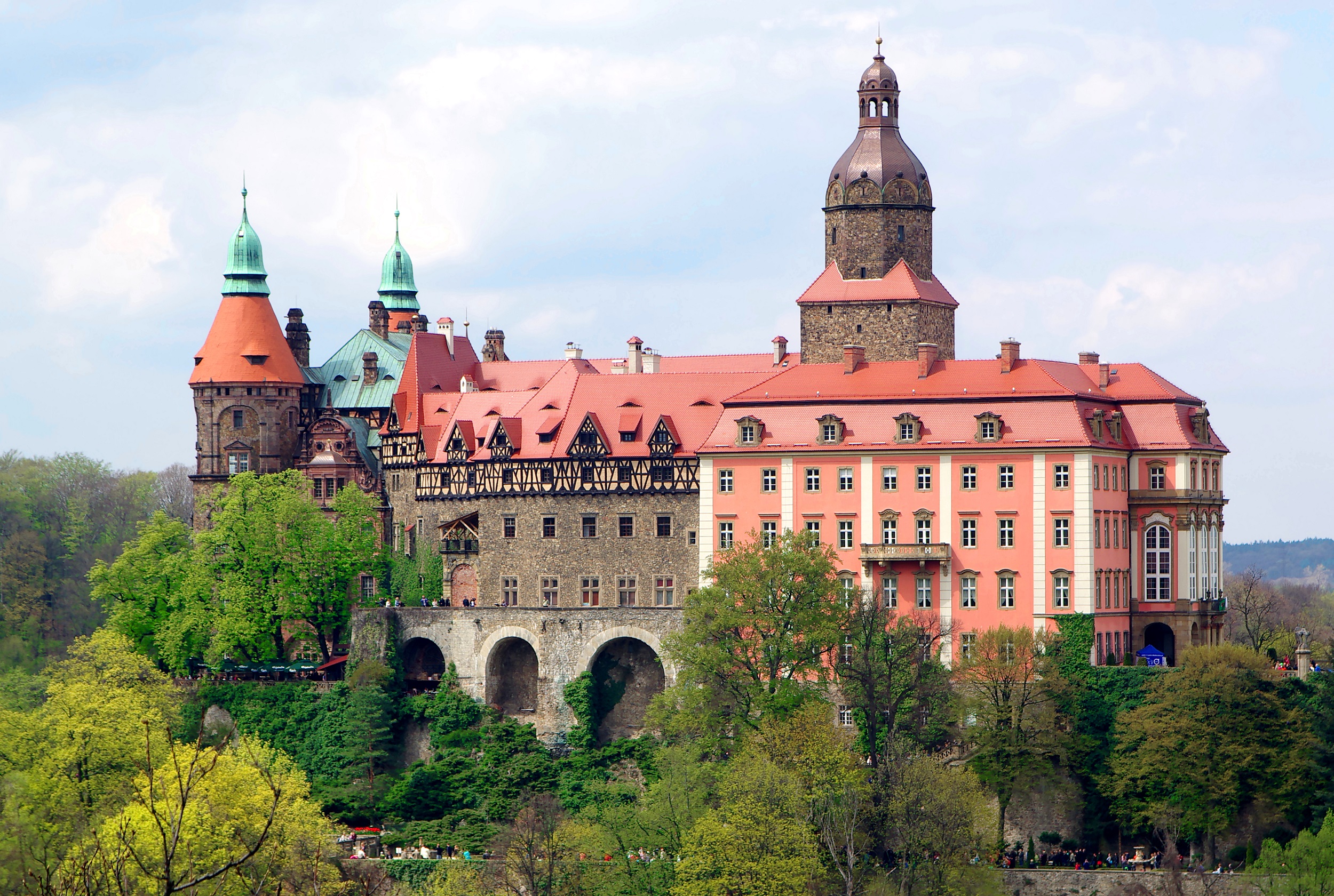
The magnificent Ksiaz Castle, the third largest in Poland, dates back to 13th century. This Medieval residence of princes, redecorated in the Baroque style by its later owners, is in the same league as the most significant Polish castles, sitting right next to Wawel and Malbork. This impressive construction with a large garden complex is surrounded by hills with forest. The gardens catch the eye with their sophisticated flowerbed arrangements. Castle interiors are also spectacular. Elegantly decorated Maximilian’s Hall and the Princess Daisy apartments astound with their Baroque style. Daisy von Pless was one of the most intriguing figures to have lived in the castle: remembered not only for her charm and beauty but also for her pacifist stance during both World Wars. At day time one can visit breathtaking interiors, dungeons and mysterious tunnel constructed by Nazis during the Second World War, greenhouse, mausoleum and in summer time garden terraces as well. Night sightseeing tours of the castle are especially exciting, as illuminations brings back some legends to live. In winter gardens of the light are additional attraction.
These days Ksiaz Castle, apart of sightseeing, offers also luxury hotel accommodations and fine dining in its restaurant. It is also a venue for exhibitions and festivals, among which the most interesting ones are the “Festival of Flowers and Art” held in May and the “Princess Daisy Ensemble International Festival of Chamber Art.”