
Podhale
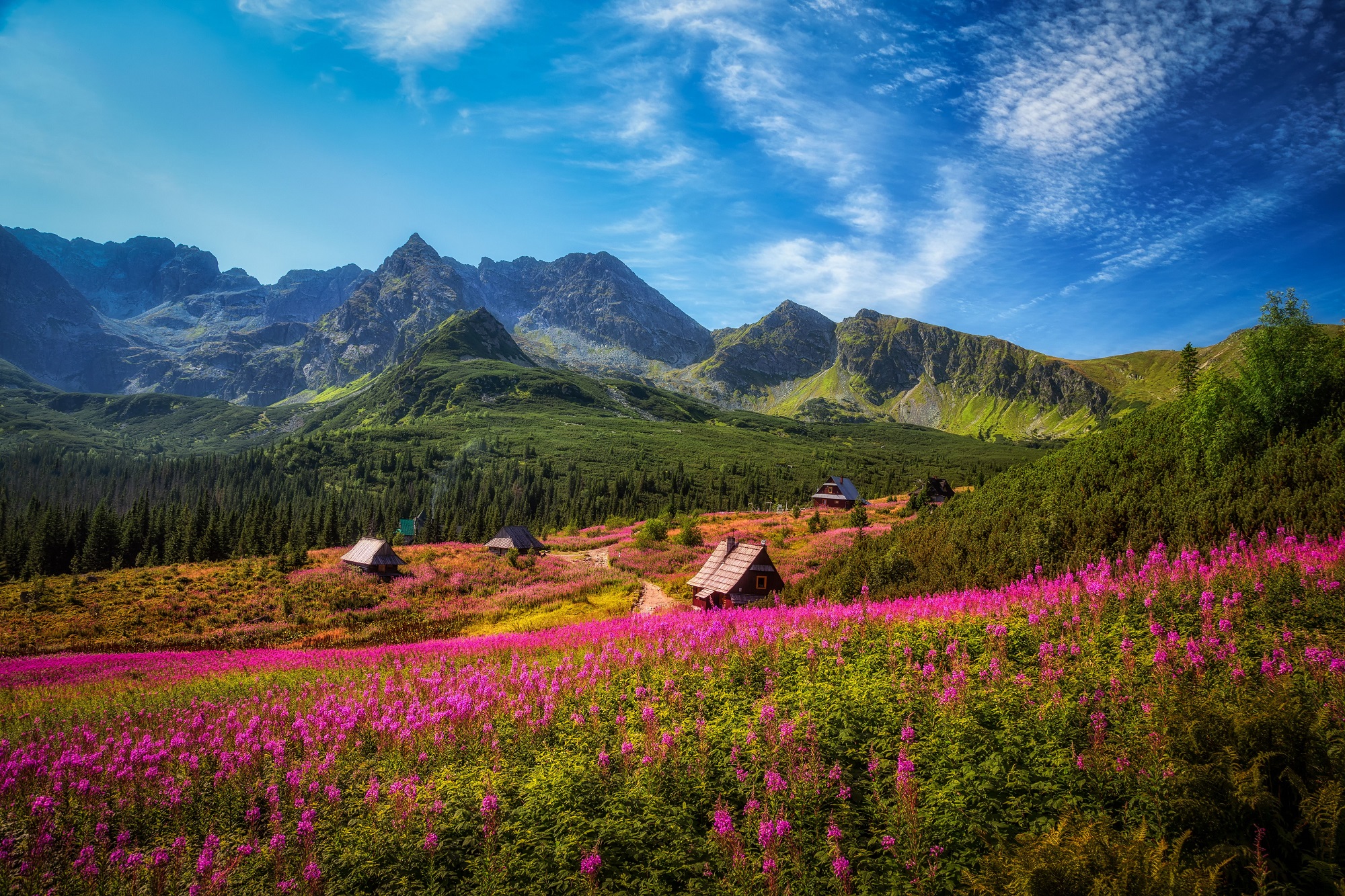
Podhale is a real paradise for lovers of communing with nature and a Mecca for tourists who love mountain hiking. The region is divided into “Rocky Podhale” (the southern border of which is marked by Zakopane, among others) and “Nizne Podhale”. Along the Polish border, there are Tatra Mountains, protected in the area of the Tatra National Park. The historical capital of the region is Nowy Targ, while the town most important and most visited by tourists is the “winter capital of Poland” – Zakopane. Podhale is characterized by an attachment to tradition, its inhabitants have a very emotional attitude to folk elements and folklore and you will see the manifestations of the above at almost every step.
Tatra Mountains and Tatra National Park
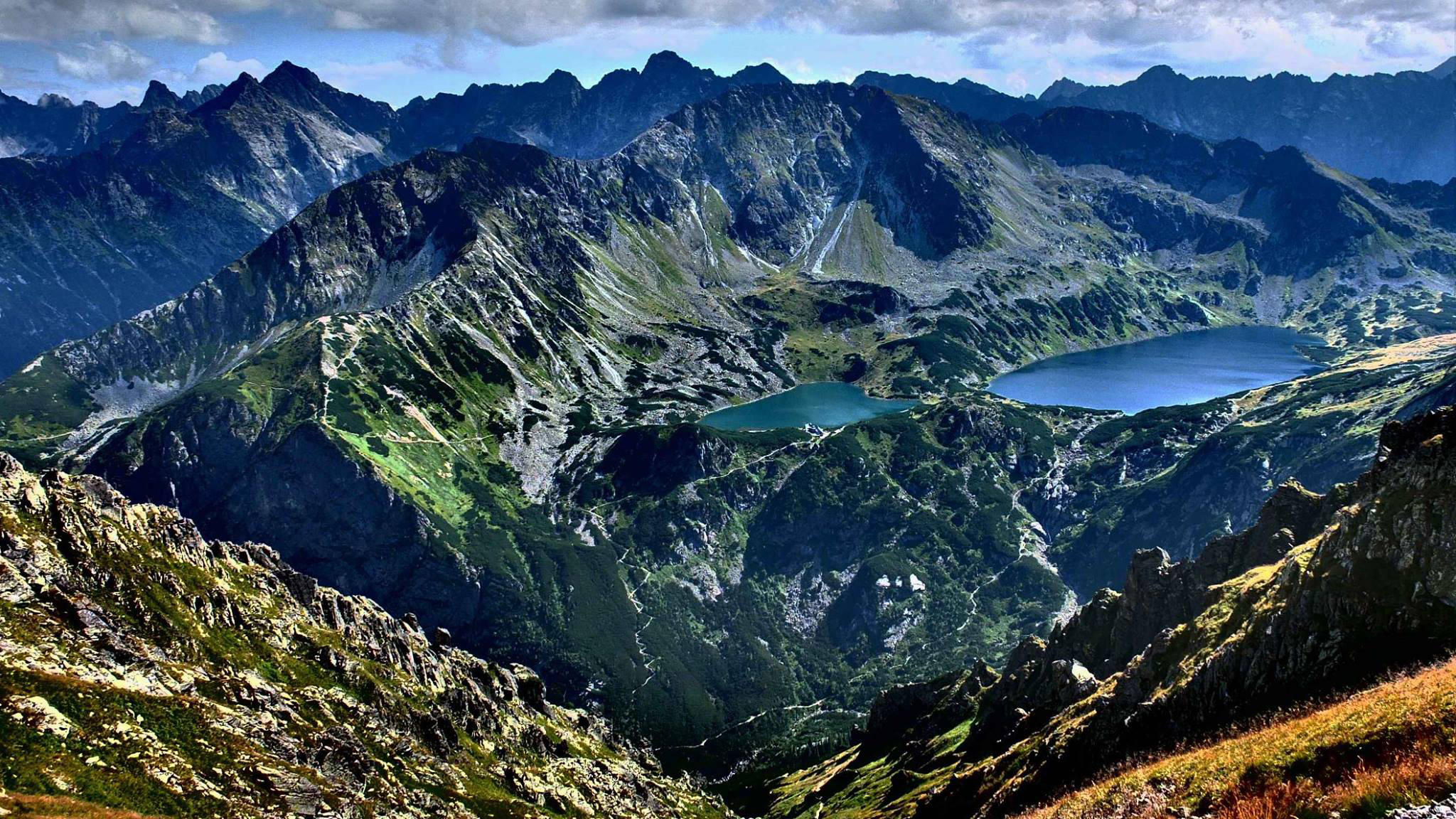
The Tatra mountains are an iconic location with their own breathtaking sights, outdoor adventures, and local customs and traditions. The rocky peaks reach between 2,000 to 5,000 thousand feet with the highest Rysy peak towering at over 8,000 feet.
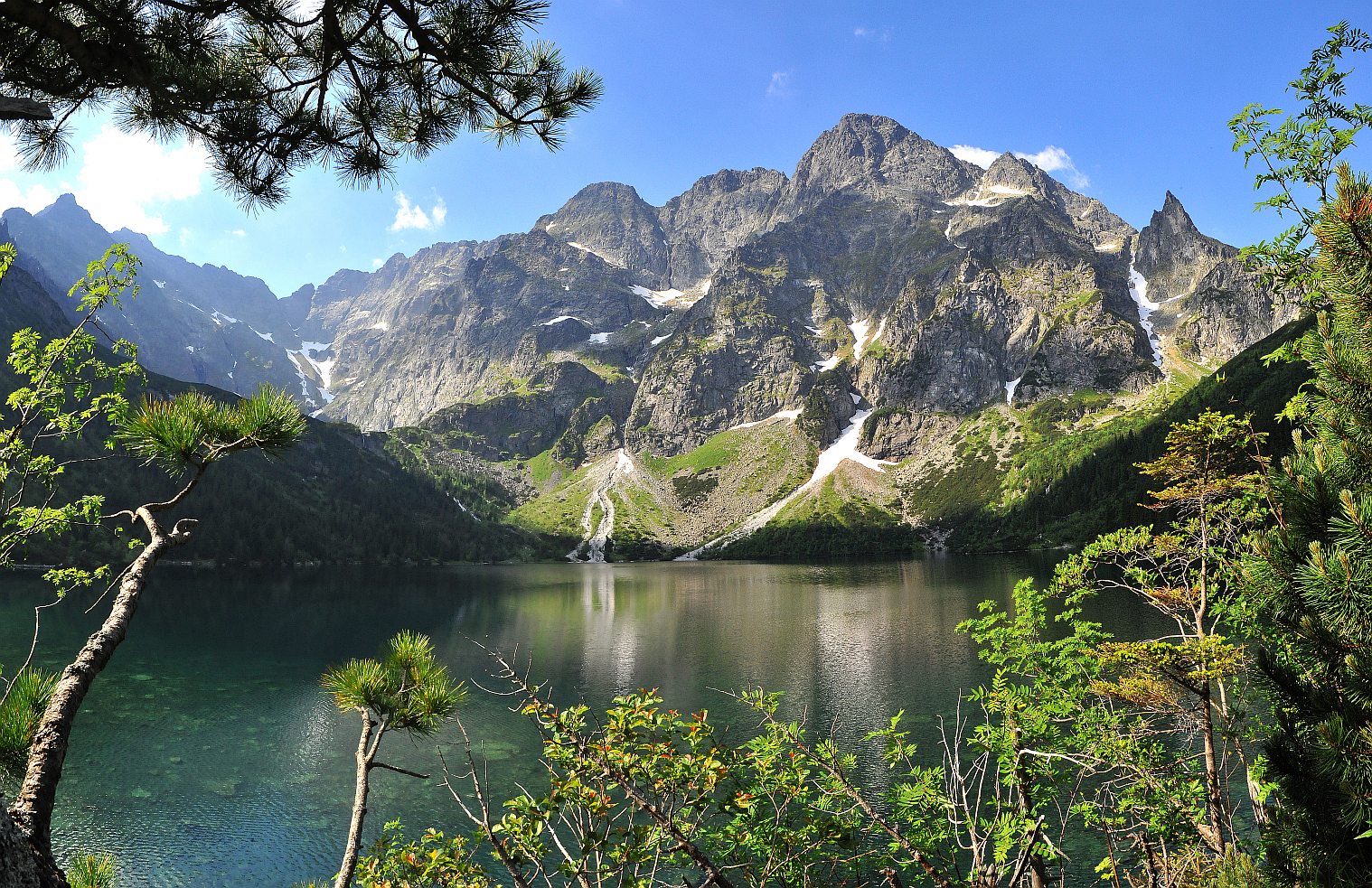
On the Polish side, Tatra National Park surrounds and protects the whole Tatra massif with its highest peak, Mount Rysy (2,499 meters above sea level), and is the only region of an Alpine character in Poland. The jagged granite ridges and forested slopes, post-glacial depressions, mountain lakes, numerous caves and scenic valleys with rushing mountain streams create one of the most beautiful landscapes in Poland. The park has been recorded on the UNESCO list of World Biosphere Reserves.
We can admire the beauty of the Tatra landscape by going on mountain trails or using the funicular to Gubalowka, the cable car to Kasprowy Wierch and the chairlift to Butorowy Wierch. Experienced tourists, who already know the Tatra trails by heart, can face Orla Perc – one of the most difficult marked routes in the entire Tatra Mountains.
Zakopane
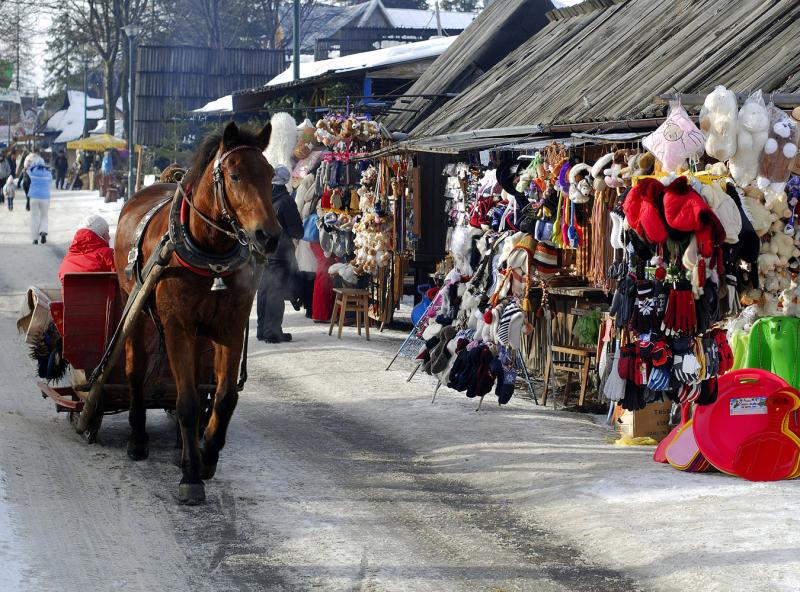
Zakopane, the crib of Polish mountain tourism, is situated in the beautiful valley at the foot of the Tatra Mountains. It proudly bears the name of the winter capital of Poland, but it is attractive also during the summer. The town is famous for its over 100 years of history. Breathtaking mountain views, unique folklore, delicious regional cuisine, hospitable people… all this and much more Zakopane has to offer. The town is also a good place to buy traditional Polish cheese, local craft, leather goods and sheep skin rugs. Most shops are located near the main street of the city - Krupowki, as well as near the main railway station.
Zakopane style
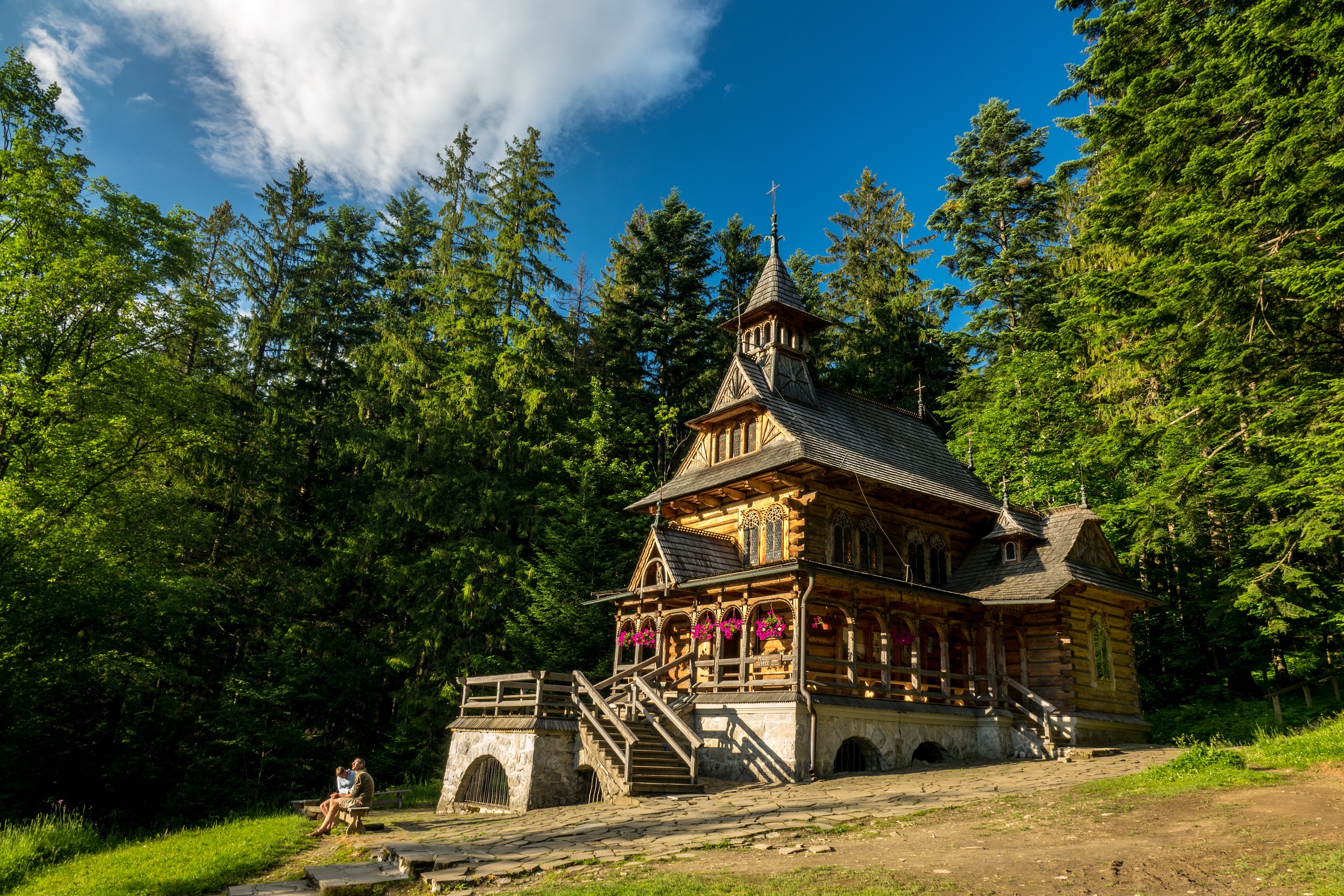
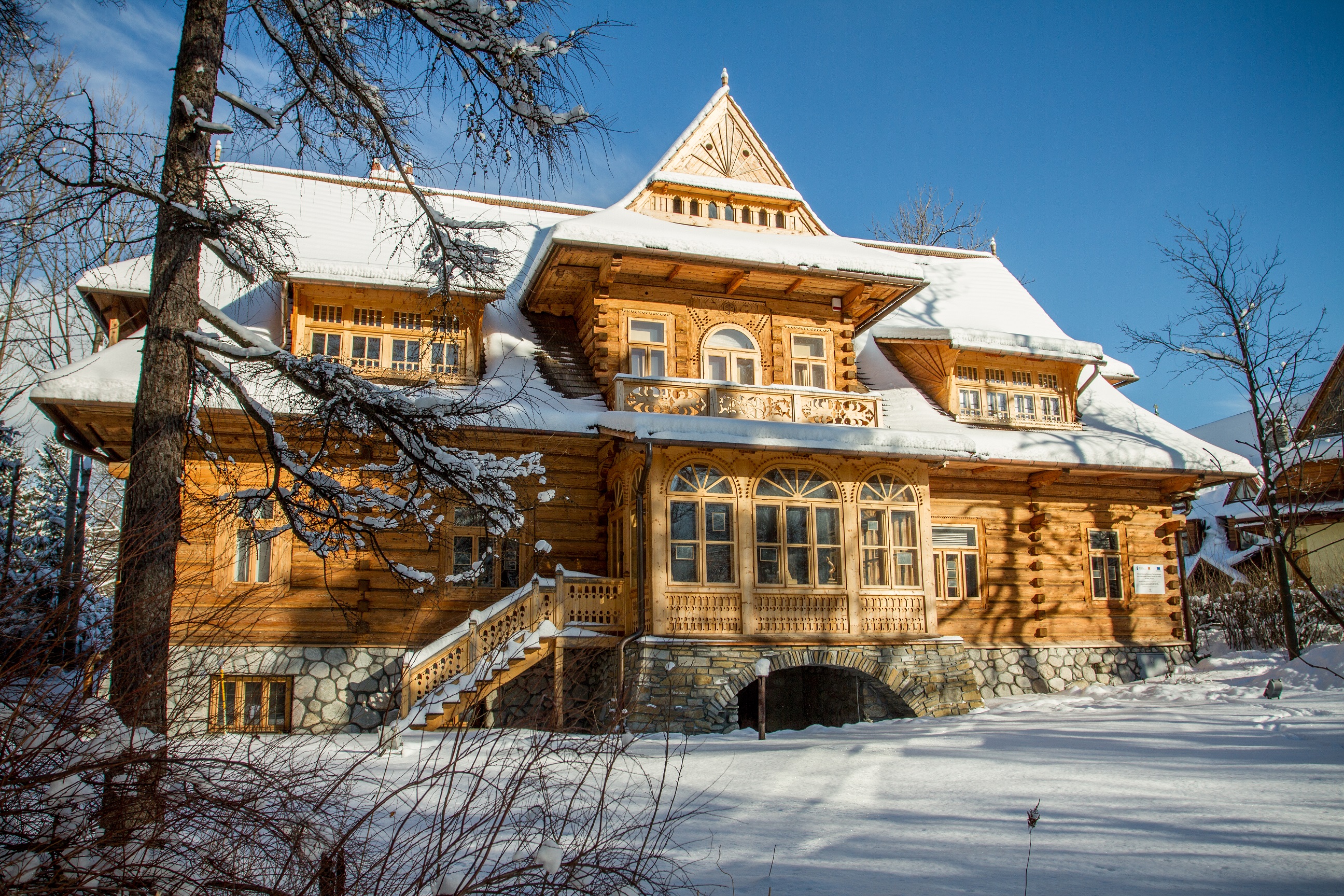
The symbol of Zakopane is definitely the Zakopane style, which perfectly harmonises with the landscape of the Tatras. This style was established at the end of the XIX century, and its main developer was Stanisław Witkiewicz, a father of the famous Witkacy. The oldest building constructed according to directives of Witkiewicz is Koliba villa made of wood in the years 1892–93 as a log construction; today it houses Stanisław Witkiewicz Museum of Zakopane Style. The significant beauty of construction can be seen in Pod Jedlami villa constructed with high, stone foundation, numerous eaves, and sculpture ornaments on facades. The classical example of the Zakopane style is a diminutive chapel in Jaszczurowka. Many buildings in that style can be found by Krupowki street.
Krupowki
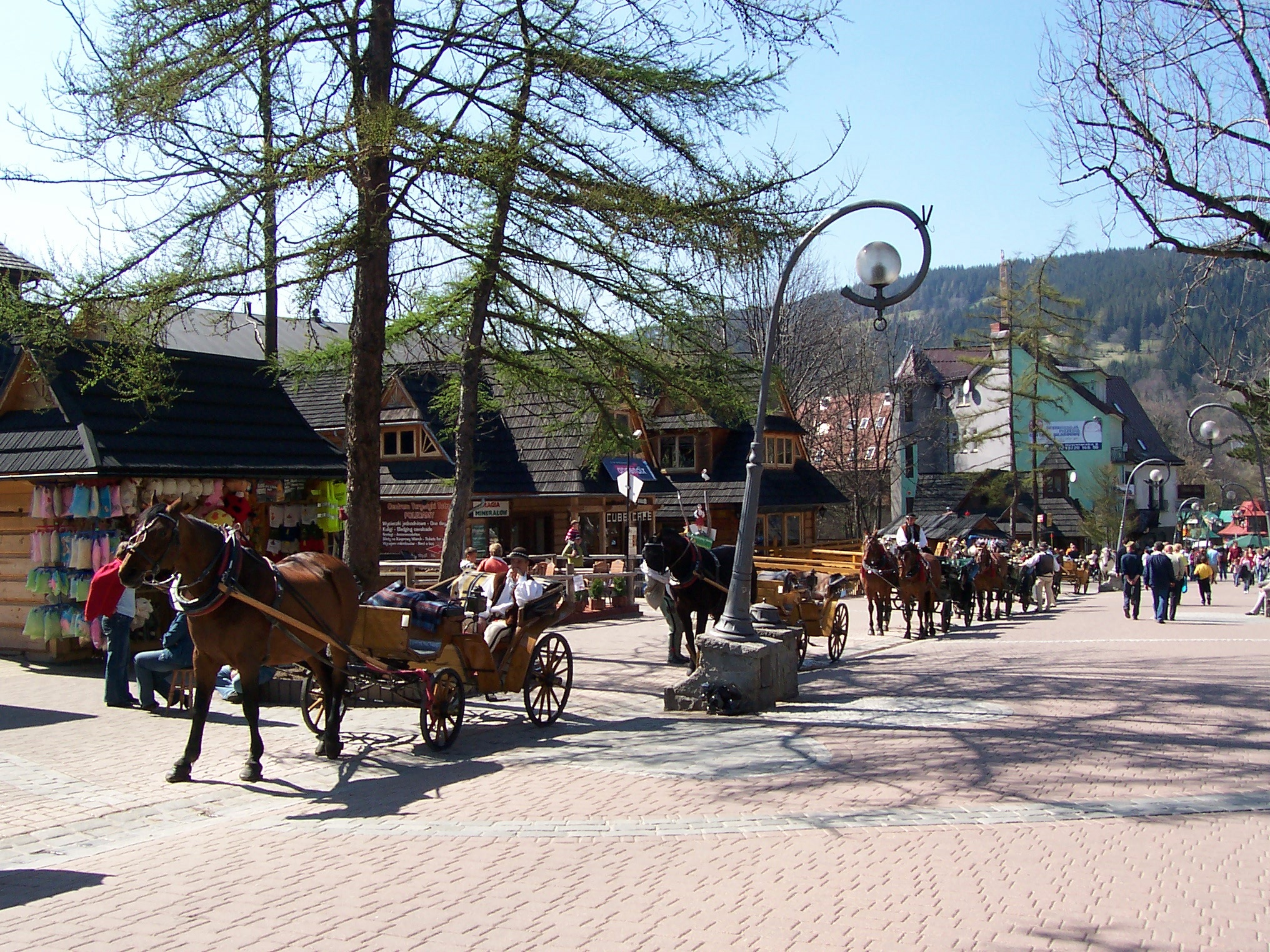
Krupowki is one of the most famous streets in Poland and Zakopane’s main shopping street. This promenade is the real heart of the city. There are many souvenirs shops here, restaurants, where you can taste local delicacies, stands with mountain cheese (including the most popular one – oscypek), as well as cafes, pubs and night clubs. It is a place where one of the best brick buildings constructed in the Zakopane style can be found, that is Tatra Museum. The wonderful collections are devoted to the nature of the Tatras, the history of tourism in the Tatras, and the folklore of highlanders from the Podhale.
Oscypek
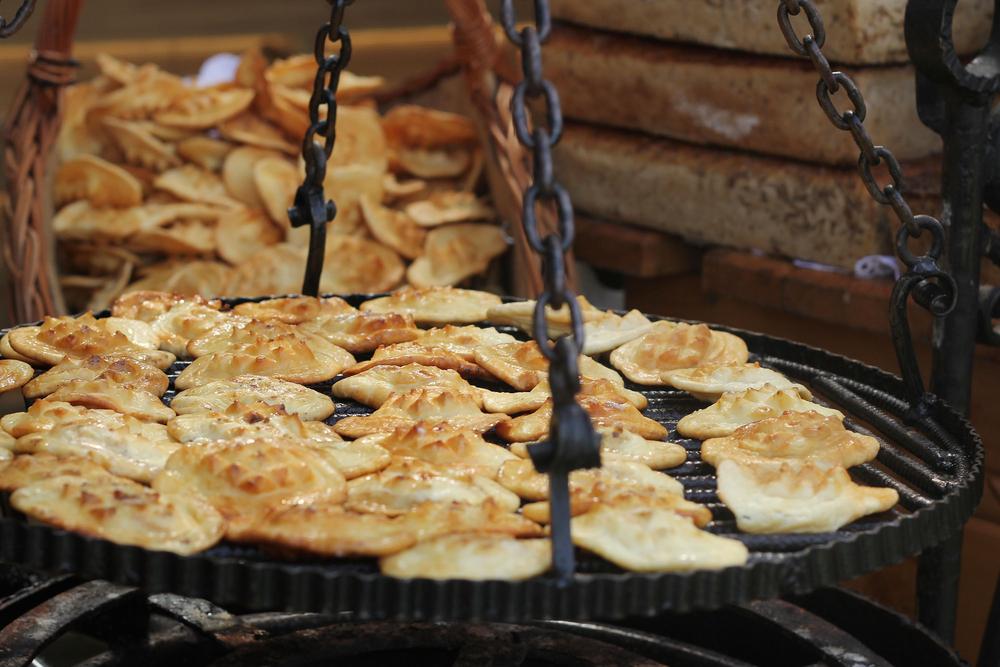
Oscypek - a hard smoked cheese made from sheep’s milk. This tasty mark of the Podhale region is a Polish regional product with tradition dating back to the 15th century, belonging to the European category of products labelled “Protected Designation of Origin” and protected by EU law.
Oscypek has an archaic shape of a spindle, a light golden, shiny skin and a distinctive, smoked, slightly salty taste. This truly top-range gourmet specialty acquires its noble taste and hue while lying in the smoke from hearth, on perches situated just below the roof of a shepherd’s hut. One is tempted to say: for connoisseurs only!
Mountain Folklore
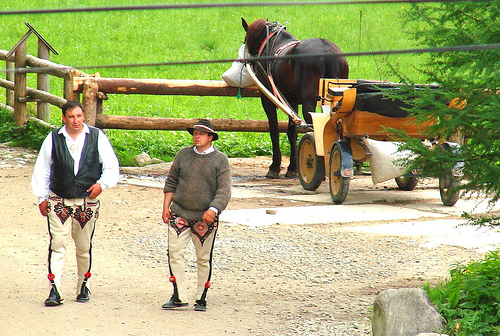
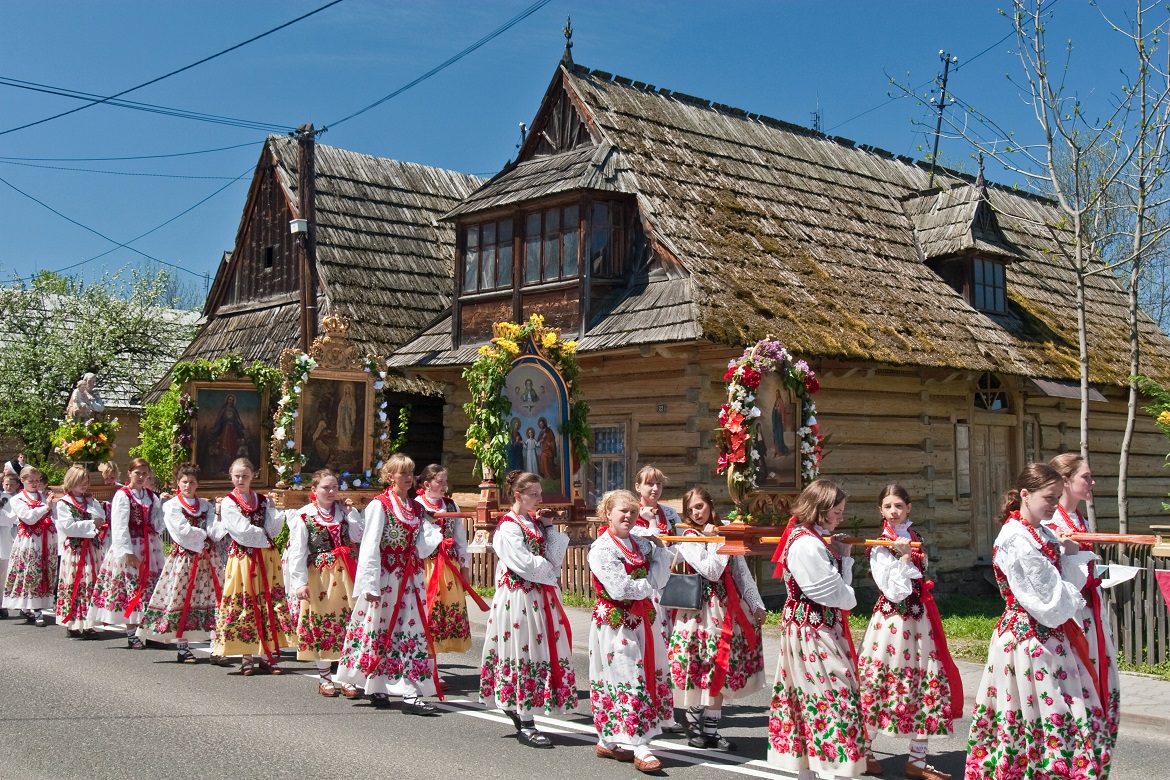
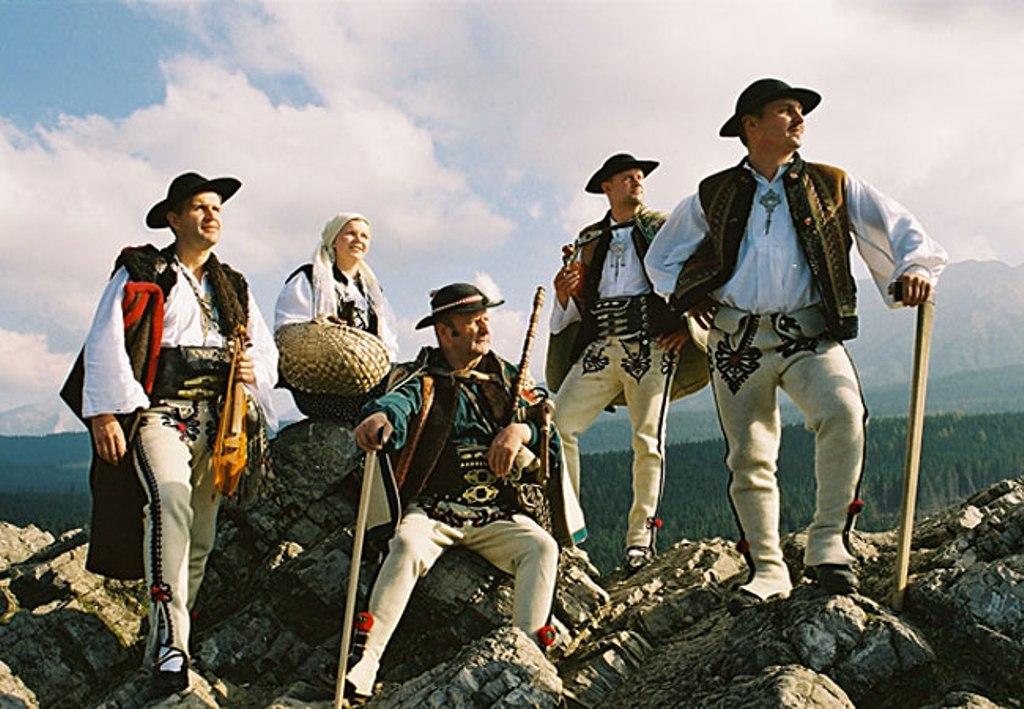
Zakopane’s locals, descended from old highland families, look after their traditions, deeply rooted in highland forming on the one side, in banditry on the other. The thick highland dialect can often be heard on the streets, and during church- and national holidays, highlanders wear their traditional festive garments.
Highland folk art is alive and well. One outstanding feature of this art in past times was the various forms of decoration, from everyday household objects such as water or milk jugs, spoons, up to furniture and wooden buildings. Today, the most characteristic legacy of highland folk art is painting on glass.
Highland music is without equal. The characteristic vocals, found only here, and the elemental “zbojnicki” (bandit) dance, for example, has always caught visitors’ imagination. In Zakopane, as well as the nearby villages, folk groups are filled with the next generations of highland families. Today, young “gorale” more readily wear the traditional costume, take part in folk competitions, and proudly proclaim their heritage and their association to the traditions of their forebears.
The biggest celebration of highland culture is the International Festival of Highland Folklore, since 1968 held annually at the end of August in Zakopane. At this time highland folk from all around the world gather to compete for the gold, silver and bronze “ciupagi”, or alpenstocks.
Chocholow
This place enjoys the constant popularity of tourists, regardless of the season. The unique landscape values of the Chocholowska Valley, its fauna and flora, as well as architecture, makes the village a fantastic place to visit.
The central part of Chocholow called the “pearl of Podhale” is a living museum. It consists of over a hundred historical, often over 100-year-old cottages arranged in a characteristic arrangement of one-way rural buildings called “street houses,” in which narrower side facing the road and the front-facing the south.
Particularly noteworthy here is “Cottage from one fir”– a house with a front wall built over a hundred years ago from one huge fir trunk cut down in the vicinity of Chocholow.
The houses have a characteristic bright color as a result of being washed and scrubbed with soap and water every year before Easter. It is the best-preserved Podhale building complex; the wooden houses in Chocholow are archaic and sparingly decorated.
Wooden churches and chapels
Wooden architecture, both sacred and secular, is the region's true showcase, even though there are also some stone and brick pearls. The native inhabitants of the region are famous for their religiosity, which is reflected in the real treasures of construction in the form of churches and wooden chapels.
Let's start the trail of Podhale churches from Nowy Targ, because it is here that we can see the church of St Catherine, which dates back to 1346 and the wooden church of St Anna from the 15th century. Nowy Targ is an excellent base for further trips to treasures of the local architecture, e.g. the Shrine of Our Lady of Ludzmierz located 10 km to the west in Ludzmierz, where you can admire the beautiful rosary garden with the monument of Pope John Paul II. From Nowy Targ we can also head at Czorsztyn and it will be a great choice for many reasons! On the one hand, we can thus appreciate the natural values of the Pieniny Klippen Belt and of Gorce, on the other – see the treasures of Podhale religious architecture. This means primarily the wooden, Gothic church of St Michael the Archangel in Debno Podhalanskie, which was inscribed on the UNESCO World Heritage List. It is also listed on the Wooden Architecture Route along with other valuable wooden buildings in the neighbourhood: the church in Harklowa, as well as the church of the Holy Trinity and St Antony the Abbot in Lopuszna.