Tanzania · Trekking

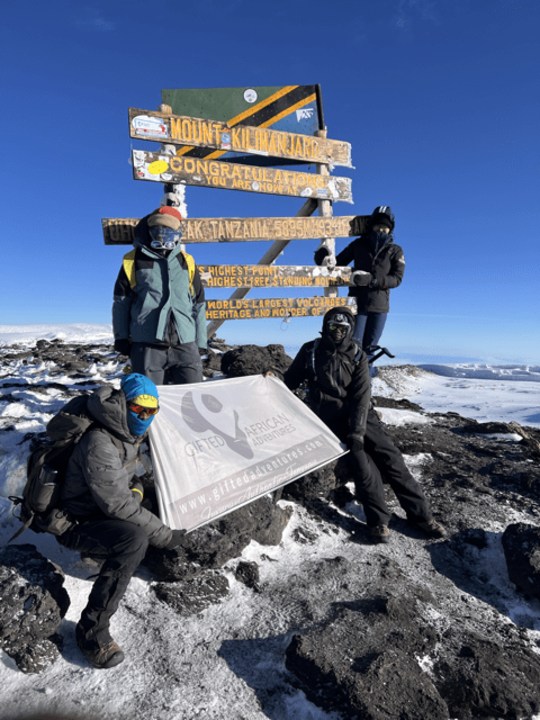
7-Day Mount Kilimanjaro Trek via Machame Route with Shira Plateau

7 Days Round trip from Mt Kilimanjaro Moderate pace

The journey

Trip highlights
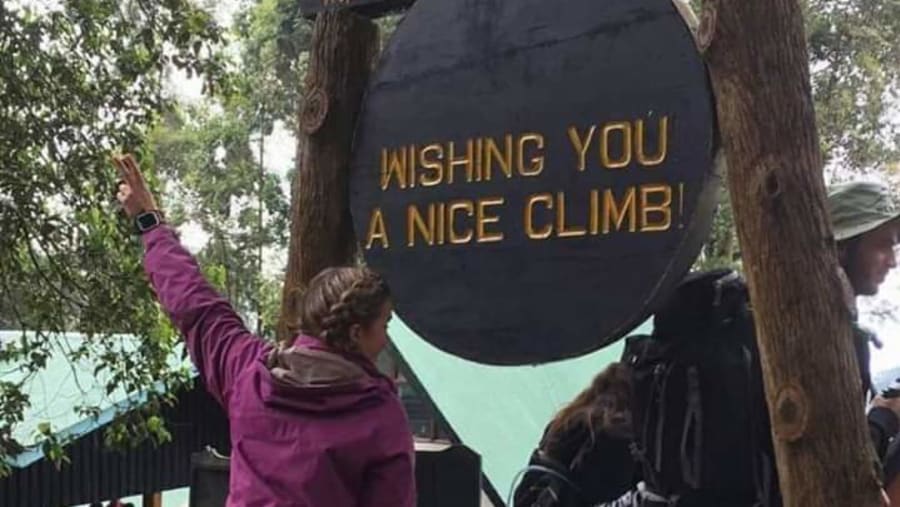
  • 01 Trek through the vibrant rainforest from Machame Gate to Machame Camp
  • 02 Take in panoramic views of the stunning Shira Plateau and Lava Tower
  • 03 Climb the famous Barranco Wall as part of Kilimanjaro's South Circuit
  • 04 See Mawenzi and Kibo from Barafu Camp before your summit push
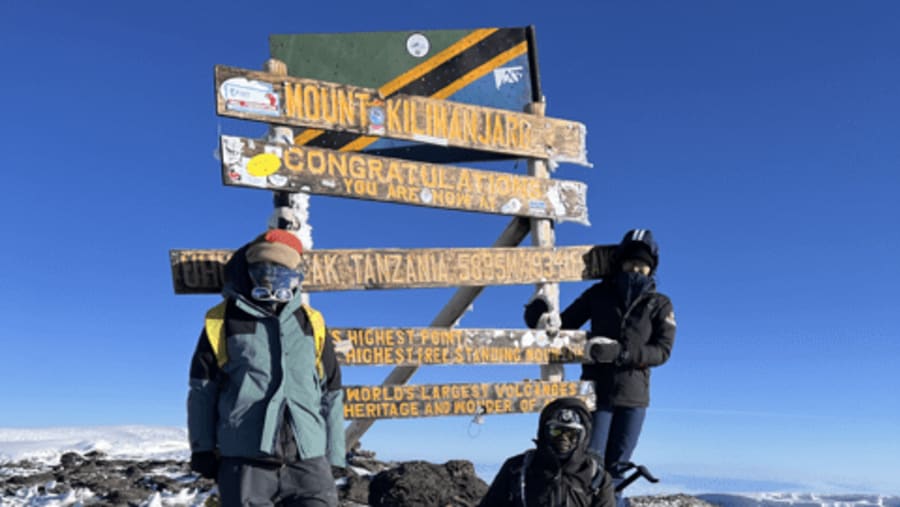
  • 05 Descend to Mweka Park Gate to receive your summit certificate

Spend 7 days trekking Mount Kilimanjaro via the Machame Route, beginning with an overnight stay in Arusha before entering Kilimanjaro National Park at Machame Gate. Hike through lush rainforest to Machame Camp, then climb to the stunning Shira Plateau, with time to explore the Shira Caves or take an acclimatization hike toward Lava Tower. Continue along the mountain's South Circuit through Barranco, Karanga, and Barafu, with views of Mawenzi, Kibo, and the surrounding glaciers. Finish with a rewarding descent to Mweka Park Gate, where you receive your summit certificate.

The first part of the hike is a slow, gradual walk that becomes fairly steep as you climb out of the jungle and see the stunning Shira Plateau for the first time.

From the itinerary

At a glance

What this trip includes

Duration 7 Days
Tour type Private
Activity level Moderate
Accommodation Included · Budget
Transport Included
Wheelchair access No
Cities Arusha, Mount Kilimanjaro, Machame
Languages English

Day by day

The itinerary

1
Day 01

Arrival in Arusha and Hotel Transfer

  • After your long flight, you'll be pleased to spend your first night comfortably at your hotel, the Planet Lodge in Arusha.
  • You will be picked up by a Gifted Adventures driver, who will meet and welcome you, then take you to your hotel in Arusha to relax after your flight. Your adventure has begun!

Accommodation: Planet Lodge Hotel
Meals: Dinner
Drinking Mineral Water only
2
Day 02

Machame Gate to Machame Camp

  • A guide crew will arrive at the hotel in the morning to meet you and hold another briefing. Then, you will travel to the entrance of Kilimanjaro National Park, known as Machame Gate.
  • The group will stop for a light snack and then hike toward Machame Camp. Raincoats are especially necessary on this day, as you will be walking through the rainforest.

Elevation: 5,400 ft to 9,350 ft
Distance: 11 km
Hiking Time: 5-7 hours
Habitat: Rain Forest

3
Day 03

Machame Camp to Shira Plateau

  • Wake up early for breakfast before starting today's trek. The first part of the hike is a slow, gradual walk that becomes fairly steep as you climb out of the jungle and see the stunning Shira Plateau for the first time.
  • After reaching camp and enjoying lunch, you can explore the Shira Caves or continue on an acclimatization hike toward the Lava Tower.
  • We will return to camp to enjoy dinner and rest.

Elevation: 9,350 ft to 12,500 ft
Distance: 5 km
Hiking Time: 4-6 hours
Habitat: Moorland

4
Day 04

Shira Plateau via Lava Tower to Barranco

  • From the Shira Plateau, we continue east up a ridge, passing the junction toward the peak of Kibo. Shortly after the tower, we come to the second junction, which brings us up to the Arrow Glacier at altitude.
  • We then continue down to Barranco Hut at altitude. Although you end the day at nearly the same elevation as when you started, this day is very important for acclimatization and will help your body prepare for summit day.

Elevation: 12,500 ft to 13,044 ft
Distance: 10 km
Hiking Time: 6-8 hours
Habitat: Semi Desert

5
Day 05

Barranco to Barafu via Karanga

  • After breakfast, we leave Barranco and continue on a steep ridge, passing the Barranco Wall to the Karanga Valley campsite. Then, we leave Karanga and reach the junction that connects to the Mweka Trail.
  • We continue up to Barafu Hut. At this point, you have completed the South Circuit, which offers views of the summit from many angles.
  • Here, we make camp, rest, enjoy dinner, and prepare for summit day. From this position, you can see the two peaks of Mawenzi and Kibo.

Elevation: 13,000 ft to 15,000 ft
Distance: 9 km
Hiking Time: 8-10 hours
Habitat: Alpine Desert

6
Day 06

Karanga to Barafu Camp

  • Another short day - in terms of distance - begins with breakfast at camp at 7:30 am and an 8:30 am departure. We aim to arrive at Barafu Camp, 4556 meters, by 1 pm, where you are rewarded with a cooked lunch. Dinner tonight is served at 5:30 pm, giving you time to go to bed early.
  • After leaving Karanga, today's stage climbs steadily through a barren, rocky landscape, with the Decken and Kersten glaciers visible off to your left.
  • At the end of this valley is today's goal, Barafu Camp at 4556 meters, which you reach after a short, steep scramble and a walk.

Elevation: 15,300 ft to 19,345 ft
Distance: 5 km/12 km
Hiking Time: 7-8 hours / 4-6 hours
Habitat: Arctic

7
Day 07

Descent to Mweka Park Gate

  • After breakfast, we will descend to Mweka Park Gate to receive your summit certificates. At lower elevations, it can be wet and muddy, so gaiters and trekking poles will help.

Elevation: 15,331 ft to 19,341 ft to 10,065 ft
Distance: 10 km
Hiking Time: 3-4 hours
Habitat: Rain Forest

Rainforest at Machame Gate, the Shira Plateau and Shira Caves, Barranco Wall and Karanga Valley

Where this trip takes you

Rainforest at Machame Gate, the Shira Plateau and Shira Caves, Barranco Wall and Karanga Valley

The route

Where you'll travel

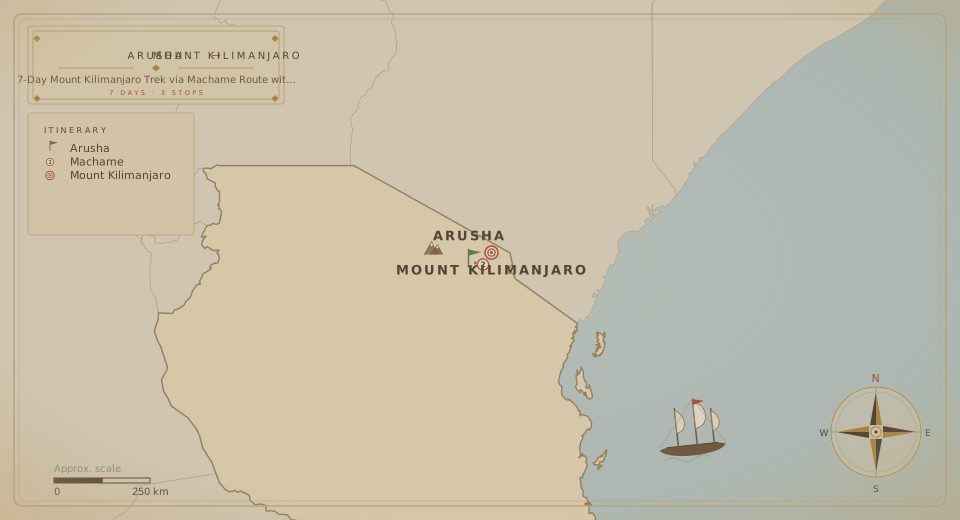
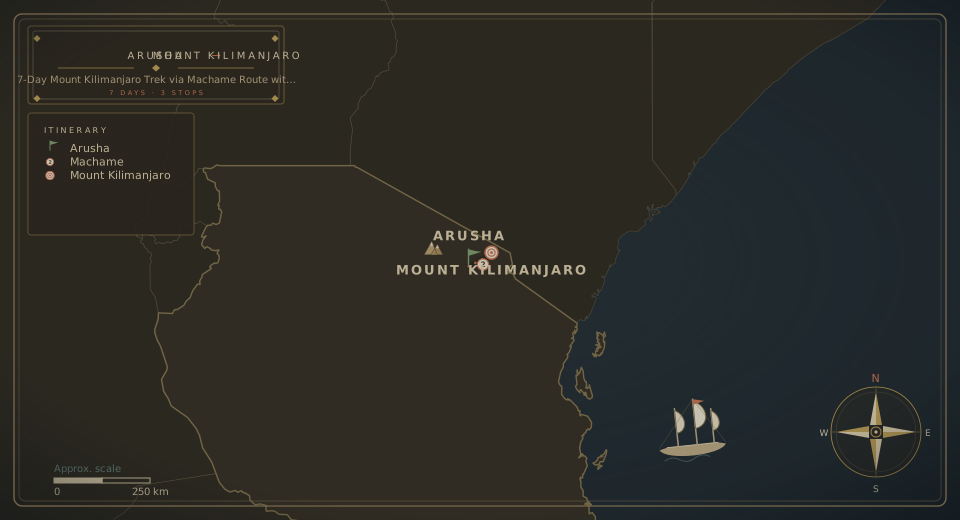
Tour route map
Round trip from Mt Kilimanjaro 3 cities · 7 Days

The fine print

Trip details

What's Included

  • Transport to and from Arusha to the trailhead
  • Kilimanjaro National Park permits, camping/hut fees, rescue fees, and Value Added Tax (VAT)
  • Expert guide, assistant guides, cook, and porters
  • Bottled oxygen for emergency rescue only
  • Private toilet
  • Four-season, 3-person mountain tents, double occupancy
  • Sleeping pad, foam, 1.5 inches thick
  • Fresh, nutritious meals on the mountain
  • Breakfast at the hotel
  • All meals
  • Services for the crew team and salaries
  • Highest-quality tent: Eureka or Mountain Hardwear

What's Not Included

  • Champagne, cognacs, fine wines, and premium brand spirits
  • Items of a personal nature such as passport, visa, and travellers' items
  • Tips for the crew
  • Medical equipment such as a hyperbaric chamber
  • Portable toilets are available for rent at USD 110 per trip
  • Overweight or extra luggage will require an extra porter at a rate of USD 11 per bag per day
  • Massage can be arranged for USD 40 per person
  • Anything not mentioned in the itinerary above

What to bring

  • Sunglasses - your sunglasses should have 100% UV protection and reduce glare and visible light. The frames should be lightweight and have a wrap-around design for enhanced grip and staying power. Additionally, side shields are recommended to block peripheral light.
  • Water/windproof jacket - your water/windproof jacket is your outer water-repellent layer. Gore-Tex, seam-sealed, is recommended, as is a hood for added warmth.
  • Water/windproof pants - your water/windproof pants will be worn on summit days and rainy afternoons. They are essential for warmth, should be Gore-Tex lined, and have lower leg zips.
  • Water/windproof mittens or gloves - these are used in extreme temperatures and are primarily worn on summit days. Be sure your gloves or mittens have wrist cords and reinforced palms to maintain grip during wet conditions. A removable liner is essential for drying, washing, and replacing.
  • Look for items that will add less volume to your overall pack. We will be using porters to carry our equipment; however, they are limited in the amount each can carry. Heavy synthetic materials will be very limiting and could cause issues when packing for the hike.
  • Two pairs of synthetic warm-weather trekking socks - these socks are for trekking in the warmest part of the day since they are made of a Coolmax® fabric. What is Coolmax®? Coolmax® wicks moisture, dries quickly, and breathes well, keeping your feet dry and preventing blisters.
  • Four pairs of heavier synthetic or wool blend socks - your wool socks are ideal for around camp when the temperature drops and on cold mornings. Merino wool is very comfortable and dries quickly, with fewer odours than synthetic blends.
  • Two pairs of long underwear tops - this will be your base layer for colder mornings, evenings, and days when the temperature drops considerably. The material is lightweight, tight-fitting, moisture-wicking, and comfortable.
  • Two pairs of long underwear bottoms - this will be your bottom base layer for colder mornings, evenings, and days when the temperature drops considerably. The material is lightweight, tight-fitting, moisture-wicking, and comfortable.
  • Warm pants - these pants are ideal for evenings around camp and cold days on the trail. Typically made of lightweight fleece and Wind Pro material, they should offer added warmth in case of cold nights or high winds on the summit.
  • Fleece top - this Polartec® 200-weight top will provide added warmth in the evenings and on cold morning starts. Please look for fleece material and stay away from cotton sweatshirts. Ideally, this item is worn over the thermal base layer and underneath your water/windproof jacket.
  • 2 pairs of shorts/pants for hiking - we will hike in these convertible shorts/pants every day. They should be made of lightweight, quick-drying nylon. Some come with UPF and mosquito protection.
  • 2 pairs of long- or short-sleeve shirts for the trail - in warmer climates, we should wear our trekking shirt early in the climb. It is moisture-wicking, lightweight, and designed for multi-day hikes.
  • Mid-layer top - this shirt is a long-sleeve version of the one provided above. The long-sleeve trail shirt offers added warmth, more protection from the sun, and an additional layer for evenings and early morning starts.
  • Warm hat - this fleece or wool hat is ideal for evenings and will be valuable in cold weather and temperatures on the summit. The hat should be tight-fitting with minimal loose ends.
  • Lightweight gloves - fleece gloves are essential. Look for gloves that are Polartec® 200 weight with a leather-reinforced palm. For more protection, windproofing is available and will add an extra layer of warmth.
  • Balaclava - the balaclava provides added warmth on summit days and colder evenings. It should be made of synthetic or wool, lightweight, and close-fitting.
  • Sun hat - your sun hat should be worn at the lower camps and should provide ample coverage for the face. A full-brimmed hat is good for added shade and increased sun protection. Additionally, a neck scarf should also be considered to protect the back of the neck.
  • Waterproof, breathable gaiters - your gaiters should be lightweight and durable. Look for Gore-Tex lined gaiters that can fit over your boots. Velcro or adjustable sides for easy access are recommended.
  • Down jacket - an 800-fill down jacket will add much-needed warmth for cold evenings and layers for summit day. Down is recommended for its compressibility and comfort around camp in the early nights on the climb. The guides wear brands such as Patagonia, Mountain Hardware, Marmot, and North Face.
  • Less is more!!! It is important to bring the essential gear discussed above, but it is more important to refrain from bringing items that are not recommended. Items to avoid are cotton socks, jeans, multiple pairs of shoes, and heavy sweatshirts. Look for items made of moisture-wicking and quick-drying fabrics rather than cotton fabrics.
  • Head lamp - Petzl® and Black Diamond® make several small and efficient headlamp models. Look for LED bulbs with multiple lighting levels and AAA batteries.
  • Please bring at least three spare batteries to ensure ample lighting on your summit attempt.
  • Shoes (Teva Camp, Crocs, Sandals) - these are great for around camp after a long day on the trail. These can also be used for creek crossings that may be higher than the boot. Flip-flops work well in warmer climates but are less effective during cold nights.
  • Sunscreen with 30 SPF or higher is recommended, as well as waterproof and sweatproof. Eight ounces will be plenty, and we typically carry one with 45+ SPF for our faces and a 30 SPF for other exposed areas. Banana Boat, REI, Kinesis, and All Terrain are good options.
  • Two wide-mount water bottles - a 1-litre water bottle is essential for hydrating at lunch, around camp, and refilling throughout the day. Stay away from glass and heavy metals and look for lexan® for durability.
  • Pillow - a Thermarest® pillow that compresses down or folds into itself is ideal. A good benchmark for size and weight is 18 x 14 inches and 9 ounces total.
  • Dry bag - a 20-litre dry bag is excellent for ensuring your items are safe in case of rain. It can hold cameras, wallets, money, and other valuables.
  • Trekking poles - collapsible poles are great for steep downhill terrain and assistance uphill. If you have knee problems, they reduce the impact on your joints by 20-30%. A soft foam grip will help prevent blisters, and poles with an aluminium shaft are durable and lightweight.
  • Camp towel - the camp towel should be made of a polyester-nylon blend that dries quickly and compacts tightly in your pack. The large size (50 x 27 inches) is a good size and can be used to wash up at the end of the day. Stay away from house or beach towels.
  • Sleeping bag - a sleeping bag is an insulated covering for a person. It is essentially a lightweight quilt that can be closed with a zipper to form a tube. The bag functions as lightweight, portable bedding in situations where a person is sleeping outdoors, especially when climbing Kilimanjaro.

Know before you go

  • On arrival at Kilimanjaro Airport (JRO), you will be met on time and transferred to the hotel in Arusha. After check-in, you will meet the climbing guide for a briefing and gear-checking list, ready for the next day's climb.
  • Solid hiking boots - boots should have high ankle support with a solid Vibram®, or equivalent, sole. Gore-Tex®, or other waterproofing, is recommended for wet days and added insulation. Be sure to break your boots in at least 4 weeks prior to departure. Additionally, bring a spare set of laces.

Logistics

Meeting & route

Meeting point
Arusha, Tanzania
Tour start
Mt Kilimanjaro, Tanzania
Tour ends at the same location as the start point.
End of the journey

Your 7 days finish where they began, in Mt Kilimanjaro.

Watch the tourHQ film Watch the film

Create your own adventure

Can't find the perfect tour? Tailor your dream trip.

  • Tell us your destination, dates and group size.
  • Our travel experts and local guides design a tailored itinerary, just for you.
  • Enjoy your trip with peace of mind, knowing everything is taken care of.
Plan my holiday

Say goodbye to travel stress.

Starting from

USD 2,059 /person
Book This Tour

When

Travellers

Total