Iceland · Geological Wonders

1-Day Reykjanes Peninsula Tour with Geothermal Sites and Coastal Views

1 Day Round trip from 417 Easy pace

The journey

Trip highlights
  • 01 Learn about the geology, flora, fauna, and anything else you want to know about Iceland
  • 02 Walk around Bessastaðir, the president's residence, and enjoy views of Reykjavik
  • 03 Relish lobster soup at Bryggjan in Grindavík after an optional short hike to the newest lava field
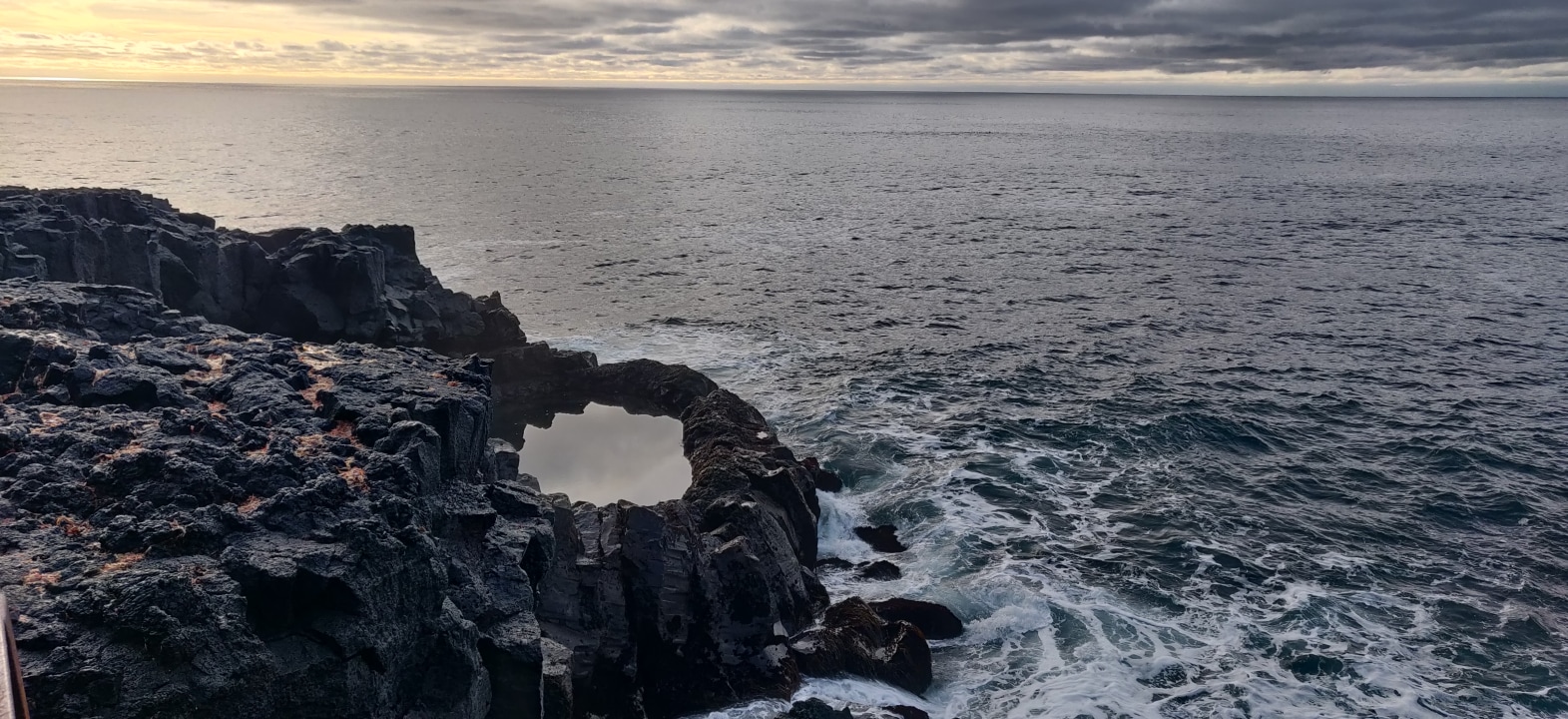
  • 04 Watch waves crash onto the black lava at Brimketill
  • 05 Cross the bridge between Europe and North America

This tour offers a rich blend of history and nature on the Reykjanes Peninsula, with visits to Bessastaðir, Lake Kleifarvatn, Seltún, Grænavatn, Grindavík, Brimketill, Gunnuhver, and the bridge between Europe and North America. Enjoy geothermal landscapes, black lava coastlines, and Icelandic cuisine along the way. Pick-up and drop-off are available from the airport, Reykjavik, Selfoss, or anywhere in between. Blue Lagoon and Raufarhólshellir lava tube cave can be added upon request, and the itinerary order may vary depending on the pick-up location.

Brimketill is a place by the ocean where we often see the waves splashing on the black lava field.

From the itinerary

At a glance

What this trip includes

Duration 1 Day
Tour type Private
Activity level Easy
Accommodation Not included
Transport Included
Wheelchair access No
Cities Reykjavik, Selfoss, Keflavik, Reykjanes, Hafnarfjörður, Grindavík
Languages Danish, English, Icelandic

Day by day

The itinerary

1
Day 01

Reykjanes Peninsula Geology, Coast, and Geothermal Wonders

  • At Bessastaðir, the president's residence, we walk around outside, see the reception house and the church, and enjoy the view of Reykjavik. You can have your picture taken outside the reception house.
  • From here, we drive to a fish-drying place to learn about it before stopping by Lake Kleifarvatn to enjoy the view over the area.
  • Seltún is a geothermal area where you walk between mud pools and hot springs and enjoy the colourful nature.
  • We see and learn about how Lake Grænavatn was formed.
  • There is an option for a short hike to the edge of the most recent lava field.
  • In Grindavík, we have lobster soup for lunch at Bryggjan. There are also other options, such as vegetable soup and lamb soup.
  • Brimketill is a place by the ocean where we often see the waves splashing on the black lava field.
  • Gunnuhver hot spring, named after the ghost Gunna, hisses and splashes over the old viewing platform.
  • We offer you the chance to walk over the bridge between continents, from Europe to North America, and enjoy the black sand in between.
Seltún geothermal pools, Lake Kleifarvatn, Brimketill black lava coast, bridge between Europe and North America

Where this trip takes you

Seltún geothermal pools, Lake Kleifarvatn, Brimketill black lava coast, bridge between Europe and North America

The route

Where you'll travel

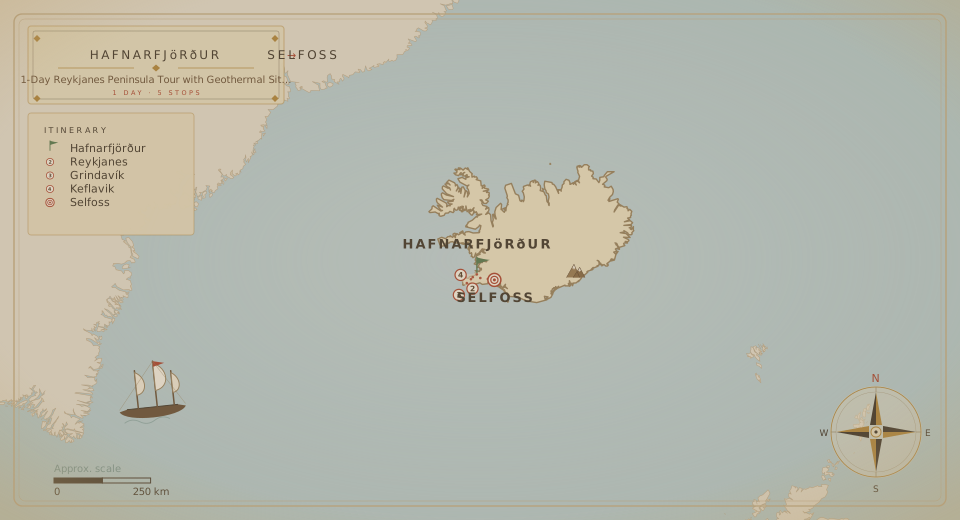
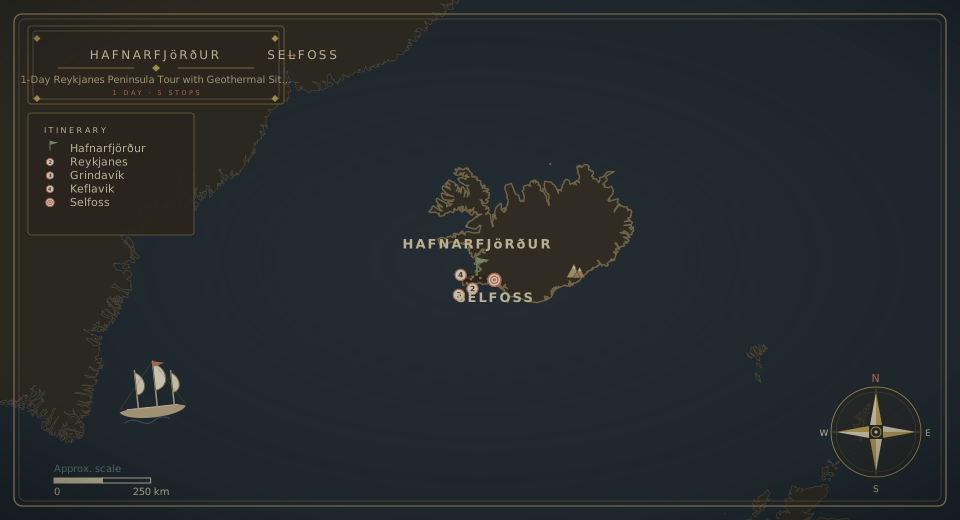
Tour route map
Round trip from 417 6 cities · 1 Day

The fine print

Trip details

What's Included

  • Driving, parking, and all entrance fees

What's Not Included

  • Lunch
  • Optional: Blue Lagoon
  • Optional: Raufarhólshellir cave

What to bring

  • Breathable inner layers made of polyester or wool
  • A fleece or wool sweater
  • A wind-stopping outer layer
  • A waterproof layer or waterproof jacket
  • Hard-soled shoes with ankle support
  • Good wool socks or layers of socks

Know before you go

All seasons, all weather, and all fun if you dress well!

How hard can it be to decide what to wear when visiting a country called ICELAND? Well! We have had some complaints (at least one) about not telling our guests to be aware of the cold, wind, rain, heat (not so much), and the burning sun. Below, we were going to divide the year into four seasons but didn't. This may surprise you, but the seasons can sometimes become very similar, and from time to time very hard to tell apart. You will need an expert to tell you what season it is, as some days, and even some hours, can seem to have all of them. There is also a significant difference, or at least there can be, between the weather in the north and south of Iceland. The weather in the northern part is more similar, usually, to a continental climate where it is warmer in the summers and colder in the winters, while in the south, the climate is more like an island climate with sometimes the same temperatures all year round. Iceland is an island, and some people even believe that the word island comes from the name of this particular island, which is in Icelandic written 'Ísland'. The summer typically starts, when that happens, sometime in June. It doesn't come suddenly; you must look at the calendar and guess if it has arrived. All the snow will probably have disappeared from the lowlands, and you don't have to scrape your windshields in the mornings. If you are going on a day tour, you can't be sure what the weather will be like here and now after an hour of driving. So, what do you do?

Well, the answer is layers. Many layers. Closest to the body, you need a layer that breathes. Cotton is a no-no. You don't wear cotton in Iceland when there is the slightest possibility of rain, unless you are Icelandic and downtown. Cotton gets wet from rain or even just your sweat. When this happens, and you stop walking, the wind will make you very cold, and there is always wind. I know I am not supposed to scare you off, but people have died because of this. Cotton takes a long time to dry and is therefore unsuitable clothing except for downtown use. For the innermost layer, use polyester or wool, and it has to breathe. This could be a T-shirt in summer or long sleeves in winter. Layer two would be a fleece or wool sweater to keep you warm. Depending on how thick this sweater is, you might want to add another layer of a similar kind. The third, or fourth, layer would preferably be a wind stopper; depending on whether it is waterproof or not, you add a waterproof layer. This would be a thicker jacket in winter, preferably waterproof if the snow turns into sleet or icy rain. Using layers makes it easier to adjust to the ever-changing conditions you are experiencing. When you get the hang of it, you will take off and put on layers all day.

Different rules:

  • Do not imitate how people dress when you see them outside wearing shorts and T-shirts. These are typically Icelanders who have seen sunshine at some part of the day. The temperature could easily be around the freezing point or about 20°F, and they don't notice.

  • Jeans are cotton and therefore no good except for downtown use.

  • Shoes! Wear preferably hard-soled shoes with support for your ankle. Spray them with silicon to make them water-resistant to rain and snow. Of course, you should also use good wool socks or layers of socks.

  • Yaktrax/crampons are essential in the wintertime to stay safe. On our tours, we provide them when needed.

Logistics

Meeting & route

Meeting point
Anywhere between Keflavik and Selfoss
Tour start
417, Hafnarfjörður, Iceland
Tour ends at the same location as the start point.
End of the journey

Your 1 day finishes where it began, in 417.

Watch the tourHQ film Watch the film

Create your own adventure

Can't find the perfect tour? Tailor your dream trip.

  • Tell us your destination, dates and group size.
  • Our travel experts and local guides design a tailored itinerary, just for you.
  • Enjoy your trip with peace of mind, knowing everything is taken care of.
Plan my holiday

Say goodbye to travel stress.

Starting from

ISK 193,000 /group
Book This Tour

When

Travellers

Total