Day 01
Pula's Ancient Landmarks and Hidden Gems
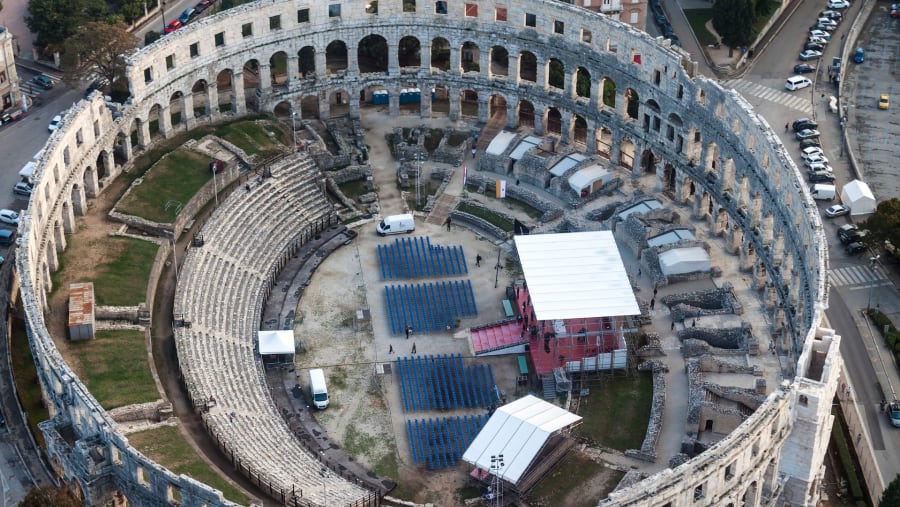
- Start your tour at the Amphitheater, one of Pula's most famous landmarks. Take a guided tour of the arena and learn about its history as a Roman amphitheatre.
- From the Amphitheater, head over to the St. Theodore Quarter. This charming neighborhood is known for its narrow streets, colourful houses, and stunning views of the sea.
- Next, make your way to the Cathedral. This impressive church dates back to the 5th century and features beautiful frescoes and intricate stone carvings.
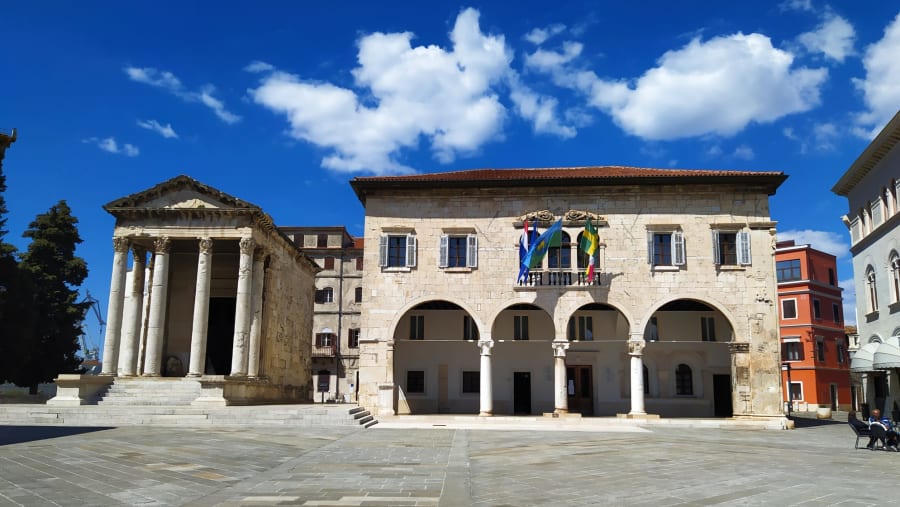
- After visiting the Cathedral, head to the Foro Romano (Roman Square), which was once the centre of Pula's ancient Roman city. Take a stroll around the square and marvel at the well-preserved ruins.
- From the Foro Romano, walk over to the Augustus Temple. This temple was built in the 1st century and is dedicated to the first Roman emperor, Augustus.
- Continue your tour at the City Hall, a beautiful Renaissance building that dates back to the 13th century.
- Next, visit the Punishment of Dirka, a stunning Roman mosaic that depicts the punishment of a mythical queen who was transformed into a beast.
- From there, head to the Basilica of St. Mary Formosa. This early Christian basilica features beautiful mosaics and intricate stone carvings.
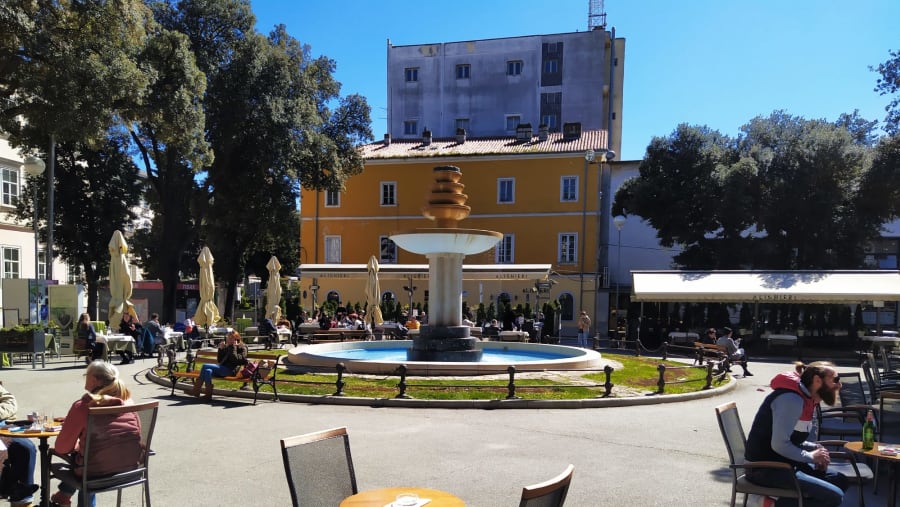
- Next, make your way to Dante's Square, which is named after the famous Italian poet Dante Alighieri. This picturesque square is home to several cafes and restaurants.
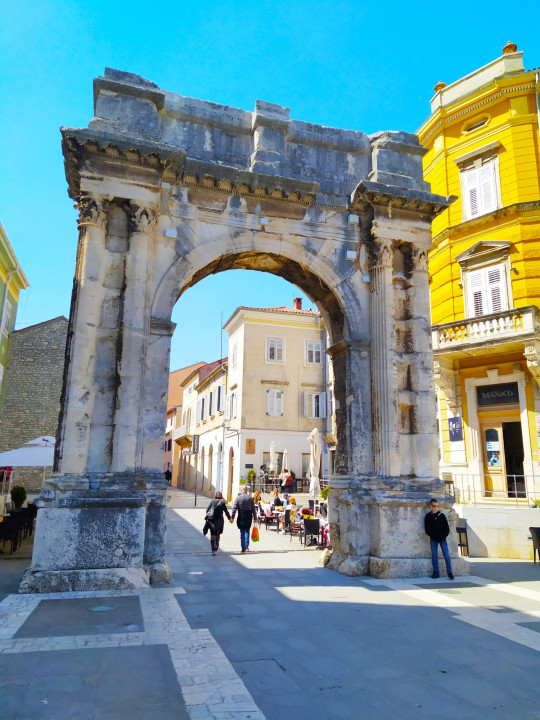
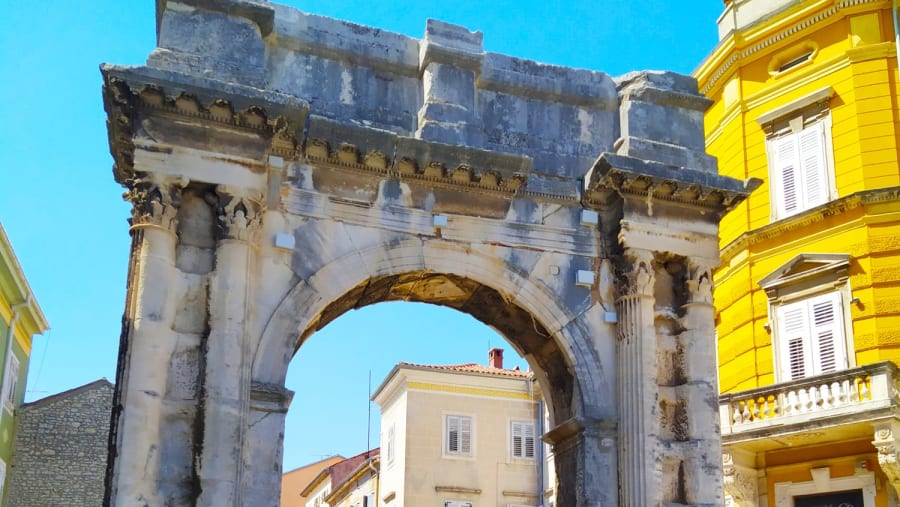
- After visiting Dante's Square, head to the Arch of the Sergi (Golden Gate), a magnificent triumphal arch that dates back to the 1st century.
- Take a break from sightseeing and visit the Green Market, where you can sample local produce and buy souvenirs.
- From there, head to the Hercules Gates, which were once part of Pula's ancient city walls.
- Next, proceed to Porta Gemina (Twin Gates), another well-preserved section of Pula's ancient city walls.
- After exploring the Twin Gates, head to Zerostrasse, a network of underground tunnels that were used during World War I.
- Finally, go to the Octagonal Mausoleum, a stunning ancient Roman tomb that dates back to the 2nd century.
- Later, transfer to Kastel, a fortress that overlooks the city and offers stunning views of the sea.