Day 01
Cambridge Colleges, Churches and Scientific Legacy
- We will begin our tour of Cambridge at the Roman Road site, dating back to the first settlement in Cambridge 2,000 years ago. Nearby, we will see the Church of the Holy Sepulchre, a Norman church built around 1130.
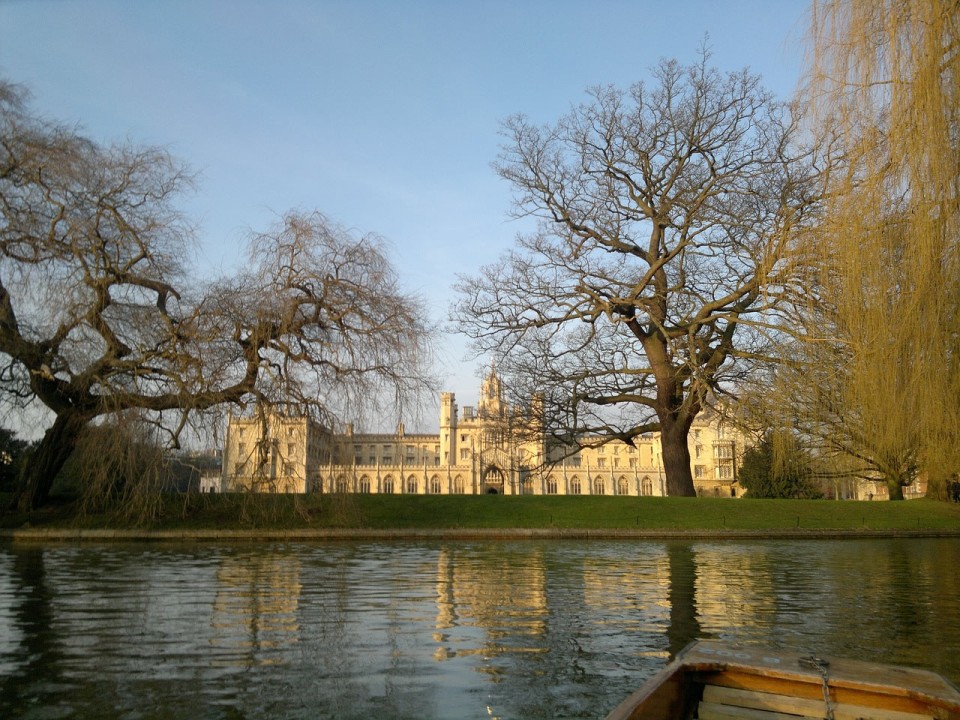
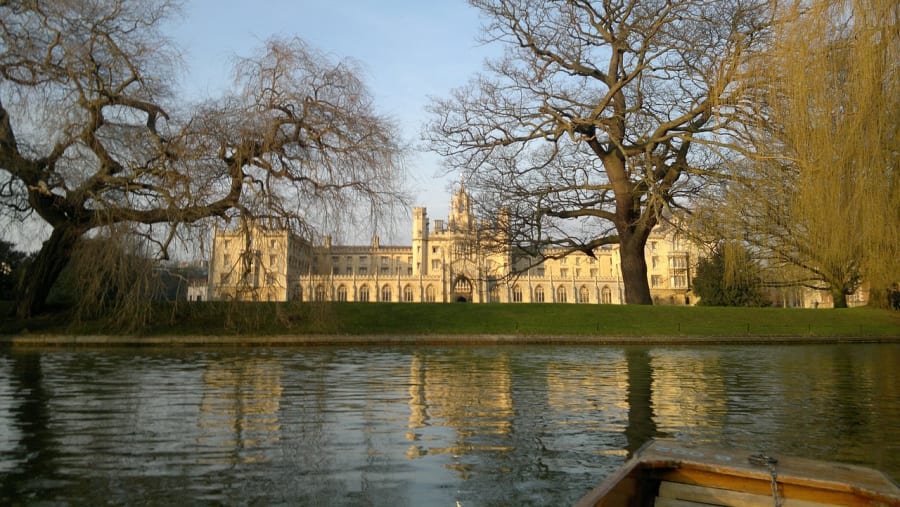
- As we move into the historic heart of Cambridge, we will first visit St. John's College, founded by Lady Margaret Beaufort in 1509. We will then come to Trinity College, founded by Henry VIII in 1546. Trinity boasts two kings, six prime ministers, and 34 Nobel Prize winners among its impressive alumni.
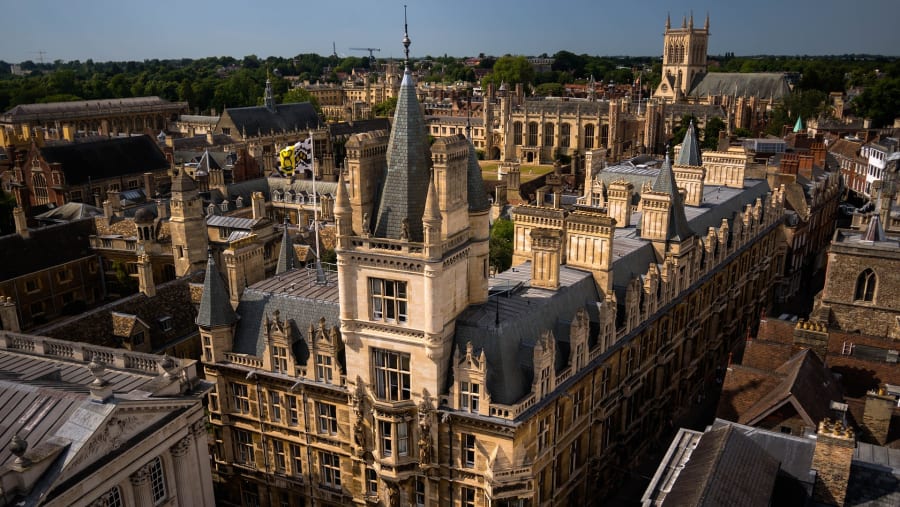
- Reaching the centre of Cambridge, you will see Gonville and Caius College, founded in 1348, with 15 Nobel Prize winners. In the same area, we see Great St Mary's Church, both a parish church and the University Church.
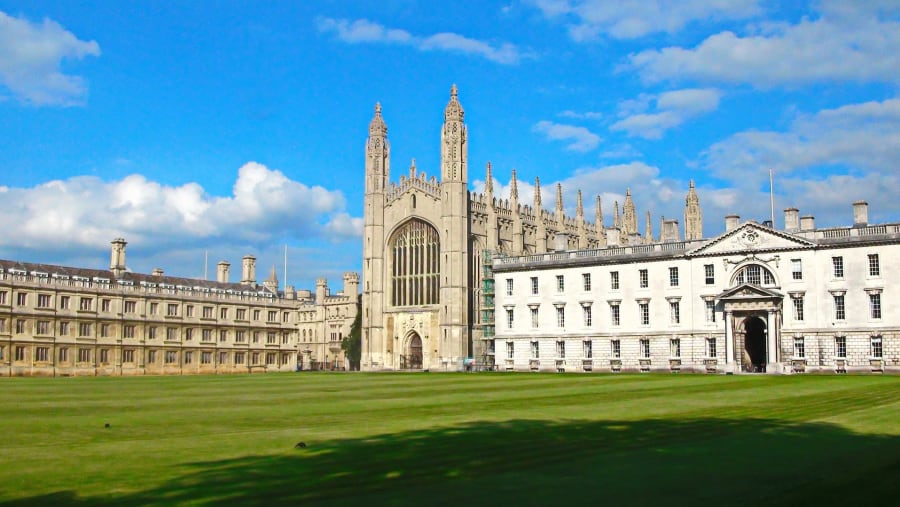
- Then, we will walk to King's College and its magnificent chapel, world-famous for its beauty and choir. It took around 100 years to build and was completed in the 1540s under King Henry VIII.
- Our next stop is the latest addition to the Cambridge street scene, the Corpus Christi Clock. Designed by former Corpus Christi graduate Dr John Taylor and donated by him to his old college, its striking design and unusual concept have made it very popular with visitors.
- A short walk takes us to St. Bene't's Church, a Saxon church and the oldest in the entire county of Cambridgeshire, built by the townspeople in 1030. Opposite St. Bene't's is the historic Eagle Pub. Airmen gathered there in World War II and wrote their squadron numbers on the ceiling. One hundred and twenty-three squadron numbers can still be seen today.
- We will finish the tour at the old Cavendish Laboratory, an extraordinary site of scientific achievement. Twenty-nine Nobel Prizes were earned inside the walls of the Cavendish.