DAY 2
GOÐAFOSS
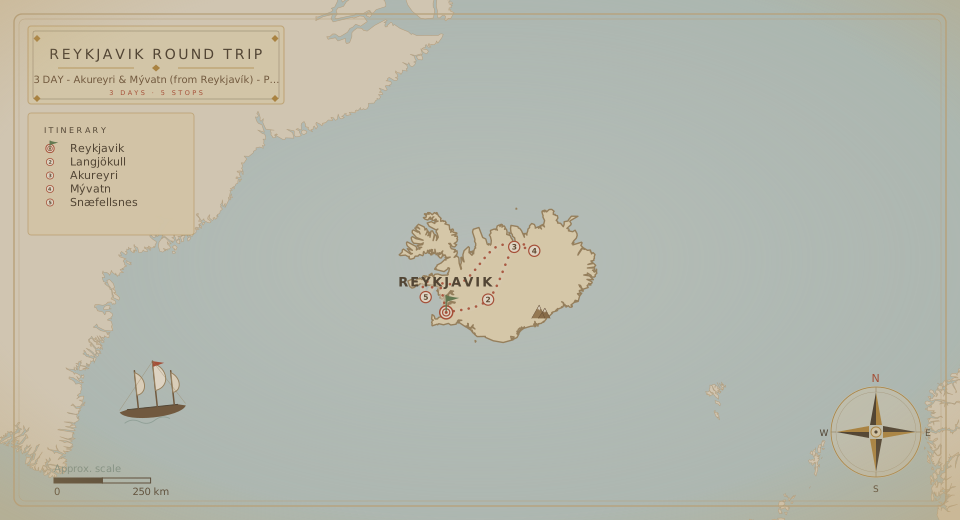
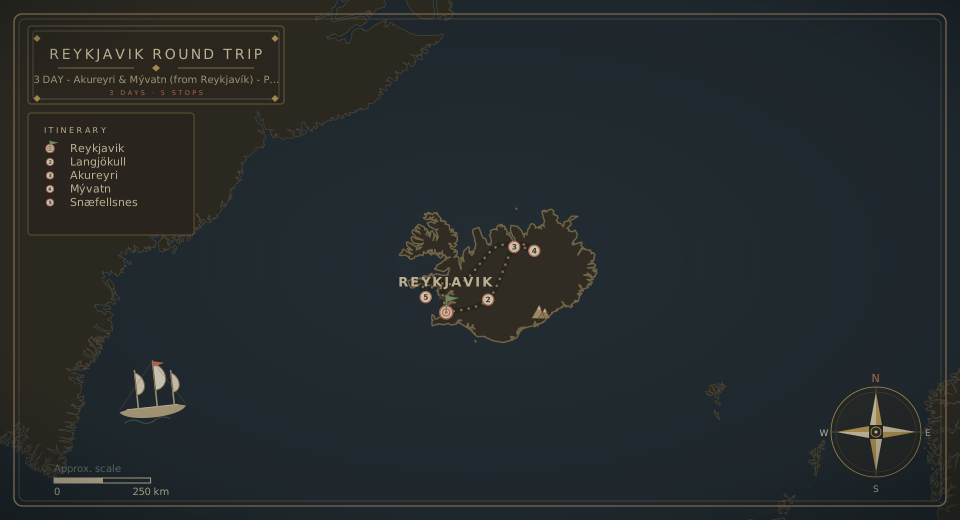
After breakfast head towards East Iceland. On our way to the beautiful Mývatn area, we stop by the amazing Goðafoss, „Waterfall of the Gods“, one of the most beautiful waterfalls in Iceland. The name derives from the year 1000 when the lawspeaker Þorgeir Ljósvetningagoði made Christianity the official religion of Iceland. When Þorgeir returned home from the Parliament Alþingi, he supposedly threw his statues of the Norse gods into the waterfall, symbolizing the shift in Iceland´s official religion.
MÝVATN
The Mývatn area is situated atop the Mid-Atlantic Ridge, at the divergent boundary between the North Americal Plate and the Eurasian Plate. Mývatn Lake, Lake of the Midgens) is a gem of the North. Mývatn and it´s environment is known for diverse geological wonders, rich birdlife and biological activity. It is the 4th largest lake in Iceland, characterised my volcanic features, coves and inlets and its surface is dotter with 50 small islets and skerried. The lake is part of a fissure swarm named after Krafla, in a syncline between fault lines. The area was created following an eruption over 2.000 years ago and is still an active volcanic system. The surrounding area is covered in lava pillars and pseudocraters. Midges are abundant in the area and these tiny flies give the lake its name. On and around the lake there is varied birdlife and Mývatn is the habitat of many kinds of lake and marsh birds. However, much of Mývatn's fame can be attributed to the fact that during summer, there is a greater variety of duck species gathered on and around the lake than anywhere else in the world.
DIMMUBORGIR
Dimmuborgir, Dark Fortress, is an area of dramatic rock formations. It is a large area composed of various volcanic formations, big lava rocks, lava pillars, and volcanic caves, reminiscent of an ancient collapsed citadel. Dimmuborgir is the home to Iceland´s Jule Lads. Look our for them when you walk amont the great lava pillars.
NÁMASKARÐ PASS OR HVERARÖND AND NÁMAFJALL MOUNTAIN
Námaskarð, Hverarönd, is one of the most beautiful natural phenmena in Iceland. It is an area of constantly changing patterns of hot springs, boiling mud pools, mud pots and fumaroles. Everything is at a boiling point in the stunning arctic desert. No vegetation in sight. The boiling heat and constant emission of fumes has made the ground completely sterile, thus unfit to sustain flora and fauna. Walking in the area make you feel like you have entered another planet.
KRAFLA
Krafla is a central volcano with a caldera of 10 km (6.2 miles) in diameter. Krafla formed during the last interglacial period and has since been filled almost to the rim with volcanic material The collapse of the caldera probably followed the eruption of a sheet of tuff which is exposed around the caldera. There have been frequent volcanic acvitites in the area during historical time. In the years 1724-1729 there was an eruption episode in the Krafla-Námafjall fissure swarm, known as the "Mývatn fires". Volcanic events took place in the Krafla caldera and on the Krafla fissure swarm during 1975-84 "The Krafla fires" that are a striking repetition of what happened during the "Mývatn fires" in the 1720's. Enjoy the amazing volcanic landscape before entering the relaxing atmosphere at the Jarðböðin Spa.
JARÐBÖÐIN MÝVATN NATURE BATHS
Mývatn Nature Baths have a naturally heated man-made lagoon, with mineral-rich waters known for their health-giving properties. Relax in the alkaline bathing lagoon and enjoy the beutiful scenery that surrounds the spa. After unwinding in the warm water, head back in Akureyri. In the afternoon a short city tour and dinner on your own. Overnight at same hotel in Akureyri.