Day 01
Explore Cappadocia's Culture, Landscapes, and Cave Heritage
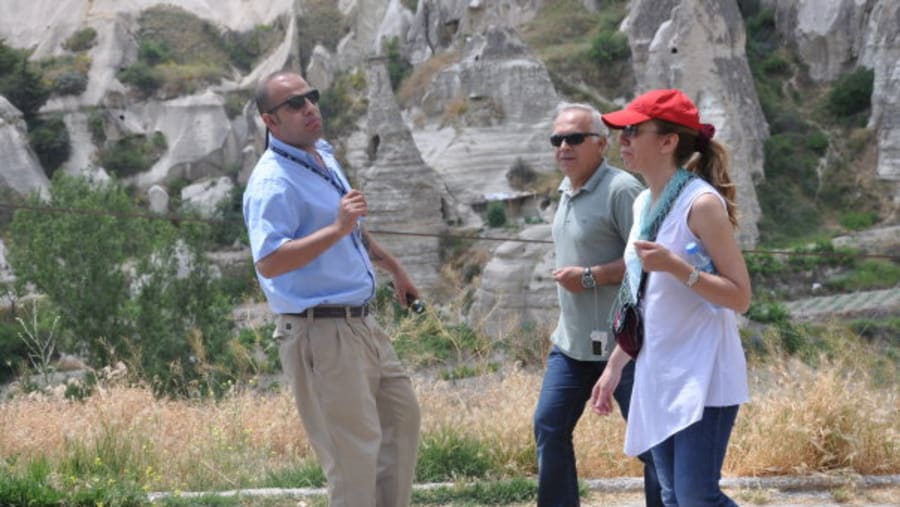
- Meet the guide in your hotel's lobby area 10 minutes before departure.
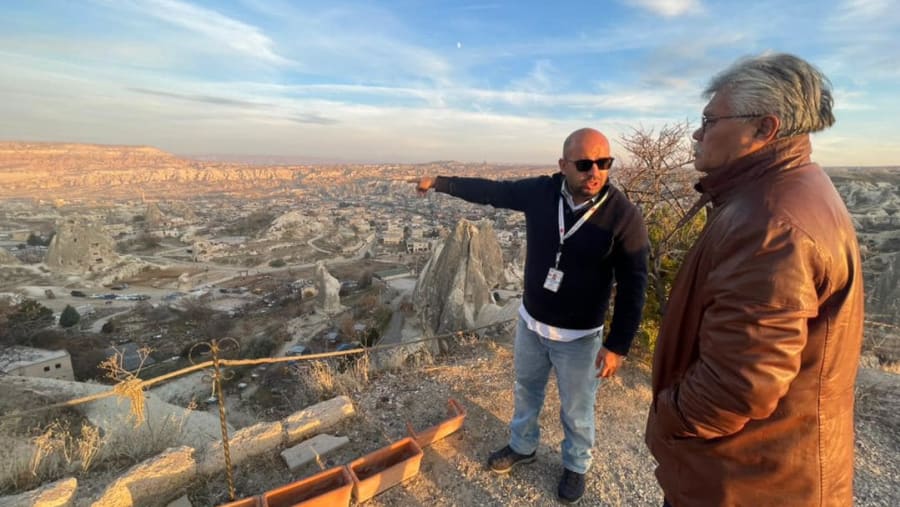
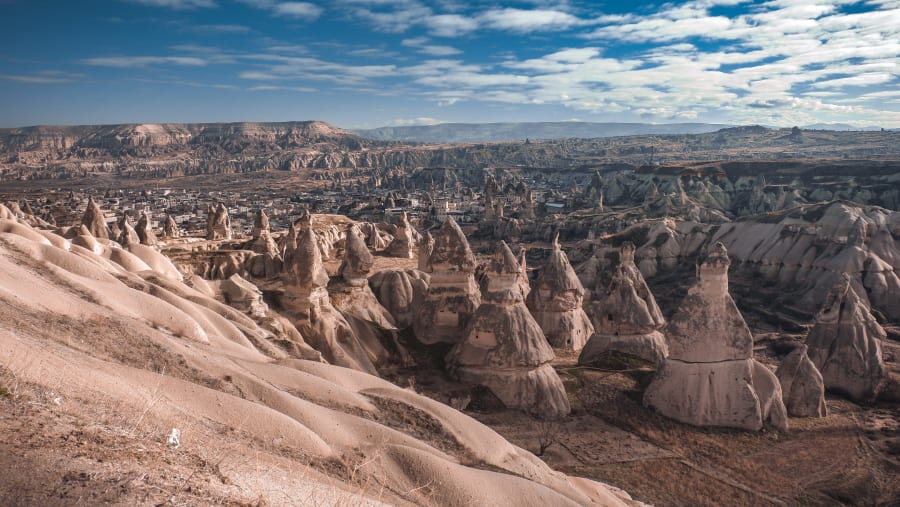
- Start the day at Esentepe Valley's panoramic viewpoint, offering an outstanding view of a spectacular lunar landscape.
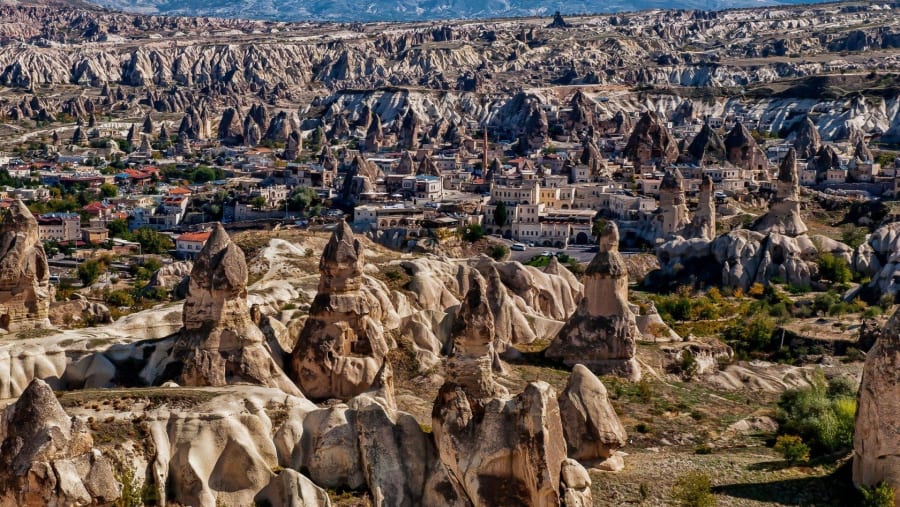
- See the patchwork of valleys below, rock formations, and cave houses.
- See Mount Erciyes in the distance - the volcano that created this striking landscape three million years ago.
- Sip a cup of Turkish coffee while enjoying a spectacular view.
- At the same spot, unveil the door of a hidden cave dwelling to see what the interior of an untouched cave house looks like. Your guide will explain how Turkish-Cappadocians lived in such unique houses from the 1920s to the 1990s. Not only Turks, but people in Cappadocia have been living in caves for centuries. The unique texture of the volcanic cave houses in this region has inspired many architects. The stone nature of the cave houses keeps them cool in summer and warm in winter, making them ideal homes.
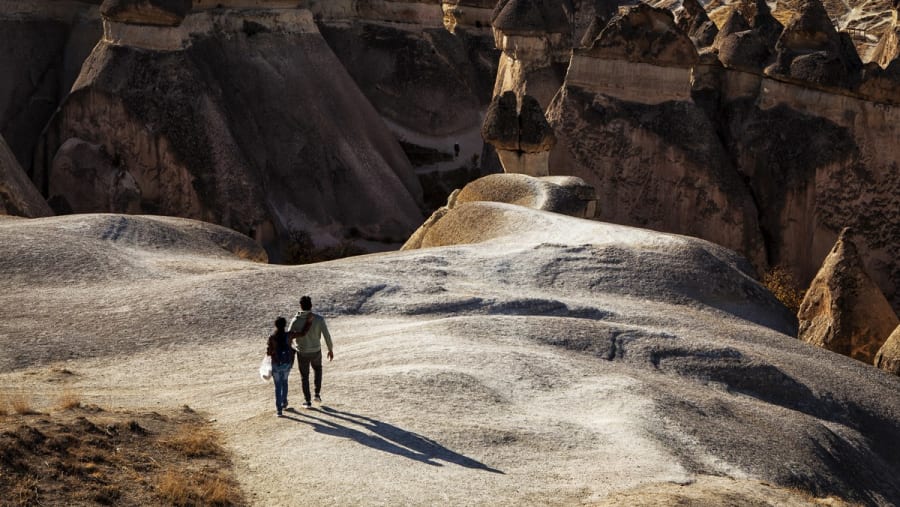
- The next stop will be Pasabaglari, a must-visit geological wonder. It is home to stunning volcanic formations. Millions of years of wind and water erosion have sculpted the soft rock into forests of mushroom-shaped peaks, dubbed "fairy chimneys." These towering rock formations are now the symbol of Cappadocia.
- Afterwards, take a short drive to Devrent Valley, also known as "Imagination Valley." It is one of the few places where you can immerse yourself in Cappadocia's most surreal-looking lunar landscape and witness Mother Nature's sculpting artistry. Walk through this fascinating valley to see naturally shaped rock formations resembling humans, animals, and figures. Some of the most famous, or easiest to distinguish, animal shapes are the camel, snake, seal, and dolphin.
- Proceed to Avanos town. This small town sits next to Turkey's longest river, Kizilirmak (Red River). The art, creativity, and endeavour of its men and women are reflected in its pottery and rug weaving. Avanos is well known for its red earthenware pottery, first discovered by the Hittites during the Bronze Age. Since 2000 BC, potters in the town have been obtaining red pottery clay from the river, and with their marvellous touch, clay has been turned into exquisite art pieces on primitive kick wheels. Visit a pottery studio set in a cave complex that offers pottery-making demonstrations and the chance to spin a bowl.
- Break for lunch in a stylish, authentic cave restaurant. Among the main course varieties, pottery kebap is highly recommended. It is an Anatolian speciality prepared in a clay pot or jug. It is usually made with beef or chicken and vegetables such as tomatoes, eggplants, onions, garlic, and potatoes. Traditionally cooked in a tandoor or clay oven, the pot is sealed with bread dough and left to simmer in its juices for hours. When ready, the blazing hot jug is brought out and cracked in front of you, releasing the aroma of its still-gurgling contents while treating diners to a little tableside theatre.
- After lunch, drive to Goreme Open Air Museum - the crown jewel of Cappadocia's historical sites. The site became a religious refuge during the early days of Christianity. By the fourth century, Christians fleeing Rome's persecution had arrived in some numbers and established monastic communities here. Goreme Valley was a hub of Christian activity. The monks excavated extensive dwellings and monasteries and created Byzantine frescoed paintings in cave chapels beginning in the seventh century.
- Discover the fresco-adorned rock-cut churches with dazzling wall decorations. The frescoes of the chapels here are certainly among the world's most incredible venues of medieval art.
- During the visit, explore the Dark Church (Karanlik Kilise). The wall paintings (frescoes) of Karanlik Kilise are the best preserved in the entire region and among the most prominent and brilliant examples of their period.
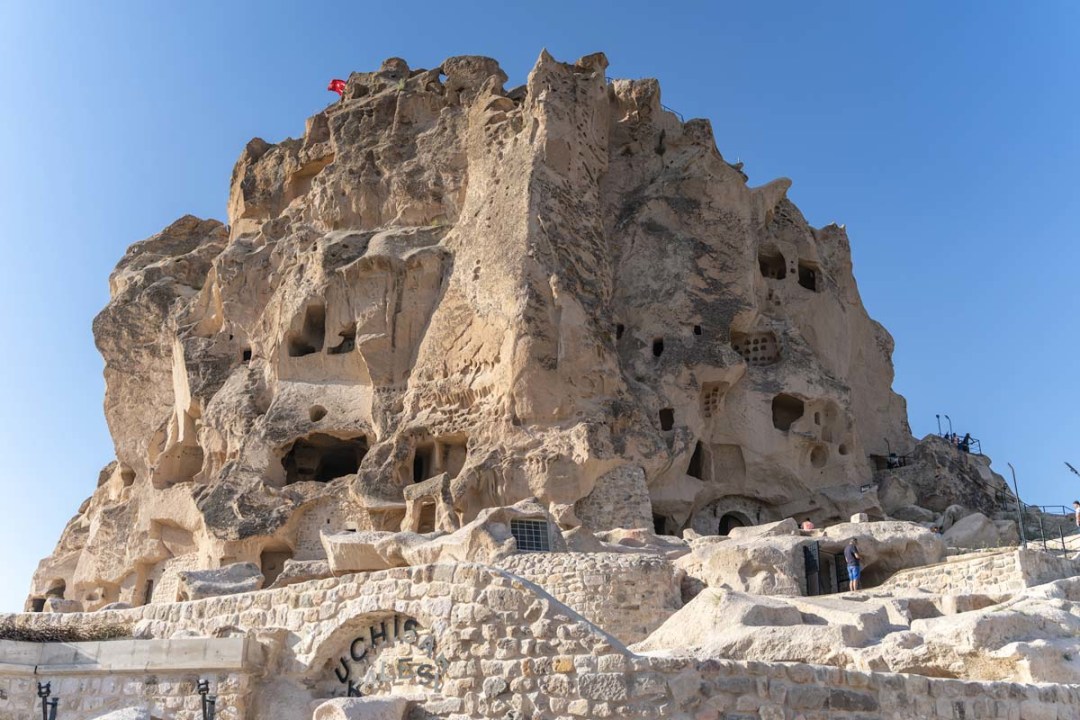
- At the end of the day, visit the tallest (60 meters / 200 feet) and largest stunning volcanic formation, named Uchisar Castle, within the boundaries of Uchisar town, which is geographically the highest point in the entire region.
- Upon the tour's conclusion, you will be dropped off at your hotel.