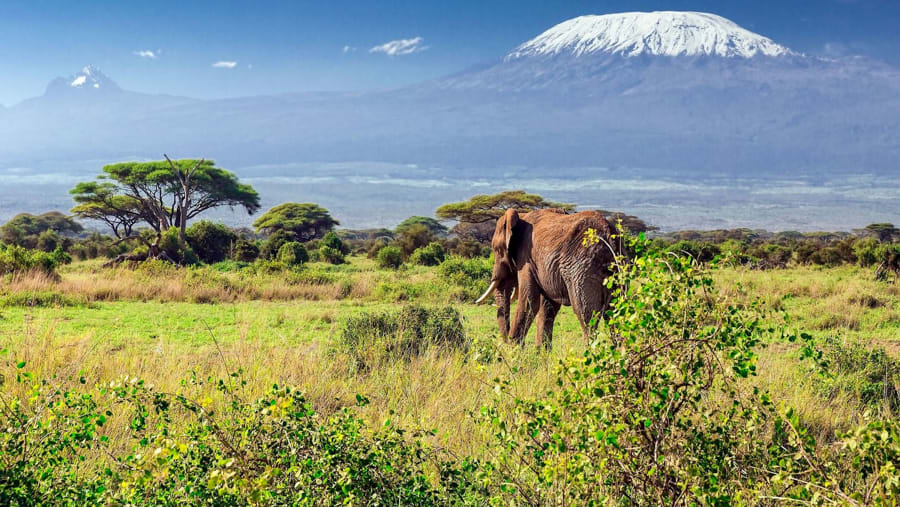
8-Day Mount Kilimanjaro Lemosho Route Hike to Uhuru Peak

8 Days Round trip from Moshi Moderate pace

The journey

Trip highlights
  • 01 Hike through the stunning landscapes of Mount Kilimanjaro via the scenic Lemosho Route
  • 02 Cross the Shira Plateau through giant heather moorland and alpine terrain
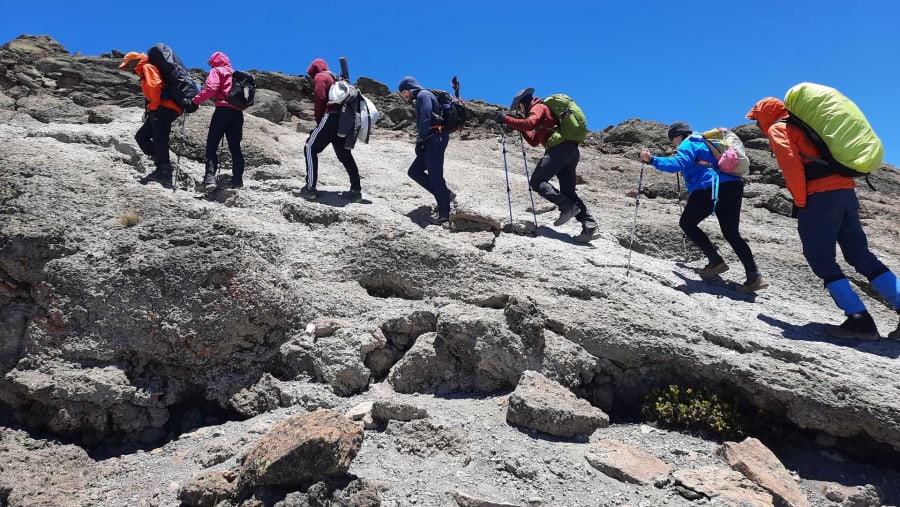
  • 03 Challenge yourself on the steep climb up the iconic Barranco Wall
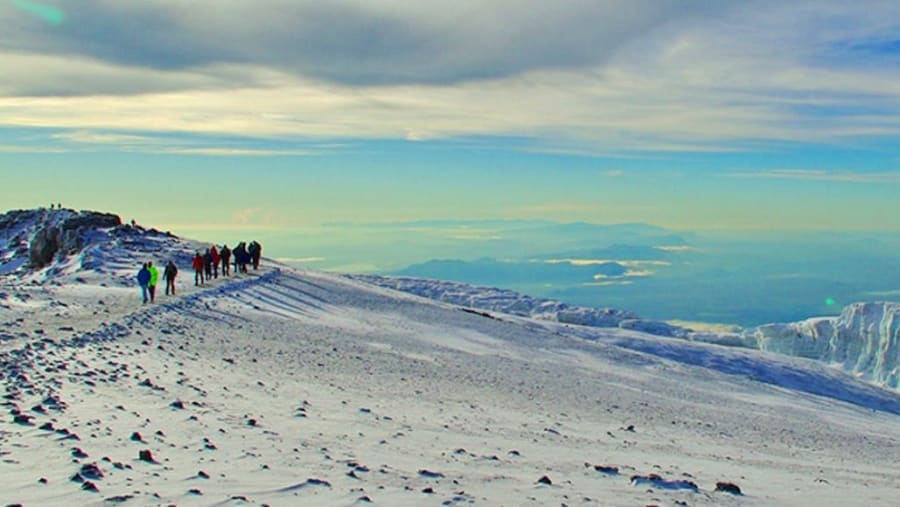
  • 04 Reach Uhuru Peak, the highest point on Mount Kilimanjaro and in Africa

Sign up for our 8-day hike to Mount Kilimanjaro via the Lemosho Route, one of the most scenic and remote ways to reach the summit of Africa's highest peak. This trek takes you through stunning landscapes, from lush rainforest and giant heather moorland to alpine terrain and the icy summit of Mount Kilimanjaro. Along the way, you will cross the Shira Plateau, tackle the Barranco Wall, and make your summit push to Uhuru Peak.

At a glance

What this trip includes

Duration 8 Days
Tour type Shared
Activity level Moderate
Accommodation Included · Budget
Transport Included
Wheelchair access No
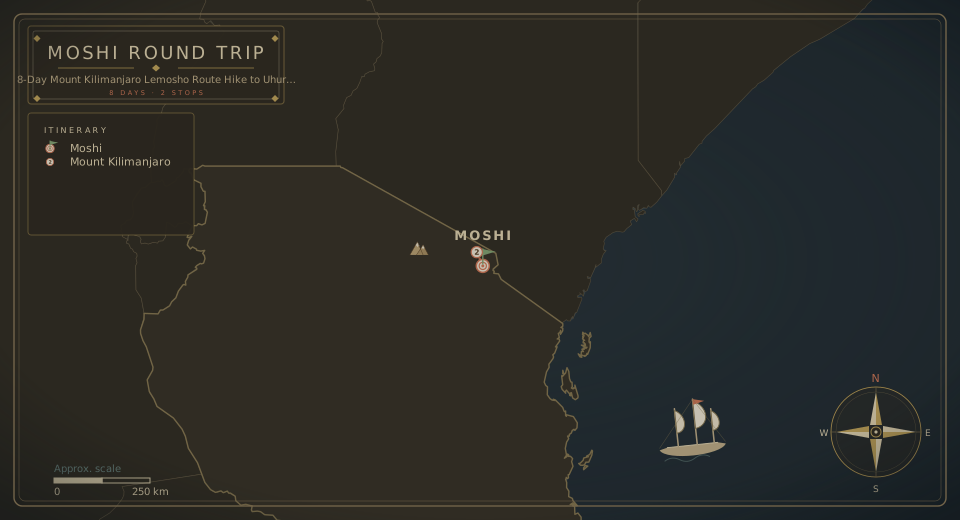
Cities Moshi, Mount Kilimanjaro
Languages English

Day by day

The itinerary

1
Day 01

Londorossi Gate to Mti Mkubwa Camp

  • After breakfast and a briefing, drive to Londorossi Park Gate (2250 m / 7380 ft), a journey of about 2.5 hours.
  • From here, a forest track requiring a 4WD vehicle leads to Lemosho Glades (2390 m / 7830 ft, 1 km, 45 minutes) and a possible campsite, although park fees are not paid to camp here.
  • Walk along forest trails to Mti Mkubwa (Big Tree) campsite.
2
Day 02

Mti Mkubwa Camp to Shira 1 Camp

  • After breakfast, continue as the trail gradually steepens and enters the giant heather moorland zone.
  • Several streams are crossed before the route gains the Shira Ridge at about 3600 m / 11,810 ft, then drops gently down to Shira 1 Camp, located by a stream on the Shira Plateau.
3
Day 03

Shira Plateau Acclimatization to Shira 2 Camp

  • After breakfast, a gentle walk across the plateau leads to Shira 2 Camp on moorland meadows by a stream.
  • Various walks are available on the plateau, making this an excellent acclimatization day.
4
Day 04

Shira Plateau via Lava Tower to Barranco Hut

  • From the Shira Plateau, continue east, passing the junction toward the peak of Kibo.
  • As the trek continues, the direction changes to the southeast toward the Lava Tower, called the "Shark's Tooth."
  • Shortly after the tower, reach the second junction, which brings you up to the Arrow Glacier at 4876 meters / 15,997 ft.
  • Continue on to Barranco Hut at 3860 meters / 12,664 ft.
  • Here, rest, enjoy dinner, and stay overnight. Although you end the day at about the same elevation as when you started, this day is very important for acclimatization and will help your body prepare for summit day.
5
Day 05

Barranco Wall to Karanga Hut

  • After breakfast, leave Barranco and continue on a steep ridge, passing the Barranco Wall to the Karanga Valley campsite at 4200 m / 13,780 ft.
6
Day 06

Karanga Valley to Barafu Hut

  • After breakfast, leave the Karanga Valley and pass the junction that connects with the Mweka Trail.
  • Continue to Barafu Hut, located at an altitude of 4600 meters / 15,092 ft. By this point, you have completed the South Circuit, which offers views of the summit from many angles.
  • Here, make camp, rest, enjoy dinner, and prepare for summit day. The two peaks of Mawenzi and Kibo can be seen from this position.
7
Day 07

Uhuru Peak Summit and Descent to Mweka Hut

  • Early in the morning, continue to the summit of Uhuru Peak at 5985 meters / 19,636 ft. This part of the climb takes about 6 hours.
  • It can be very cold at night at these elevations, but it will be quite warm by the end of the hiking day, so you will want clothing for both extremes with you.
  • At Uhuru Peak, reach the highest point on Mount Kilimanjaro and the continent of Africa. Faster hikers will see the sunrise from the summit.
  • Descend from the summit to the Mweka Hut campsite at 3100 meters / 10,171 ft. This part of the descent takes about 5 hours. You will want gaiters and trekking poles for the loose gravel on the way down.
  • Later in the evening, enjoy your last dinner on the mountain and a well-earned sleep. Beer and soda may be available for purchase at Mweka Hut, the only place on this route.
8
Day 08

Mweka Gate Descent and Return to Moshi

  • After breakfast, continue the descent down to Mweka Park Gate.
  • At lower elevations, it can be wet and muddy. Gaiters and trekking poles will help, and shorts and T-shirts will probably be plenty to wear, though you should keep rain gear and warmer clothing handy.
  • A vehicle will meet you at Mweka village to drive you back to your hotel.

The route

Where you'll travel

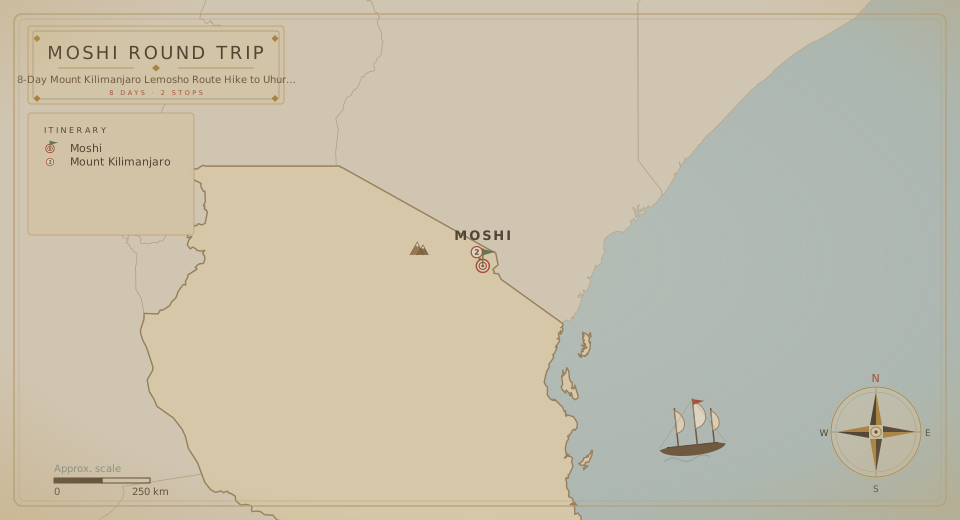
Tour route map
Round trip from Moshi 2 cities · 8 Days

The fine print

Trip details

What's Included

  • National park gate fee
  • Transport from Moshi to the starting point on the mountain and return to Moshi
  • Hut or camping fees
  • All 3 meals a day while on the mountain
  • Two nights' accommodation in Moshi on a bed-and-breakfast basis, double or triple occupancy
  • Certified, experienced, English-speaking guides for all routes
  • Rescue fees (required by the park)
  • First aid kit
  • Cooking equipment and eating utensils

What's Not Included

  • Extras at the lodges, such as drinks, telephone, laundry, etc.
  • International and internal flights
  • Tips (guides and porters) - recommended
  • Extra activities

What to bring

  • CLOTHING
    • Lightweight, breathable, hand-washable, and quick-drying clothes
    • Shorts, mid-thigh or longer
    • Long pants (zip-off pants are very useful)
    • Short-sleeved shirts
    • Long-sleeved shirts
    • Undergarments and socks
    • Sports bras for women (roads can be bumpy)
    • Sweater, jacket, windbreaker, rain jacket and pants, or a rain poncho
    • Sun hat with a brim and chin strap
    • Bandana (for dust, washing, etc.)
    • Belt
    • Pyjamas
    • Swimsuit
  • FOOTWEAR
    • Sturdy, comfortable shoes, preferably waterproof
    • Tennis shoes or sandals
    • Comfortable, breathable socks
  • BAGGAGE
    • Suitcase or duffel (20 kg max for internal flights)
    • Day pack for daily activities and easy access (a rain cover is useful)
    • Waterproof plastic bags for storing clothing and gear (zip-lock bags are great)
  • ELECTRONICS
    • Store electronics in sealed waterproof bags (double-bagged if possible)
    • Headlamp or flashlight
    • Camera, lenses, filters, and memory disks (you will not be able to download)
    • Video camera and tapes
    • Tripod
    • Batteries
    • GPS (for geocaching)
    • Alarm clock
    • Calculator (for currency conversion)
    • Battery chargers and an electricity adapter
  • FIRST AID
    • You really only need one first aid kit in your travel group, so coordinate with your travel companions
    • Ibuprofen, acetaminophen, or aspirin
    • Bandages/plasters
    • Disinfectant, antiseptic cream, and antibiotic ointment
    • Gauze bandages and tape
    • Throat lozenges
    • Vitamins
    • Diarrhoea medicine
    • Antihistamines
    • Ace bandage
    • Melatonin or another sleep aid
    • Malaria pills (talk to a doctor)
    • Antibiotics (talk to a doctor)
    • Prescription drugs (talk to a doctor)
  • DOCUMENTS
    • Passport
    • Visas for all countries as necessary
    • Medical insurance card
    • Address book
    • Business cards
    • Yellow fever certificate and vaccination records
    • Airline tickets and e-tickets
    • Copy of African Holiday Safari itinerary
    • Make copies of passports, visas, airline tickets/schedules, and traveller's cheque numbers. Leave a copy with someone at home and put a copy in a separate place in your luggage.

Know before you go

  • HIKING AT ALTITUDE
    • Always remember to maintain a slow, steady pace from beginning to end. Going slowly allows the body to acclimatise while hiking. Those who start too quickly will have trouble higher up the mountain, as the body will be overexerted. This still holds true even if you spend an extra day on the mountain. Breathe only through your nose for the first two days of the trek.
    • After 15,000 feet, breathe through your mouth.
    • Use a controlled, deep, regular breathing pattern.
    • Hard candy and menthol lozenges can help keep the throat moist and clear the sinuses.
    • Keep in touch with what your body is doing, and watch out for your friends if they are overexerting themselves. Focus on your daily goal of reaching the next camp by nightfall - not your ultimate goal of summiting.
    • Read about Acute Mountain Sickness.
    • Drink often. Energy bars or Gu may help alleviate fatigue but require more water intake. Focus on your breathing. Use the "mountaineer's step." This technique involves stepping, leaning on that leg, and moving the back leg up. Use the mechanical aspects of your body to support your weight instead of using your muscles.
    • Instead of sitting at a rest stop, lean against your walking stick. This will keep your muscles active.
  • TREKKERS CARE
    • Altitude Sickness
      • Different people under similar conditions will respond quite differently to altitude. There are no specific factors such as age, sex, or physical condition that correlate with susceptibility to altitude sickness. The response to altitude will depend on the ascent rate, the magnitude of the ascent, and individual susceptibility (genetics). The effects can be mild or severe and are caused by the lack of oxygen to the muscles and the brain. As altitude increases, oxygen concentration stays the same, but the number of oxygen molecules per breath is reduced as the barometric pressure drops. At 18,000 ft (5500 m), half the oxygen available at sea level remains.
      • In some cases, altitude sickness can become highly severe, even fatal. For reasons not entirely understood, high altitude and lower air pressure can cause fluid to leak from the capillaries and build up in the brain and lungs. Continuing an ascent without proper acclimation can lead to a life-threatening illness.
    • Acute Mountain Sickness (AMS)
      • Mild symptoms of acute mountain sickness occur in 75% of people who travel over 10,000 feet and can affect some people at lower altitudes. These symptoms include:
        • Fatigue
        • Dizziness
        • Headaches
        • Nausea
        • Disturbed sleep
        • Indigestion
        • Loss of appetite
        • Vomiting
      • These symptoms typically begin immediately after arrival and tend to worsen at night. Mild AMS does not interfere with regular activity, and symptoms generally subside within 2-4 days as the body acclimatises. As long as symptoms are mild and only a nuisance, ascent can continue moderately.
    • Prevention of AMS
      • Altitude sickness is preventable. Pay close attention to your body and the health of individuals in your group. Immediately communicate any symptoms of illness to others on your trip. Oxygen deprivation of the brain may cause individuals to deny or not recognise their symptoms.
      • Stay hydrated - urine output should be copious and clear. Try to drink at least 4-6 litres per day.
        Avoid tobacco, alcohol, and other depressant drugs, including barbiturates, tranquillisers, and sleeping pills. They further decrease the respiratory drive during sleep, worsening symptoms. In addition, avoid diuretics such as coffee and tea.
      • "DON'T GO UP UNTIL SYMPTOMS GO DOWN" - people acclimatise at different rates, so make sure your entire party is properly acclimatised before going higher. Resting at the same altitude is effective for mild symptoms, but you must descend immediately if they do not go away within a day or two.
      • DIAMOX (acetazolamide) is a drug that effectively minimises the symptoms caused by poor oxygenation by helping you breathe deeper and faster. This drug is not used in treatment; it should only be used as a preventative method. The recommended dose is 125 mg twice a day, and it is advisable to start taking it 24 hours before you go to altitude and continue for at least five days at higher altitude. Side effects include tingling of the lips and fingertips, blurred vision, and taste alteration. If you are allergic to sulfa drugs, you should not take Diamox. The use of this drug is controversial, so it is advisable to research its effects before seeking a prescription.
      • Eat high-carbohydrate foods while avoiding fatty foods.
      • Before your trip, maintain a good work/rest cycle, and avoid excessive work hours and last-minute packing. Listen to your body. Do not overdo things on the first day or two. Avoid heavy exercise.
      • High Altitude Pulmonary Edema (HAPE) - HAPE results from fluid buildup in the lungs, which prevents effective oxygen exchange from the lungs to the bloodstream.
      • This serious condition can lead to death if not treated immediately. Symptoms of HAPE include:
        Irritating cough (can produce frothy, often blood-tinged sputum)
        • Mental confusion, staggering or drunken walking, quick shallow breathing, and difficulty breathing
        • Exhaustion
        • Chest pain
        • Gurgling noise in the chest
        • Debilitating headaches and severe fatigue
        • Disruption of vision, bladder, and bowel functions
        • Loss of coordination of trunk muscles (test by walking a straight line)
        • Although rare, HAPE frequently strikes young and fit climbers and trekkers. If you notice these signs in yourself or your group, you must descend immediately, even at night. HAPE can be fatal within a few hours if left untreated. However, if diagnosed early, recovery is rapid, with a descent of only 500-1000 meters. Besides descent, treatment also includes rest, oxygen administration, and portable hyperbaric chambers.
        • High Altitude Cerebral Edema (HACE)
      • HACE occurs when fluid leakage in the brain causes swelling, affecting the central nervous system. This is considered the most severe altitude-related illness. If left untreated, it will lead to coma and death. HACE is thought to occur in 1% of reasons above 4000 m and 3% of those with AMS, and it usually occurs after a week or two at high altitudes. Symptoms of XCE can be similar to AMS and HACE and include:
        • Staggered gait (unable to walk heel-to-toe in a straight line)
        • Severe weakness and fatigue
        • Impaired mental processing and confusion
        • Drowsiness
        • Headache
        • Decreasing levels of consciousness (loss of memory, hallucinations, psychotic behaviour, and coma)
        • Changes in behavior
        • Difficulty speaking
        • Blindness
        • Vomiting
        • Paralysis of limb
        • Seizures
      • Immediate descent is the best treatment for HACE. This is urgent and cannot wait until morning. The moment HACE is recognised is the moment to start organising an effort to get this person down the mountain, usually to the point where they last slept with no symptoms. It is essential to recognise that persons with this illness are often confused and may not recognise that they are ill.
  • ALTITUDE SICKNESS
    • Many people will experience the effects of high altitude. Take precautions to avoid altitude sickness if you are prone to it. Be sure to try a hot tea or an infusion of coca leaves on arrival at altitude. During your first day, eat lightly and slowly, resting for the first few hours.
    • Travel to high altitudes is generally not recommended for those with a history of heart, lung, or sickle cell disease.
  • DRINKING WATER
    • We recommend that you always drink bottled or filtered water.
  • TREKKING
    • Trekking is a strenuous adventure and should not be undertaken if you have any health conditions that may put you at risk. You are strongly advised to consult your physician for a thorough medical check-up and clearance before attempting a trek on the mountain. If you are over 50 years old, talk to your doctor about doing a "stress EKG."

Logistics

Meeting & route

Meeting point
Moshi, Tanzania
Tour start
Moshi, Tanzania
Tour ends at the same location as the start point.
End of the journey

Your 8 days finish where they began, in Moshi.

Watch the tourHQ film Watch the film

Create your own adventure

Can't find the perfect tour? Tailor your dream trip.

  • Tell us your destination, dates and group size.
  • Our travel experts and local guides design a tailored itinerary, just for you.
  • Enjoy your trip with peace of mind, knowing everything is taken care of.
Plan my holiday

Say goodbye to travel stress.

Starting from

USD 2,200 /person
Book This Tour

When

Travellers

Total