



Day 01
Nature, Culture, and History in East Auckland
- Meet your tour guide, who will pick you up from your hotel (or another meeting point) at 9:00 a.m., and begin your journey to explore the natural, cultural, and historical side of East Auckland.
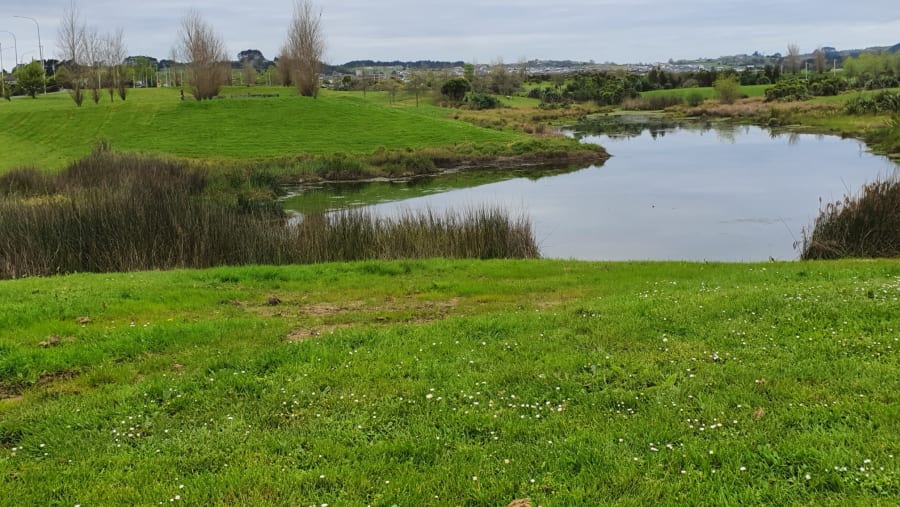
- Visit Barry Curtis Park, the largest urban park in Auckland, with a total land area of 94 hectares. It is situated in Flat Bush, a new township in the southern part of East Auckland. There are 55 km of protected natural stream and gully catchment areas where birdlife and native fauna can flourish. The park is named after long-serving Manukau Mayor Sir Barry Curtis, who served from 1983 to 2007. The walking path is fully paved and mostly flat, making it suitable for all ages. It has become a popular park for locals to walk and exercise. Take a short walk along the path to enjoy the fresh air and admire nature.
- Travel to Foguangshan Temple, the largest Buddhist temple in New Zealand, situated beside Barry Curtis Park and occupying a total land area of 4 hectares. It was built over 7 years at a cost of NZD 20 million and designed in the architectural style of the Tang Dynasty. A large Buddha statue and a 2-tonne bell hang outside the main shrine. Opened in late 2007, the temple promotes Humanistic Buddhism and encourages interfaith understanding, education, and cultural diversity. Apart from the main shrine, there is also a nicely decorated garden exhibition hall with different exhibitions throughout the year, such as art, painting, and calligraphy. There is also a cafe called Water Drop Cafe, serving delicious vegetarian food and different kinds of tea in a relaxed environment.
- Continue your exploration to Howick Historical Village, situated in Lloyd Elsmore Park, one of Auckland's largest sports parks, with facilities for cricket, netball, rugby, badminton, swimming, and more. The village is a living history museum set on 7 acres of grounds and gardens, with a collection that includes art, furniture, textiles, and original wooden buildings showing early Auckland life between 1840 and 1880 through the experiences of early settlers, known as fencibles, from Britain. Fencibles were retired soldiers or marines who fought wars for Britain in the 1930s and 1940s. They received a small pension after retiring and were offered the chance to begin a new life with their families in Auckland. You can open the doors to real homes and experience living history for yourself. Guests have the option to choose either lunch at the Foguangshan Temple vegetarian cafe or at a local cafe in George and Elizabeth White's Homestead in Howick Historical Village before touring the village.
- Depart from the village at 3:00 p.m. and return to your hotel.