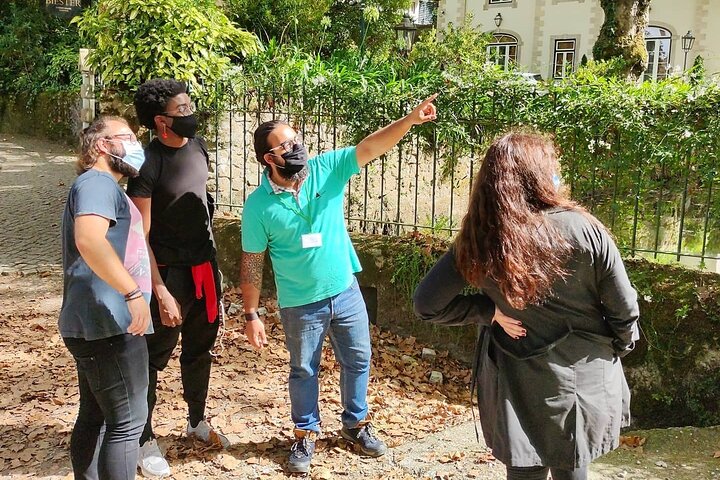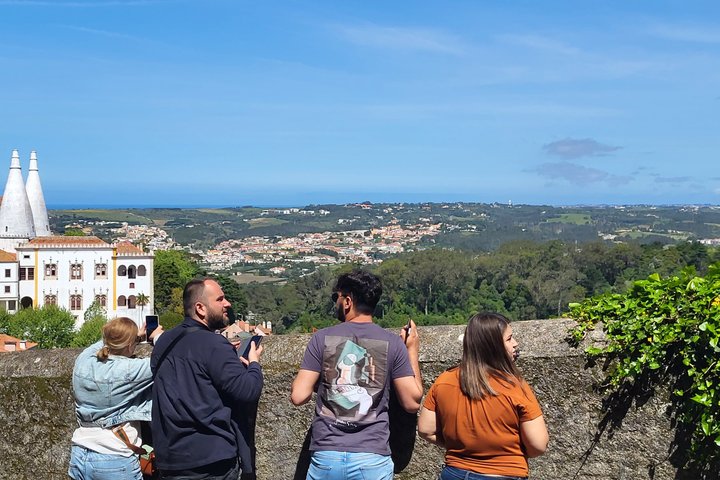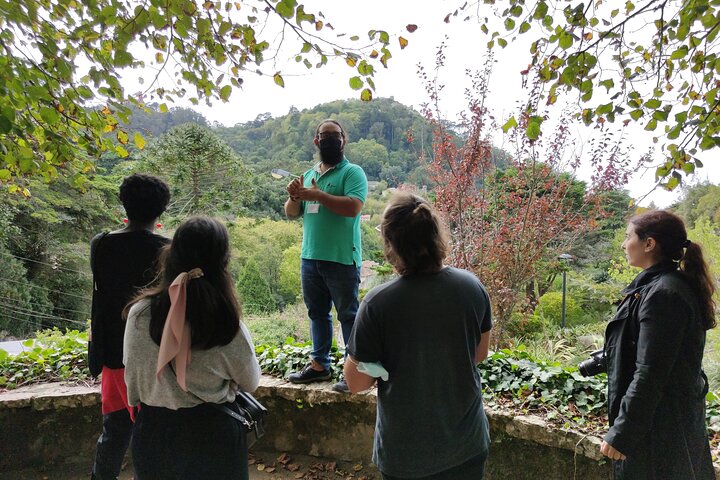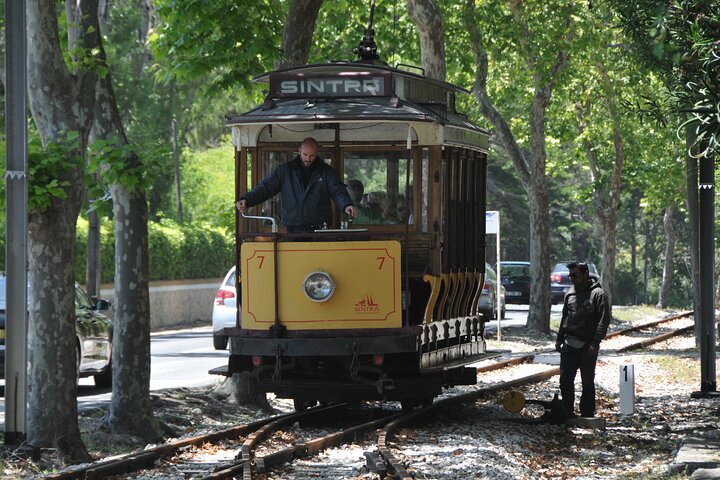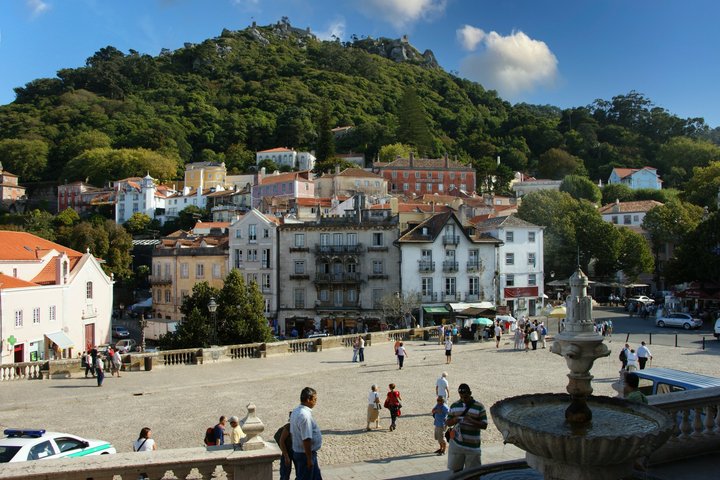
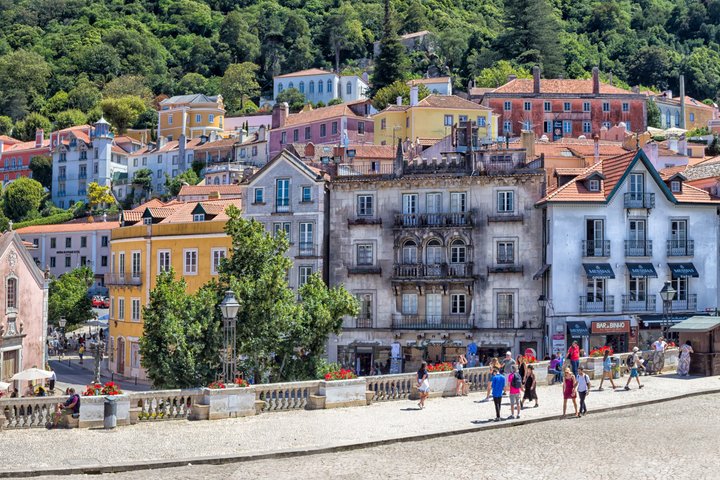
The Town of Sintra is the heart of Sintra. Take some time to visit the old center and try the traditional pastries "Queijada" and "Travesseiro".
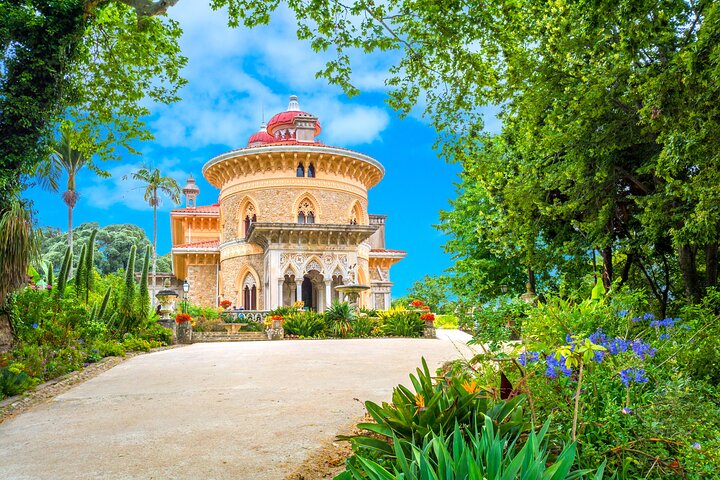
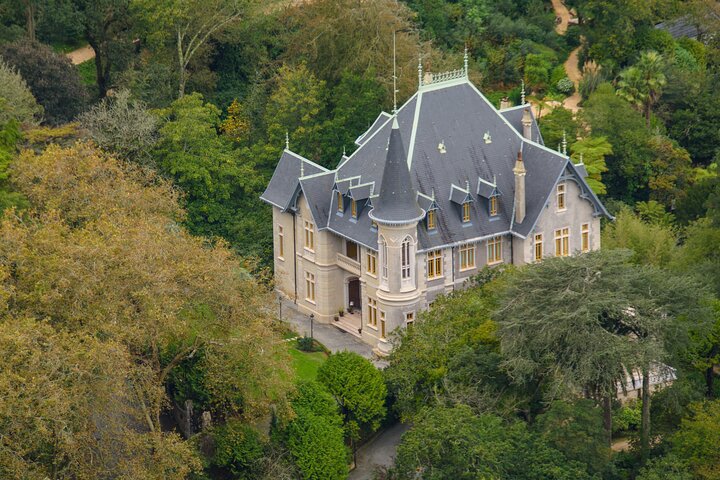
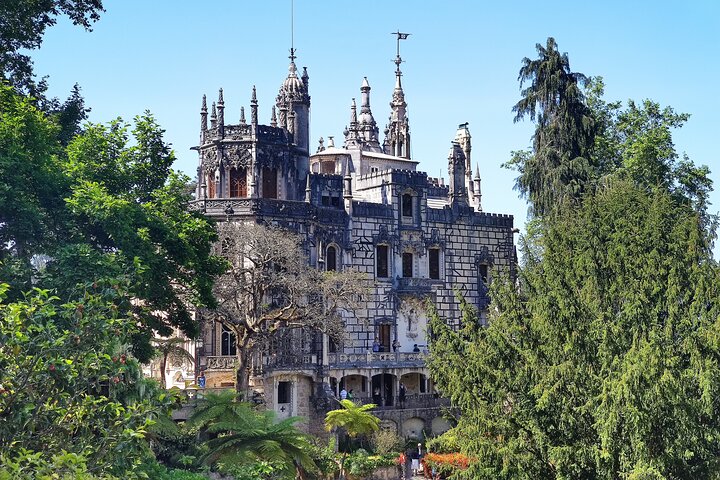
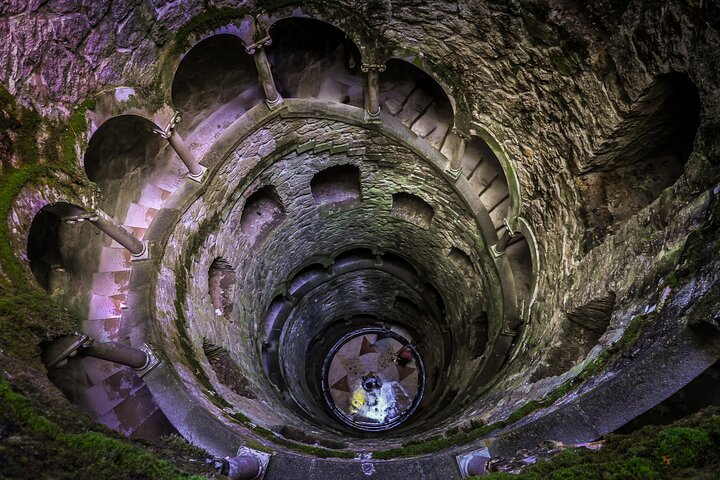
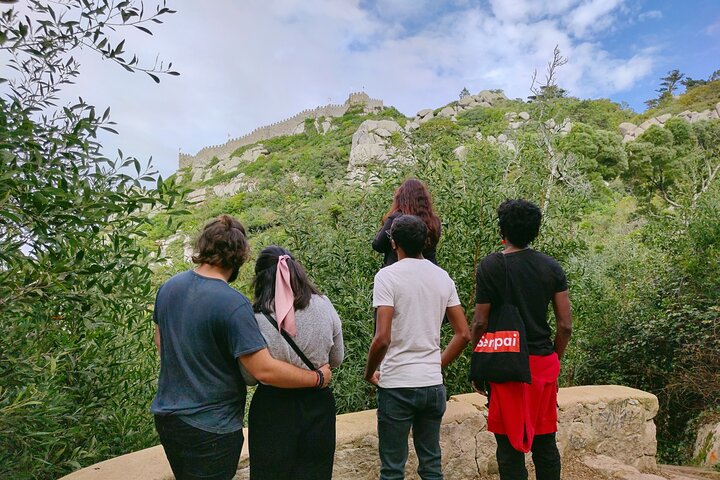
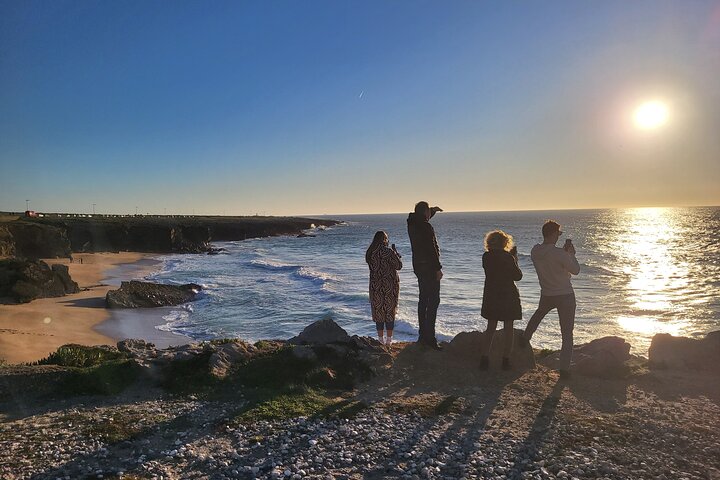
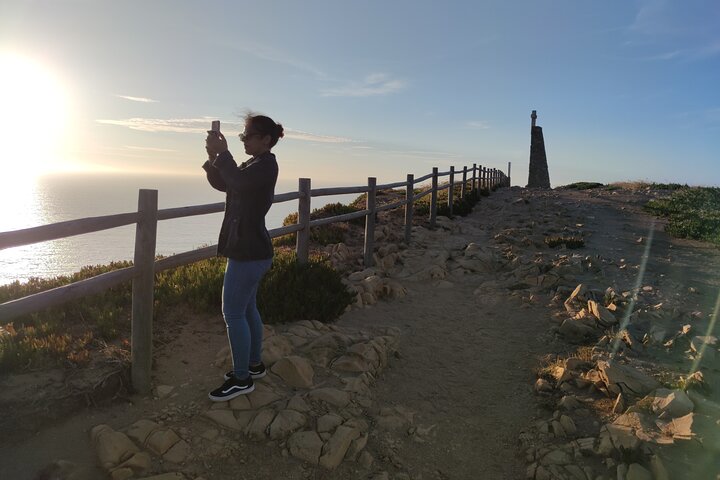
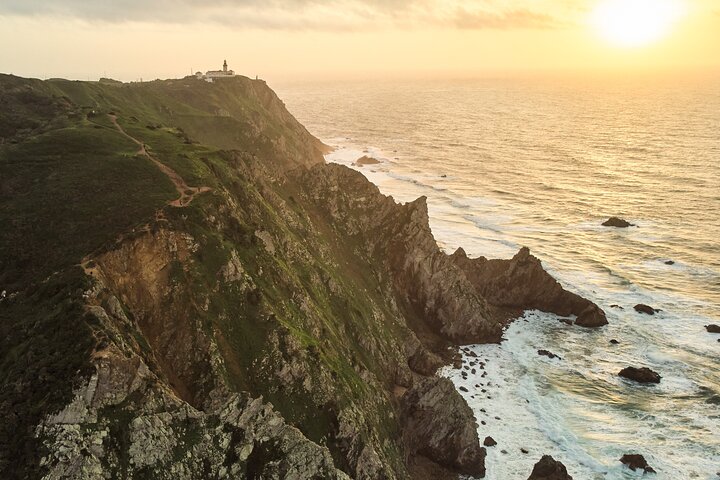
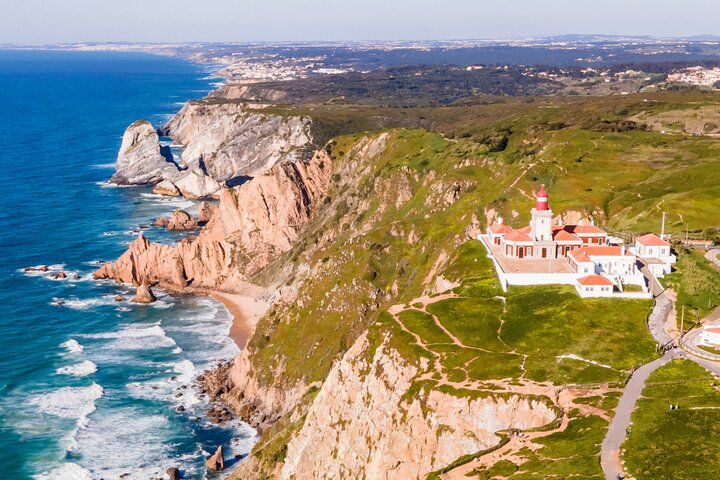
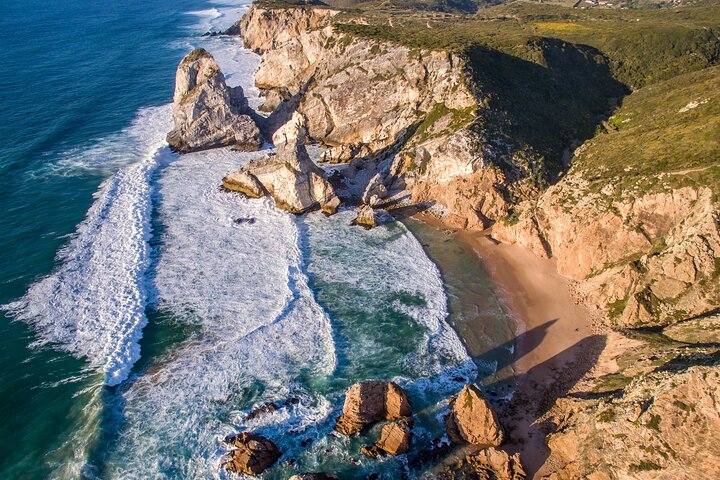
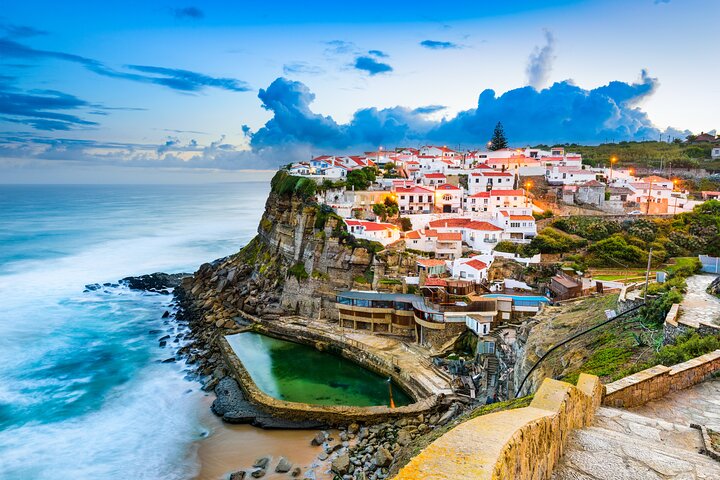
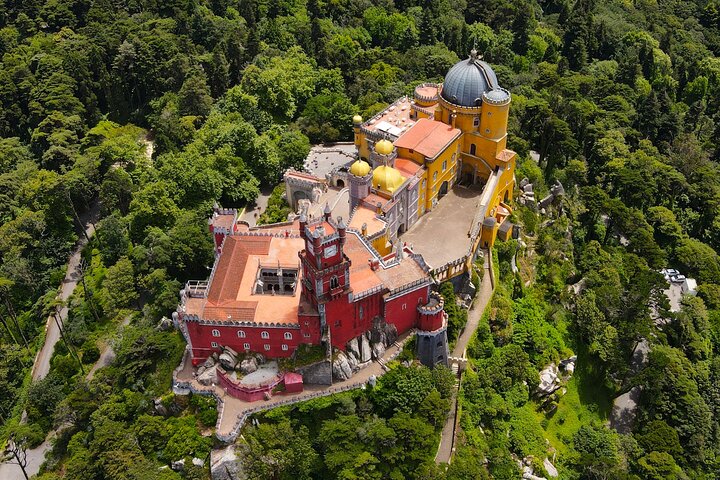
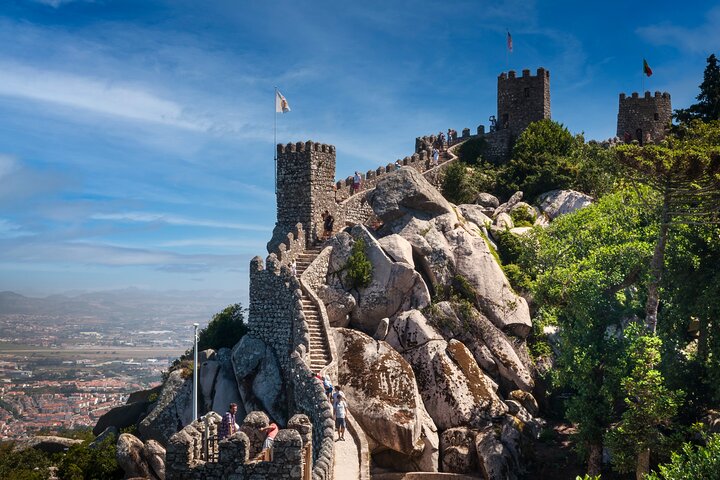
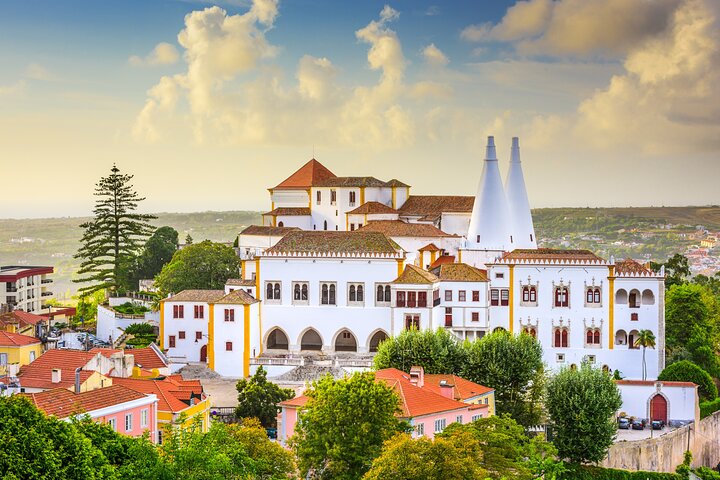
Lunch and snacks not included.Standing in the historical heart of Sintra, this is the best-preserved medieval royal residence in Portugal, being inhabited more or less continuously from at least the early 15th century to the late 19th century.Built by the Moors in the 8th and 9th centuries, it was an important strategic point during the Reconquista, and was taken by Christian forces after the fall of Lisbon in 1147.One of the most well-known attractions in Sintra and perhaps in Portugal. Sitting at the top of the Sintra Hills, it's privileged location represents the monarchy at it's high in Portugal. A magnificient and exuberant Palace stands in the middle of a 33 hectares (82 acres) natural park, considered by UNESCO a World Heritage Site. Visiting is optional but recommended.The second most well-known attraction in Sintra. Incredible property with a mix and mash of different architectural styles and some deep stories involving secret societies, templars and millionars. Home to the most photographed place in Sintra, the Initiation Well.The Seteais Palace is a neoclassical palace operating nowadays as a luxury hotel known as the Tivoli Palácio de Seteais Hotel. It's gardens rival those of famous french palaces and the view from behind it's iconic arch is a must-see.Check out one of the best beaches in the Sintra Region. A settlement built on the cliff's face resembling Santorini is the big selling point.This place is the western-most point of Continental Europe. The views of the rugged landscape, dominated by cliffs and low vegetation are definitely worth of your attention. Behold the place "Where the earth ends and the sea begins"