Nepal · Trekking

16-Day Everest Base Camp Trek with Kalapatthar Sunrise Views

16 Days Round trip from Kathmandu 44600 Easy pace

The journey

Trip highlights
  • 01 Conquer Kalapatthar for breathtaking sunrise views of Mount Everest
  • 02 Visit Tengboche Monastery, the largest monastery in the Everest region
  • 03 Trek to Everest Base Camp through traditional Sherpa settlements
  • 04 Enjoy superb Himalayan mountain views from Syanboche and Dingboche
  • 05 Chance encounters with Himalayan wildlife along the trail

Embark on a 16-day adventure to Everest Base Camp, a journey filled with awe-inspiring moments in the Himalayas. Trek through traditional Sherpa settlements, visit Tengboche Monastery, and take in superb mountain views as you ascend toward the iconic base camp. Stand at Everest Base Camp, then conquer Kalapatthar at sunrise for an even greater view of Everest. Along the way, enjoy chances to encounter Himalayan wildlife and experience one of Nepal's most life-changing treks.

Embark on a 16-day adventure to Everest Base Camp, a journey filled with awe-inspiring moments in the Himalayas.

From the itinerary

At a glance

What this trip includes

Duration 16 Days
Tour type Private
Activity level Easy
Accommodation Included · Standard
Transport Included
Wheelchair access No
Cities Kathmandu, Everest Base Camp-South, Lukla, Dingboche, Namche Bazaar, Tengboche, Phakding, Lobuche, Kala Patthar, Shivapuri Nagarjun National Park, Gorakshep, Pheriche
Languages English

Day by day

The itinerary

1
Day 01

Arrival in Kathmandu

Arrive in Kathmandu and transfer to your hotel. (1,334 m.)

2
Day 02

Kathmandu Valley Sightseeing and Preparation

Enjoy Kathmandu Valley sightseeing and a preparation day before the trek.

3
Day 03

Flight to Lukla and Trek to Phakding

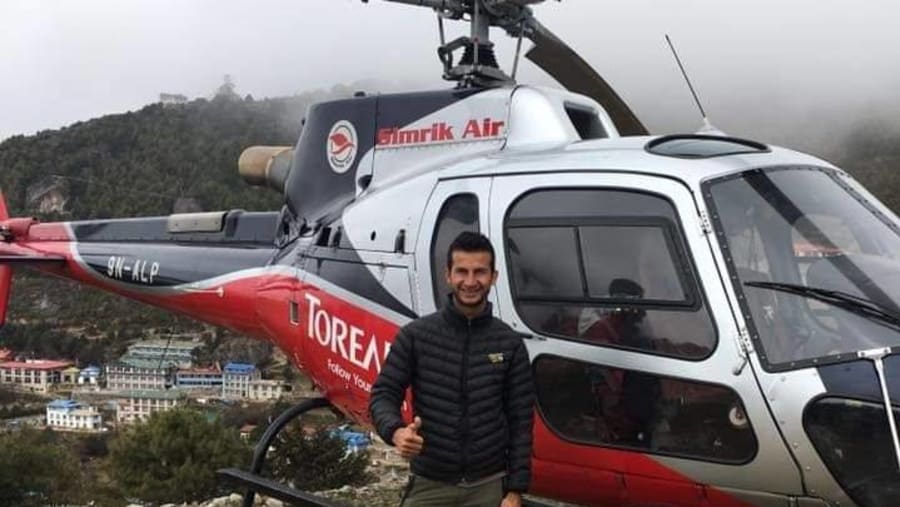
Take an early morning flight to Lukla airstrip (2,840 m.) on a Twin Otter plane. After reaching Lukla, you will meet your porters and the Sherpas, and then the trip will start.

Starting from Lukla, you will end your first day's trek at Phakding. The legendary trekking trail through traditional local Sherpa settlements, with amazing views of the Dudhkoshi River gorge and farming terraces in the backdrop, will accompany you throughout the trail.

4
Day 04

Trek to Namche Bazar

The great adventure to the foothills of the mighty Everest starts from here. Since you will be climbing uphill all the way to 3,440 m, your body may get fatigued sooner.

Due to the low oxygen concentration, your body needs time to adjust to the weather and thin air. To avoid fatigue and give your body time to adapt to the environment, you will walk slowly with plenty of breaks.

5
Day 05

Hike to Syanboche and Explore Namche Bazar

After breakfast, hike to Syanboche - the Everest View Point. The hike takes around ninety minutes to reach the top.

The hill offers 360-degree views of the mountains, including Mount Everest itself. Afterwards, trek down to Namche Bazar for lunch. Post-lunch, you can explore the local bazaar of Namche.

6
Day 06

Trek to Tengboche Monastery

One of the exciting days of the trek, the hike to Tengboche is an easy one. Along the way, you might get a chance to see the Himalayan Monal, the national bird of Nepal.

At Tengboche, you can visit Tengboche Monastery, the largest monastery in the Everest region. In the evening, the fabulous sunset view will amaze you.

7
Day 07

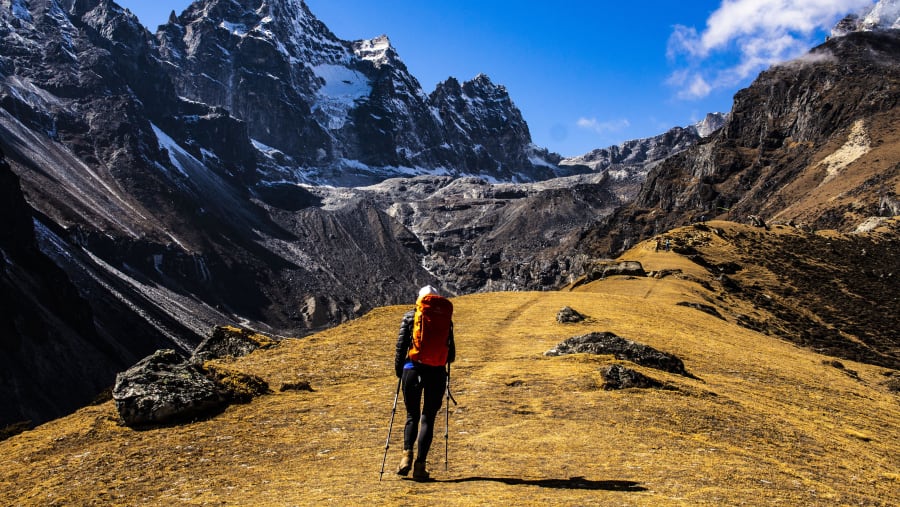
Trek to Dingboche

Witness the mesmerizing sunrise in the Himalayas, then start trekking after breakfast.

En route to Dingboche, you may get the chance to see Himalayan Musk Deer and even Snow Leopard. Superb mountain views will accompany you all the way to Dingboche.

8
Day 08

Hike to Nagarjun Hill and Rest in Dingboche

The hike to Nagarjun is worthwhile and a must-do, as it offers superb mountain views and will certainly be helpful for the next day.

After the hike, return to the lodge for lunch. Post-lunch, you will take a rest.

9
Day 09

Trek to Lobuche via Monument Hill

A relatively shorter trekking day, the trek to Lobuche is gradual and mostly flat, with occasional uphills. Along the way, Monument Hill is one of the notable places.

Your overnight stay will be at a local lodge.

10
Day 10

Trek to Everest Base Camp via Gorakshep

This is the exciting day when the dream meets destiny. Hike through the rocky moraine trail up to Gorakshep, where you will have lunch. Gorakshep is the last teahouse before Everest Base Camp.

The enormous Pumori, Lingtren, Nuptse, and, of course, the mighty Everest surround Gorakshep. Leave your belongings in Gorakshep, then continue to Everest Base Camp with your daypack and camera. Enjoy your moments at Everest Base Camp, then return to Gorakshep for the night.

11
Day 11

Sunrise at Kalapatthar and Trek to Pheriche

Start early in the morning for an epic climb to Kalapatthar for sunrise over Everest. In fact, Kalapatthar offers a greater view of Everest than Everest Base Camp, one that surpasses your wildest imagination.

After sunrise, retrace your steps back to Gorakshep for breakfast. Then continue on the way back to Pheriche for the overnight stay.

12
Day 12

Trek Back to Namche Bazar

Retrace further back to Namche Bazar. The way back to Namche is mostly downhill and easy.

Your overnight stay will be at a local teahouse.

13
Day 13

Trek Back to Phakding

Follow the same trail back to Phakding once again. You will retrace your route through the rhododendron forest and follow the Dudhkoshi River gorge downhill, taking you out of the national park and to Phakding.

14
Day 14

Final Trek Back to Lukla

On the final trekking day, follow the same route back via the Dudh Koshi riverbank.

In the evening, celebrate the successful trek with the crew.

15
Day 15

Fly Back to Kathmandu and Farewell Dinner

Say goodbye to the porters, then fly back to Kathmandu. In Kathmandu, you can do some last-minute shopping.

In the evening, enjoy the farewell dinner with our team.

16
Day 16

Departure from Kathmandu

You will be transferred to Kathmandu International Airport to catch your return flight.

Everest Base Camp, Kalapatthar sunrise, Tengboche Monastery, Namche Bazar

Where this trip takes you

Everest Base Camp, Kalapatthar sunrise, Tengboche Monastery, Namche Bazar

The route
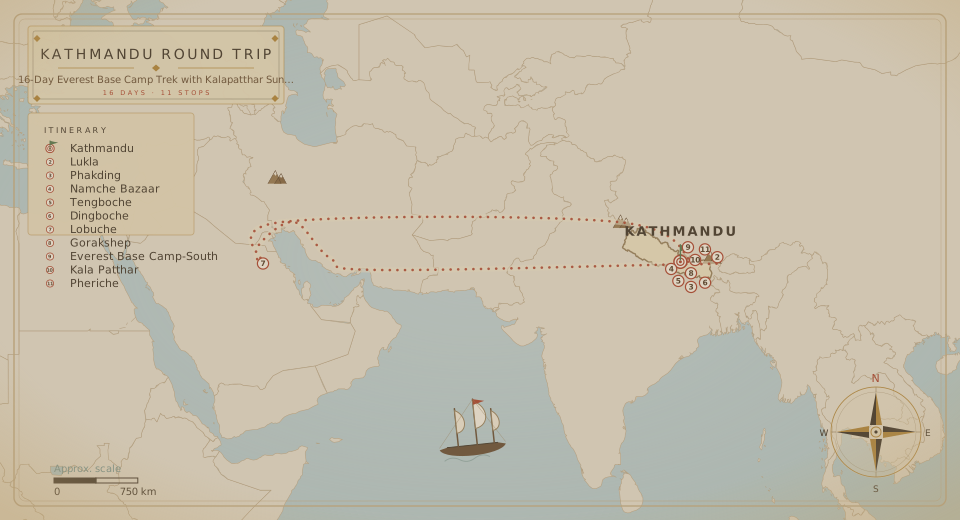
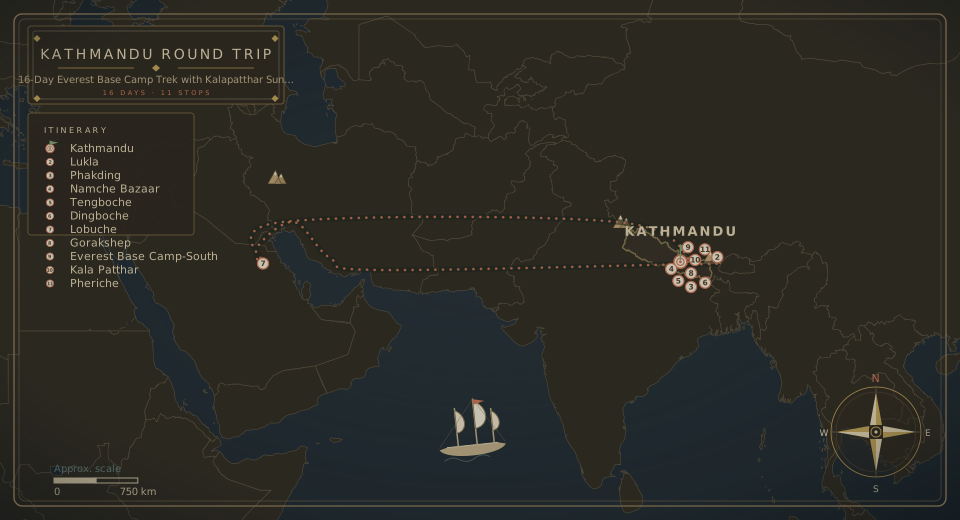
Where you'll travel

Tour route map
Round trip from Kathmandu 44600 12 cities · 16 Days

The fine print

Trip details

What's Included

  • Airport pick-up and drop-off by private vehicle
  • 3 nights' hotel accommodation in Kathmandu at a 3-star category hotel with breakfast on a twin-sharing basis
  • Kathmandu Valley sightseeing (private vehicle and a tour guide)
  • Flights (Kathmandu-Lukla and Lukla-Kathmandu)
  • Sagarmatha National Park fee and Pasang Lhamu Village entrance fees
  • An experienced English-speaking guide and all his expenses, including insurance
  • Porter service (1 porter for 2 trekkers), including all expenses and insurance
  • Full-board meals during the trek with 3 complimentary teas and teahouse accommodation
  • First aid kit
  • All government taxes and service charges

What's Not Included

  • International airfare
  • Travel insurance
  • Nepal visa fees
  • Personal expenses (Wi-Fi, bar bills, laundry, hot shower during the trek, gadget charging fees - US$ 1-US$ 5 per gadget, mobile recharge, etc.)
  • Extra night accommodation in Kathmandu in case of early arrival from the trek due to unforeseen circumstances
  • Extra luggage charges (only 15 kgs - 10 kgs + 5 kgs are included; if more, you need to pay US$ 2 per kilogram)
  • Emergency evacuation (our company will help arrange the evacuation if needed)
  • Tipping
  • Anything not included in the inclusions list

What to bring

  • Clothing:
    • Down jacket: Since it is always cold in the upper regions of the mountains, you need to carry a decent and warm down jacket that can withstand temperatures as low as -10 degrees Celsius.
    • Windproof thin jacket: Trekking in Nepal provides you with an opportunity to experience climatic variations from tropical to alpine within a short period of time. While trekking on the lower part of the trail, you might need a solid windproof jacket to protect you from the wind.
    • Trekking/hiking boots: Since you will be walking for days in the harsh terrain of the country, you will need a decent pair of trekking boots. Lightweight, flexible, ankle-supporting boots with good grip are recommended, especially in the upper hills and Himalayan region. The boots must be flexible and breathable to prevent blisters.
    • Inner thermal wear: When trekking in the upper Himalayan region of Nepal, the weather is cold, and you may need to wear a good pair of thermal innerwear to keep you warm.
    • Socks: You need a variety of socks with different thicknesses depending on the region you are walking in.
    • Trekking pants: Lightweight and comfortable trekking pants are preferred.
    • Trousers: There may be some places where wearing only trekking pants feels cold, and wearing inner thermal wear with trekking pants feels hot. In those conditions, you may need comfortable and breathable trousers for the rest of your day's trek.
    • T-shirts and shorts (long-sleeved and short-sleeved): Except in winter, you can trek up to an altitude of 3,700 meters with a normal T-shirt and shorts. The choice between long-sleeved or short-sleeved depends on your comfort.
    • Muffler, scarfs, or balaclava: You will need mufflers, scarfs, or balaclavas in the upper Himalayan region to protect you from the cold, dry wind.
    • Normal golf caps and woolen hats: During the trek, from the lower hill region to the lower mountain region, you may need a golf cap to protect you from scorching sun rays. In regions above that, you will need a woolen cap or hat to cover your ears and head from the cold.
    • Thin gloves with grip and woolen windproof mittens: Thin gloves are useful in lower altitude regions to protect exposed parts of your hands from direct sunlight and prevent sunburn. They also help prevent blisters while using trekking poles. As you go higher, thin gloves will not protect you from the cold, so you will need a good pair of windproof woolen gloves or mittens.
    • Underwear: Carrying multiple pieces of underwear is recommended for hygiene, as you might not have the opportunity to wash them daily.
    • Sports bras
  • Trekking Gear/Equipment:
    • Gaiters: Gaiters are useful for covering your boots, especially if you are traveling in the winter season when snow is common. They will also save you from constantly stopping to clear mud and stones from your boots.
    • Raincoats/cover plastics: When trekking in the monsoon season, you will need a good pair of raincoats and/or plastic covers that can protect your body and backpack.
    • Backpack: Depending on how much you want to carry, you will need a good backpack that will not wear out or tear too soon. If you are using a porter to carry your belongings, a small backpack of around 20 liters that can accommodate a water bottle, photography equipment, some snacks, light clothes, and a bit of extra space is enough. Without porters, you will need a minimum 50-70 liter backpack to carry all your essentials.
    • Sleeping bags: While most teahouses on trekking trails provide a good bed, you may not feel comfortable relying on them completely. It is better to carry your own sleeping bag for added comfort.
    • Trekking poles: Trekking poles ease your trek considerably, especially when going steep downhill or uphill and when walking on loose gravel and sand. They help lower the pressure on your feet and back.
    • Head torch: A long-lasting head torch is essential for safety when walking in the dark, especially if you plan to watch a sunrise from the mountain regions.
    • UV protection sunglasses: Bright sunrays in the upper Himalayan regions can cause temporary blindness. Using colorful UV protection sunglasses is recommended.
    • Crampons: While not always needed, crampons can be useful, especially when trekking in snowy and icy areas.
    • Camera, extra battery, extra memory card, and a small folding tripod.
    • Mobile phone, mobile charger, and power banks.
    • Water bottles.
    • High-energy protein snacks like dark chocolates to eat while resting.
    • Tents (for those who want to stay in camps instead of local lodges).
    • Sleeping mat (useful when sleeping in camps).
  • Toiletries:
    • Toilet paper rolls.
    • Toothbrush and toothpaste.
    • Soap.
    • Quick-dry hand towel and body towel.
  • Medical Supplements:
    • Altitude sickness medicines: Acetazolamide or Diamox is used to prevent and reduce the symptoms of altitude sickness.
    • Sunscreen lotion with 50+ SPF value.
    • Lip guard/moisturizers.
    • Pain relief sprays.
    • Painkiller tablets (e.g., paracetamol).
    • Hand sanitizer.
    • Antibacterial powder.
    • Insect repellent cream.
  • This list will help ensure you are well-prepared for your trekking adventure in Nepal.

Logistics

Meeting & route

Meeting point
Kathmandu 44600, Nepal
Tour start
Kathmandu 44600, Nepal
Tour ends at the same location as the start point.
End of the journey

Your 16 days finish where they began, in Kathmandu 44600.

Watch the tourHQ film Watch the film

Create your own adventure

Can't find the perfect tour? Tailor your dream trip.

  • Tell us your destination, dates and group size.
  • Our travel experts and local guides design a tailored itinerary, just for you.
  • Enjoy your trip with peace of mind, knowing everything is taken care of.
Plan my holiday

Say goodbye to travel stress.

Starting from

USD 1,499 /person
Book This Tour

When

Travellers

Total