
Day 01
Konjic, Jablanica, Mostar, Blagaj, Počitelj and Kravica
- Connect with your tour representative to begin the itinerary with a drive to Konjic, a town and municipality in northern Herzegovina, around 60 kilometres (37 mi) southwest of Sarajevo. It is a mountainous, heavily wooded area at 268 m (879 ft) above sea level, and the municipality extends on both sides of the Neretva River. The town is one of the oldest permanent settlements in Bosnia and Herzegovina, dating back almost 4,000 years, while the city in its current form arose as an important town in the late 14th century.
- Visit Konjička Stara Ćuprija (Old Bridge). It was built between 1682 and 1683 by Ali-aga Hasečić, as shown by a stone plaque at the centre of the bridge. Built over six slightly pointed stone arches, it is the best-preserved Ottoman bridge in Bosnia and Herzegovina. The retreating German army destroyed the arches in March 1945, and the bridge was rebuilt in its original state between 2003 and 2009. Today, it is proclaimed a National Monument of Bosnia and Herzegovina.
- Then head to the Museum of the Battle for the Wounded. The Memorial Complex of the Battle on the Neretva in Jablanica includes the transfer to and visit of the city of Jablanica and is dedicated to the Battle on the Neretva. To mark this event with dignity and integrity, the Memorial Complex was opened on 12 November 1978 on the 35th anniversary of the battle. The complex included the Monument on Makljen near Prozor. The complex in Jablanica was built at the place where the crucial moment of the operation took place - the fateful passage across the Neretva River and the rescue of the wounded and sick - while the Monument on Makljen was built at the site where partisans fought decisive battles to protect the central hospital. In 2009, the Commission to Preserve National Monuments of BiH designated the historic site, the memorial complex of the Battle on the Neretva in Jablanica, as a National Monument of Bosnia and Herzegovina.
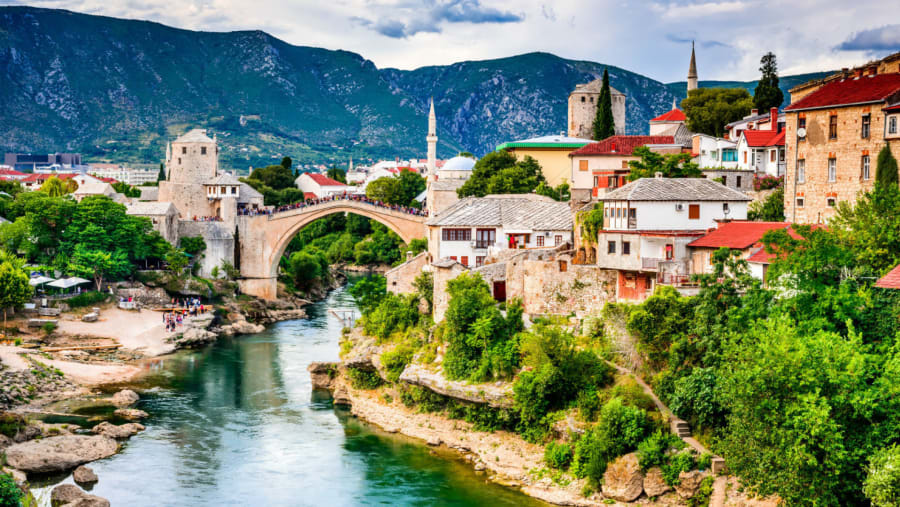
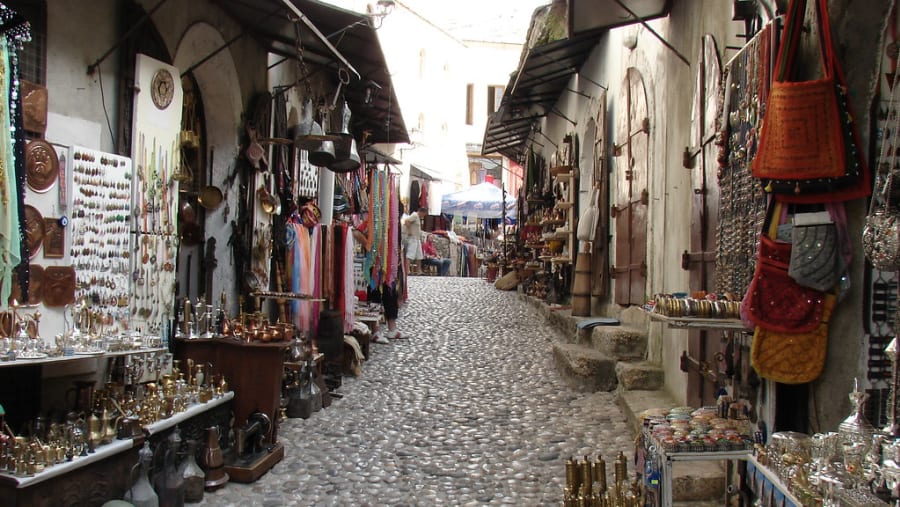
- Next, upon arrival in Mostar, enjoy a walking tour through the city. Take the chance to introduce yourself to this Herzegovinian medieval beauty and its significant architecture. The perfect mix of Ottoman and Austro-Hungarian architecture will keep your constant focus. Walk through the bazaar and visit the majestical Old Bridge, where guests will have a chance to hear one of the most interesting stories. A visit to one of the most beautiful museums in Mostar is the next stop on this Herzegovinian tour, where you will have a chance to become more acquainted with the Mostar Old Bridge, domestic culture, and traditions through the exhibitions the museum provides.
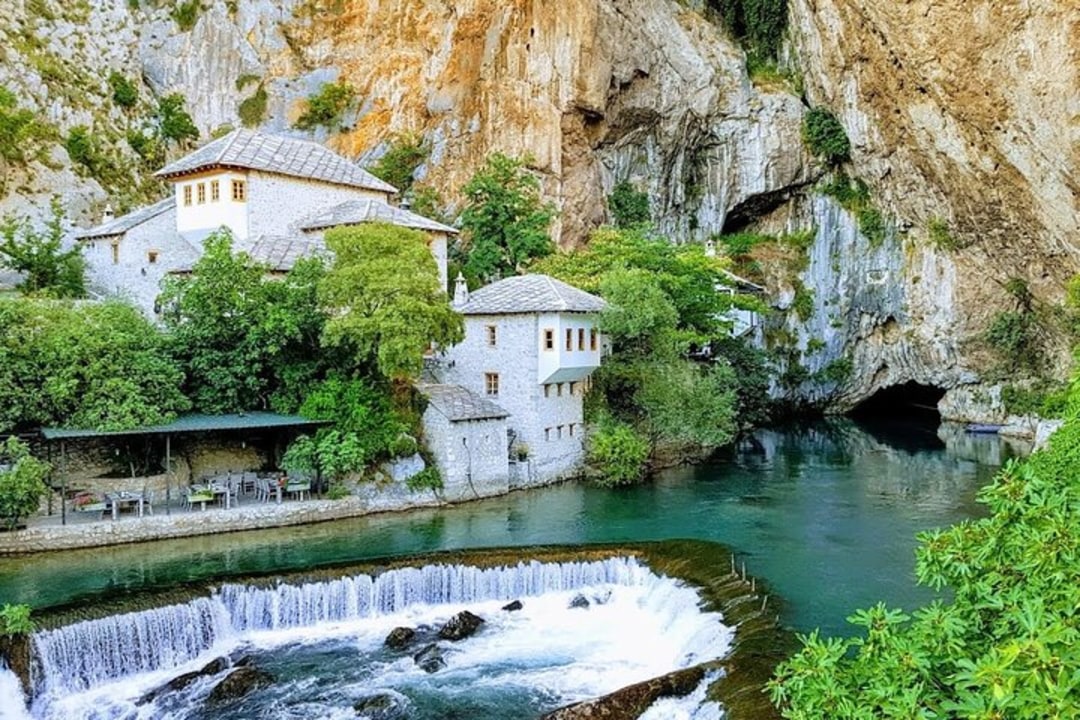
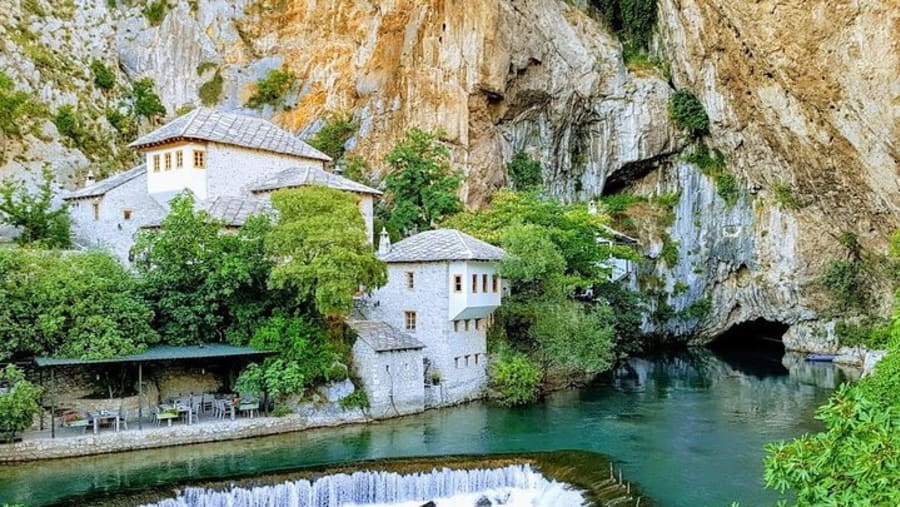
- Continue to Buna, a short river in Bosnia and Herzegovina and a left-bank tributary of the Neretva. Its source, Vrelo Bune, is a strong karstic spring near the village of Blagaj, southeast of Mostar. It is best known for the famous Buna spring, one of the strongest springs in Europe, with extremely cold water. The Buna flows west for approximately 9 km, starting at Blagaj and meandering through the villages of Blagaj, Kosor, Malo Polje, and Hodbina before joining the Neretva at the settlement of Buna. The Bunica River is the main left-bank tributary of the Buna.
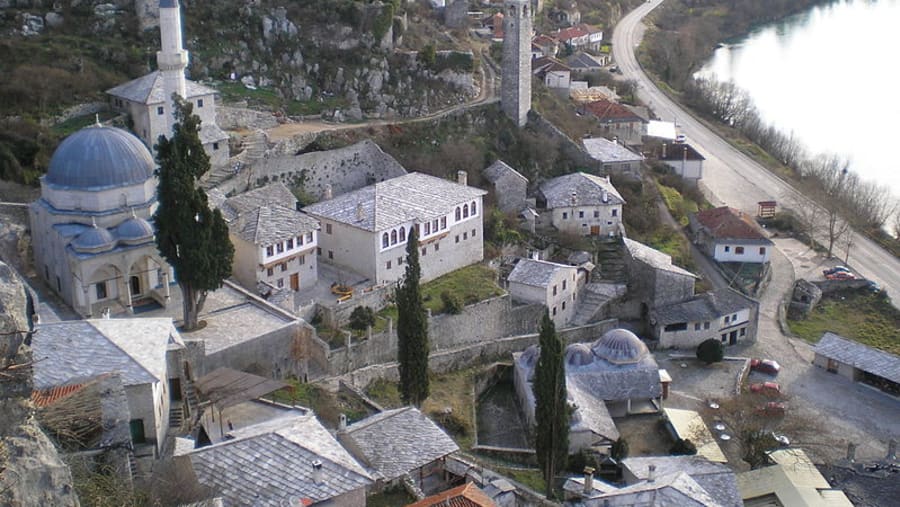
- Explore Počitelj, a historic village and open-air museum in Bosnia and Herzegovina. It is located in the municipality of Čapljina, in the Herzegovina-Neretva Canton of the Federation of Bosnia and Herzegovina. The historic village lies on the left bank of the Neretva River, on the main Mostar-Metković road. It is about 30 kilometres (19 mi) south of Mostar and about 3 kilometres (1.9 mi) from the centre of Čapljina. Your tour guide will take you to one of the most beautiful landscapes you have ever seen, where you will have a chance to hear the story of the jewel in the crown of the Bosnian Kingdom.
- After travelling around Počitelj, drive to Kravica Waterfall, a large tufa cascade on the Trebižat River in the karstic heartland of Herzegovina. It is 10 kilometres (6 mi) south of Ljubuški and 40 kilometres (25 mi) south of Mostar. Its height is about 25 metres (80 ft), and the radius of the lake at the base of the waterfall is 120 metres (390 ft). Kravica is a popular swimming and picnic area during the summer.
- Afterwards, learn about the history of Nuić Vineyard, which began in 2004 when the extremely beautiful Orlovac location was cultivated. Valuable hands surrendered to the rugged red soil, and more than 30,000 vines were planted on an area of 7 ha. In addition to the autochthonous Herzegovinian varieties Žilavka and Blatina, there are also Ben and Krkošija, as well as Trnjak, Cabernet Sauvignon, Alicante Bouschet, and Plavac Mali. The location is in a lowland surrounded by fairytale hills, through which the bora from Velež passes and dries the stone from the morning dew, reducing the need for pesticides. Before cultivation, the site was a rocky plateau covered with typical Herzegovinian vegetation, including pomegranate, thorn, heather, sage, immortelle, and spruce.
Tour ends.