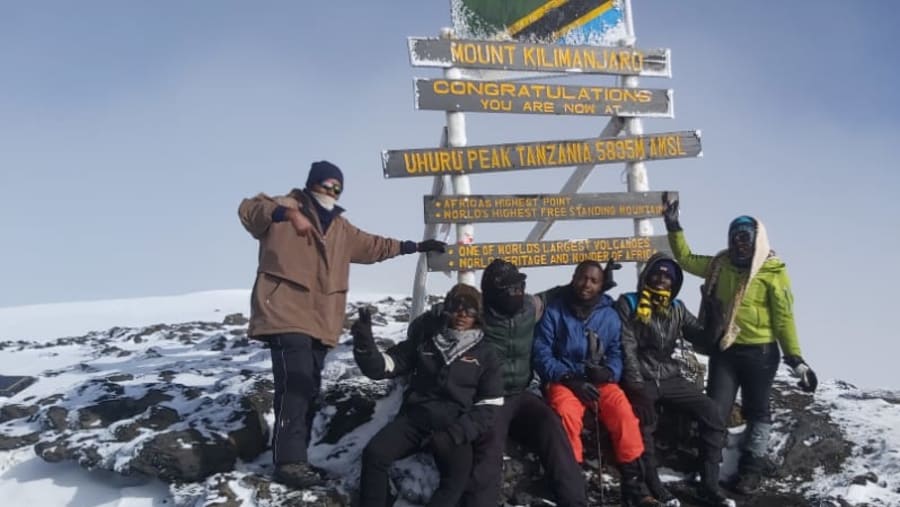
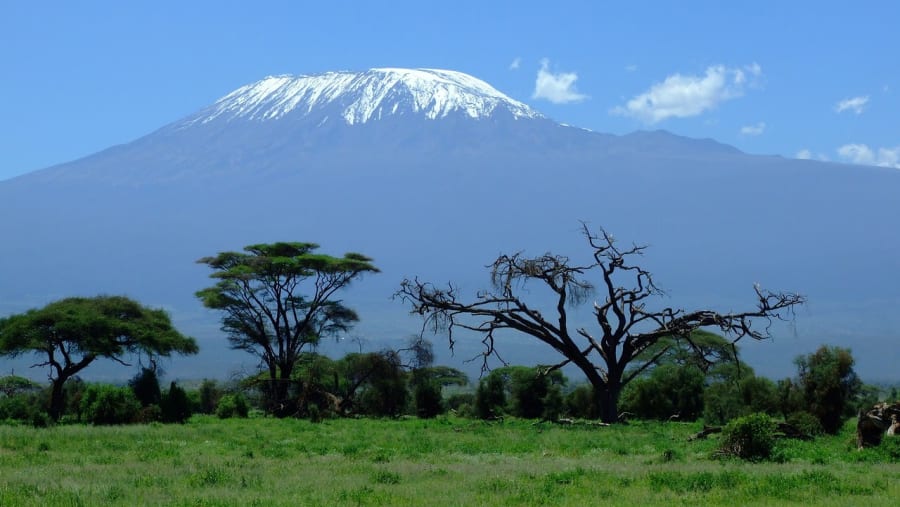
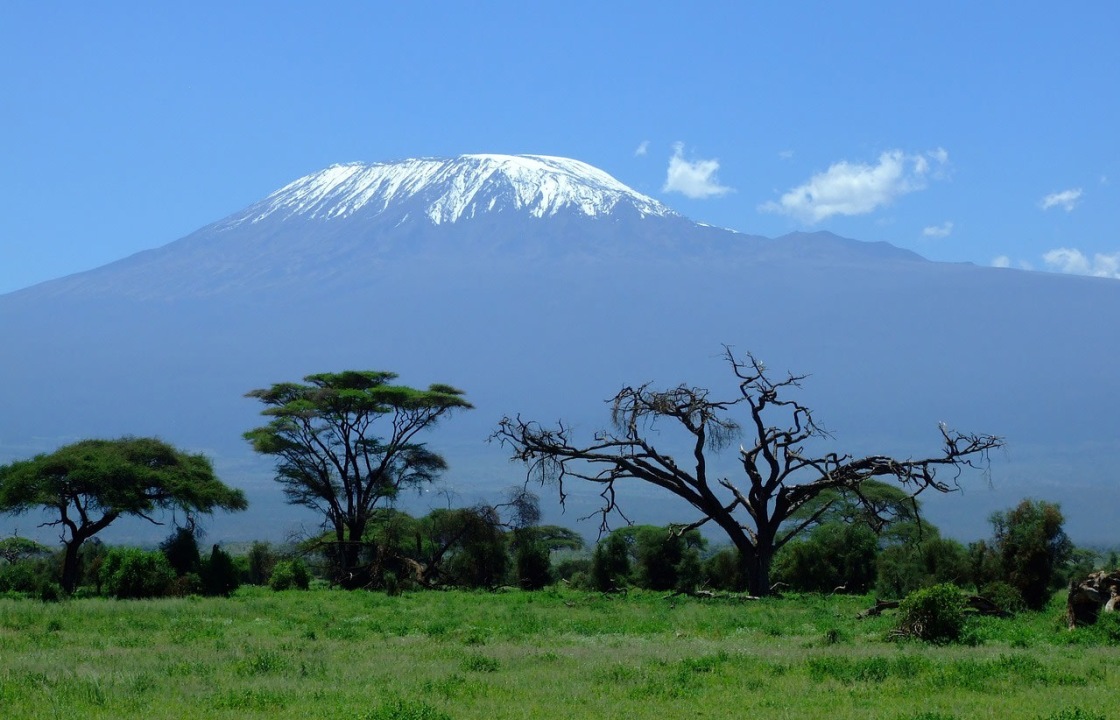
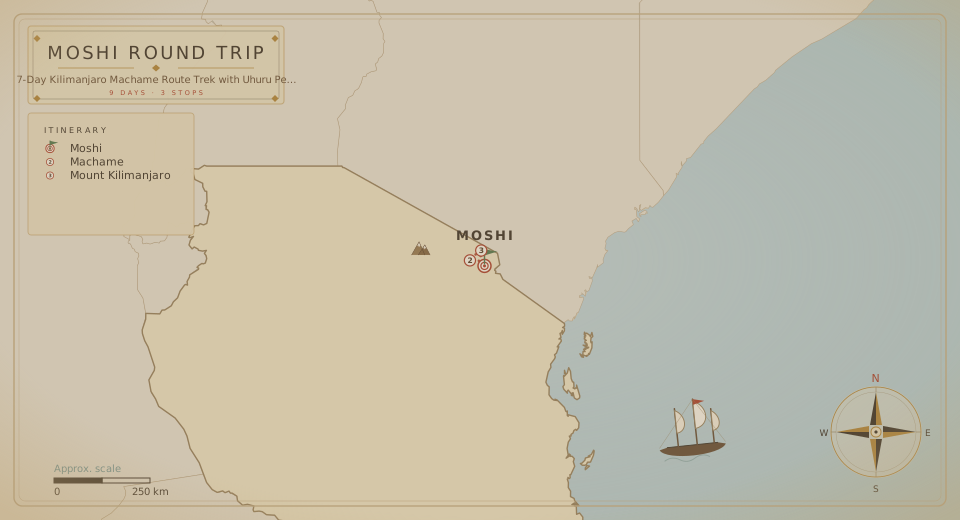
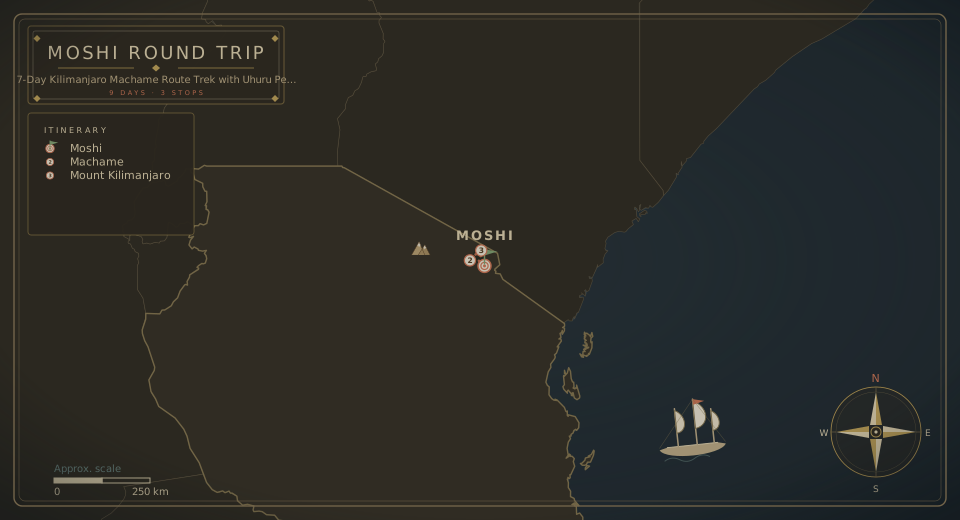
Known as the "Whiskey" route, the Machame route is now the most popular route on the mountain. Compared with Marangu, the days on Machame are longer and the walks are steeper. The Machame route is considered difficult and is better suited for more adventurous travellers and those with some hiking or backpacking experience. The route begins from the south, then heads east, traversing underneath Kilimanjaro's southern ice field before the summit. The minimum number of days required for this route is six days, although seven days is recommended. The Machame route is scenically beautiful and varied. However, due to the heavy crowds, it loses some of its splendor.
Kilimanjaro Health & Safety
Physical preparation for Kilimanjaro:
- Once you have made the decision to climb Kilimanjaro, there are some things that you can do beforehand to help ensure you have a safe and successful climb.
- Train at altitude, or at least test your abilities at altitude. The very best way to prepare for climbing to high altitude is to climb to high altitude. Although this is difficult for most people, remember that the higher the altitude and the longer the hikes, the better. Whether it is hiking 2,000 feet to the top of a local hill or climbing larger mountains further afield, simply being out hiking uphill is best. This also allows you to get used to your backpack and boots.
- Talk to your doctor or physician about the state of your health. Perhaps do a health check, and if you are over the age of 60, ensure you get full support and approval from your doctor or specialist.
- Fully disclose any past or present health issues with us, as well as any allergies or current medications.
- Train your body. Running and biking are also very good and at least take you outdoors so you can test your equipment. Stair masters and climbing machines at the gym will work if outdoor hiking is not an option. Try not to do short, hard bursts of exercise, but long, sustained workouts instead. An adequate training regime is to maintain 80% of your max heart rate (220 minus your age) for an hour, three to four days a week.
- Train your mind. Remember, high-altitude mountain climbing requires acclimatisation, and a strong mind is as important as a strong body.
Kilimanjaro Weather Conditions
Due to its proximity to the equator, Tanzania does not experience summer and winter, but wet and dry seasons, so you can climb Kilimanjaro at any time of the year. The long rains occur from March to May, and we recommend you avoid these months if possible. The short rains fall throughout November and December, but it is still pleasant to climb during these months if you have sufficient wet-weather gear. The benefit of climbing during the wet seasons is that the mountain is much less crowded.
June and July are popular months to climb Kilimanjaro with clear blue skies, although it is colder than August to October, when the weather is mild. January is perhaps the warmest month to summit Mount Kilimanjaro, which is why many choose to climb on New Year's Eve, although you can expect to see more crowds at this time of year. Whichever month you choose, you can expect a mix of warm tropical daytime temperatures and below-zero temperatures at night, so packing the right clothing is key to a comfortable climb.
Training for Kilimanjaro
Climbing Kilimanjaro does not require any specialist mountain equipment or training, but if you are to get the most from your experience, you should physically train for your expedition. If possible, we recommend you start training at least 12 weeks before you depart for Tanzania. The best training for Kilimanjaro is trekking, hill walking, or simulated climbing using a step machine. You should walk as often as possible in the hiking boots that you will be wearing during your Kilimanjaro expedition to break them in and to get used to carrying extra weight; wear a day-pack with 3 litres of water for added resistance. Additionally, running, cycling, and swimming are good forms of exercise to build muscle strength and improve fitness levels, but as with all training programs, please consult your doctor first.
Kilimanjaro Food & Menu
Good food is essential to the success of your Kilimanjaro expedition, and so this is one area we never compromise on at Kilimanjaro Company. Your crew will carry, cook, and prepare your meals on the mountain using fresh local produce. Vegetarian and vegan options are available upon request, and we can cater to all dietary requirements, although advanced booking is essential. On a typical day, you can expect a hot breakfast, a picnic lunch or warm lunch served in the mess tent, and a hot meal each evening. Your crew will provide tea, coffee, hot chocolate, and water at mealtimes, and they will ensure that you have sufficient water to refill your bottles each day. From day 2, your crew will collect and boil water from natural streams on the mountain. While it is considered safe to drink, we strongly recommend that you use water purification tablets to avoid getting an upset stomach.
Here is a sample daily menu on Kilimanjaro:
- Breakfast: Fresh fruit, toast, eggs (fried, scrambled, omelette), muesli or porridge, bacon or sausage
- Lunch: Filled roll, piece of chicken, boiled eggs, fruit
Your Safety During Kilimanjaro Trekking with Us:
This is a very important question to ask yourself before you choose an operator for your Kilimanjaro trek. Of course, it is very safe to climb Kilimanjaro if you are in the hands of a safe operator. A successful summit is number two. This is because altitude sickness can strike anyone at any time, regardless of fitness level or previous experience at altitude. Therefore, all our guides are well trained to handle any emergency that might happen during the climb. Here is what our guide can do in case of any emergency concerning your health during Kilimanjaro climbing.
- Our guide is highly professional and experienced and can easily detect, prevent, and treat altitude sickness.
- Our guide conducts health check-ups twice daily using a pulse ox meter to monitor your pulse rate and oxygen saturation.
- Our guides carry a first-aid kit at all times to make sure everything that might be needed in any emergency is available.
- Our guide is certified by WFR (Wilderness First Responder), therefore well equipped with the instruments needed for any emergency.
- Our guide carries oxygen cylinder(s) on all climbs, and these are distributed according to the group size.
- Our guide will have a two-way radio for communicating in any emergency and, in the most extreme cases, calling for helicopter evacuation.
- Portable flush toilet is available for groups of 4. If you are fewer than 4, you will pay an extra 95$.