
Day 01
Citadel, Bibliotheca Alexandrina and Alexandria Landmarks
- Move to the square-shaped Citadel of Qaitbay, a castle covering an area of about 150 meters and surrounded by the Mediterranean Sea on every side. The first floor contains a mosque and defence halls that allowed soldiers to move quickly and defend the walls during wars. The second floor contains chambers and halls, while the third floor features a vast throne chamber where Sultan Qaitbay watched sailing ships approaching the shores of Alexandria. It also has an oven used for baking wheat bread for the soldiers living in the citadel.
- See the site of the Lighthouse of Alexandria, which was later replaced by the citadel. The lighthouse was almost 150 meters high and was dedicated to Poseidon, the Greek god of the sea, and decorated with marble statues. It was considered one of the Seven Wonders of the Ancient World and was mainly designed to guide mariners and sailors. Unfortunately, it was destroyed by an earthquake in 1477, after which Sultan Qaitbay built his military castle on the ruins of the old lighthouse. Some say the citadel was built using the remaining stones of the ruined lighthouse.
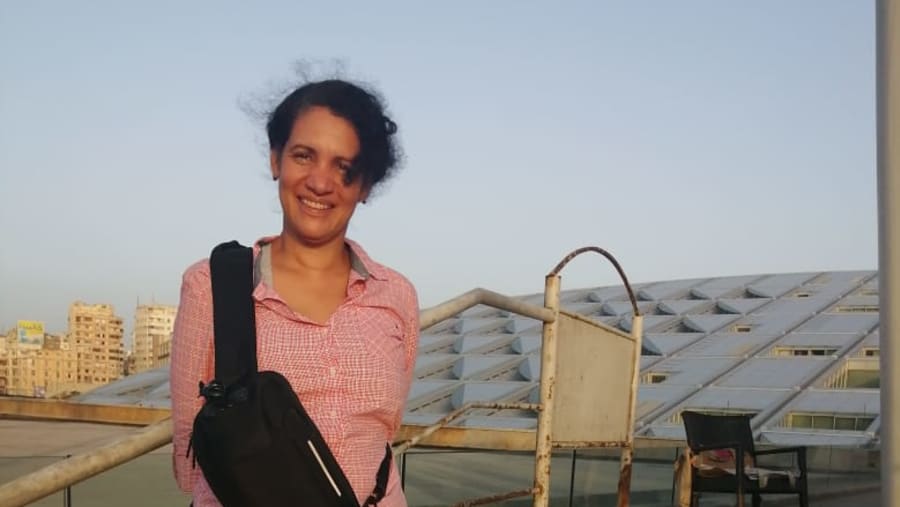
- Then move to Bibliotheca Alexandrina, the Alexandria library, which preserved knowledge for over 600 years until it was burned in the third century. At one point, it also had a religious purpose and was mainly designed as a temple that held many rare manuscripts. The new Library of Alexandria was inaugurated in 2002 at a cost of about 200 million dollars and was designed by a Norwegian architect.
- Continue to the Alexandria National Museum, which contains around 1,800 artifacts that narrate the story of Alexandria and Egypt. Most of these pieces came from other Egyptian museums, and the museum mainly focuses on three collections spread over three floors.
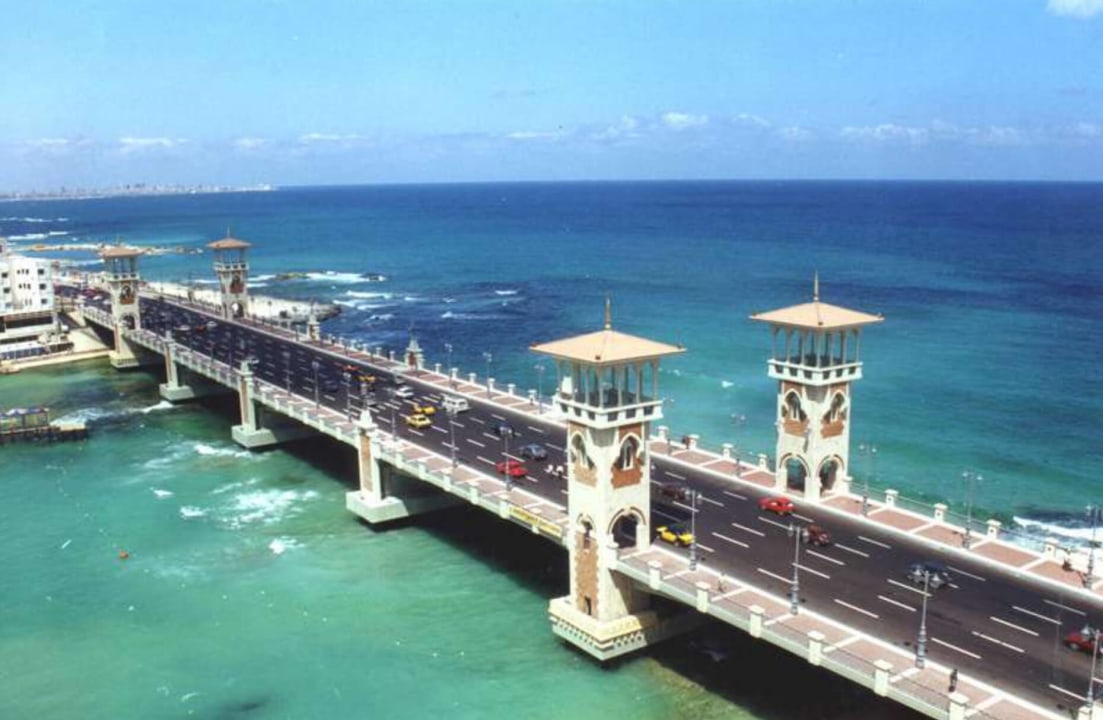
- Visit Stanley Bridge, a bridge built to improve traffic flow on the Alexandria Corniche.
- See the Monument to the Unknown Marine Soldier in the Mansheya area of Alexandria. It was built by the Italian community in Alexandria in 1933 AD to honour Khedive Ismail, and a statue of him was placed at the top of the monument. It was later turned into the Monument of the Unknown Soldier in 1965 AD, and the statue of Khedive Ismail was removed.
- Back to the hotel.