

Day 01
Alexandria Catacombs, Roman Theatre and National Museum
- A tour representative will pick you up from your hotel in Alexandria to begin one of our Alexandria tours.
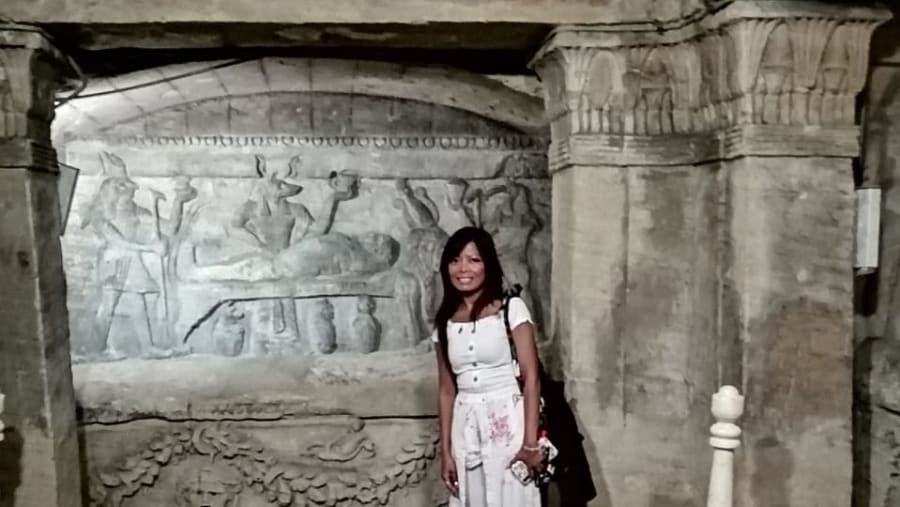
- Transfer to discover the Catacombs of Kom El Shoqafa, also known as the Hill of Treasure, regarded as a huge necropolis and royal cemetery dating back to the second century A.D. The necropolis has a unique mixture of Roman, Hellenistic, and pharaonic art elements reflected in the wall paintings and in the style of the statues, funeral objects, and tombs. This archaeological site was considered one of the seven wonders of the Middle Ages.
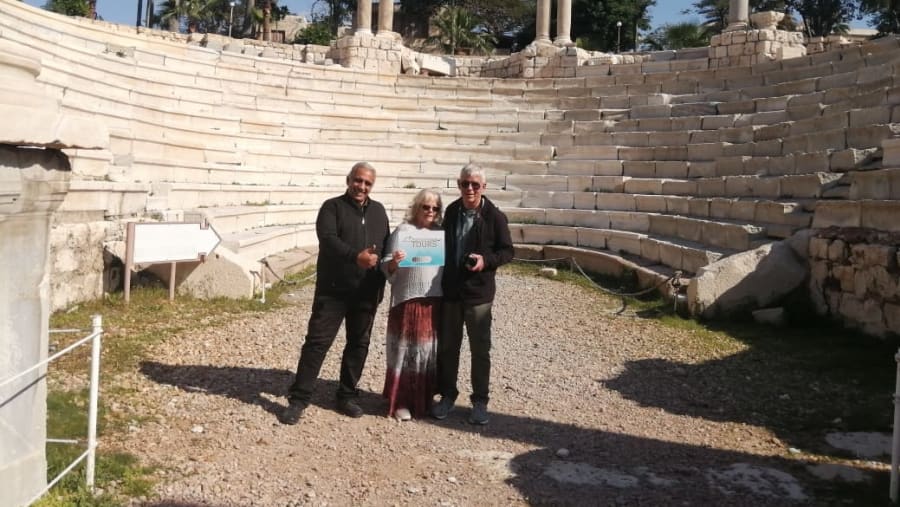
- Then move to the Roman theatre. What we see today in Alexandria is a typical form of Roman theatre, consisting of an audience section made of marble, granite columns, five compartments, and thick limestone walls. The theatre used to host huge ceremonies and events, with a capacity of 600 spectators. The audience section consisted of 13 rows made of white marble, and the supporting columns were made of granite exported from Aswan, in southern Egypt. The five compartments at the top of the audience section were probably used to host royals or public figures during performances and were covered by dome-shaped ceilings supported by granite columns to protect the audience from the sun and rain. In the 6th century A.D., an earthquake hit Alexandria and destroyed most of these structures, leaving only some ruins that still stand today and reflect the Romans' beautiful architectural skills.
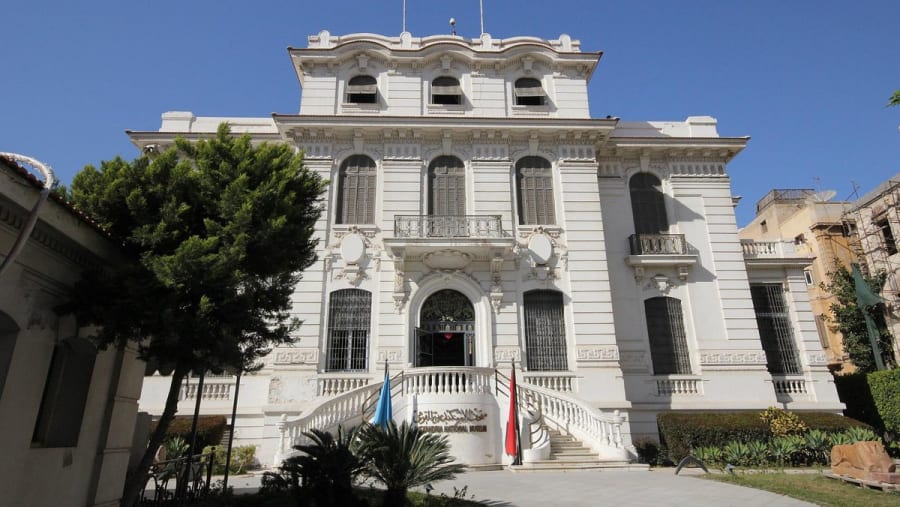
- Then move to the Alexandria National Museum, which contains around 1,800 artifacts narrating the story of Alexandria and Egypt. Most of these pieces came from other Egyptian museums, and the museum mainly focuses on three collections spread over three floors.
- Visit Stanley Bridge, which was built to improve traffic flow on the Alexandria Corniche.
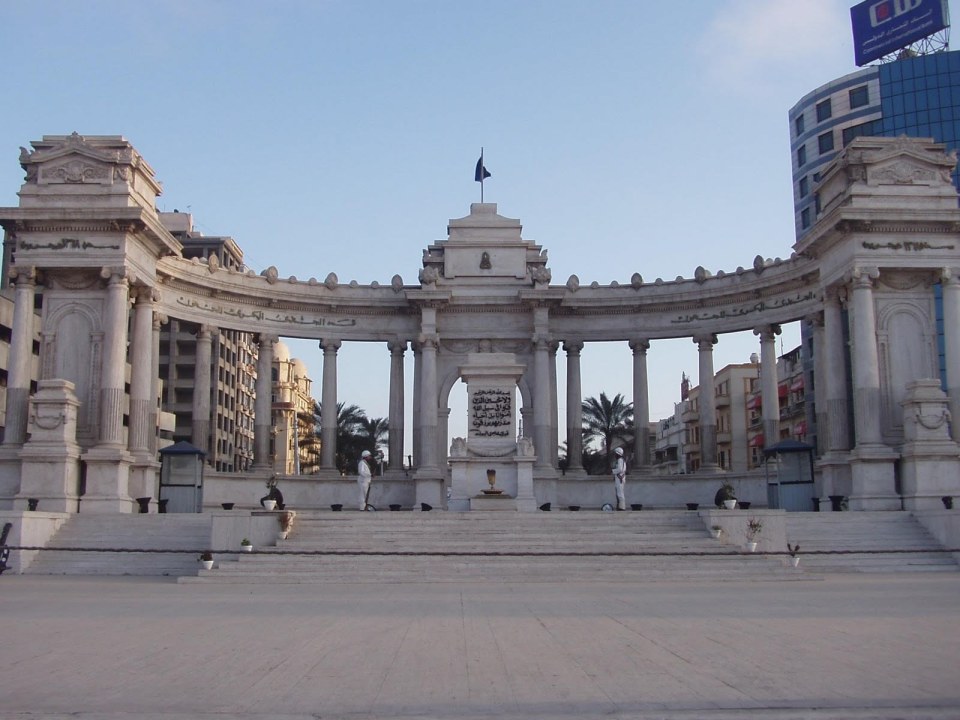
- See the Monument to the Unknown Marine Soldier in the Mansheya area of Alexandria. It was built by the Italian community in Alexandria in 1933 A.D. to honour Khedive Ismail, and a statue of him was placed at the top of the monument. It was later turned into the Unknown Soldier's Monument in 1965 A.D., and the statue of Khedive Ismail was removed.
- Return to the hotel.