
Day 01
Egyptian Museum and National Museum of Egyptian Civilization
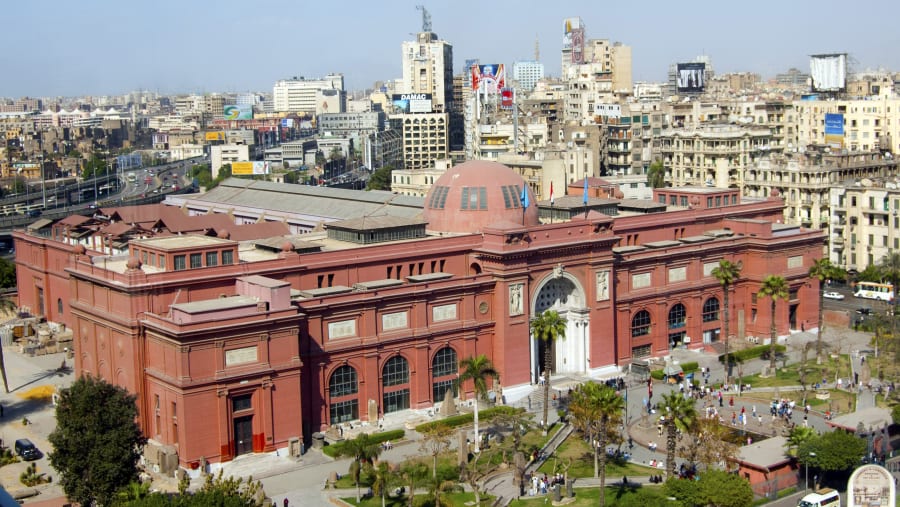
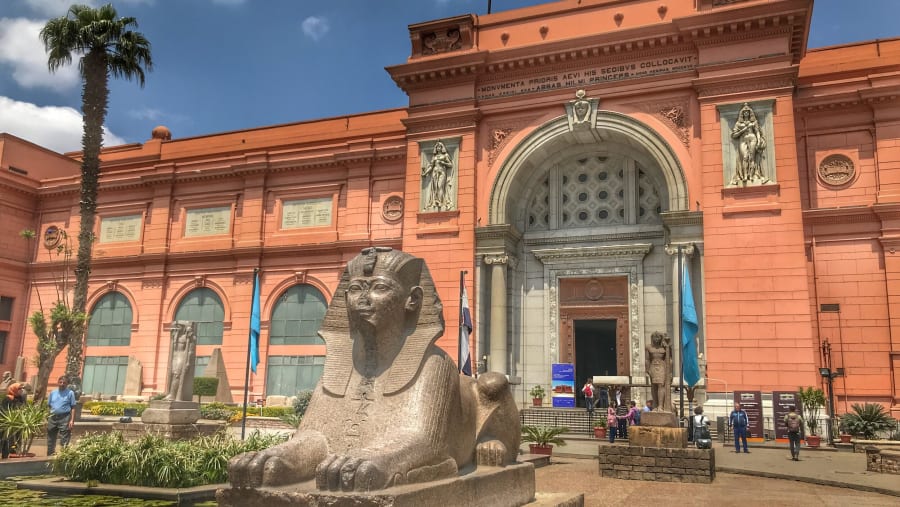
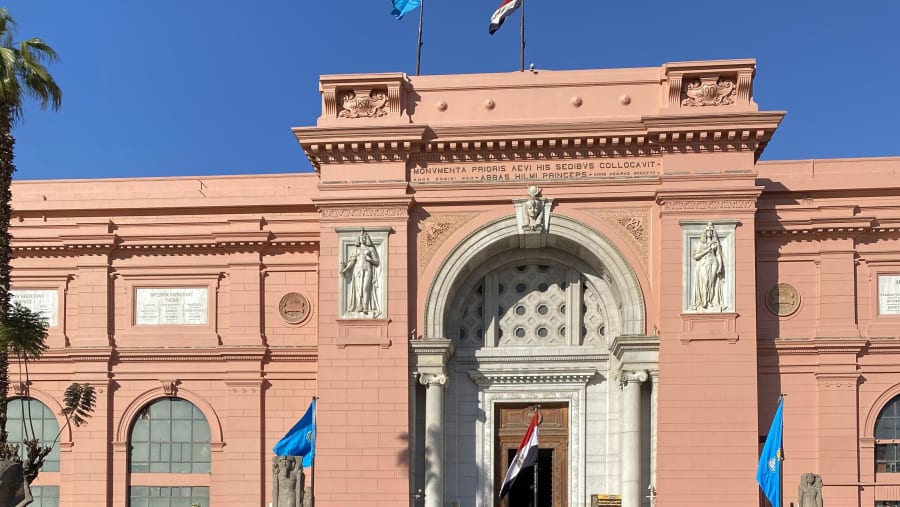
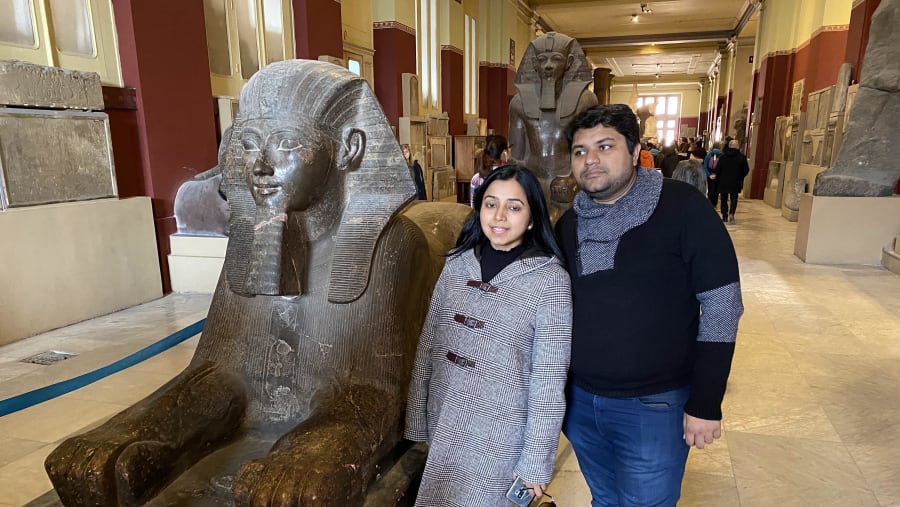
- Your tour representative will pick you up from your hotel in Cairo and transfer you to the Museum of Egyptian Antiquities, commonly known as the Egyptian Museum. It is home to an extensive collection of ancient Egyptian antiquities, with about 5,000 years of art that is considered the largest and most valuable collection of Egyptian art in the world. More than 250,000 original artifacts are presented, with a representative number on display while the rest are kept in storage. The museum is filled with thousands of pharaonic artifacts, including the golden treasures of King Tutankhamun. Fascinating objects such as jewels, headdresses, alabaster vases, and toys from ancient Egypt are on display, and many priceless statues and other artifacts that were kept in his tomb for more than 3,500 years before their discovery in 1922 can also be seen. The Egyptian Museum is one of the first stops on most people's itineraries when travelling to Egypt.
- Then proceed to the National Museum of Egyptian Civilization, located near Old Cairo at the archaeological site of Fustat, which was the Egyptian capital about 1,400 years ago. Also known as the NEMEC Museum, it overlooks Lake Ain Al-Sira and is very close to many of the Islamic and Coptic monuments in Cairo. The museum displays collectables from the Pharaonic, Roman, Coptic, Islamic, and modern civilizations. The main exhibition hall presents the four main crafts that shaped Egyptian civilization: pottery, wood, textiles, and ornaments. Here, you can see the world's oldest artificial finger, the skeleton of a man dating back 30,000 years, the Kiswa of the Kaaba, which was last made in Egypt during the era of President Nasser, and the Mahmal, which carried the covering from Egypt to Saudi Arabia every year. The National Museum of Egyptian Civilization is considered the first museum in the world to present a comprehensive view of Egyptian civilization throughout history, from prehistoric times to modern history. A large part of the museum is the hall where the mummies are now displayed. Wander through the royal mummies hall and see the golden sarcophagi and the remains of the pharaohs of the past, while finding out more about famous rulers such as King Ramses II and Queen Hatshepsut.
- Afterwards, head back to the hotel to conclude the tour.