Day 01
Giza Pyramids and National Museum of Egyptian Civilization
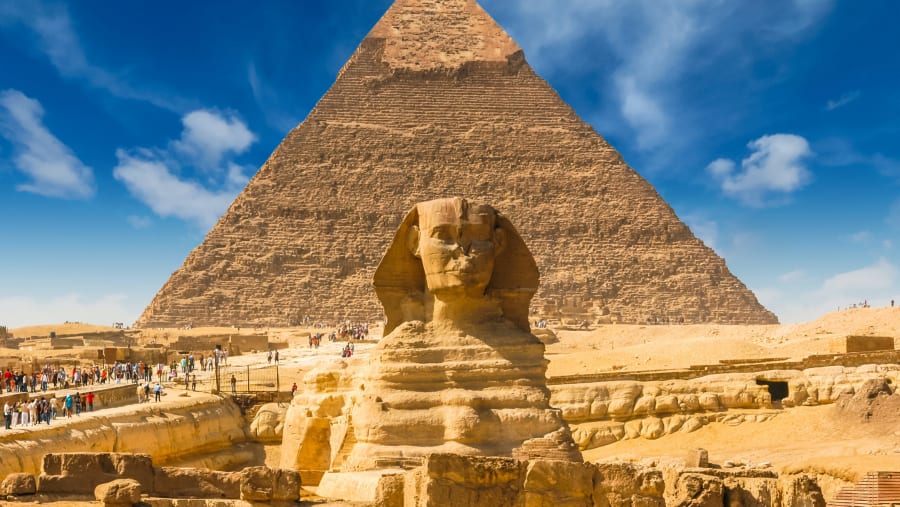
- Your tour representative will pick you up from your hotel in Cairo and transfer you to discover one of the Seven Wonders of the Ancient World - the Great Pyramid of Khufu (Cheops) and its three small pyramids.
- You will continue to explore the rest of the Giza Plateau, including Khafre's (Kaphren) Pyramid, the second-largest pyramid at the Giza site, the remains of the funerary temple, and the Pyramid of Mankawra (Mykerinus) with its three small pyramids.
- Then proceed to the Great Sphinx, with the head of a pharaoh and the body of a lion, dating from the time of Chephren. You will also visit the Valley Temple, which belongs to the pyramids of Chephren. This temple definitely served two functions: first, it was used for the purification of the mummy of the king before burial; second, it was used for carrying out the mummification process of the king.
- After visiting the pyramids, continue across the plateau for a photo opportunity of the three pyramids rising from the sands.
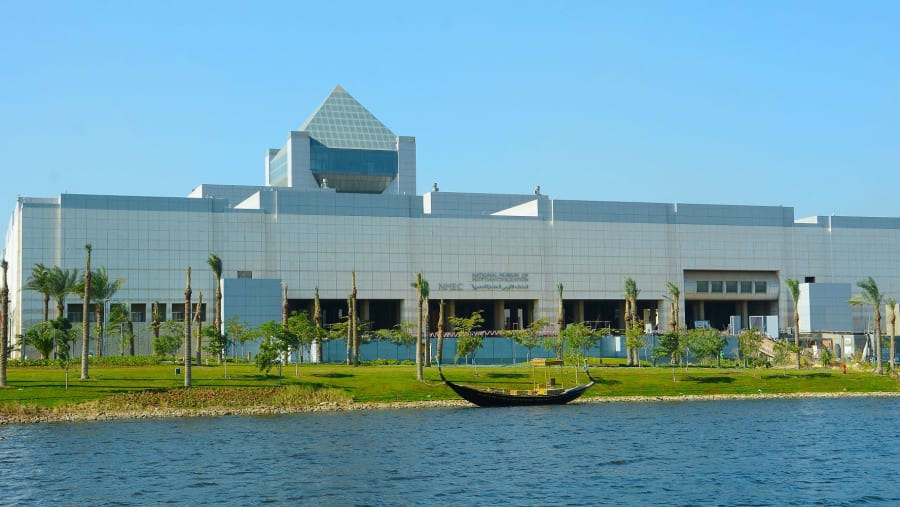
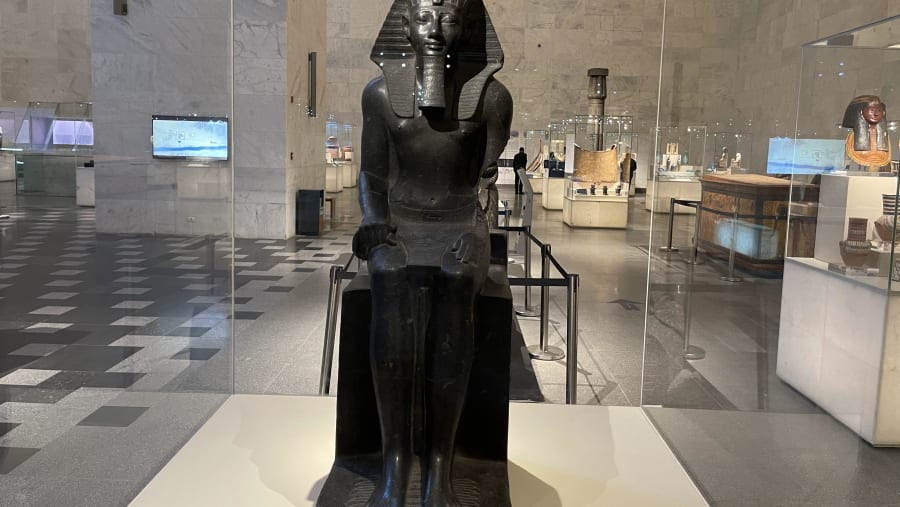
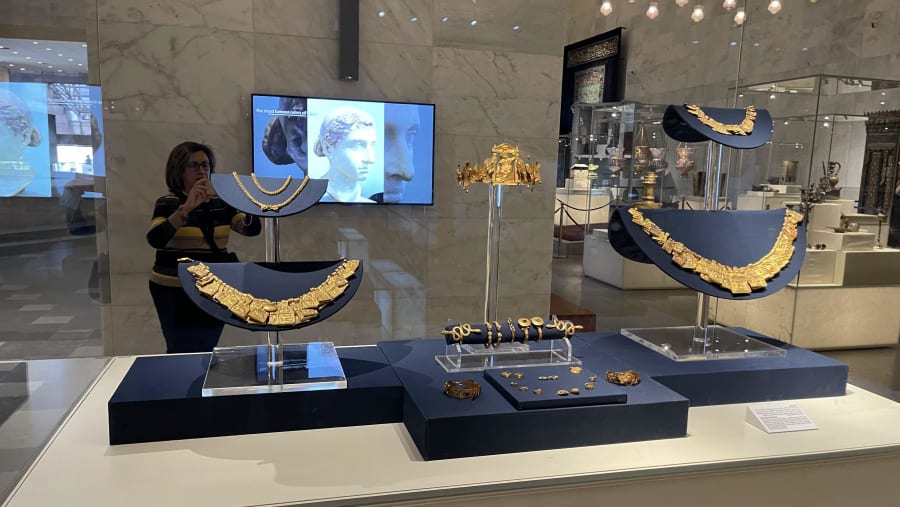
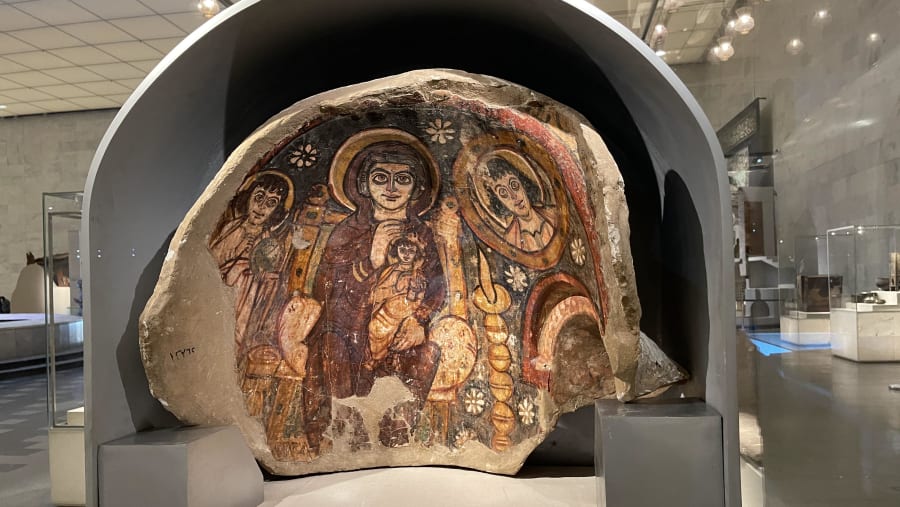
- Next, go to the National Museum of Egyptian Civilization, located near Old Cairo at the archaeological site of Fustat, which was the Egyptian capital about 1,400 years ago. Also known as the NMEC Museum, it overlooks Lake Ain Al-Sira and lies very close to many of Cairo's Islamic and Coptic monuments. The museum displays collectibles from the Pharaonic, Roman, Coptic, Islamic, and modern civilizations. The main exhibition hall presents the four main crafts that shaped Egyptian civilization: pottery, wood, textiles, and ornaments. You can also see the world's oldest artificial finger, the skeleton of a man dating back 30,000 years, the Kiswa of the Kaaba, which was last made in Egypt during the era of President Nasser, and the Mahmal, which carried the covering from Egypt to Saudi Arabia every year. In a large presentation, the National Museum of Egyptian Civilization is considered the first museum in the world to present a comprehensive view of Egyptian civilization throughout history, from prehistoric times to modern history. A large part of the museum is the hall where the mummies are now displayed. Wander through the Royal Mummies Hall and see the golden sarcophagi and the remains of the pharaohs of the past. Find out more about famous rulers such as King Ramses II and Queen Hatshepsut.
- Later, return to the hotel to conclude the tour.