Buenos Aires Highlights City Tour
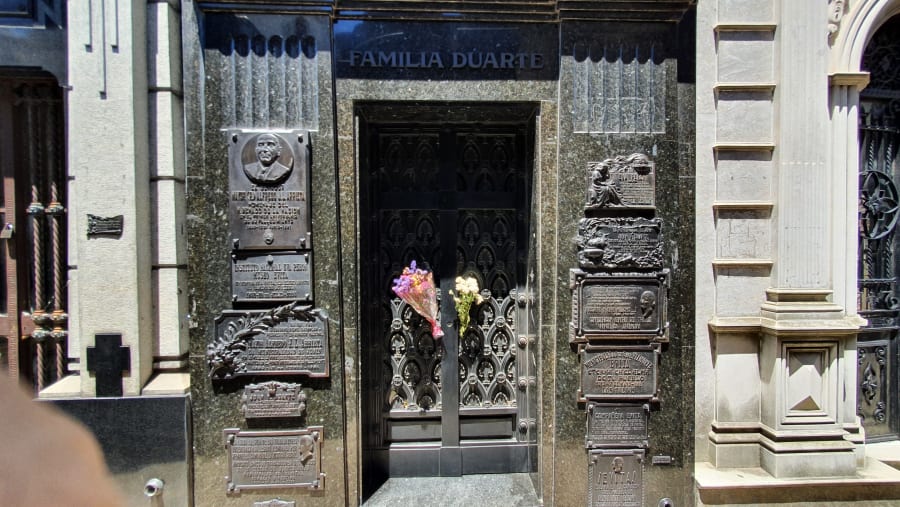
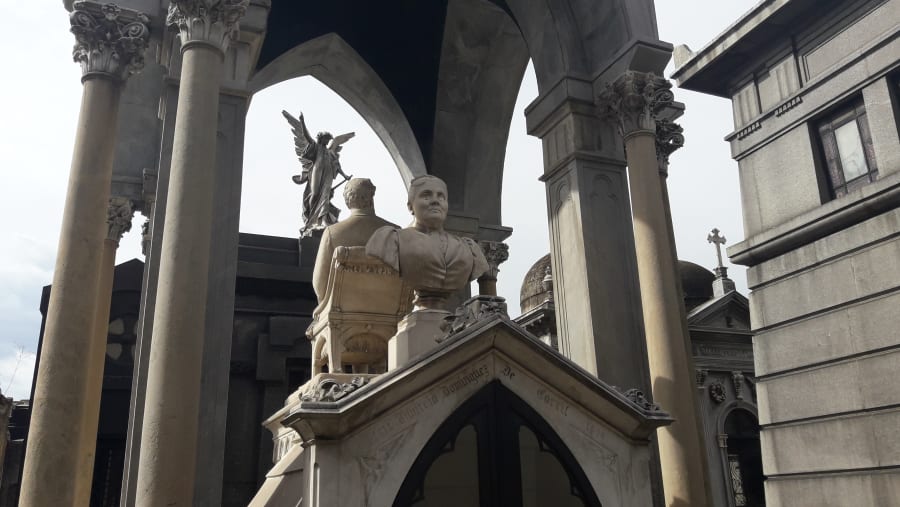
See Recoleta Cemetery, considered one of the most unusual cemeteries in the world. Declared the city's first official public burial place in 1822, it is entirely unlike a normal cemetery. The burial site of Argentina's most famous figures, including Evita herself, the cemetery is a must-do while in Buenos Aires.
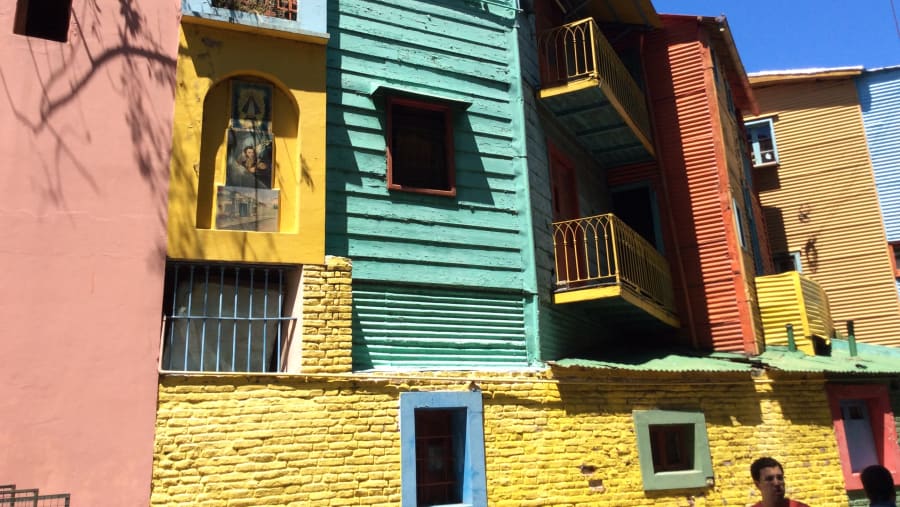
Visit the La Boca neighbourhood, originally the site of the first port of Buenos Aires. The neighbourhood was named in reference to the location of the Riachuelo, which, with a large mouth, emptied into the Río de la Plata. Despite its small size, Caminito is one of the favourite walks for tourists visiting Buenos Aires. Many colours, a lot of tango, bars all around, and a vast display of paintings and photographs by different street artists, as well as a walk of artisans, are part of the daily routine of those who come to this corner of the city.
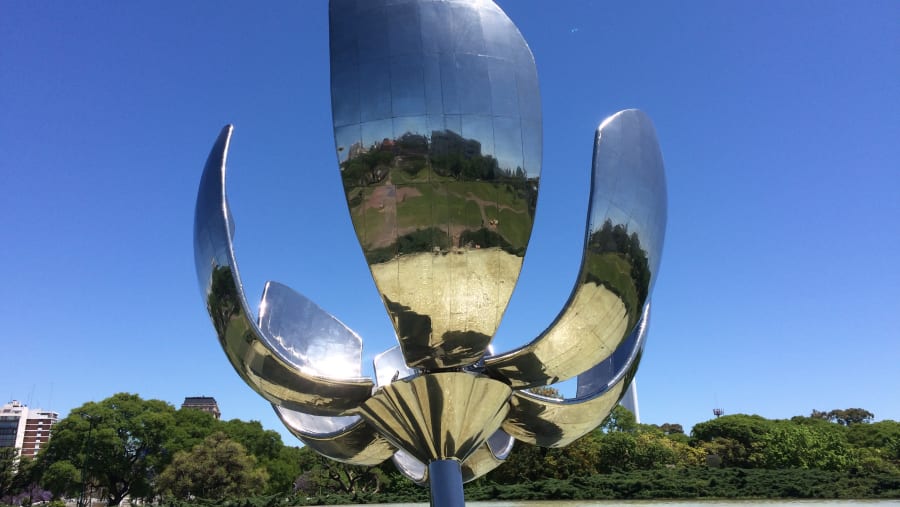
Marvel at Floralis Generica, a stunning metal flower. This 20-meter-high sculpture dominating United Nations Square was donated to the City of Buenos Aires by its author, the Argentine architect Eduardo Catalano. It is made of stainless steel and aluminium and weighs 18 tons. It is the first moving sculpture controlled by a hydraulic system and photoelectric cells. The petals open during the day and close at night. Inaugurated in 2002, its name, Floralis Generica, is a tribute to all flowers.
Undoubtedly, the Palermo Rose Garden is a classic among the places to visit in Buenos Aires. This park preserves thousands of rosebushes from nearly 100 species. In addition, the lake with its bridge, the pergola, the collection of busts of poets, the Andalusian patio, and the theatre all stand out. The rose garden is a free public space that receives thousands of people every week, especially on Saturdays and Sundays, who come to play sports, go out with friends, walk with family, or have a picnic. The Rose Garden was declared a Cultural Heritage site of the City.
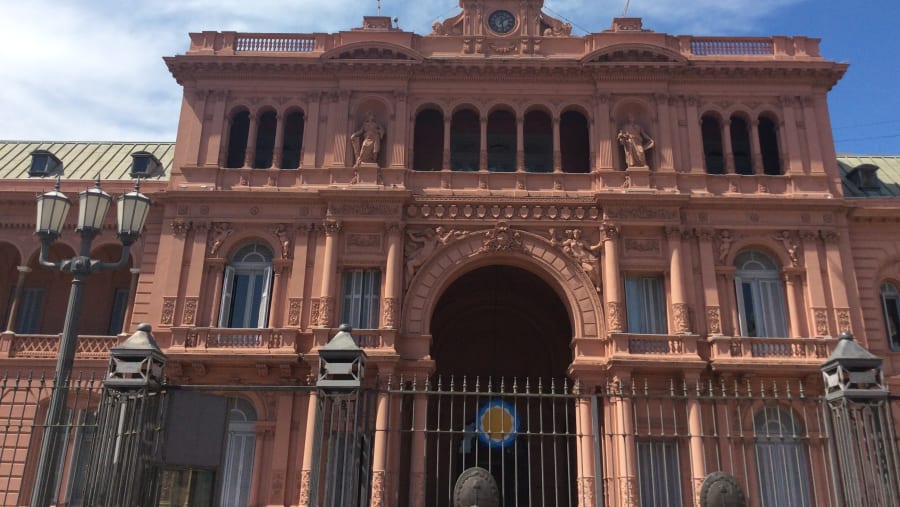
Walk around Plaza de Mayo, the birthplace of Argentina. The name of the square commemorates the Revolution of May 25, 1810, the date on which citizens gathered there to expel the Viceroy and form a Creole government. Since then, the square has been a silent witness to the country's most important political and social events. It is surrounded by imposing historical and government buildings, among which Casa Rosada, the Cabildo de Buenos Aires, and the Metropolitan Cathedral stand out.
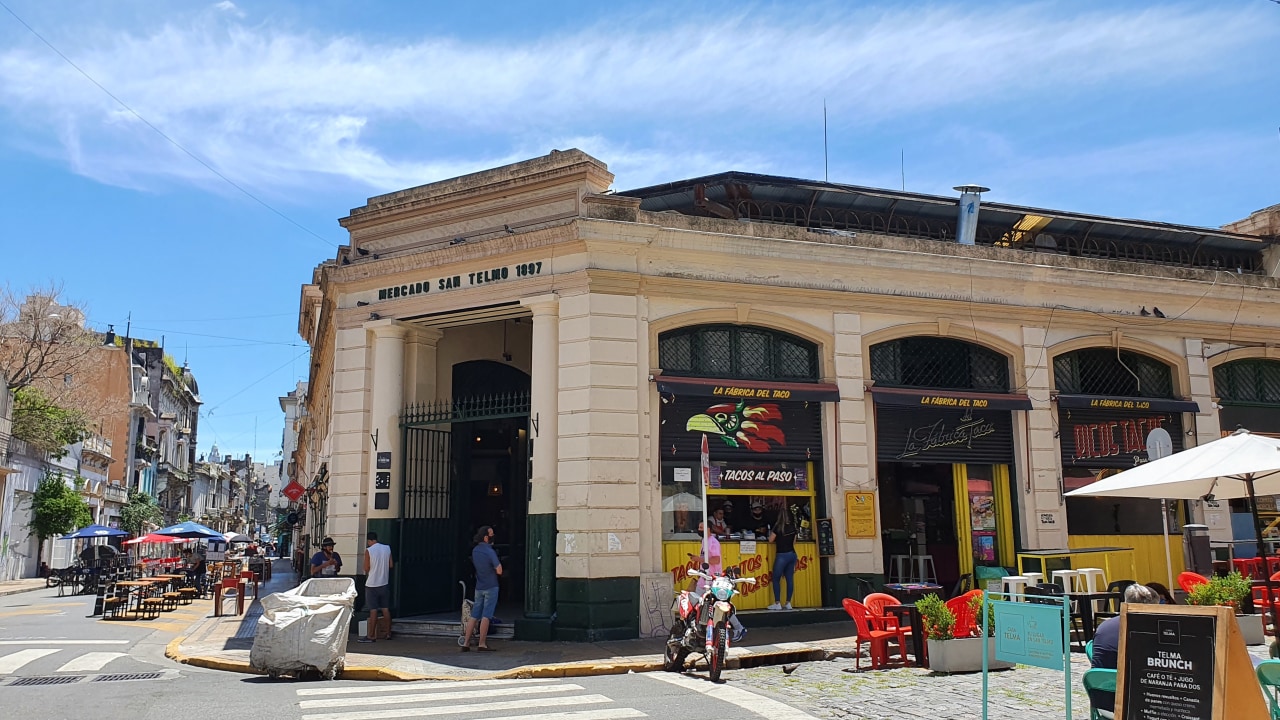
Visit San Telmo, the area where the first inhabitants settled and the oldest neighbourhood in the city. Initially inhabited by aristocratic families from Buenos Aires, it changed after the yellow fever epidemic of 1871 forced them to move north. San Telmo is the old colonial heart of Buenos Aires and part of the city's historic centre. It is famous for the antique fair that takes place every Sunday in Plaza Dorrego. The centre of San Telmo is Plaza Dorrego, where numerous cafes, restaurants, and antique shops are concentrated. Bohemian life and tango are part of the atmosphere of the neighbourhood, which still preserves the essence of old Buenos Aires. In San Telmo, it is possible to find a bar where you can listen to tango and drink coffee, wine, or beer with the neighbours. It is also a neighbourhood chosen by many artists and artisans to live and carry out their work.
Weather, time, and traffic permitting, stop or pass by several sites little known by visitors, each with its own incredible history.