

Day 01
Giza Pyramids, Egyptian Museum, and Old Cairo
- A tour representative will pick you up from your hotel in Cairo.
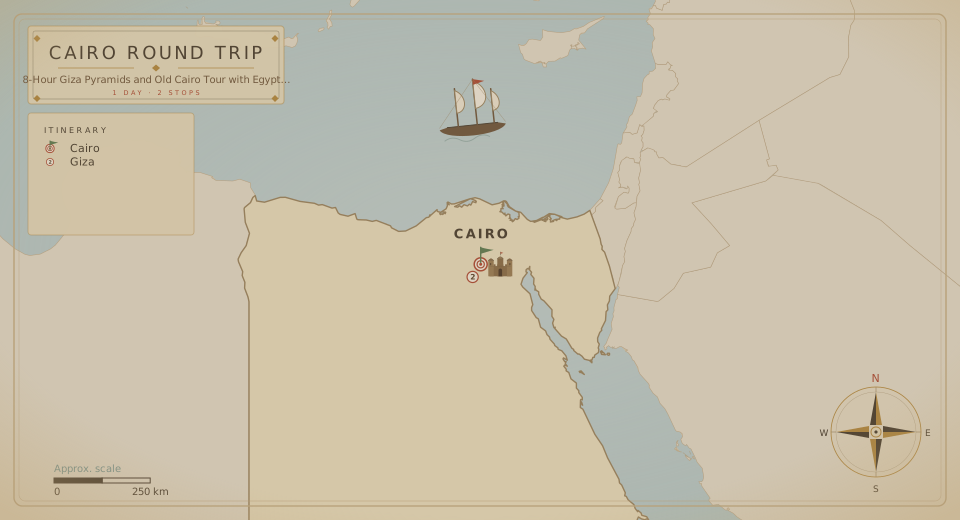
- Transfer to discover one of the Seven Wonders of the Ancient World: the Great Pyramid of Khufu (Cheops). Continue exploring the rest of the Giza Plateau, including Khafre's (Chephren) Pyramid, the second-largest pyramid on the Giza site. You will also visit the remains of the funerary temple, the Pyramid of Menkaure (Mykerinus), and the three small pyramids.
- Then proceed to visit the Great Sphinx, with the head of a pharaoh and the body of a lion, dating back to the time of Chephren. You will also visit the Valley Temple, which belongs to the pyramids of Chephren. This temple served two functions: first, it was used to purify the mummy of the king before burial; second, it was used for the king's mummification process.
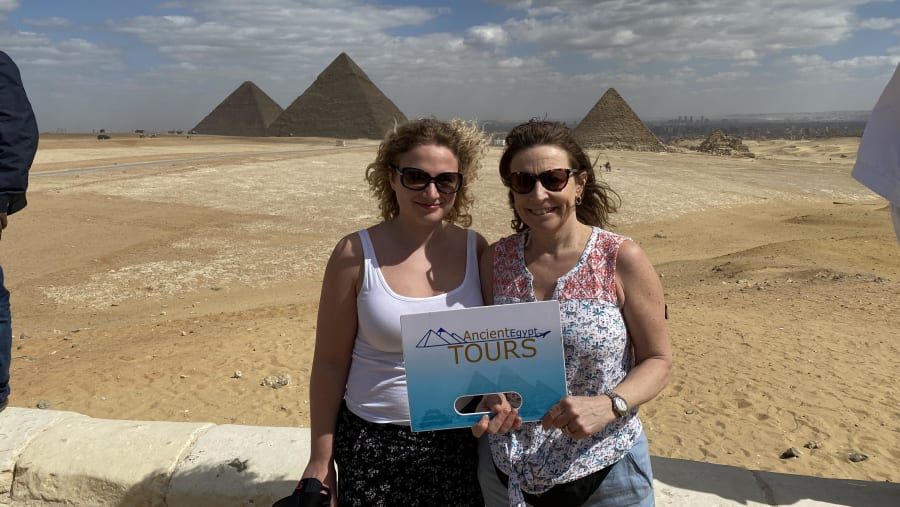
- After visiting the pyramids, continue across the plateau for a photo opportunity of the three pyramids rising from the sands.
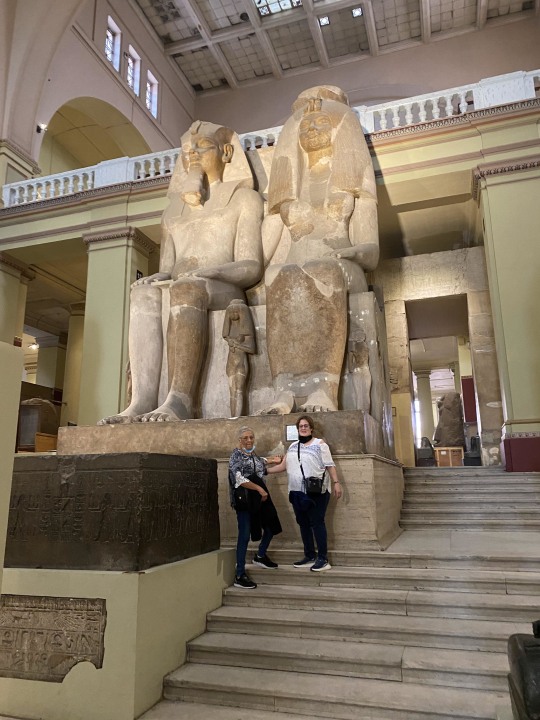
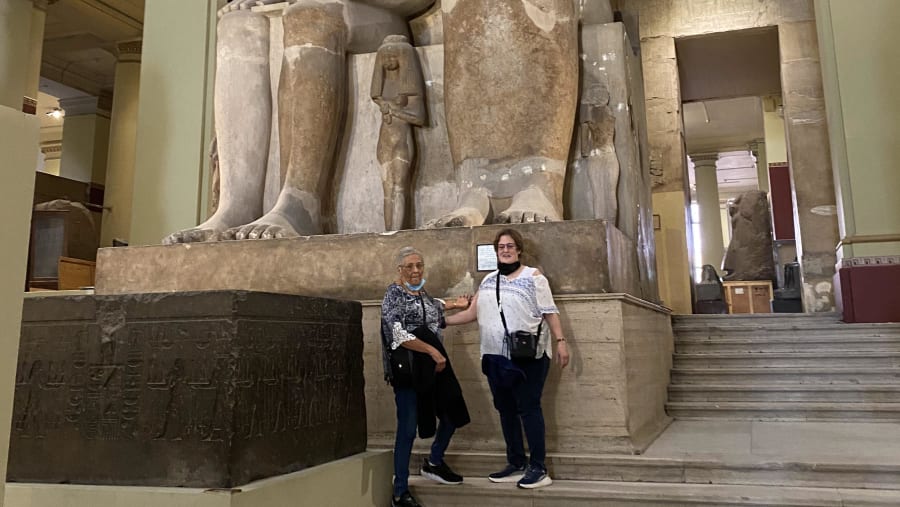
- Move on to the Museum of Egyptian Antiquities, commonly known as the Egyptian Museum, in Cairo. It is home to an extensive collection of ancient Egyptian antiquities and dates back some 5,000 years of art, considered the largest and most precious collection of Egyptian art in the world. More than 250,000 genuine artifacts are presented, with a representative number on display and the remainder kept in storerooms. The museum is filled with thousands of Pharaonic artifacts, including the golden treasures of King Tutankhamen. Fascinating objects such as jewels, headdresses, alabaster vases, and toys from ancient Egypt are on display, along with many priceless statues and other artifacts that were enclosed in his tomb for over 3,500 years before its discovery in the 1920s during excavation. The Egyptian Museum is one of the first stops on most people's itineraries when travelling to Egypt.
- Then move to Old Cairo. Start with Babylon Fortress, also known as the Wax Palace or Babylon Castle, an ancient fortress located in Cairo, Egypt. It is considered one of the largest fortresses of the Roman civilization in Egypt and one of the largest fortresses built by the empire, as well as the center around which the city of Fustat was built.
- Then visit fascinating architectural wonders such as the Hanging Church, built in the 3rd century and the beginning of the 4th century, also in the Basilica style. The Hanging Church of Cairo rises majestically on the ancient tower of the Fortress of Babylon. With an interior full of symbolism and icons, it has become one of the most visited monuments in Egypt's most magnetic city. With an essence that mixes Roman, Egyptian, and Babylonian architecture, it becomes a place where legend and history blur.
- Then move to visit the Church of St. Sergius and Bacchus, which holds a special place among the other Coptic churches because it is linked to the path of the Holy Family during their escape from King Herod to the land of Egypt. The church is named after Saints Sergius and Bacchus, who were martyred in the region of Rusafa in Syria according to Christian belief.
- No one can be in Coptic Cairo without visiting the Ben Ezra Synagogue in Cairo, called El-Shamieen Church, now located behind the Hanging Church of the Blessed Virgin Mary.
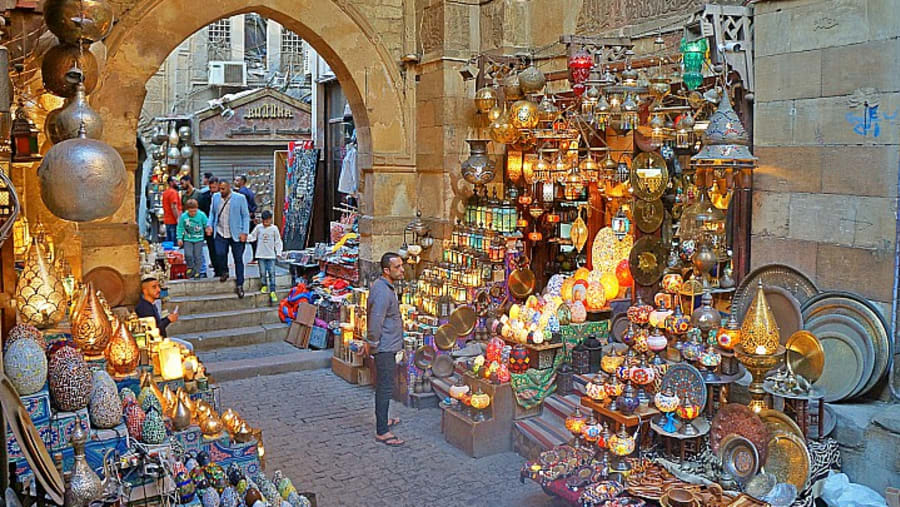
- Visit the Mosque of Amr Ibn El-Aas, the very first mosque built in Egypt. After that, transfer to important mosques and high places of worship for the Islamic faith in Cairo. With 80 percent of its population following Islam, see the amazing architecture built here with the Islamic Cairo tour and appreciate its artistic mosques built for worship. Back to the hotel.