Day 01
Giza Pyramids, Cairo Citadel, Old Cairo and Cave Church
- A representative will pick you up from your hotel in Cairo to begin one of our Cairo and Giza tours.
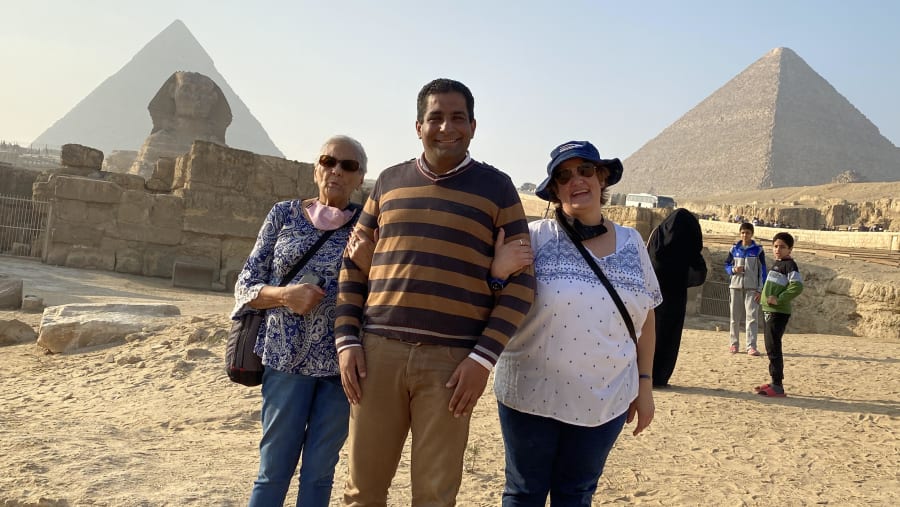
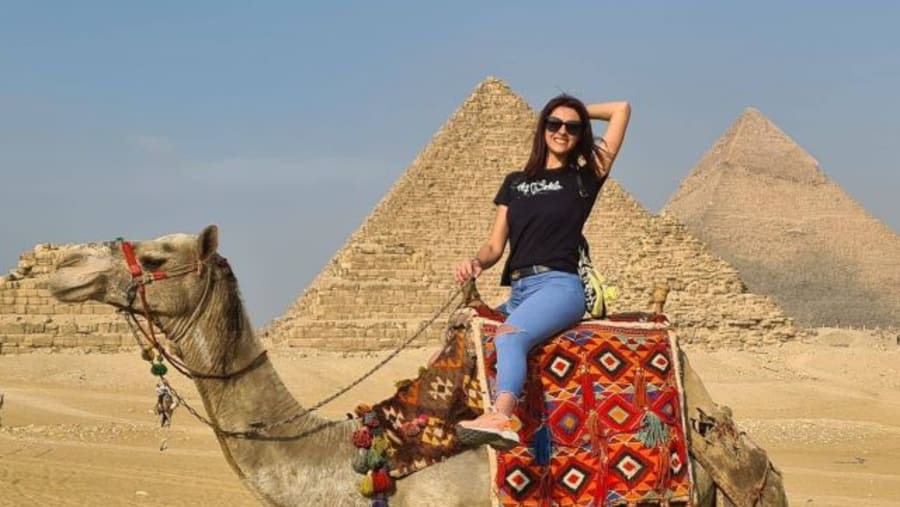
- Transfer to discover one of the Seven Wonders of the Ancient World, the Great Pyramid of Khufu (Cheops), along with the three small pyramids.
- You will continue to explore the rest of the Giza Plateau, including Khafre's (Chephren) Pyramid, the second-largest pyramid on the Giza site, the remains of the funerary temple, the Pyramid of Menkaure (Mykerinus), and three small pyramids.
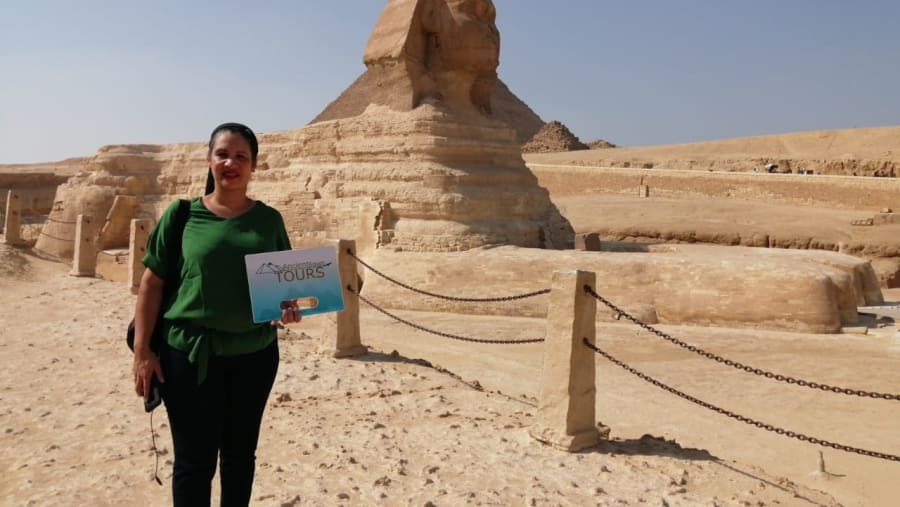
- Then proceed to visit the Great Sphinx, with the head of a pharaoh and the body of a lion, dating from the time of Chephren, and visit the Valley Temple, which belongs to the pyramids of Chephren.
- This temple served two functions. First, it was used to purify the mummy of the king before burial.
- Second, it was used for the mummification process of the king.
- After visiting the pyramids, you will continue across the plateau for a photo opportunity of the three pyramids rising from the sands.
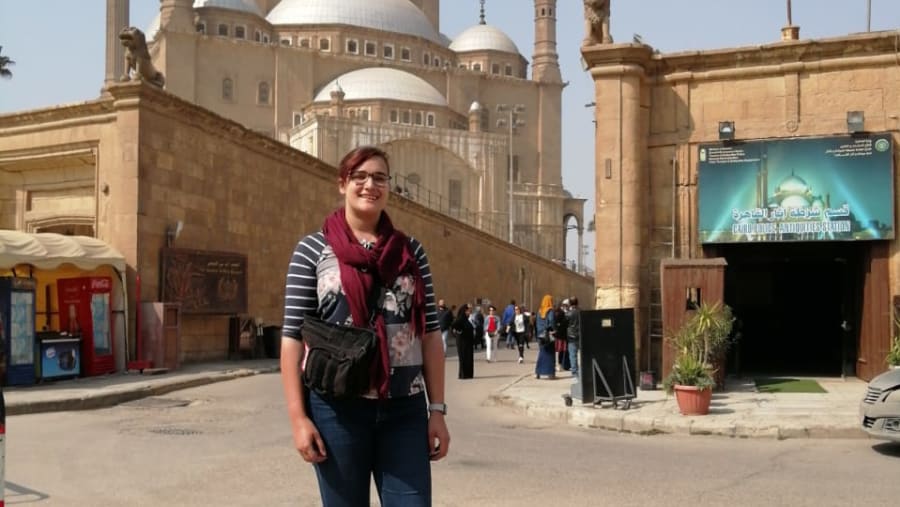
- Visit the Citadel of Salah al-Din, built under the order of Saladin between 1176 and 1183 to protect the city from European attacks. Today, it is one of the main tourist attractions of Cairo. It offers privileged views of the city, where you will see all of Cairo, and you will also visit Mohamed Ali's "Alabaster Mosque," considered the largest mosque built at the beginning of the 19th century by the ruler of Egypt (1805-1849), who ruled Egypt for over 45 years. It was built in Turkish style.
- Move on to visit Old Cairo, starting with Babylon Fortress, also known as the Wax Palace of Babylon Castle, an ancient fortress located in the city of Cairo. The fortress is considered one of the largest fortresses of Roman civilization in Egypt and one of the largest fortresses built by the empire. It was also the center on which the city of Fustat was built.
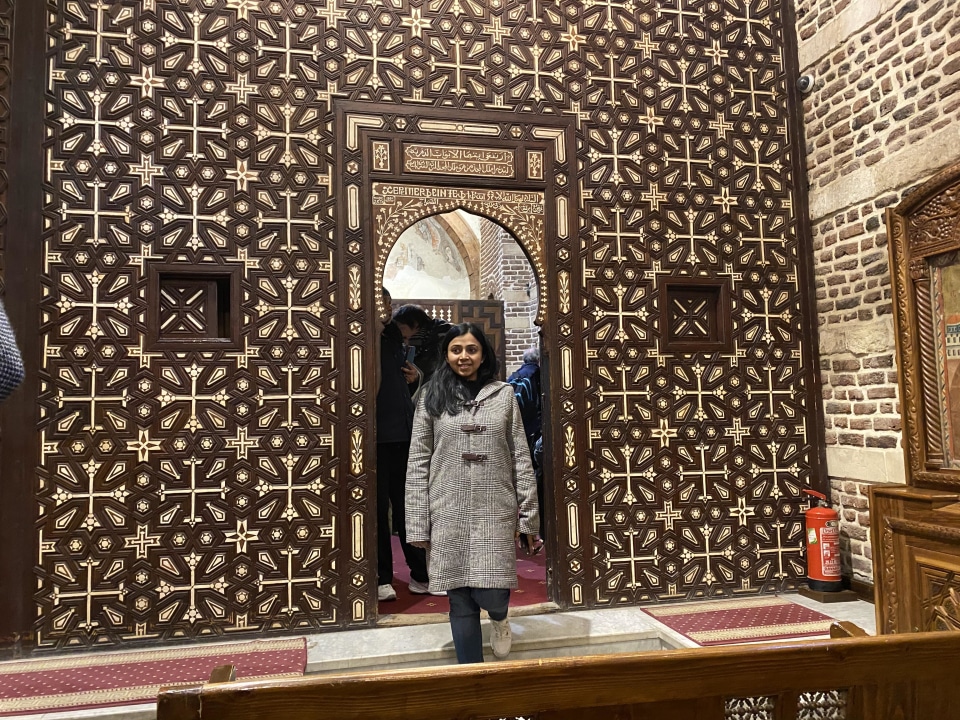
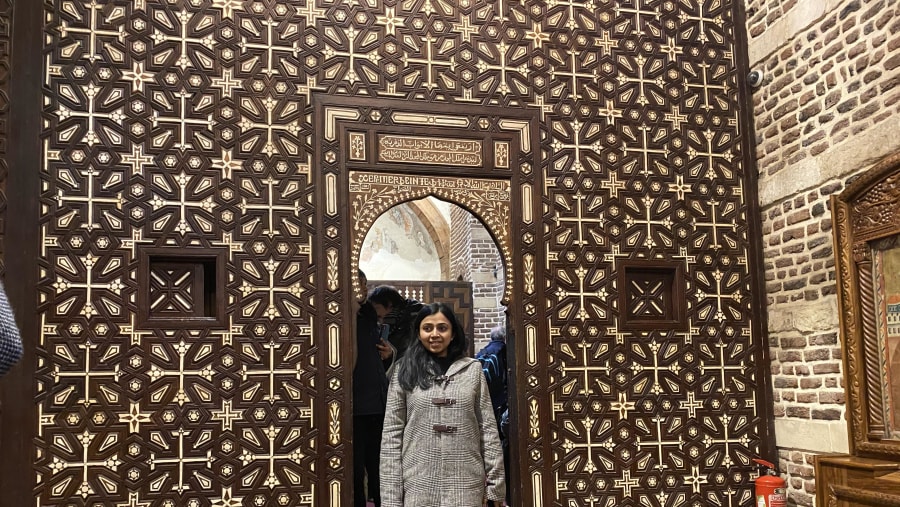
- Then move to visit wonders such as the Hanging Church, which was built in the 3rd and early 4th century, also in the Basilica style. The Hanging Church of Cairo rises majestically on the ancient tower of the Fortress of Babylon. With an interior full of symbolism and icons, it has become one of the most visited monuments in Egypt's most magnetic city. With an essence that mixes Roman, Egyptian, and Babylonian architecture, it becomes a place where legend and history blur.
- Then move to visit the Church of St. Sergius and Bacchus, which has a special place among the other Coptic churches because it is linked to the path of the Holy Family during their escape from King Herod to the land of Egypt. According to Christian belief, the name of the church is attributed to Saints Sergius and Bacchus, who were martyred in the region of Rusafa in Syria.
- No one can be in Coptic Cairo without visiting the Ben Ezra Synagogue in Cairo, called El-Shamieen Church, now located behind the Hanging Church of the Blessed Virgin Mary.
- Then move to visit Amr Ibn El-Aas Mosque, the first mosque built in Egypt.
- Move to the Cave Church of Saint Simon. There are hundreds of hidden treasures in Cairo that tourists never know about. Among these is the magnificent Cave Church on Mokattam Mountain. This was never a church in the traditional sense; it is the Monastery of St. Simon, or the Tanner Monastery. It is a prominent Egyptian Coptic complex that includes six churches, the largest among them being Saint Simon, the largest church in Egypt, which can accommodate around 20,000 people. Established in 1975, this large Coptic complex was founded to serve the community of garbage collectors living in the nearby Zabaleen neighbourhood. During the 1940s and 1950s, many Coptic Egyptians left Upper Egypt and settled near Al Mokattam Mountain. They formed this community of garbage collectors, who have managed to survive and preserve all their habits and traditions until today.
- Back to hotel.