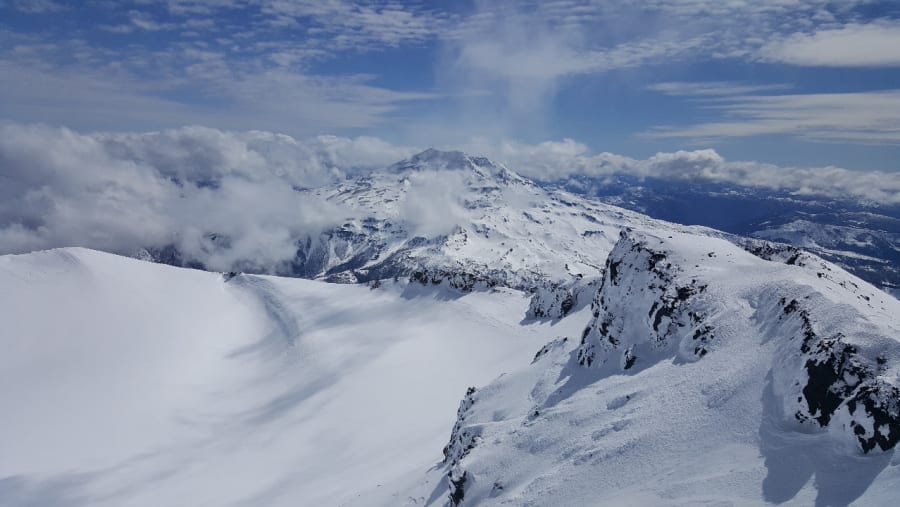
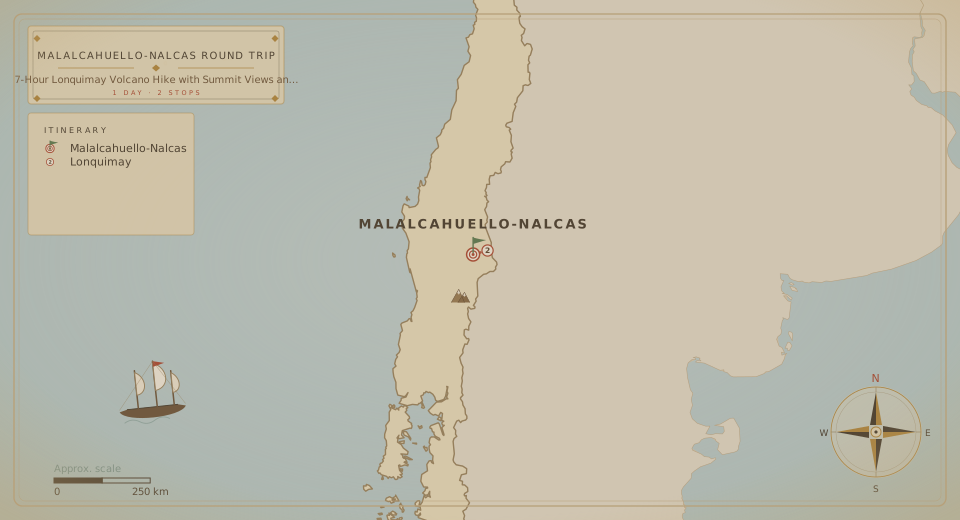
Lonquimay Volcano also belongs to the Kutralcura Geological Park, offering an incomparable view of the territory, from where at least eight volcanoes can be seen on a normal day, together with the Biobío and Los Lagos regions. Thousands of years old, Lonquimay, brother of Tolhuaca, has erupted three times since its history began to be recorded in writing. The first was in 1887, the second in 1933, and the most recent was on Christmas 1988, when the Christmas Crater was formed, a parasitic cone of Lonquimay Volcano. This volcano, like many volcanoes in Chile, is a stratovolcano, located at the collision of the continental and oceanic plates, which has grown over time in strata through its multiple eruptions. This is how its second recorded eruption occurred together with Llaima Volcano, a stratovolcano located southwest of Lonquimay on the same fault.
In addition to the incredible geological interpretation that will allow us to approach this volcano, we will be able to observe the wild and resilient nature of the area, with incredible araucarias, Nothofagus forests, and, if we are lucky, spot huge condors, while addressing stories of the Mapuche people, closely related to this territory since ancient times.
This physically demanding route, with incredible cognitive and landscape rewards, is ideal for lovers of mountains, trekking, geology, and photography. It is a route we will never forget, truly a jewel of this country within reach of those who have good physical condition and are willing to venture.