
Day 01
Bjni, Tsaghkadzor and Kecharis Monastery Tour
- Connect with your tour guide at the meeting point to begin the program itinerary.
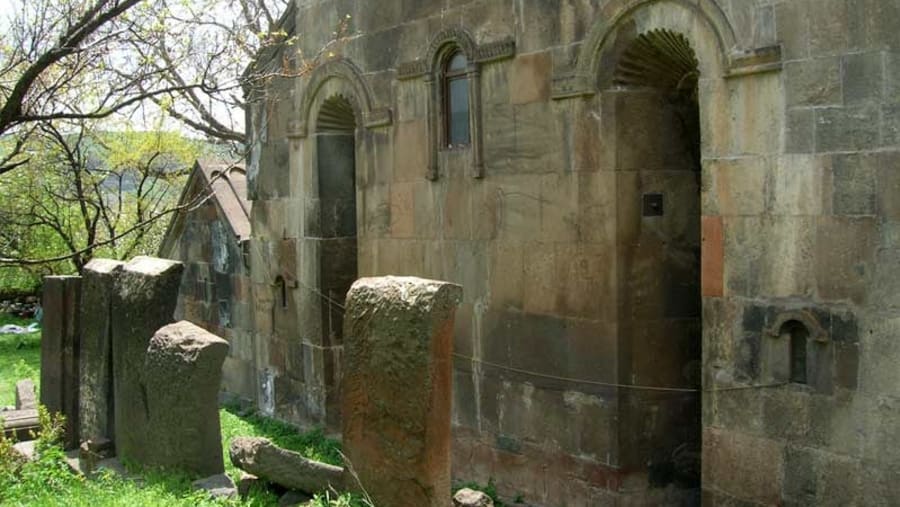
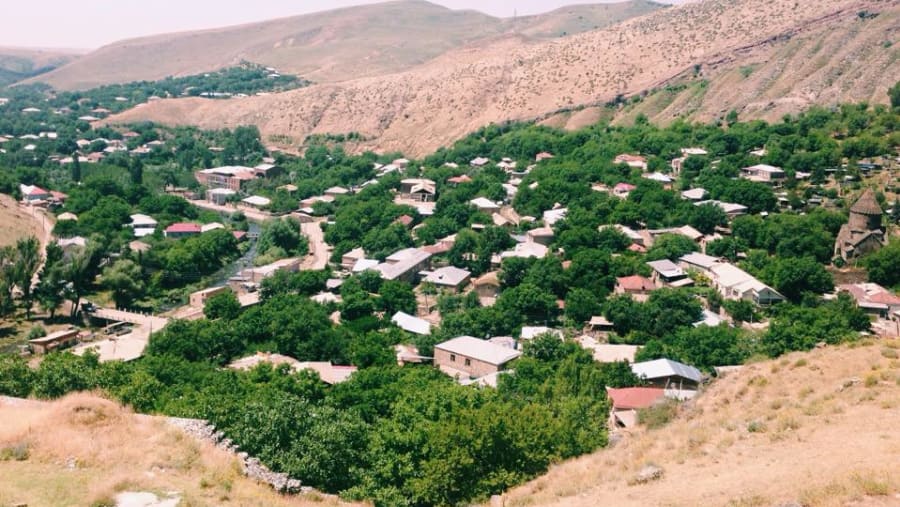
- Begin by visiting the St. Astvatsatsin Monastery in Bjni, located on the northern edge of the village in the Kotayk region of Armenia. It was built by Grigor Magistros Pahlavuni in 1031, by order of King Hovhannes Smbat and Catholicos Petros I Getadardz.
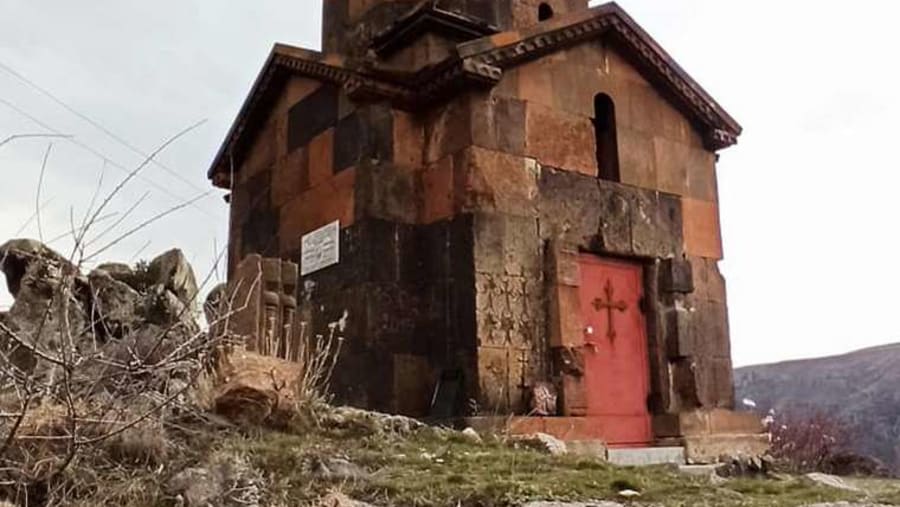
- Continue to St. Sargis Church, located in the northeastern part of Bjni village, on top of a hill. It is a domed cross built of polished tuff, and it was constructed in the 7th century.
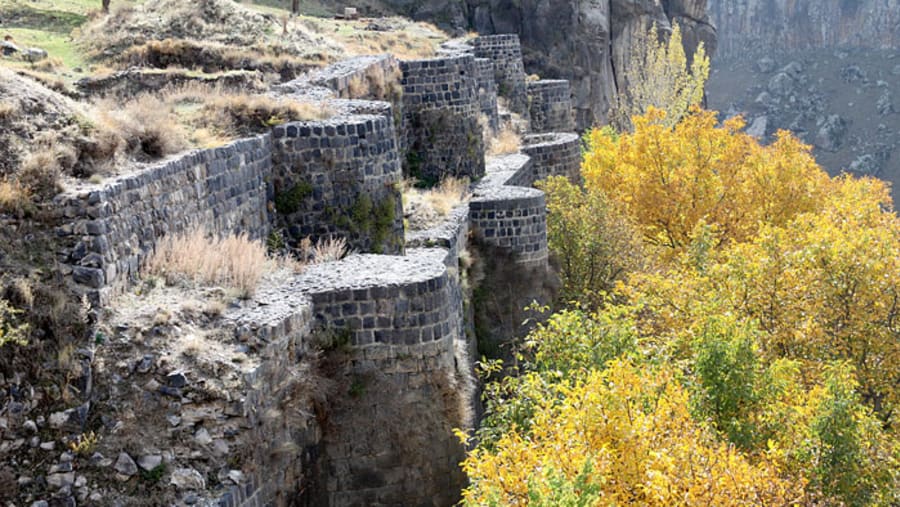
- Then head to Bjni Fortress, one of the most famous buildings in the Kotayk region of Armenia. For many years, it was believed that the fortress was built in the 10th-11th centuries by the princes of Pahlavuni. However, during excavations in the 1970s, more ancient structures were discovered, particularly the walls of churches, a palace, residential buildings, a reservoir, and an underground tunnel. There is a widespread myth that King Ashot II Erkat of the Bagratuni royal dynasty lived in this fortress for some time. The underground tunnel leading to the Hrazdan River is still there; however, for security reasons, you will not be allowed to go through it.
- Next, proceed to Tsaghkadzor, a city in the Kotayk region located at an altitude of 1841 m above sea level. Here, there is a 6 km-long ropeway that leads to the top of Mount Teghenis.
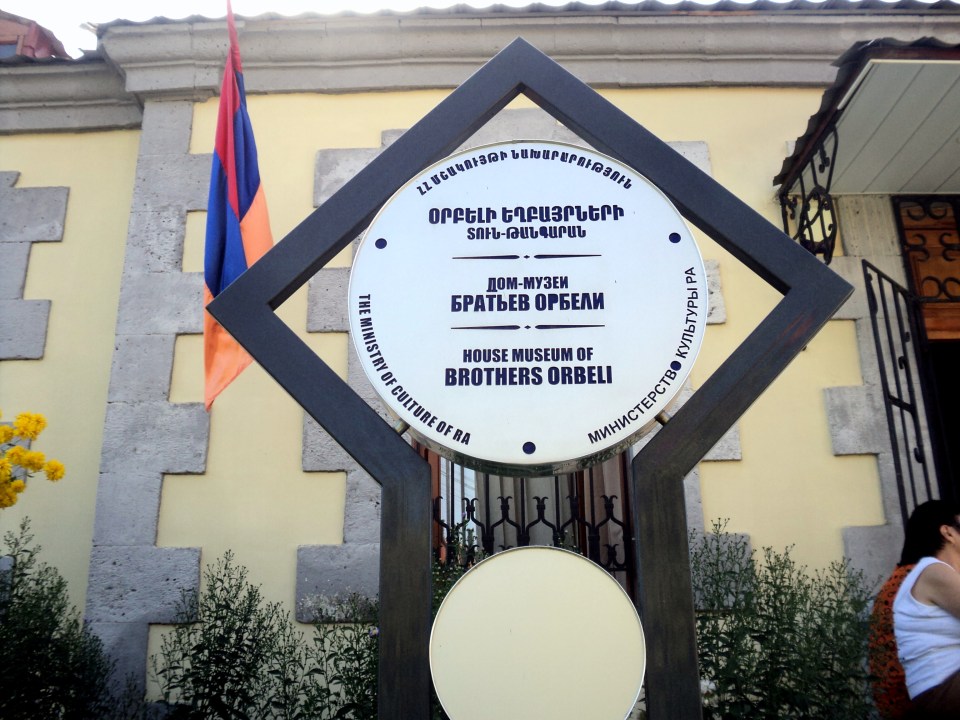
- Afterwards, visit the Orbeli Brothers House-Museum, which was opened on July 6, 1982, as part of the events dedicated to the 100th anniversary of Academician Levon Orbeli. The purpose of the house museum is to preserve for future generations the cultural values and material testimonies associated with the name of the Orbeli brothers. The museum is under the subordination of the RA Ministry of Culture.
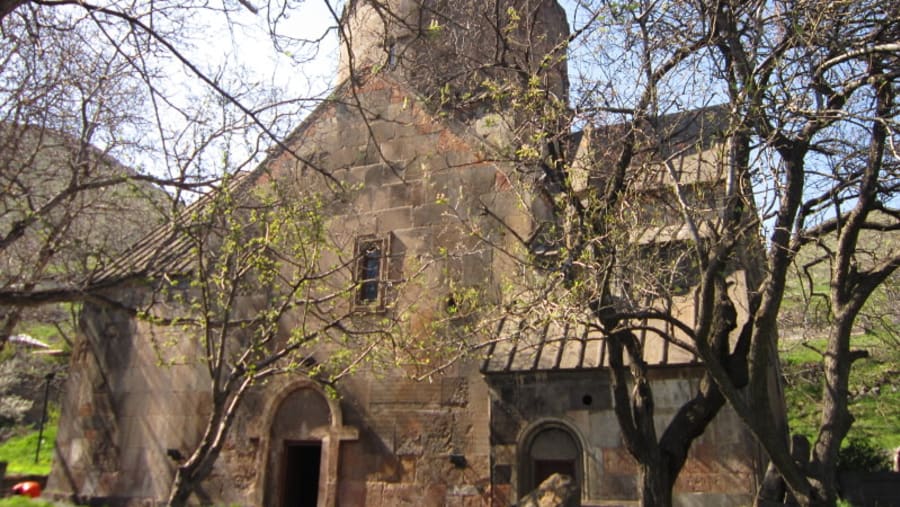
- Later, move to the Kecharis Monastery complex, located in the northwestern part of Tsaghkadzor. In harmony with the natural environment, this magnificent complex features architectural solutions that include four churches, a courtyard, chapels, and about thirty khachkars from the 11th-17th centuries. The monastic complex was formed and completed in the 11th-13th centuries through the efforts of the Pahlavuni and Proshyan princes. Kecharis was one of the famous cultural and ecclesiastical centres of Armenia, where the gifted politician and philosopher Grigor Magistros Pahlavuni, Prince Vasak Khaghbakyan, the famous architect Vetsik, the monk and poet Khachatur Kecharetsi, and others lived and worked. Kecharis was also a centre of writing. Dozens of Armenian manuscripts written and copied here have been preserved and have reached us.