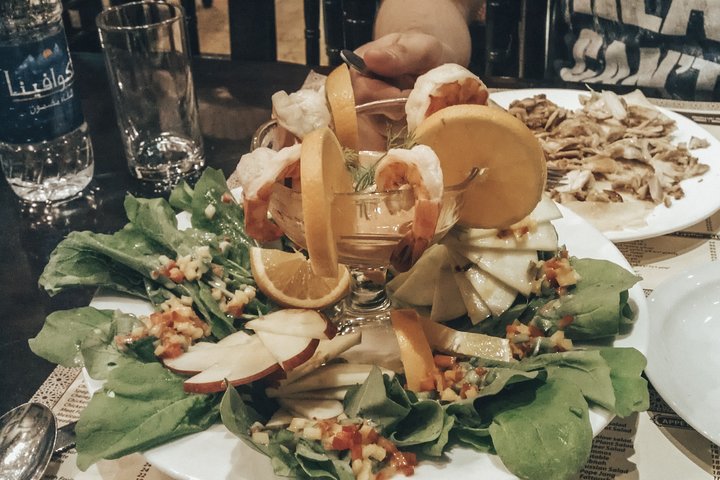
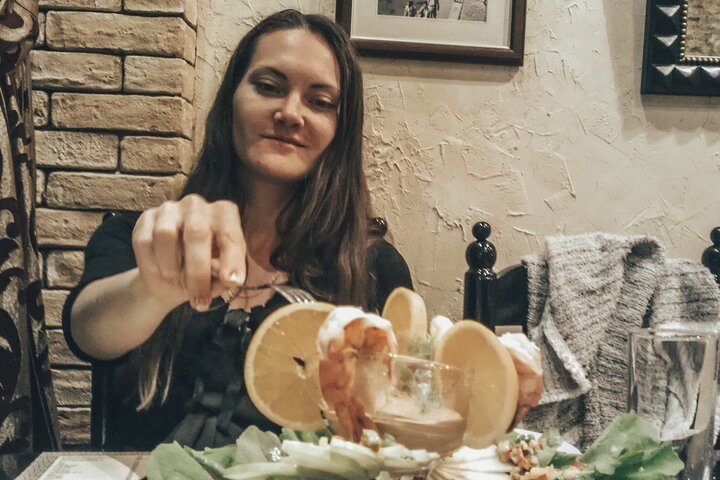
Begin your delicious adventures by arriving at the Oud Metha Metro Station, where you will meet your local guide. Walk to the beautiful Holy Trinity Church located nearby and learn about the diverse religious sites of Dubai. Spice your walking with some Filipino street food near the church.
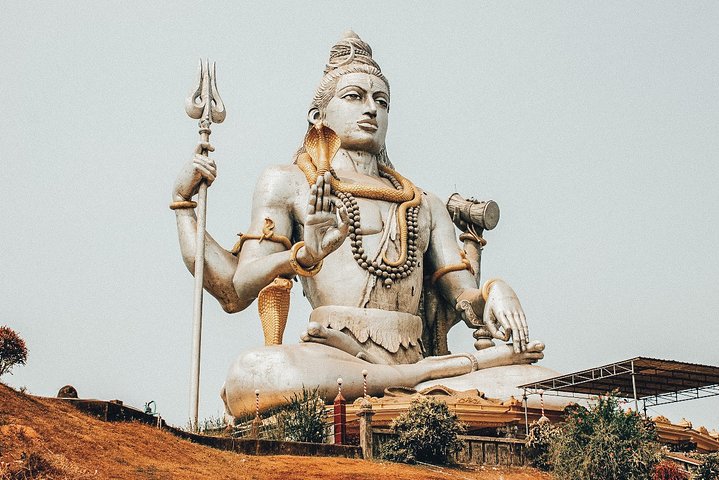
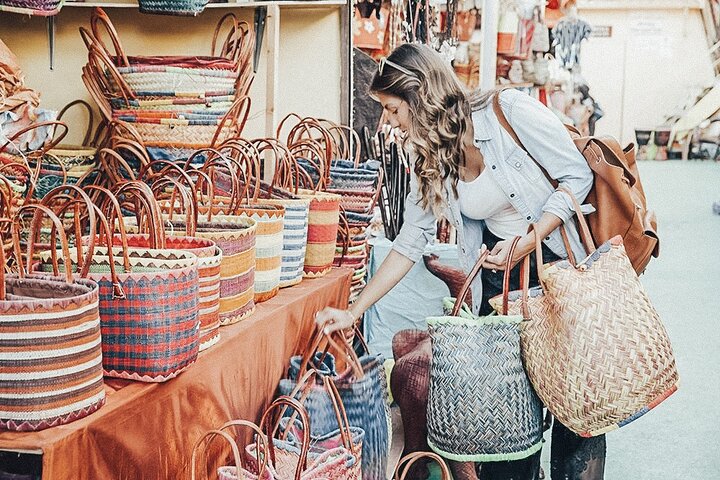
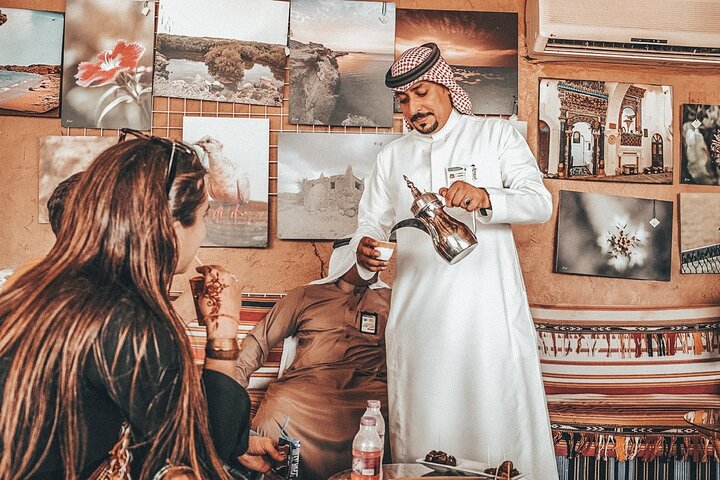
Continue to Al Fahidi Historical District and visit the home of Arabic coffee, the famous Coffee Museum. Learn the fascinating legends about the origins of coffee and sample a cup of the finest Eastern coffee. Turn around the corner and continue your tasting by savoring special Iranian kebab at the spot very popular with locals.Explore the other example of religious mix of Dubai by finding a hidden Shiva Temple. Trace the location of this place by searching around the narrow lines of Bur Dubai Old Souk. Proceed to the Textile Souk, the oldest trade hub of the region where you can buy finest Arabic-style clothing and souvenirs.
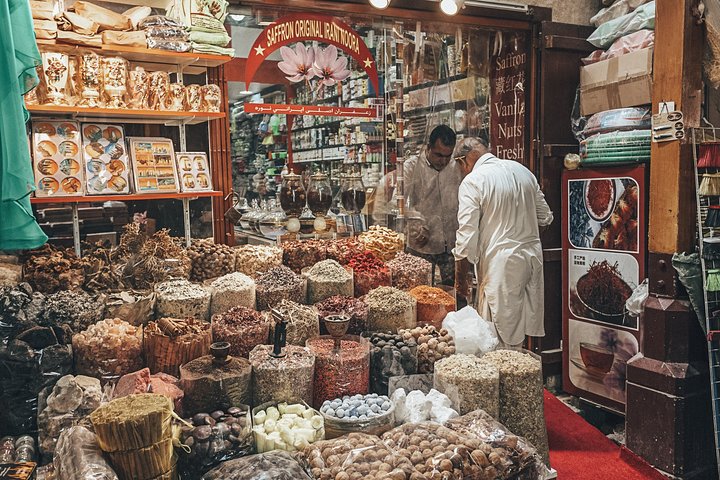
Head to another tasty spot where you will try traditional Indian snacks such as Onion pakoda, and samosa. Then cross the Dubai Creek by traditional wooden “abra” boat and wander another vibrant souk of Dubai, the Spice Souk.
Let the charming scents of this place lead you to the many spices, herbs and perfumes this bazaar can offer. End you day in a splendid fashion by participating in the traditional dates tasting.Your first stop is the Holy Trinity Church in the Oud Mehta district. During the period from 16th to 19th century this area was under the strong influence of Portugal and later the British Empire. The church is the symbol of old connections with western countries as well as the hub for all of the local Christians.Explore the rich history of coffee inside the atmospheric Coffee Museum. Trace the origins of this prestige drink all the way back to the 15th-century Yemen and Ethiopia. Learn the fascinating legends about Moroccan mystics that discovered the vitalizing effect of coffee.The Shiva Temple, also known as the Hindu Temple, is the center of Hinduism in United Arab Emirates. It is the only temple in the region devoted to this religion and serves as a representation of trade connections between India and Arabian Peninsula. Temple was built in the 20th century at the vibrant lines of the Bur Dubai Old SoukThe Textile Souk was developed as the result of Dubai’s major trade role on the Persian Gulf. Trade with wealthy India and Persia stimulated foreigners to begin trading in the Dubai. And the many souks on both sides of Dubai Creek started to emerge. Textile Souk was one of the first in the Bur Dubai and has preserved its traditional architecture to our days.Cross the Dubai Creek via traditional wooden “abra” boat. Learn about its trade significance for Arabian Peninsula and get the authentic experience of exploring Dubai by crossing the Dubai Creek by traditional wooden “abra” boat. While sailing across the creek you will have plenty of time to admire majestic landscapes of the city.Your last stop is the Deira district, the historic commercial center of Dubai. Here you will introduce yourself to vibrant souk, full of fragrant spices and herbs of the famous Dubai Spice Souk. Explore the narrow lanes this bazaar and discover its finest goods together with your guide.