Tanzania · Bird Watching

21-Day Tanzania Birding Tour with Endemics from Arusha to Pemba

21 Days Round trip from Kilimanjaro Airport Rd Moderate pace

The journey

Trip highlights
  • 01 Bird across Tanzania's major hotspots, from Arusha and Tarangire to Ruaha and Pemba Island
  • 02 Search for Tanzanian endemics, including Beesley's Lark and Kilombero floodplain specials
  • 03 Explore the ancient Eastern Arc mountain forests of the West and East Usambaras, Uluguru, and Udzungwa
  • 04 Visit Pemba Island and bird the shores and Ngezi Forest Reserve for its island endemics

Sign up for this mega birding tour covering almost every birding hotspot in Tanzania, from the north of the country to the Southern Highlands and Pemba Island. Go on several long and short walks in search of secretive birds, including endemics and species new to science. Along the way, bird in renowned parks and mountain forests such as Arusha, Tarangire, the Usambaras, Uluguru, Udzungwa, Ruaha, and Ngezi Forest Reserve.

This lovely area became famous as recently as 1986, when a survey team located three new species to science: White-tailed Cisticola, Kilombero Cisticola, and Kilombero Weaver.

From the itinerary

At a glance

What this trip includes

Duration 21 Days
Tour type Private
Activity level Moderate
Accommodation Included · Standard
Transport Included
Wheelchair access No
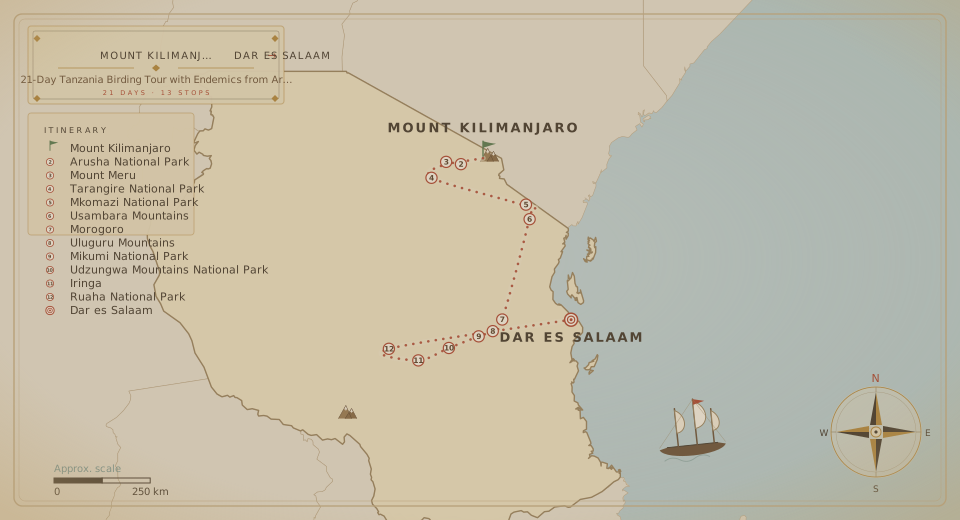
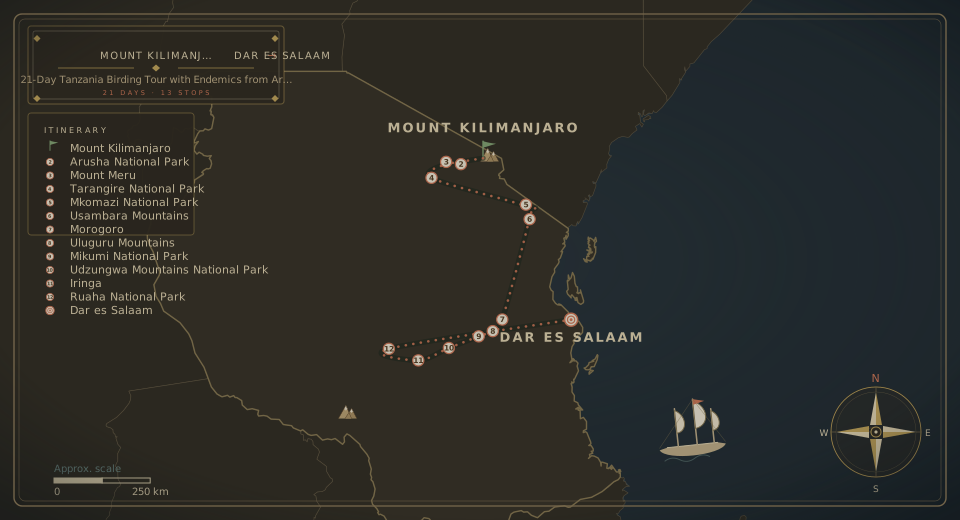
Cities Arusha, Dar es Salaam, Iringa, Morogoro, Mount Kilimanjaro, Mount Meru, Mikumi National Park, Usambara Mountains, Ruaha National Park, Tarangire National Park, Udzungwa Mountains National Park, Arusha National Park, Uluguru Mountains, Mkomazi National Park
Languages English

Day by day

The itinerary

1
Day 01

Arrival at Kilimanjaro and Lodge Birding

  • Connect with your tour guide, who will pick you up from Kilimanjaro International Airport (KIA) and transfer you to your lodge. There will be an evening birding activity around the lodge if time allows.

Dinner and overnight at a Mountain Lodge.

Activity: Optional bird walk around the hotel grounds.

2
Day 02

Birding on Mount Meru in Arusha National Park

  • Have breakfast and spend the first full day on Mount Meru, an impressive volcano that looms over Arusha town. The montane zones offer chances to see many birds, including both Narina and Bar-tailed Trogon, White-headed Barbet, Red-winged Starling, and turacos.
  • As we drive up the mist-enshrouded slopes, the yellowwood trees become draped in Usnea old man's beard lichen, and we search for skulking gems such as Green-backed Twinspot, White-starred Robin, Evergreen Forest Warbler (B. lopezi), Orange Ground Thrush, Abyssinian Ground Thrush, and the dapper Brown Woodland-Warbler. The two thrushes are not easy to see in the thicket.
  • We will enjoy lunch within the national park. Thereafter, we will have a slow-paced descent while searching for difficult canopy species such as Kendricks, Abbott's, and Sharpe's Starlings.

Meals and overnight at Maasai Lodge.

Activity: Slow-paced birding, with very short walks inside the park.

3
Day 03

Lark Plains Birding en Route to Tarangire

  • After breakfast, we drive around the looming Mt. Meru to the lark plains. These grasslands are home to the last 200+- Beesley's Larks on Earth, and we will search for this critically endangered Tanzanian endemic. The plains are lined by Drepanolobium whistling thorn trees, while the hills offer scrubby habitat that can deliver Red-fronted and White-headed Barbets, Red-throated Tit, eremomelas, four other lark species, and crombecs. The thicket habitat and riparian strips offer many great birds.
  • Early arrival at the lodge.

Dinner and overnight at a tented camp.

Activity: Slow bird walks in the lark plains.

4
Day 04

Full-Day Birding in Tarangire National Park

  • After breakfast, enjoy a full day in Tarangire with a picnic box, where we shall experience some of northern Tanzania's finest birding. The low baobab-clad plains and fever-tree groves support many notable species, including three Tanzanian endemics: Ashy Starling, Yellow-collared Lovebird, and Rufous-tailed Weaver.
  • Late arrival at the lodge.

Dinner and overnight at a Game Lodge.

Activity: Full-day birding in the park, with no walking today.

5
Day 05

Nyumba ya Mungu Reservoir Birding to Same

  • After breakfast, pack up and depart for Same.
  • We will make a small detour to some very nice habitat just short of Nyumba ya Mungu Reservoir. Species expected here include Rufous and Scaly Chatterer, Pringle's Puffback, Southern Grosbeak Canary, Yellow-necked Weaver, Pygmy Batis, Somali Bunting, Pink-breasted Lark, Abyssinian White-eye, Red-fronted Warbler, and many more birds.
  • After that, we will head for a small woodland just outside Mkomazi National Park, where we will hunt for species such as Tsavo, Black-bellied, and Hunter's Sunbird, Red-and-yellow, Black-throated, and D'Arnaud's Barbets, Grey Wren-Warbler, Fischer's Starling, Straw-tailed Whydah, and many more birds.

Dinner and overnight at a motel.

Activity: Slow-paced birding en route to the reservoir, with a long day drive and a few stops.

6
Day 06

Birding South Pare Road to West Usambaras

  • After breakfast, drive to the South Pare road, birding en route at stops near the road and at a 500-meter site, where we will see plenty of other birds as well. This offers a great diversity of birds.
  • Enjoy a picnic lunch en route to the West Usambaras.
  • Arrive in the West Usambaras in the evening, hopefully with time for some late birding at the Mkuze Forest Reserve prior to arrival at Muller's Mountain Lodge. New introductions might include Forest Batis and others.

Dinner and overnight at a Mountain Lodge.

Activity: Slow-paced birding for the endemics of the Eastern Arc Mountains.

7
Day 07

Full-Day Birding in West Usambara Highlands

  • Spend a full day in the West Usambara Mountains at Magamba Forest. Good stands of forest support a species found nowhere else in the world, the Usambara Akalat, and the area is also home to the very localized Usambara Weaver.
  • Other rare forest gems we shall be looking for include Oriole Finch, Spot-throat Modulatrix, Usambara (Mountain) Greenbul, Fulleborn's Boubou, Red-capped Tailorbird, and many others.

Overnight at the quaint Muller's Lodge, which offers great birding, homemade meals, and colonial-atmosphere accommodation.

Activity: Early morning wake-up birding and walks in the West Usambaras.

8
Day 08

To East Usambaras and Amani Nature Reserve

  • We will make our way to the northern extension of the ancient Eastern Arc Mountains. Although these mountains are geographically very close to the West Usambaras, the avifauna is dramatically different, hinting at an age when Asia and Africa were joined. These mountains are an incredibly exciting birding destination. The lowland coastal forests at Kambai and the Sigi section of the Amani Reserve support a plethora of exciting forest birds, including the magical Chestnut-fronted Helmet-shrike, Red-tailed Ant-thrush, and the stunning Green-headed Oriole, along with many other target birds for the day.

Dinner and overnight at Emau Hills.

Activity: Slow-paced birding en route to the East Usambaras, with a few highway stops.

9
Day 09

Highland Birding in East Usambara Amani Reserve

  • On this day, we shall concentrate on the magical high-altitude avifauna of the Eastern Arc Mountains. This ancient arc of crystalline mountains is packed with real specials such as Forest and Pale Batis, Banded Green, Amani and Uluguru Violet-backed Sunbirds, Green Barbet, Fischer's Turaco, White-breasted Alethe, and the bizarre and exceptionally rare Long-billed Forest Warbler (Tailorbird).

Meals and overnight at Emau Hills.

Activity: Early morning wake-up birding and walks in the East Usambaras.

10
Day 10

Birding via Wami Bridge to Morogoro

  • After breakfast, depart with a picnic box for a full day of birding en route.
  • Drive towards Wami Bridge for Bohm's Bee-eater on the main Tanga-Chalinze Highway, then continue to Morogoro, where you will have a few good birding spots along the way.

Meals and overnight at Hotel Morogoro.

Activity: Long day drive from the northeast to the south, with a few birding stops but mostly highway driving.

11
Day 11

Uluguru Mountains Day Trip from Morogoro

  • Today will be an early morning start as we leave the town of Morogoro for the high forests of the Uluguru Mountains.
  • We will depart with four-wheel-drive vehicles in search of our target species. Note that we are not going for serious hiking up the mountain or camping, but only doing a day-trip birding excursion. There will be partial walking in search of Uluguru Bush-shrike, Angola Swallow, and Bertram's Weaver. The forest edge and bush will also provide some superb birds, and we are likely to encounter Southern Citril, Yellow-bellied Waxbill, Evergreen Forest Warbler, Dark-capped Yellow Warbler, and Bar-throated Apalis, among others.

Dinner and overnight at Hotel Morogoro.

Activity: Very early morning wake-up birding, plus 2-3 hours of hiking and walks along the forest edges.

12
Day 12

Travel to Mikumi with En Route Birding

  • Today, we make our way to Mikumi with birding en route.
  • We will keep a lookout for raptors, the sought-after Pale-billed Hornbill, White-crested Helmetshrike, Zanzibar, Black-winged and Yellow Bishops, and White-winged Widowbird with orange shoulder patches of the distinctive subspecies eques. This is mainly a travel day, and we plan to arrive in Mikumi in the early evening for evening birding and a game drive.

Dinner and overnight at a tented camp.

Activity: Miombo woodlands birding en route, with a few stops for bird parties.

13
Day 13

Mikumi Kilosa Road to West Udzungwa Forest

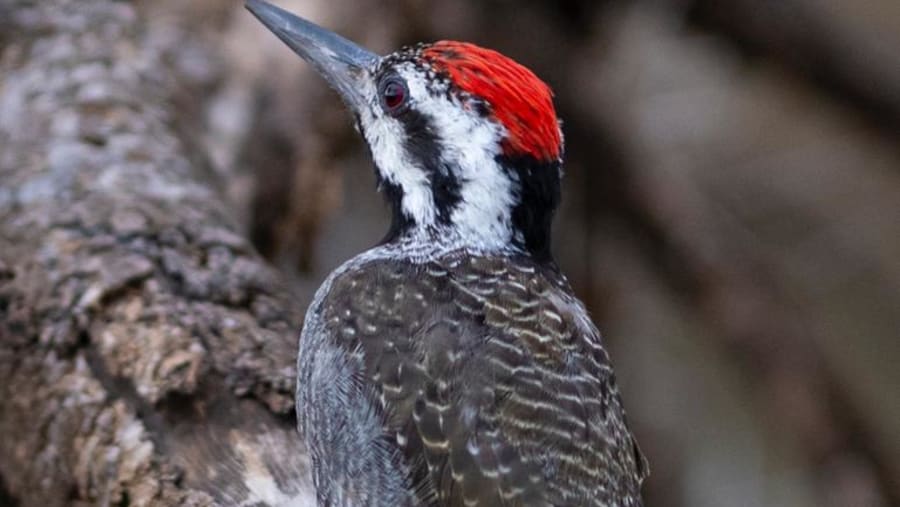
  • We have a half-day to explore this fabulous reserve on the Kilosa road for numerous broad-leaf and miombo specialities, including Brown-necked Parrot, African Barred Owlet, Bohm's Spinetail, Racket-tailed Roller, Pale-billed Hornbill, elusive Speckle-throated Woodpecker, Cinnamon-breasted Tit, Stierling's Wren-Warbler, Green-capped Eremomela, Yellow-bellied Hyliota, Miombo Blue-eared Starling, Kurrichane Thrush, Bearded Scrub-Robin, Arnot's Chat, Pale Flycatcher, and Shelley's Sunbird. The subspecies that occurs here may be split.
  • Other species we may see in the park include Crested Barbet, Brown-backed Honeybird, Red-throated Wryneck, Golden-tailed Woodpecker, Croaking Cisticola, Neddicky, and Yellow-bellied Eremomela.

Dinner and overnight at Udzungwa Falls.

Activity: Early morning wake-up birding and walks on the Kilosa road.

14
Day 14

Kilombero Floodplain Birding in West Udzungwa

  • Spend a full day in the West Udzungwa Mountains, another exciting location, and in the Kilombero River floodplain. This will include sailing in a wooden boat while birding. This lovely area became famous as recently as 1986, when a survey team located three new species to science: White-tailed Cisticola, Kilombero Cisticola, and Kilombero Weaver. These species are confined to the floodplain area of the Kilombero River.

Dinner and overnight at Udzungwa Falls.

Activity: Birding for the Kilombero floodplain endemics.

15
Day 15

Long Drive to East Udzungwa Mountains

  • Today we will depart early on the long drive to the East Udzungwas. We will again have a chance to search for Uhehe Fiscal and Kipengere Seedeater on the way out.
  • Travelling north, we pass through a wonderful baobab forest, stretch our legs, and enjoy some open-country birding. Species we may encounter here include the impressive endemic Tanzanian Red-billed Hornbill.
  • We should arrive in the afternoon for a rest and overnight at the Iringa Hotel.

Activity: Slow-paced birding en route to the East Udzungwa Mountains.

16
Day 16

Udzungwa Scarp Forest Birding and Walks

  • Full-day birding and partial hiking in the Uluti Forest scarp. The mornings are generally the most productive for birding, and you will attempt to track down some of the serious skulkers that inhabit these forests, such as the rare Dappled Mountain Robin, Iringa and Sharpe's Akalat, White-chested Alethe, Spot-throat, Swynnerton's Robin, Rufous-winged Sunbird, and others.
  • Other great birds include a number of flock-associated species such as White-tailed Crested Flycatcher, Yellow-throated Woodland Warbler, Grey Cuckoo-shrike, Bar-tailed Trogon, Yellow-rumped Tinkerbird, Shelley's and Yellow-streaked Greenbuls, and Black-headed Apalis.

Overnight at Iringa Hotel.

Activity: Early morning wake-up birding and walks in the East Udzungwas (Uluti Forest).

17
Day 17

Southern Highlands Birding to Kisolanza

  • After breakfast, head to Kisolanza, a very nice birding destination with plenty of birds. This is the Southern Highlands of Tanzania, and it provides easy access to Ruaha National Park. There will be highway stops for some other highland species, such as Jackson Widowbird, Kurrichane Thrush, Whyte's Barbet, Miombo Wren-Warbler, Fulleborn's Longclaw, Reichard's Seedeater, Fawn-breasted Waxbill, Miombo Double-collared Sunbird, Jackson Widowbird, Locust Finch, Miombo Rock Thrush, Lesser Jacana, Reichard's Seed-Eater, Wing-snapping Cisticola, and others.

Dinner and overnight at Kisolanza Farm.

Activity: Slow-paced birding en route to the Southern Highlands.

18
Day 18

Birding to Ruaha National Park

  • After breakfast, depart with a picnic box for a full day of birding en route as you drive towards Ruaha National Park.
  • Look out for the Ruaha and Southern Highlands specialities. Among others, you will be looking for Ruaha Chat, Ruaha Hornbill, Variable Indigobird, Rufous Bush Chat, Reichard's Seedeater, Cabanis's Bunting, Miombo Sunbird, and Coppery-tailed Coucal.

Dinner and overnight at Ruaha Lodge.

Activity: Slow-paced birding at Kisolanza Farm en route to Ruaha National Park.

19
Day 19

Flight to Pemba Island and Shore Birding

  • Explore Pemba, one of the legendary Spice Islands, laden with cloves that are spread out on the streets throughout the island. The friendly people and laid-back culture encapsulate what Zanzibar must have been like before tourists overran it.
  • Do birding around the lodge shores. On the seashore, possible species include the spectacular Crab Plover, as well as Sooty Gull, Saunder's, Gull-billed and Lesser Crested Terns, and waders.

Dinner and overnight at Pemba Hotel.

Activity: Morning birding en route to Msembe Airstrip for the Zanzibar flight.

20
Day 20

Full-Day Birding in Ngezi Forest Reserve

  • Head to the exciting Ngezi Forest Reserve to look for the island's other endemic birds: tiny Pemba Scops Owl, Pemba Sunbird, Pemba White-eye, and Pemba Green Pigeon, and maybe one of the introduced species, Java Sparrow, along with other interesting species. At a mere 14 km2, Ngezi Forest Reserve is the largest remaining forest patch on the island.

Meals and overnight at Pemba Hotel.

Activity: Early morning wake-up birding and walks on the island.

21
Day 21

Departure via Pemba Airport

  • Today, you will be driven to Pemba Airport and connect with your scheduled domestic flight to Dar es Salaam/Kilimanjaro Airport.
  • Upon arrival, you will connect with your outbound international flight back home.

Activity: International departures out of Dar es Salaam Julius Nyerere International Airport/Kilimanjaro Airport.

Mount Meru mist-enshrouded slopes, Tarangire National Park baobab plains, Usambara Mountains forest, Ngezi Forest Reserve on Pemba Island

Where this trip takes you

Mount Meru mist-enshrouded slopes, Tarangire National Park baobab plains, Usambara Mountains forest, Ngezi Forest Reserve on Pemba Island

The route

Where you'll travel

Tour route map
Round trip from Kilimanjaro Airport Rd 14 cities · 21 Days

The fine print

Trip details

What's Included

  • Special converted safari vehicle
  • Services of professional multilingual birding guides
  • Mineral water in the vehicle on safari drives
  • All park entry, concession, and conservation fees as per the itinerary
  • Accommodation and meals as per the itinerary
  • Round-trip transfer to/from Dar/Pemba International Airport
  • All safari activities as listed in the itinerary
  • Scheduled domestic flight

What's Not Included

  • Items of a personal nature
  • Gratuities
  • Excursions other than those specified
  • International flights and departure taxes
  • Insurance

What to bring

  • Camera - pictures are some of the strongest memories for the future.
  • Enough clothes, shoes, and personal items.
  • Good binoculars.
  • Drinking water bottles for refilling.
  • Other items for personal use.

Know before you go

  • It is basically a mega birding tour.
  • It covers various climatic conditions within Tanzania.
  • It will include driving, walking, and hiking.

Logistics

Meeting & route

Meeting point
Kilimanjaro International Airport - KIA (JRO), Kilimanjaro Airport Road, Tanzania
Tour start
Kilimanjaro Airport Rd, Tanzania
Tour ends at the same location as the start point.
End of the journey

Your 21 days finish where they began, in Kilimanjaro Airport Rd.

Watch the tourHQ film Watch the film

Create your own adventure

Can't find the perfect tour? Tailor your dream trip.

  • Tell us your destination, dates and group size.
  • Our travel experts and local guides design a tailored itinerary, just for you.
  • Enjoy your trip with peace of mind, knowing everything is taken care of.
Plan my holiday

Say goodbye to travel stress.

Starting from

USD 7,320 /person
Book This Tour

When

Travellers

Total