Uganda · Wildlife

4-Day Bwindi Gorilla Tracking Tour with Flights from Entebbe

4 Days Round trip from 14 Kitaasa Rd Hard pace

The journey

Trip highlights
  • 01 Spend time on the beautiful beaches along the banks of Lake Victoria
  • 02 Stroll through the magnificent Botanical Gardens or visit Ngamba Island Chimpanzee Sanctuary
  • 03 Enjoy a village walk in Bwindi featuring Batwa pygmy culture, a banana brewery, and Mukono Primary School
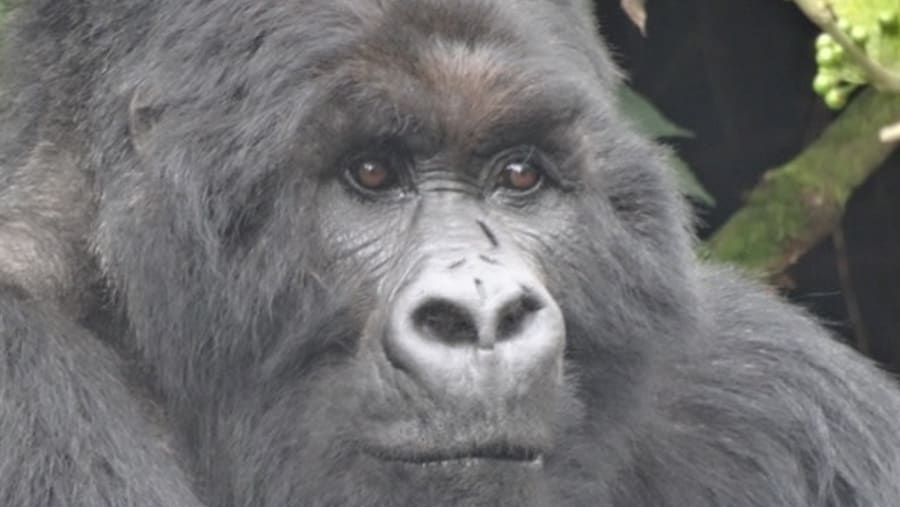
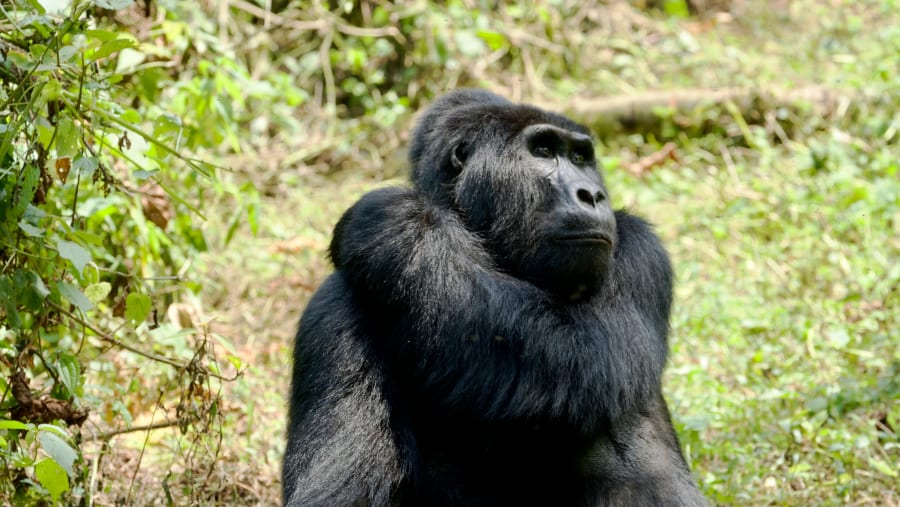
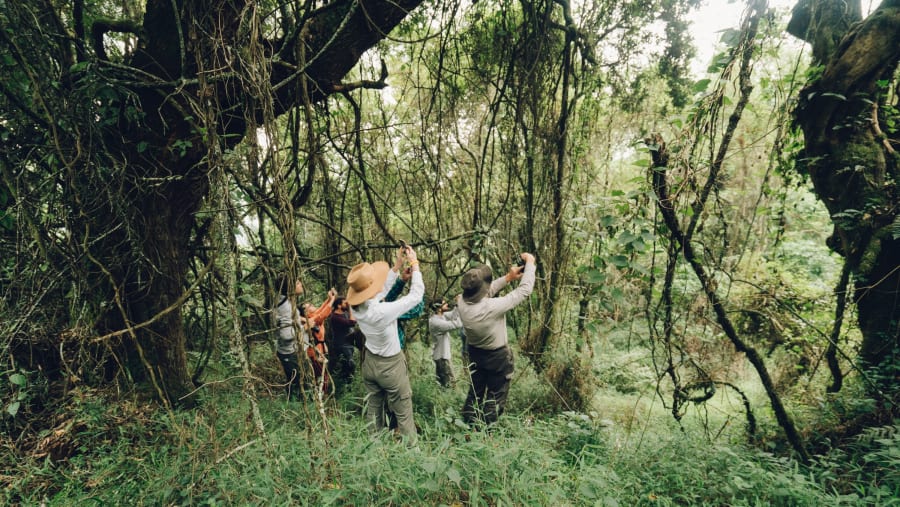
  • 04 Track majestic mountain gorillas in Bwindi and spend approximately one hour with them
  • 05 Visit waterfalls, take a coffee tour, or see rescued pangolins after your trek

Experience the beauty of Uganda on this 4-day tour combining Entebbe and Bwindi Impenetrable Forest. Spend time around Lake Victoria, with options to enjoy the beaches, stroll through the magnificent Botanical Gardens, or visit Ngamba Island Chimpanzee Sanctuary. Fly to Bwindi for a village walk featuring Batwa pygmy culture, a banana brewery, and Mukono Primary School, then track majestic mountain gorillas and spend time with them in their forest habitat. Return to Entebbe with time to relax or explore before your onward flight.

Track gorillas, and after approximately one hour with them, have your packed lunch before returning to your appointed lodge to recover from the hike.

From the itinerary

At a glance

What this trip includes

Duration 4 Days
Tour type Private
Activity level Hard
Accommodation Included · Standard
Transport Included
Wheelchair access Yes
Cities Entebbe, Bwindi Impenetrable National Park, Lake Victoria
Languages English

Day by day

The itinerary

1
Day 01

Arrival in Entebbe and Lake Victoria Stay

  • Arrive at Entebbe and transfer to Marriot Protea, Lake Victoria Serena, K Hotel or a similar hotel. Situated on a peninsula in Lake Victoria, the former seat of Uganda's government, Entebbe is just a short drive from the current capital and offers plenty to keep visitors amused. Tourists can look forward to spending the day on beautiful beaches along the banks of Lake Victoria, strolling through the fields and forests of the magnificent Botanical Gardens, or paying a visit to Ngamba Island Chimpanzee Sanctuary, a haven for the country's orphaned chimps.

Option for dinner and overnight at Faze 3 Restaurant.

Dinner & Overnight: Bed & Breakfast

2
Day 02

Fly to Bwindi and Explore the Local Village

  • Check out and transfer to Entebbe International Airport to catch your 7:00 AM or 12:00 PM domestic flight to Kihihi Airfield, where your guide will transfer you to your appointed lodge in Bwindi.
  • Head for a village walk after lunch. This walk provides guests with an opportunity to support the local community while enjoying visits to various interesting places as you follow a walking trail through the village. Highlights include the Batwa pygmy culture, a banana brewery, and Mukono Primary School, where you may interact with the children.

Basis: Lunch, Dinner and overnight

3
Day 03

Mountain Gorilla Tracking in Bwindi

  • Arrange an early morning wake-up call at 6:30 AM and have breakfast before a briefing by the ranger-guide. Don't miss the opportunity to explore the spectacular Virunga Volcanoes.
  • Track gorillas, and after approximately one hour with them, have your packed lunch before returning to your appointed lodge to recover from the hike.
  • Return to your lodge for an afternoon at leisure. You may visit the waterfalls, take the coffee tour, or visit the rescued pangolins before dinner and overnight.
4
Day 04

Flight Back to Entebbe and Departure

  • After breakfast, transfer to Kihihi Airfield to catch your domestic flight to Entebbe International Airport, arriving at 11:15 AM in time to catch your departing flight.
  • Depending on your departure time, you may check into a day room, tour the beaches or the golf course along Lake Victoria, or pick up a souvenir from the crafts market.
Bwindi Impenetrable National Park gorilla forest, Lake Victoria beaches, National Botanical Gardens (Uganda)

Where this trip takes you

Bwindi Impenetrable National Park gorilla forest, Lake Victoria beaches, National Botanical Gardens (Uganda)

The route

Where you'll travel

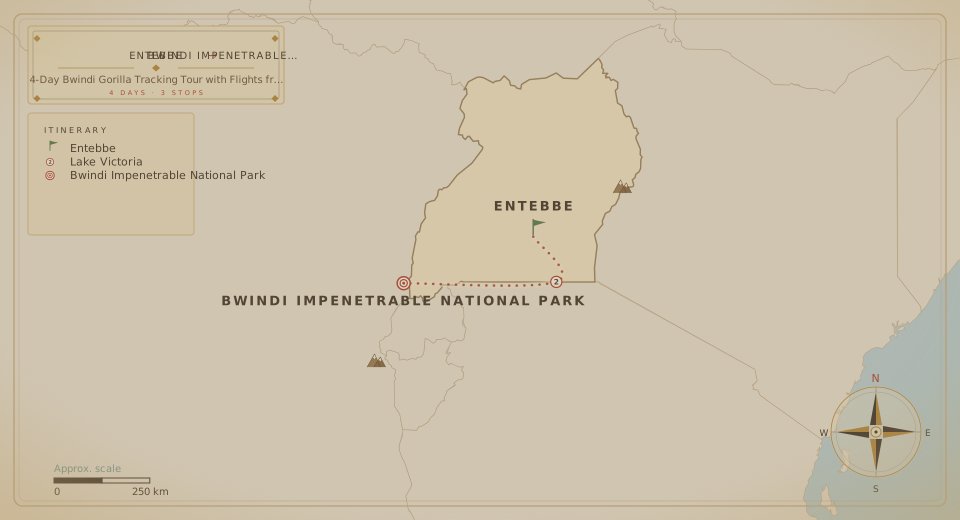
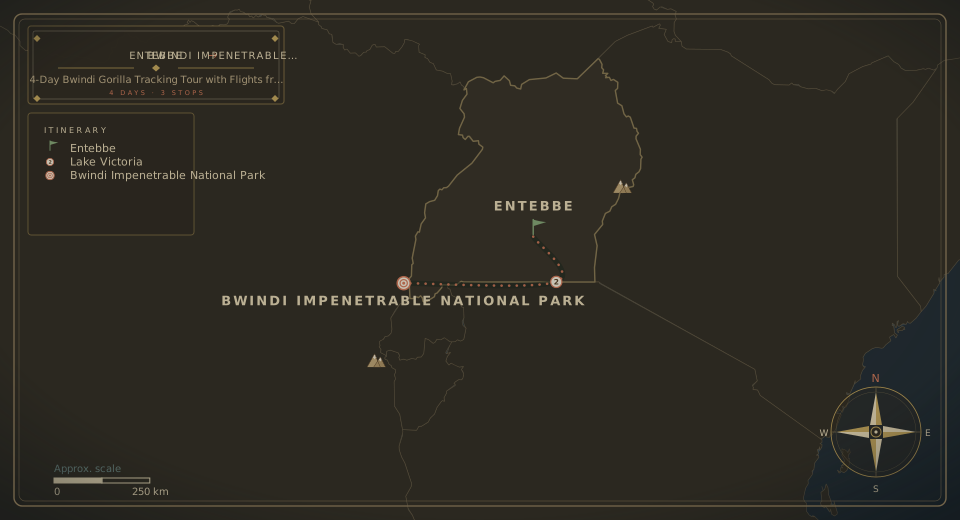
Tour route map
Round trip from 14 Kitaasa Rd 3 cities · 4 Days

The fine print

Trip details

What's Included

  • Accommodation on a full-board basis outside Entebbe only
  • Uganda tour guide
  • Gorilla permit
  • Batwa village walk
  • 4-wheel-drive vehicle and fuel
  • Flight to Entebbe
  • Transfers to and from Kihihi Airfield
  • English-speaking driver-guide
  • Emergency flying doctor rescue cover
  • Bottled water
  • Fresh fruit perks

What's Not Included

  • Visa $50
  • Meals en route
  • Premium drinks
  • Items of a personal nature
  • Activities in Entebbe/Kampala
  • Dayroom option
  • Tips and items not mentioned

What to bring

  • Wear shoes with good traction, suitable for stepping on muddy slopes.
  • Carry rain gear, sunscreen, and a hat, as the weather is unpredictable.
  • Carry 1 litre of water and food - the lodge shall arrange that.

Know before you go

  • You can also hire a porter if you require assistance with your backpack (recommended).
  • When taking photographs, remember your subjects are black animals in dim light, so use a fast film (400-800 ASA) and overexpose if possible.
  • The departure is at 8:30 a.m. If you are late, you lose your place and permit fee.
  • Keep your voice down or remain quiet. You will see and hear more if you do.
  • Do not point or wave your arms - this can be seen as a threat. Move slowly.
  • If approached by a gorilla, back away slowly to keep a 5-metre separation.
  • Do not use a flash - this could frighten the gorillas and bother other visitors.
  • Please always keep your voices low. You will then also be able to observe the great birdlife and other wildlife in the forest.
  • Do not leave rubbish in the park. Whatever you bring into the forest should be carried back out with you.
  • Always wash your hands before you head out to the gorillas.
  • Keep a minimum of 5 meters (15 feet) from the gorillas. This is to protect them from catching human diseases.
  • You must stay in a tight group when you are near the gorillas.
  • Keep your voices down at all times. However, it is OK to ask the guide questions.
  • Do not eat or drink while you are near the gorillas. Eating or drinking inevitably increases the risk of food or drink morsels and droplets falling, which could increase the risk of disease transmission.
  • Sometimes the gorillas charge. Follow the guide's example - crouch down slowly, do not look the gorillas directly in the eyes, and wait for the animals to pass. Do not try to take pictures and do not attempt to run away. Running away will increase the risk.
  • Flash photography is not permitted. When taking pictures, move slowly and carefully.
  • Do not touch the gorillas. They are wild animals.
  • The maximum time you can spend with the gorillas is one hour. However, if the gorillas become agitated or nervous, the guide will finish the visit early.
  • After the visit, keep your voices down until you are 200 metres from the gorillas.
  • Remember gorillas are very susceptible to human diseases. The following are ways to minimize the risk your visit might pose to them:
  • Respect the limits imposed on the number of visitors allowed with the gorillas each day. This minimizes the risk of disease transmission and stress to the group.
  • If you are feeling ill, or you are carrying a contagious disease, volunteer to stay behind.
  • If you feel the urge to cough or sneeze when you are near the gorillas, please turn your head away and cover your nose and mouth in order to minimize the spread of bacteria or viruses.
  • Always stay 5 metres (15 feet) away from the gorillas. The further back you are, the more relaxed the group will be.
  • Do not attempt to touch the gorillas.
  • Do not smoke, drink, or eat when you are with the gorillas.
  • Do not leave any rubbish (e.g. food wrappers) in the park; foreign items can harbour diseases or other contaminants.
  • If you need to defecate while in the forest, please ask the guide to dig you a hole with a machete. Make sure the hole is 30 cms deep and fill it in when you are finished.
  • Below is a list of the habituated gorilla groups and where they are located. The groups listed below are those currently available for gorilla tracking within Uganda.
  • Buhoma Area of Bwindi Impenetrable Forest
  • Mubare Group: this Mubare group (also called the M-Group) was the very first group to actually be habituated for tracking by tourists. The habituation started in 1991 and this group received its very first tracking visitors in 1993. Mubare Group is actually named after the stunning Mubare Hills in which this group was discovered.
  • Habinyanja Group: this Habinyanja Group was habituated for tracking in 1997 and received tourists in 1999. At the start, it was a huge group; however, a family split from it and became the Rushegura Group. These two groups crisscross each other now and again and co-exist peacefully.
  • Rushegura Group: this Rushegura Group was habituated for tracking in 2000 and received tourists in 2002. It is a huge group within the Buhoma area of Bwindi Forest.
  • Ruhija sector of Bwindi Impenetrable Forest - the habitat of the Bitukura Gorilla Group
  • Bitukura Group: this Bitukura Group is among the newest groups in Bwindi Forest. It is found and roams the verdant forest within the Ruhija area. There is restricted lodging in this area, although what is available is offered in moderate and high-class lodges.
  • Rushaga sector of Bwindi Forest - the habitat of the Nshongi Group as well as the Mishaya Gorilla Family
  • Mishaya Group: following a family dispute, the Mishaya Gorilla Family split from what was then the biggest gorilla group in Bwindi Forest - the Nshongi Gorilla Family - and the two still live within the Rushaga region in Southern Bwindi Forest.
  • Nshongi Group: this is currently the biggest habituated gorilla family in Uganda with 25 members. At the opening of the group for visitors after habituation, it comprised 25 members, and 10 left to form another family called the Mishaya Group.
  • Nkuringo sector of Bwindi Forest - which is among the more physically challenging, although rewarding, regions of the forest to enjoy gorilla tracking - habitat to the Nkuringo Gorilla Family.
  • Nkuringo Group: the accommodation facilities found at Nkuringo offer a breathtaking experience worth the cost of the gorilla permits. This is among the most challenging hikes in Uganda, although undoubtedly worthwhile, as it is one of the most pleasing. The group comprises 19 members and is a favourite for people who have tracked more than one group.
  • Uganda is known as an all-round travel destination for any tourist planning to travel. This is due to its climate and location on the equator. Another factor making Uganda a travel destination throughout the year is Lake Victoria and its unique weather patterns. Uganda mainly has two rainy seasons: the short season starts from October to November, and the long rainy season starts from mid-March to the end of May. When the best time to visit Uganda is a frequently asked question by visitors planning vacations to Uganda.
  • The average temperatures of Uganda are 21.5 C and 71 F. These also drop at night to around 54 F, which is affected by altitude. Rainfall in Uganda ranges between 1000-2000 mm every year. However, throughout the year the skies in Uganda are clear, which supports most safari vacations. These climate changes have brought about changes in weather patterns, making it harder to predict the seasons of the tourism year.
  • Regarding the best months to visit Uganda, many tourists choose to travel from May to September and from December to February since in these months the amount of rain has reduced and it is sunny in most destinations. December is one of the busiest months of the year in most national parks, and it is advisable to book accommodation in time to avoid disappointment. During the Christmas season, most Ugandans plan to take vacations to national parks, so December is always a peak season.
  • Visiting in the low season is okay for many tourists since the gorilla permits are cut from $600 to $450 to encourage travel even though it is the rainy season. Visiting in this season also means that you will enjoy the jungle with relatively low crowds. It is also said that February and September are good months for a safari vacation in Uganda since there are fewer tourists visiting and the lodges are not fully booked as they are in the high season.
  • The rainy season in Uganda affects people's travels, but that does not mean they do not travel completely, since this season is combined with both rain and sunshine. This means that the sun comes out as soon as it has rained, and most safari activities are able to be carried out without any disturbance. Mountain gorilla trekking, as well as chimpanzee trekking, goes on even during the rainy season, and the national parks are fully in operation.
  • During the low season of March to May and October to November, most lodges reduce their rates to attract more tourists to book with them, and this is an added advantage since even the gorilla permits are reduced to attract more tourists to Uganda.
  • More so, Uganda has a raised topography and this means that its climate is cool. However, if you are planning to come for a gorilla trek, it is really important to note the easiest trekking conditions despite the low rates in the low season. This means that the best time to come for gorilla tracking is during the two dry seasons of January and February and from June to September.
  • Game viewing in all the national parks of Uganda is perfect in the dry season: from February and March, September, and the beginning of October. This is mainly because the wildlife species are concentrated around water bodies within those parks. Birdwatching is best carried out between November and April when the migrant birds are present in the country, but it can also be enjoyed all year round. Tourists are, however, advised to avoid taking vacations during the heavy rain months of April and May in order to enjoy their vacations in Uganda.
  • Guide to Uganda's tourism season: High season months (June to September / December to February), low season months (March to May / October to November).
  • Although tracking mountain gorillas can be conducted all year round in these two countries due to the somewhat damp seasons experienced by the national parks in which these gorillas stay, the majority of tourists prefer visiting from June to September as well as from December up to February.
  • This similarly applies in Uganda, although there the rains begin in March and continue up to May. Certainly, the rains, although not very heavy, make it challenging to trek the sheer landscape. During that time, the rain falls for just one to two hours on about 3 days of the week, and for the rest, the sun is out. However, even in the dry months of Uganda, there are some little showers experienced in Bwindi.
  • The seasonality of the trackers can also be attributed to the overall weather back in their home countries. During summer, for instance in Europe, the number of gorilla safari trekkers is high, and then in winter it greatly lowers. Also, there are some trackers who take advantage of the seasonal discounts offered on the gorilla tracking permits. For example, Uganda Wildlife Authority lowered the cost of permits by thirty percent for all non-Ugandans for the months of May and November, when they go for $450. In the other months, the gorilla tour permit goes for $600. A number of accommodation facilities in the areas where the gorillas are found also offer discounts in these months.
  • Within Rwanda, the initial rains are experienced at the end of February, March, April, as well as May, and for that reason most tourists do not visit during that time since it is muddy and pretty wet while tracking the mountain gorillas. But during these very months, since it is raining, there is a lot of food for the gorillas on the lower slopes and the temperatures are lower there as well. Because of that, the gorillas stay on the lower slopes since food is easily accessible and it is warmer. Therefore, if you choose to track in these months, you will not have a very long trek and, in fact, most trackers find the gorillas after just two hours of trekking, meaning by 2:00 pm they are back at their lodge.
  • No matter what your explanation is, experience reveals that gorilla trekking can be enjoyed all year round and you will surely enjoy a great experience.

Logistics

Meeting & route

Meeting point
Entebbe International Airport, Kitaasa Rd, Entebbe, Uganda
Tour start
14 Kitaasa Rd, Entebbe, Uganda
Tour ends at the same location as the start point.
End of the journey

Your 4 days finish where they began, in 14 Kitaasa Rd.

Watch the tourHQ film Watch the film

Create your own adventure

Can't find the perfect tour? Tailor your dream trip.

  • Tell us your destination, dates and group size.
  • Our travel experts and local guides design a tailored itinerary, just for you.
  • Enjoy your trip with peace of mind, knowing everything is taken care of.
Plan my holiday

Say goodbye to travel stress.

Starting from

USD 2,037 /person
Book This Tour

Estimated room rates

Single Room $2,037.00 — $2,330.00
Double Sharing $2,037.00 — $2,330.00

When

Travellers

Total