


North and South Bonaire Island Tour
Tour Itinerary
1) Starting point: The Cruise Ship Port or your hotel/apartment
Cruise Ship Passengers: We will start our tour at the Cruise Ship Port and meet you 15 minutes prior to your tour departure. When you exit your ship, walk to the security gate - there will be only one security gate - and straight ahead you will see a sign that says, "INTERNET BOOKING". Someone from our team will be waiting for you there with your name on a sign.
Non-Cruise Passengers: We will pick you up at your accommodation. Please be ready to depart 15 minutes prior to the start time of your tour.
2) Kralendijk Bonaire Town Tour
At the start of the tour, we will tell you about the downtown area of Kralendijk.
Downtown Kralendijk consists of a few streets and is easily walkable. Kaya Grandi is the main street, where you will find most shops, restaurants, and cafes. After the tour, we can drop you off in the centre if you would like to do some shopping and walk around. If you're arriving by cruise, the ship port is about a 5-minute walk from the downtown district, and you will easily be able to see and walk back to your ship before departure.
3) Harbour Village Marina
Harbour Village Marina is one of two marina facilities on the island where both local and visiting yachts can book moorings and stay on the island. It's also a haven for surrounding boats during storms, offering shelter and calmer water. We will share more about the role of the marina on our tour.
4) Trans World Radio Bonaire (TWR)
Trans World Radio plays an important role in global radio and features a beautiful mural that you won't be able to miss. We'll tell you more about it on the tour and give you a chance to take a photo.
5) Hato
Many of the island's hotels are located in a neighborhood called Hato. We'll be passing through parts of this neighborhood and sharing information as we head north.
6) Sabadeco
Here you will see some of the largest homes on Bonaire. Your guide will share why people from all over the globe are moving to this area in particular and why it is valued so highly.
7) 1000 Steps
At 1000 Steps, we will be making a stop where you will be able to get out, walk around, and take some pictures of the beautiful scenery and clear blue ocean. Whether you choose to descend the steps to the ocean or stay on top, you will still have a nice view of the area and coast.
8) Tolo Dive Site
Tolo Dive Site is one of the best dive sites on the island due to the large reef and schools of fish that inhabit this area of coral cliffs. From a distance, you will see interesting boulder patterns, and your guide will point out lines on the cliffs that show where the water level was thousands of years ago.
9) Landhuis Karpata
From the 17th century up until 1863, Bonaire, like many islands in the Caribbean, relied on slave labor to work plantations and the salt pans. Throughout the island, you will see remnants of this time that serve as reminders of the hard work and hands that built the island's economy during this dark period. Here at Karpata, you will see a building where the women and children would stay during the week.
10) BOPEC
Like all places, oil and resources play an important role in daily life on Bonaire. But unlike many places, islands do not allow for a natural supply found locally. Here at BOPEC, your tour guide will show you some of the island's oil tanks and explain the reason for their placement here on the island.
11) Goto Lake or Goto Zout or Flamingo Meer
Goto (pronounced Go-To) Meer is a beautiful protected reserve area where you will often see flamingos and native birds in their natural habitat. You will also see the sparkle of salt deposits and the dense greenery in this northern part of the island. As this is a protected area, we will not be exiting the vehicle, but you will have the chance to take photos and spot the flamingos. In the distance, you'll be able to see Brandaris, which is the tallest point on Bonaire, located in the Washington Nature Preserve Park.
12) Rincon
Rincon was the first official town established in the 16th century. Here you will see some of the oldest buildings on the island, typical local architecture, and learn why this location was chosen many years ago to be the first official settlement when Bonaire was discovered by the Spanish.
13) Cadushi Distillery
You will visit locally made liquor and spirits of Bonaire.
14) Bonaire Land Sailing Adventures
After Rincon, we will head to the windy and breathtaking east coast of Bonaire, where you can feel the crashing waves and often see roaming wild donkeys. We'll also pass Bonaire's Land Sailing Adventure track, where you can see people zipping around in their sail karts.
15) Seru Largu
We will be at the top of a hill where you will be able to see Bonaire from a high point in the middle of the island.
16) Nord Saliña
This is the second old neighborhood on the island where the Indians moved to.
17) Antriol
This is the largest neighborhood on Bonaire.
18) Inter Bonaire main street
Here your guide will tell you more about the Inter Bonaire main street.
19) Bonaire International Airport
Here you will see our pink airport, and we will share information about tourism and flights arriving and departing from Bonaire.
20) Te Amo Beach
Te Amo Beach, meaning "I Love You" Beach, is a beautiful public spot situated near Bonaire's airport. It has a tranquil and sandy shoreline with easy access to the water.
21) Donkey Beach
This is a nice local beach where local family and friends gather on the weekends and for celebrations.
22) Bachelors Beach
This is a local beach with very clear water.
23) Belnem
This is a fast-growing neighborhood on the island.
24) Delfins Beach Resort Bonaire
This is a large modern resort that has private beach access and a swim-up bar and restaurant for patrons.
25) Punt Vierkant
This is one of the very old lighthouses on Bonaire with great history.
26) Hilma Hooker
This shipwreck is a famous spot for divers.
27) Salt Pier/Pink Water
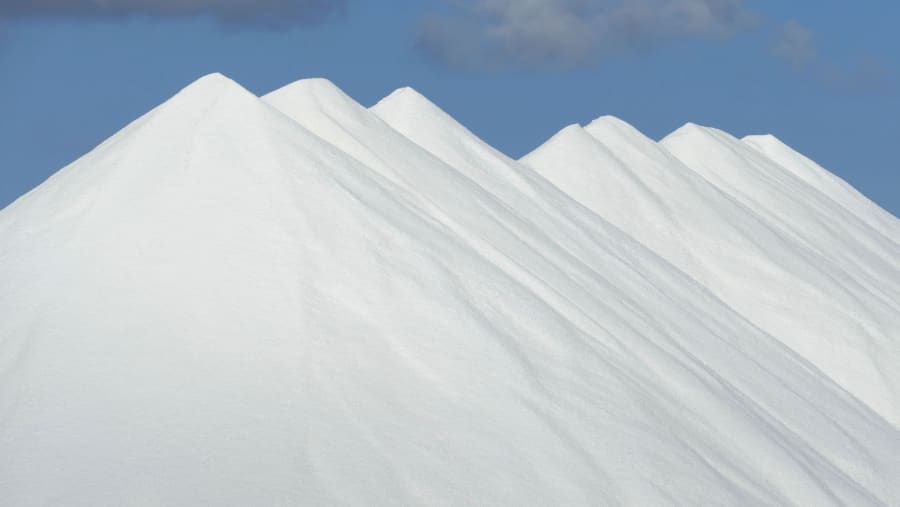
The Salt Pier is one of the most beautiful stops on the island. On your right, you will see our two-toned blue clear ocean, and on your left, you will see pink water and Bonaire's famous mountains of salt. We will be stopping here to take photos and allow you to ask questions and see the salt crystals and foam up close. At this stop, we'll be sharing information about the important role of salt on our island and why this spot in particular is special.
28) White Slave Huts
Here at White Pan, you will see the Slave Huts that were built in the 1850s. We'll take some time here to talk about the history and the unique corals on the island.
This will be our last point of interest. While driving back to downtown, we encourage you to ask questions, and we will share more about the island.