

Day 01
Explore Bikaner's Forts, Palace and Sacred Temple
- Meet your tour guide and start your full-day excursion in Bikaner.
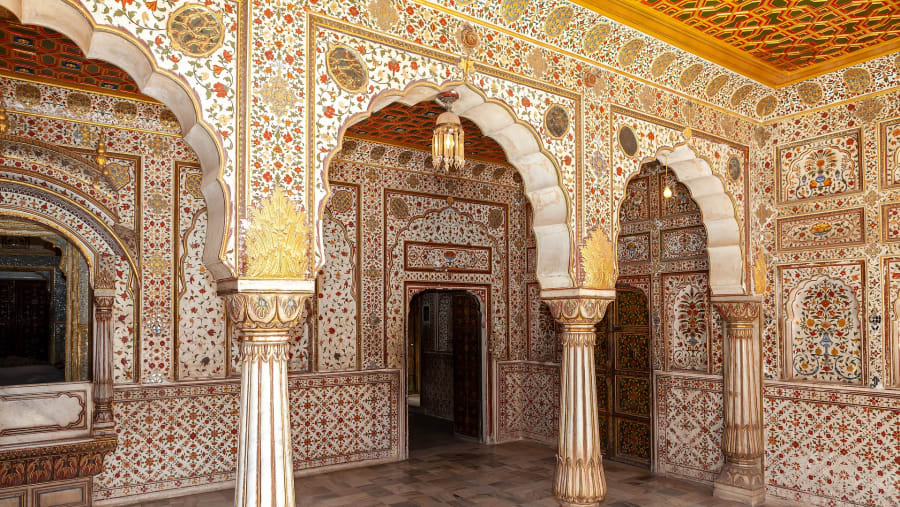
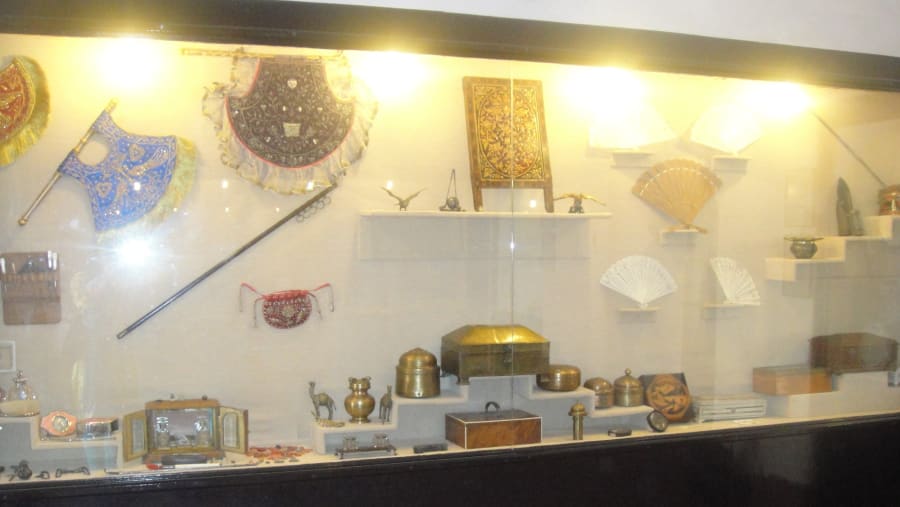
- Visit Junagarh Fort. The fort was erected in 1593 A.D. by Raja Rai Singh, the illustrious general of the Mughal emperor Akbar's army. The fortress is bounded by a moat and consists of 37 palaces and pavilions, including Chandra Mahal, Phool Mahal, and Karan Mahal. The museum within the fort encloses priceless miniature paintings and extraordinary antiques of great interest to art lovers.
- Head to the National Research Centre on Camel in Bikaner. This is one of the best places in India to learn about camels. This research centre was established in 1984 by the government and has since functioned as a breeding farm, museum, and a popular place for tourists to learn more about these animals and to experience a variety of cuisine made from camel milk. The place is located around 8 km from Bikaner and can be easily visited in an hour or two by boarding an auto-rickshaw or a taxi for a round trip from the city.
- Proceed to the sacred Karni Mata Temple (Rat Temple). The famous 600-year-old temple is situated 30 km from Bikaner in Deshnok. It is also known as Karni Mata Temple. This temple is dedicated to Karni Mata, an incarnation of Goddess Durga. The temple has massive, intricately carved silver gates, which Maharaja Ganga Singh donated. The most exciting thing about the temple is the rats who scamper freely within the precincts. They are regarded as sacred and fed by priests and devotees because it is believed they will be reincarnated in the goddess's family. These holy rats are called Kabbas; many travel a great distance to pay their respects. The temple draws visitors from across the country for blessings, as well as curious tourists from around the world.
- See Lalgarh Palace. This majestic palace, built by Maharaja Ganga Singh Ji in 1902, is a magnum opus in red sandstone. This architectural wonder was created through a fusion of Rajput, Mughal, and European architecture and exhibits superb craftsmanship in striking latticework and filigree work. One part of Lalgarh Palace has recently been leased and is being used as a heritage hotel.
Tour ends.