Nepal · Trekking

14-Day Everest Base Camp Trek from Kathmandu with Kala Patthar

14 Days Round trip from Kathmandu 44600 Moderate pace

The journey

Trip highlights
  • 01 Scenic flight to Lukla, the gateway to the Everest region
  • 02 Trek through picturesque Sherpa villages including Phakding and Namche Bazaar
  • 03 Reach the iconic Everest Base Camp beside the Khumbu Glacier
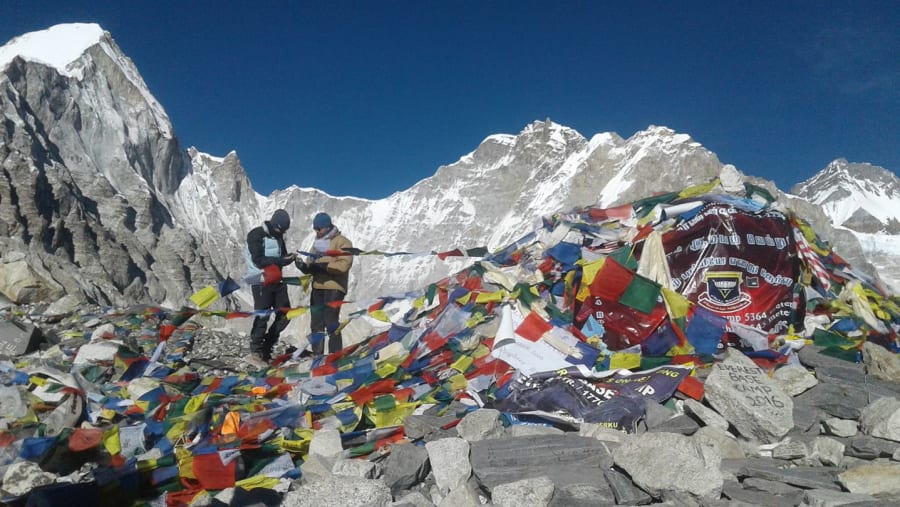
  • 04 Witness an awe-inspiring sunrise over Everest from Kala Patthar

Embark on a 14-day journey to the majestic Everest Base Camp, beginning with a warm welcome in Kathmandu and a scenic flight to Lukla. Trek through picturesque villages such as Phakding and Namche Bazaar, immersing yourself in the vibrant local culture as you make your way deeper into the Himalayas. Continue through Tengboche, Dingboche, and Lobuche before reaching the iconic Everest Base Camp and witnessing the awe-inspiring sunrise from Kala Patthar. Return to Lukla and Kathmandu with unforgettable memories of this remarkable Himalayan adventure.

Early morning hike to Kala Patthar, the best viewpoint to witness the sunrise over Everest.

From the itinerary

At a glance

What this trip includes

Duration 14 Days
Tour type Private
Activity level Moderate
Accommodation Included · Standard
Transport Included
Wheelchair access Not applicable
Cities Kathmandu, Everest Base Camp-South, Lukla, Dingboche, Namche Bazaar, Tengboche, Phakding, Lobuche, Kala Patthar, Gorakshep, Pheriche
Languages English

Day by day

The itinerary

1
Day 01

Arrival in Kathmandu and Thamel Exploration

  • Arrive in Kathmandu, the capital city of Nepal, where our representative will greet you.
  • Transfer to your hotel and receive a briefing about your trek.
  • Explore the vibrant streets of Thamel, a bustling tourist hub in Kathmandu.

Overnight stay in Kathmandu.

2
Day 02

Flight to Lukla and Trek to Phakding

  • Take an early morning scenic flight to Lukla, the gateway to the Everest region.
  • Start your trek to Phakding, a picturesque village along the Dudh Koshi River.
  • Enjoy the first views of the towering peaks of the Himalayas.

Overnight stay in Phakding.

3
Day 03

Trek Through Pine Forests to Namche Bazaar

  • Trek through beautiful pine forests, crossing several suspension bridges over the Dudh Koshi River.
  • Ascend gradually to Namche Bazaar, the bustling market town and the gateway to the Khumbu region.
  • Explore the lively streets of Namche and enjoy stunning views of Everest and the surrounding peaks.

Overnight stay in Namche Bazaar.

4
Day 04

Acclimatization in Namche Bazaar

  • Spend the day acclimatizing to the high altitude.
  • Optionally, hike to Everest View Hotel for panoramic views of Everest, Lhotse, Ama Dablam, and other peaks.
  • Explore the Sherpa Culture Museum and learn about the local culture and traditions.

Overnight stay in Namche Bazaar.

5
Day 05

Ridge Walk to Tengboche Monastery

  • Trek along the ridge above the Dudh Koshi River, with breathtaking views of the Himalayan peaks.
  • Pass through small Sherpa villages and rhododendron forests.
  • Reach Tengboche, home to the famous Tengboche Monastery, with stunning views of Everest and Ama Dablam.

Overnight stay in Tengboche.

6
Day 06

Tengboche to Dingboche Through Mountain Landscapes

  • Descend through lush forests and cross the Imja Khola.
  • Ascend gradually towards Dingboche, a picturesque village surrounded by stunning mountain views.
  • Enjoy the serene atmosphere and prepare for further altitude gain.

Overnight stay in Dingboche.

7
Day 07

Acclimatization Day in Dingboche

  • Take a rest day in Dingboche to acclimatize to the altitude.
  • Optionally, hike to Nagarjun Hill for panoramic views of Everest, Lhotse, Makalu, and Cho Oyu.
  • Explore Dingboche village and interact with locals.

Overnight stay in Dingboche.

8
Day 08

Khumbu Glacier Trail to Lobuche

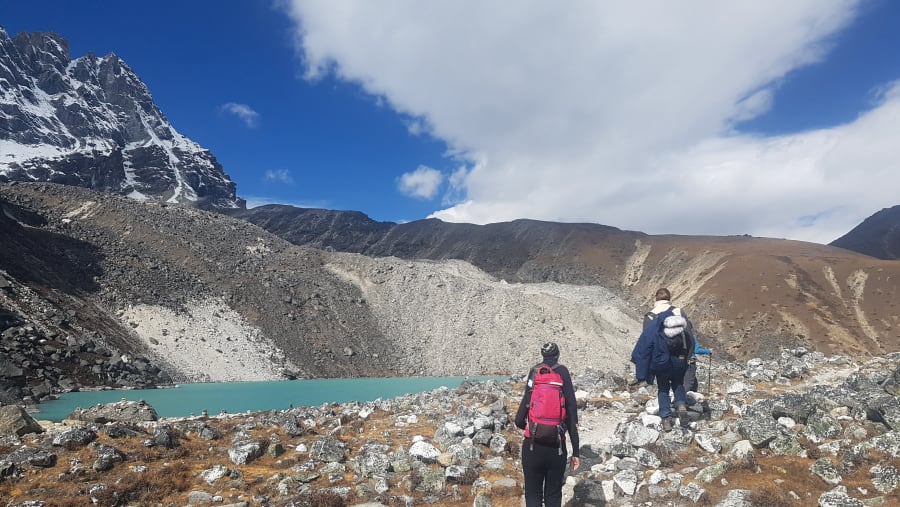
  • Trek along the moraines of the Khumbu Glacier with spectacular views of Everest and neighboring peaks.
  • Pass through the memorial site dedicated to climbers who lost their lives on Everest.
  • Ascend to Lobuche, a small settlement nestled amidst the rugged terrain.

Overnight stay in Lobuche.

9
Day 09

Everest Base Camp Trek and Overnight in Gorak Shep

  • Trek to Everest Base Camp, following the rocky trail alongside the Khumbu Glacier.
  • Reach the base camp of the world's highest peak and soak in the surreal surroundings.
  • Take memorable photos and celebrate your achievement.
  • Descend to Gorak Shep for an overnight stay.
10
Day 10

Sunrise at Kala Patthar and Descent to Pheriche

  • Early morning hike to Kala Patthar, the best viewpoint to witness the sunrise over Everest.
  • Enjoy unparalleled views of Everest, Nuptse, and the surrounding peaks.
  • Descend to Gorak Shep for breakfast and then continue trekking down to Pheriche.

Overnight stay in Pheriche.

11
Day 11

Return Trek to Namche Bazaar

  • Trek back through the scenic route, retracing your steps towards Namche Bazaar.
  • Enjoy the downhill trail and reminisce about your journey.

Overnight stay in Namche Bazaar.

12
Day 12

Final Descent to Lukla

  • Descend further down to Lukla, marking the end of your trek.
  • Celebrate the successful completion of your Everest Base Camp adventure with your fellow trekkers and guides.

Overnight stay in Lukla.

13
Day 13

Flight Back to Kathmandu and Farewell Dinner

  • Take an early morning flight back to Kathmandu.
  • Transfer to your hotel and enjoy a leisurely day in Kathmandu.
  • Explore more of the city or indulge in souvenir shopping.
  • Farewell dinner in the evening to celebrate the completion of your Everest Base Camp trek.

Overnight stay in Kathmandu.

14
Day 14

Departure from Kathmandu

  • Transfer to Tribhuvan International Airport for your onward journey.
  • End of the trip.
Kala Patthar sunrise, Everest Base Camp, Khumbu Glacier moraines

Where this trip takes you

Kala Patthar sunrise, Everest Base Camp, Khumbu Glacier moraines

The route

Where you'll travel

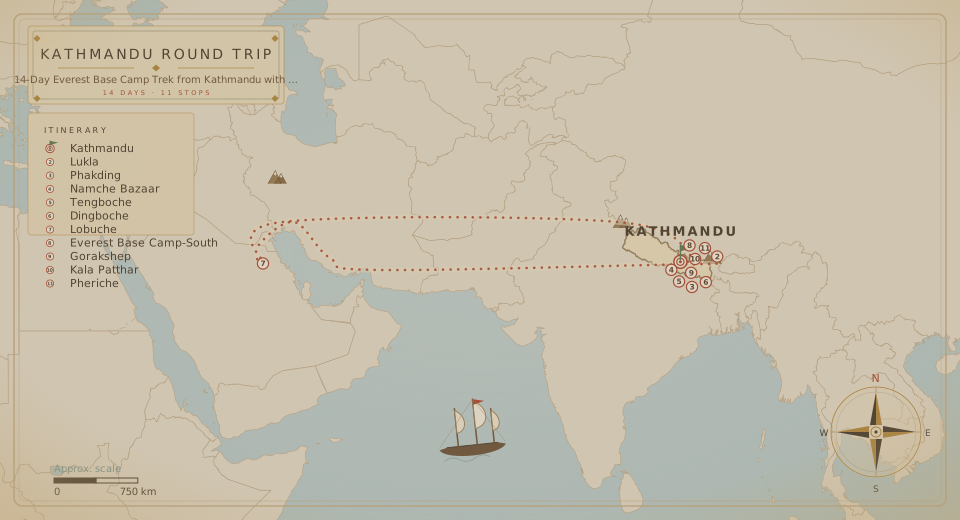
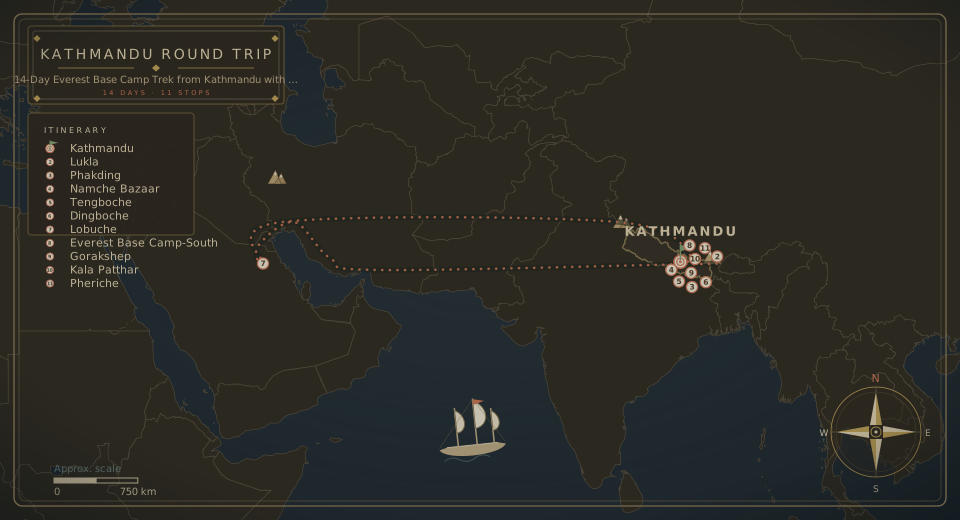
Tour route map
Round trip from Kathmandu 44600 11 cities · 14 Days

The fine print

Trip details

What's Included

  • Experienced guides: Expert local guides with extensive region knowledge will accompany you throughout the trek, ensuring safety, providing insights into the local culture, and assisting with any challenges.
  • Accommodation: Comfortable lodging arrangements in tea houses or lodges along the trekking route, offering a cosy retreat after a day of exploration. Accommodations typically include clean beds, blankets, and basic amenities.
  • Meals: Nutritious and hearty meals throughout the trek, including breakfast, lunch, and dinner. Enjoy a variety of local and international dishes, providing essential energy for your trekking endeavours.
  • Permits: Necessary permits and entry fees for the Everest region, allowing you to access the designated trekking trails and conservation areas legally and responsibly.
  • Transportation: Ground transportation between Kathmandu and the starting point of the trek, usually in the town of Lukla. This includes domestic flights from Kathmandu to Lukla, renowned for its thrilling landing strip amidst the mountains.
  • Porter services: Assistance from porters to carry your luggage, alleviating the burden of heavy packs and allowing you to focus on enjoying the journey and the stunning surroundings.
  • Safety equipment: Provision of essential safety equipment, such as first aid kits, oxygen cylinders, and communication devices, to ensure preparedness for any unforeseen circumstances.
  • Cultural experiences: Opportunities to interact with local communities, visit ancient monasteries, and immerse yourself in the rich cultural heritage of the Sherpa people, adding depth to your trekking experience.

What's Not Included

  • International flights: The cost of international flights to and from Nepal is typically not included in the trek package. Travellers are responsible for arranging their flights to Kathmandu.
  • Travel insurance: Personal travel insurance covering medical emergencies, trip cancellations, and evacuation services is not usually included but is highly recommended for your safety and peace of mind during the trek.
  • Personal expenses: Any personal expenses such as additional meals, snacks, beverages, souvenirs, or optional activities outside the itinerary are not included and should be budgeted separately.
  • Tipping: Gratuities for guides, porters, and support staff are not included in the package and are at the discretion of the trekkers. Tipping is customary in the region and serves as a token of appreciation for excellent service.
  • Additional permits: While the necessary permits for the Everest region are included, additional permits may be required for side trips or alternative routes, which would be the responsibility of the trekkers to obtain.
  • Personal equipment: Trekking gear such as trekking poles, sleeping bags, and appropriate clothing are typically not provided and should be brought or rented separately.
  • Embarking on the Everest Base Camp Trek is a remarkable journey that offers unparalleled natural beauty, cultural encounters, and personal fulfilment. With careful planning and preparation, trekkers can experience the majesty of the Himalayas and create memories that will last a lifetime.

What to bring

  • Embarking on the Everest Base Camp Trek is a dream come true for many adventure enthusiasts. Nestled amidst the towering peaks of the Himalayas, this iconic trek offers breathtaking scenery, challenging terrain, and a sense of accomplishment like no other. As you prepare for this epic journey, packing the right gear and essentials is crucial for a safe and enjoyable experience.
  • Sturdy backpack: Invest in a durable backpack with ample space to carry your essentials. Look for one with padded shoulder straps and a waist belt for added comfort during long treks.
  • Clothing layers: Dressing in layers is key to staying comfortable in the ever-changing mountain weather. Pack moisture-wicking base layers, insulating mid-layers, and a waterproof outer shell to stay warm and dry.
  • Hiking boots: A sturdy pair of hiking boots with ankle support is essential for navigating rugged terrain. Break them in before your trek to prevent blisters and discomfort.
  • Sleeping bag: Choose a high-quality sleeping bag rated for cold temperatures to ensure a restful night's sleep at higher elevations. Look for lightweight and compact options to save space in your backpack.
  • Trekking poles: Trekking poles provide stability and support on steep ascents and descents, reducing strain on your knees and legs. Opt for adjustable poles to customize the height according to the terrain.
  • Water purification: Carry a water purification system or water purification tablets to safely drink water from natural sources along the trail. Staying hydrated is crucial for acclimatization and overall well-being.
  • First aid kit: Pack a compact first aid kit containing essential supplies such as adhesive bandages, antiseptic wipes, pain relievers, blister treatments, and altitude sickness medication.
  • Sun protection: Protect yourself from the strong UV rays at high altitudes by bringing sunglasses, sunscreen with high SPF, lip balm with SPF, and a wide-brimmed hat or cap.
  • Headlamp or flashlight: A reliable headlamp or flashlight is essential for navigating trails in low-light conditions, especially during early morning hikes or evening treks.
  • Snacks and energy food: Pack lightweight, high-energy snacks such as trail mix, energy bars, nuts, and dried fruits to fuel your trekking adventures and maintain energy levels throughout the day.
  • Camera and batteries: Capture the stunning landscapes and memorable moments along the Everest Base Camp Trek with a camera or smartphone. Do not forget to bring extra batteries or a portable charger to keep your devices powered up.
  • Personal hygiene items: Carry travel-sized toiletries, biodegradable soap, hand sanitizer, and wet wipes to maintain personal hygiene during the trek.
  • Trekking permit and documents: Ensure you have all necessary permits and documents required for the trek, including your passport, TIMS (Trekkers' Information Management System) card, and Sagarmatha National Park entry permit.
  • Cash and ATM card: While most teahouses along the trek accept cash, it is advisable to carry Nepalese rupees and an ATM card for emergencies or additional expenses.
  • Guidebook or map: Bring along a guidebook or map of the Everest region to familiarize yourself with the trail and landmarks along the route.
  • By packing these essential items and gear, you will be well prepared to embark on the adventure of a lifetime to Everest Base Camp. Remember to respect the natural environment, follow local customs, and trek responsibly to ensure a memorable and enjoyable experience for yourself and future trekkers.

Know before you go

  • Embarking on the Everest Base Camp trek is a dream for many adventure enthusiasts around the globe. Nestled in the heart of the Himalayas, this iconic journey offers breathtaking landscapes, unparalleled experiences, and a chance to immerse yourself in the rich culture of the Sherpa people. However, before lacing up your boots and setting off on this epic adventure, there are several essential things to consider and prepare for.
  • Physical fitness preparation: Trekking to Everest Base Camp is a strenuous endeavor that demands a good level of physical fitness. The journey involves long hours of walking, navigating challenging terrain, and dealing with altitude changes. Engage in a regular fitness regimen that includes cardiovascular exercises, strength training, and endurance-building activities to prepare your body for the demands of the trek.
  • Acclimatization: Acute Mountain Sickness (AMS) is a real concern when trekking at high altitudes. It is crucial to acclimatize properly to minimize the risk of altitude-related illnesses. Plan your itinerary with ample rest days and gradual ascents to allow your body to adjust to the thinning air. Hydrate adequately, avoid alcohol and tobacco, and listen to your body's signals if you experience any symptoms of AMS, such as headaches, nausea, or dizziness.
  • Pack wisely: Packing for the Everest Base Camp trek requires careful consideration of essential items while keeping your backpack lightweight. Essentials include sturdy hiking boots, layered clothing for varying temperatures, a quality sleeping bag, sunscreen, lip balm with SPF, sunglasses, a first-aid kit, water purification tablets, snacks, and a refillable water bottle. Invest in a good-quality backpack that distributes weight evenly and fits comfortably.
  • Permits and documentation: Before embarking on the trek, ensure you have obtained all necessary permits and documentation. You'll need a Sagarmatha National Park permit and a TIMS (Trekkers' Information Management System) card, which can be arranged through a registered trekking agency or obtained in Kathmandu or Lukla. Carry multiple copies of your passport, passport-sized photos, and travel insurance documents for verification purposes.
  • Weather considerations: The weather in the Everest region can be unpredictable and harsh, especially at higher altitudes. While the peak trekking seasons are spring (March to May) and autumn (September to November), be prepared for sudden changes in weather patterns, including snowfall and cold temperatures. Check the weather forecast regularly and pack accordingly, with layers that can be easily added or removed.
  • Respect local culture and customs: The Everest region is not only renowned for its natural beauty but also for its rich cultural heritage. Show respect for the local Sherpa communities and their traditions. Dress modestly, ask for permission before taking photographs, and refrain from littering or disturbing the environment. Learning a few basic Nepali phrases can also enhance your interaction with the locals and enrich your experience.
  • Choose a reputable trekking agency: While it is possible to trek independently to Everest Base Camp, opting for a reputable trekking agency can enhance safety and convenience. Research and choose a licensed agency with experienced guides who are knowledgeable about the terrain and altitude-related risks. They can also assist with logistics, accommodation bookings, and emergency support if needed.
  • Be prepared for basic facilities: Accommodation along the Everest Base Camp trekking route ranges from basic teahouses to more comfortable lodges. While facilities may be modest, with shared bathrooms and simple meals, they offer a warm refuge after a day of trekking. Carry cash in Nepali currency (Nepalese Rupees), as ATMs are limited and credit card acceptance is rare in remote areas.
  • Embarking on the Everest Base Camp trek is a once-in-a-lifetime adventure that promises unforgettable experiences and awe-inspiring vistas. By adequately preparing and equipping yourself with the necessary knowledge, gear, and respect for the local culture, you can make the most of this extraordinary journey to the roof of the world.

Logistics

Meeting & route

Meeting point
Kathmandu, Nepal
Tour start
Kathmandu 44600, Nepal
Tour ends at the same location as the start point.
End of the journey

Your 14 days finish where they began, in Kathmandu 44600.

Watch the tourHQ film Watch the film

Create your own adventure

Can't find the perfect tour? Tailor your dream trip.

  • Tell us your destination, dates and group size.
  • Our travel experts and local guides design a tailored itinerary, just for you.
  • Enjoy your trip with peace of mind, knowing everything is taken care of.
Plan my holiday

Say goodbye to travel stress.

Starting from

USD 1,600 /person
Book This Tour

When

Travellers

Total