Tanzania · Safari

1-Day Tarangire Safari from Arusha with Elephants and Baobab Trees

1 Day Round trip from Arusha Easy pace

The journey

Trip highlights
  • 01 Explore Tarangire's colossal termite mounds and ancient baobab trees
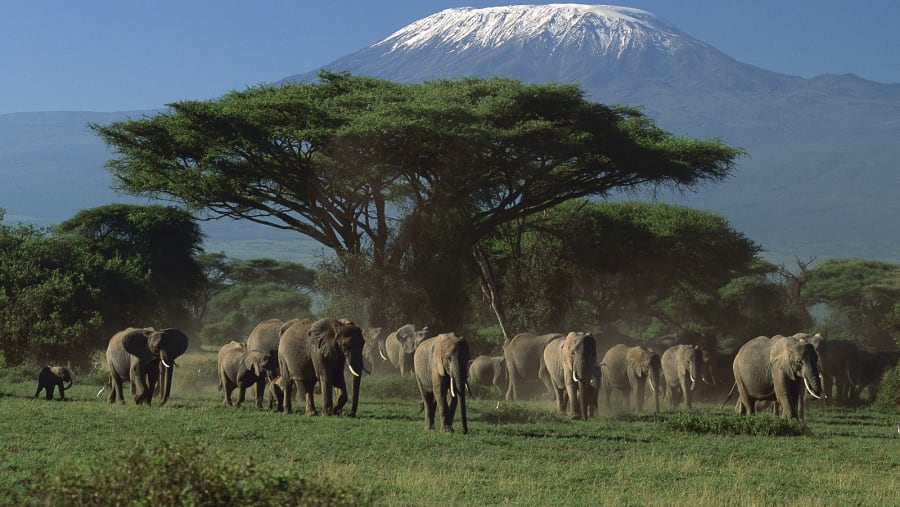
  • 02 See Tarangire's remarkable elephant population in its natural habitat
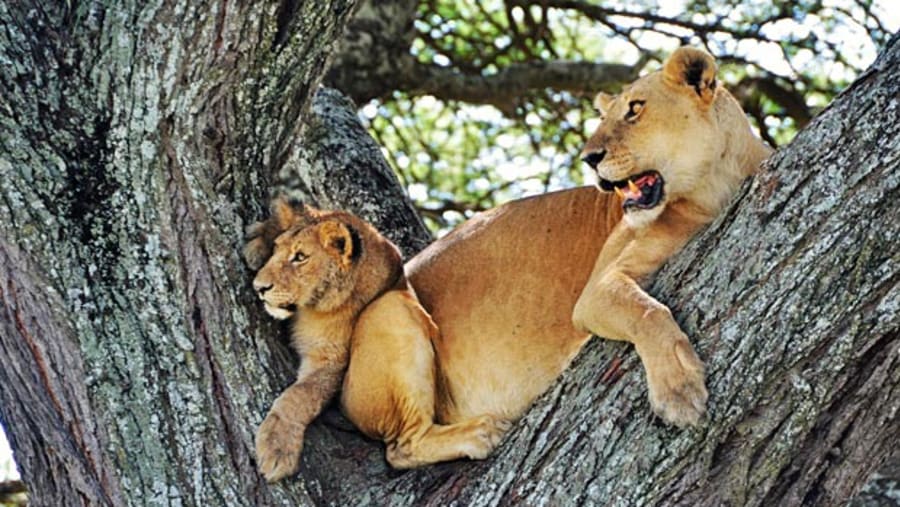
  • 03 Look out for varied wildlife, including lions, giraffes, buffaloes, and cheetahs
  • 04 Spot diverse birdlife, including yellow-collared lovebirds among 545 recorded species

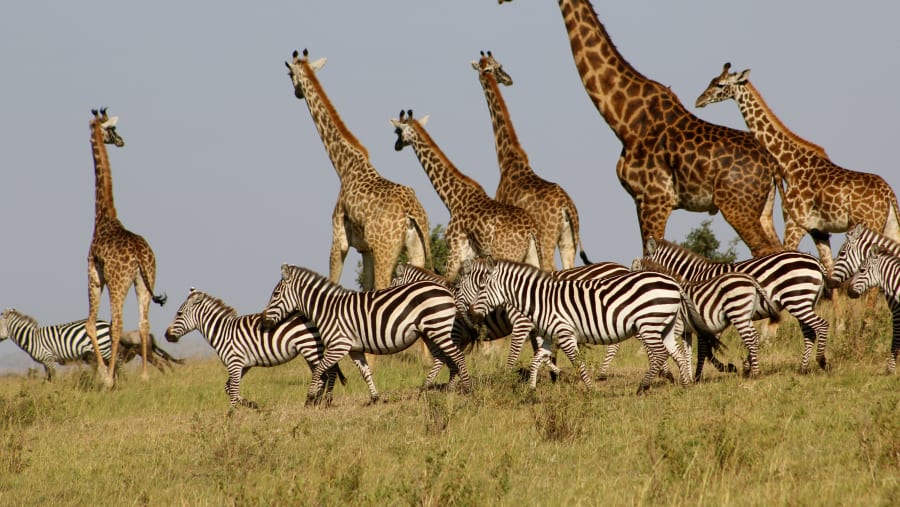
Depart from Arusha in the morning for Tarangire National Park, where colossal termite mounds, ancient baobab trees, and picturesque scenery create a tranquil safari setting. The park is especially known for its remarkable elephant population, with African elephants being the largest land mammals. Tarangire's varied wildlife also includes lions, giraffes, warthogs, ostriches, impalas, cheetahs, mongooses, buffaloes, and baboons. Diverse birdlife adds to the experience, making this a rewarding one-day safari from Arusha.

You are most likely to spot buffalo, waterbuck, giraffe, warthogs, zebra, and gazelle, as well as a host of different bird species.

From the itinerary

At a glance

What this trip includes

Duration 1 Day
Tour type Shared
Activity level Easy
Accommodation Not included
Transport Included
Wheelchair access No
Cities Arusha, Mount Kilimanjaro, Tarangire National Park
Languages English, German, Swahili

Day by day

The itinerary

1
Day 01

Tarangire National Park Game Drive from Arusha

  • Make sure you have an early and good breakfast, because you will leave Arusha town at 8:00 am sharp for the one-hour drive to Tarangire National Park with your Tanzanian guide.

  • After a tasty lunch, hop into the Land Cruiser for a game drive that takes you through a wider area of the park. You are most likely to spot buffalo, waterbuck, giraffe, warthogs, zebra, and gazelle, as well as a host of different bird species. If you are lucky, you may also catch a glimpse of the shy leopard or elephant. Don't forget your camera!

  • After the game drive, you will be driven back to Arusha.

Tarangire National Park, ancient baobab trees, colossal termite mounds

Where this trip takes you

Tarangire National Park, ancient baobab trees, colossal termite mounds

The route

Where you'll travel

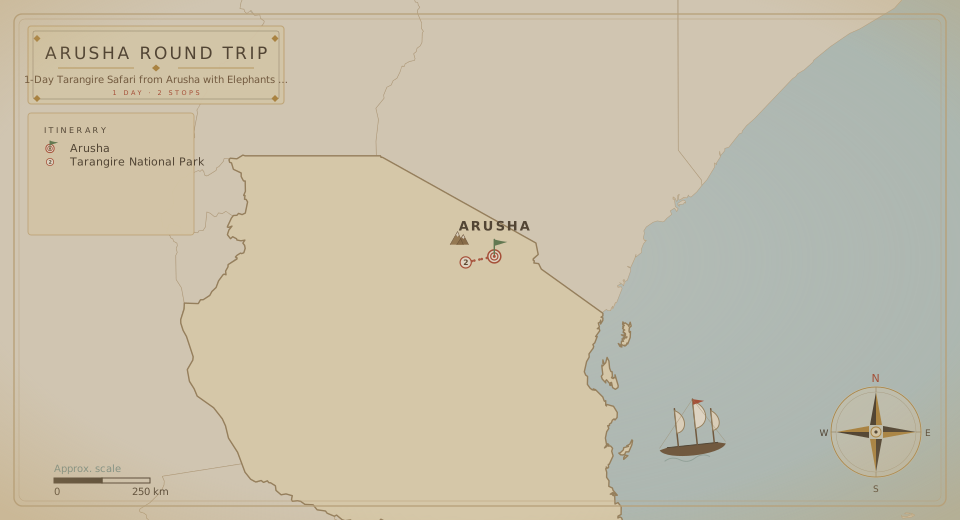
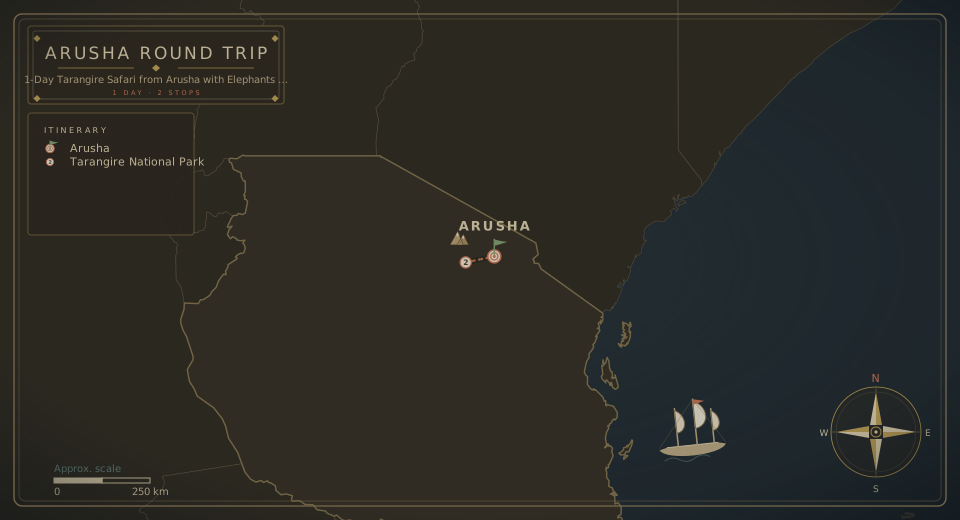
Tour route map
Round trip from Arusha 3 cities · 1 Day

The fine print

Trip details

What's Included

  • Transport by 4x4 Land Cruiser with an open roof

  • Park fees

  • Professional English-speaking Tanzanian safari guide

  • Lunch box

  • 1.5 l bottle of water

  • Professional guide

What's Not Included

  • Personal items

  • Travel insurance

  • Gratuities/tips for the safari guide

  • Increases in park fees where applicable

What to bring

  • Activities in Tarangire National Park
  • Game drives and walking tours: The primary safari activity in this park is game driving; however, if you live outside the park boundaries, you might be able to enjoy walking tours and night safaris. Currently, Oliver's Camp organizes walking tours as well as fly-camping safaris.

Know before you go

  • Ranking as the 6th largest national park in Tanzania and covering an area of 2,600 square kilometers, Tarangire National Park is most popular for its large elephant herds and the mini-wildlife migration that takes place during the dry season, when about 250,000 animals enter the park. Located slightly off the popular northern Tanzania Safari Circuit, the park lies between the meadows of Masai Steppe to the southeast and the lakes of the Great Rift Valley to the north and west. Within the northern part of Tarangire is the permanent Tarangire River, also known as the lifeline of the park, particularly in the dry season when most of the region is totally dry. It flows northwards until it exits the park in the northwestern corner and pours into Lake Burungi. There are also a number of wide swamps in the south, which dry into green plains during the dry season.
  • Tarangire Vegetation
  • The permanent Tarangire River is the most dominant feature here, and it is after this river that the park was named. There are a number of large swamps that feed off some of its tributaries; however, these are usually dry for most of the year but become very impassable during the rains. Tarangire National Park is usually very dry, in fact drier than the Serengeti, but its vegetation is much greener, especially with lots of elephant grass, vast areas of mixed acacia woodlands, and some wonderful ribbons of aquatic forest, not to forget the giant baobab tree that can live up to 600 years, storing between 300 and 900 liters of water.
  • Wildlife in Tarangire National Park
  • Because Tarangire is mainly a seasonal national park, its wildlife differs depending on the season, especially considering that it is part of a bigger ecosystem. As mentioned earlier, the dry season is the best time to visit Tarangire, and you will be able to encounter various animals. This park is home to one of the largest elephant populations in Africa, with several herds of up to 300 members each. In addition, there are large numbers of impalas, elands, buffaloes, giraffes, Bohor reedbuck, Coke's hartebeest, Thompson's gazelle, the greater and lesser kudu, and on rare occasions, the unusual gerenuk and fringe-eared oryx can also be seen. A few black rhinos are also thought to still be present in this park. You will obviously see large numbers of elephants gather here, as well as wildebeests and zebras. Among the other common animals in Tarangire are leopards, lions, hyenas, and cheetahs, which seem to be especially common within the southern open areas. Wild dogs are only seen once in a while.
  • The birds within Tarangire are also quite numerous, with over 545 species identified here. The stunning yellow-collared lovebirds and the shy starlings are found here in plenty, in addition to many other species.
  • Activities in Tarangire National Park
  • Game drives and walking tours: The primary safari activity in this park is game driving; however, if you live outside the park boundaries, you might be able to enjoy walking tours and night safaris. Currently, Oliver's Camp organizes walking tours as well as fly-camping safaris.

Logistics

Meeting & route

Meeting point
Kilimanjaro International Airport, Kilimanjaro Airport Road, Tanzania
Tour start
Arusha, Tanzania
Tour ends at the same location as the start point.
End of the journey

Your 1 day finishes where it began, in Arusha.

Watch the tourHQ film Watch the film

Create your own adventure

Can't find the perfect tour? Tailor your dream trip.

  • Tell us your destination, dates and group size.
  • Our travel experts and local guides design a tailored itinerary, just for you.
  • Enjoy your trip with peace of mind, knowing everything is taken care of.
Plan my holiday

Say goodbye to travel stress.

Starting from

USD 220 /person
Book This Tour

When

Travellers

Total