
Kathmandu's UNESCO World Heritage Sites
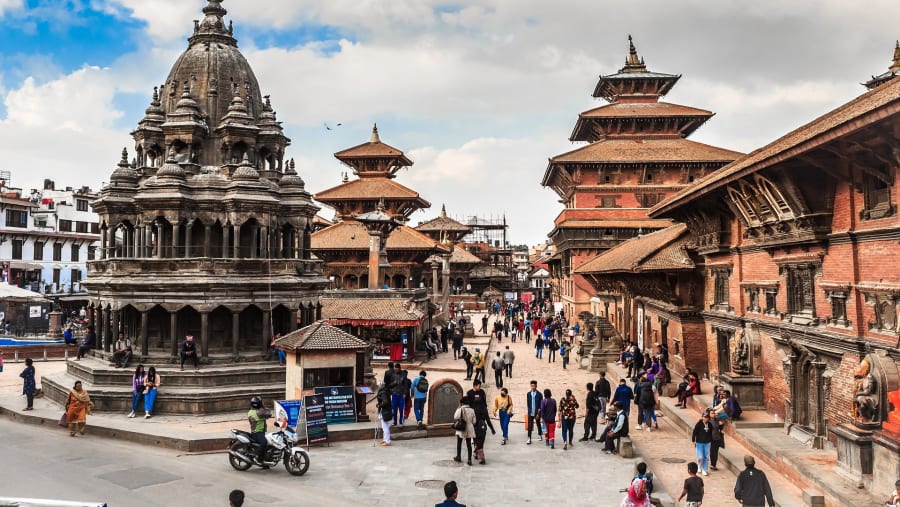
Kathmandu Durbar Square
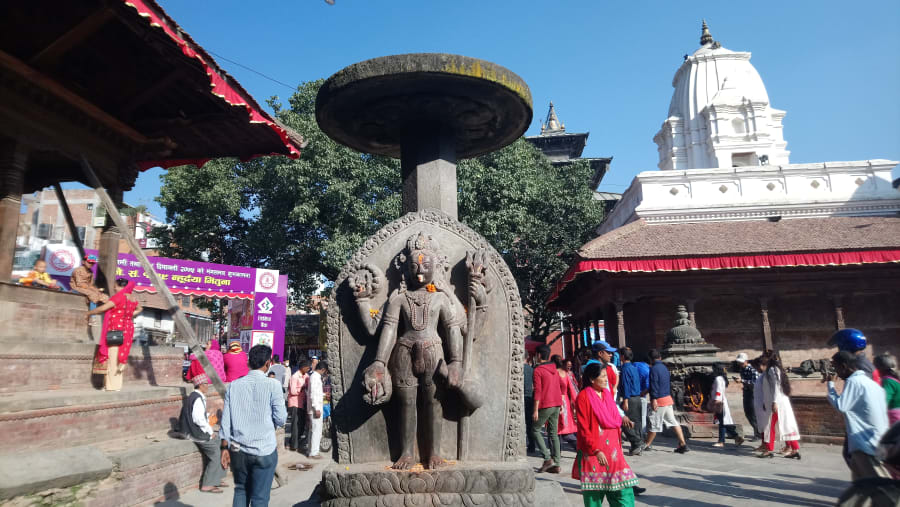
It is easy to be overwhelmed by the seemingly uncountable monuments in Kathmandu Durbar Square. The House of the Living Goddess (Kumari Ghar), the frightening god Kal Bhairab, Taleju Temple, many chowks (courtyards), and erotic carvings are a few examples of the sights at the square. Durbar Square, which is itself the old Royal Palace of the Malla Kings, has been enlisted as a World Heritage Site.
Pashupatinath Temple
Pashupatinath is one of the most sacred Hindu temples. This temple of Lord Shiva is situated on the bank of the holy Bagmati River, 5 kilometres east of the capital city. The main temple house has a four-faced lingam of Lord Shiva. Only Hindus are allowed to enter the main temple.
Swayambhu (Monkey Temple)
Swayambhu, or Syambhunath, is believed to be the world's oldest Buddhist stupa, dating to the 5th century. It is situated on a beautiful hill. Tourists call it the Monkey Temple because many monkeys live around it. UNESCO has listed Swayambhu Stupa as a World Heritage Site.
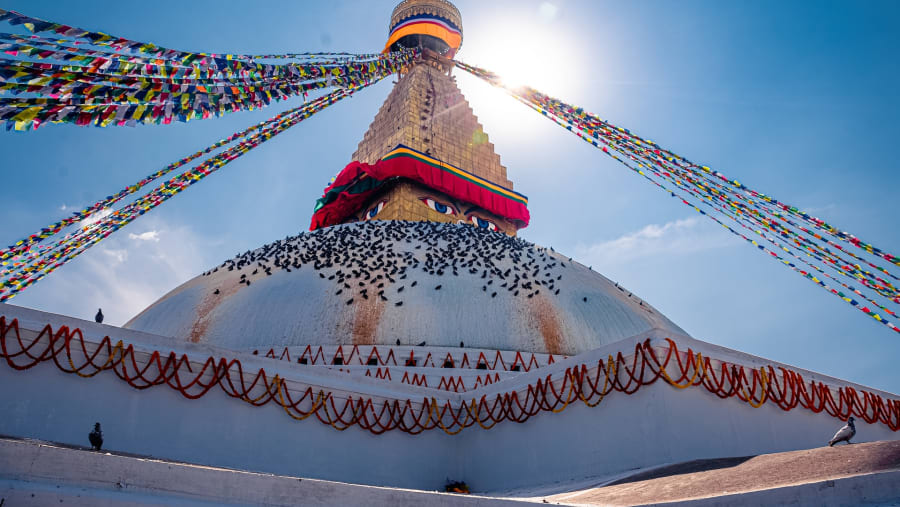
Boudha Stupa
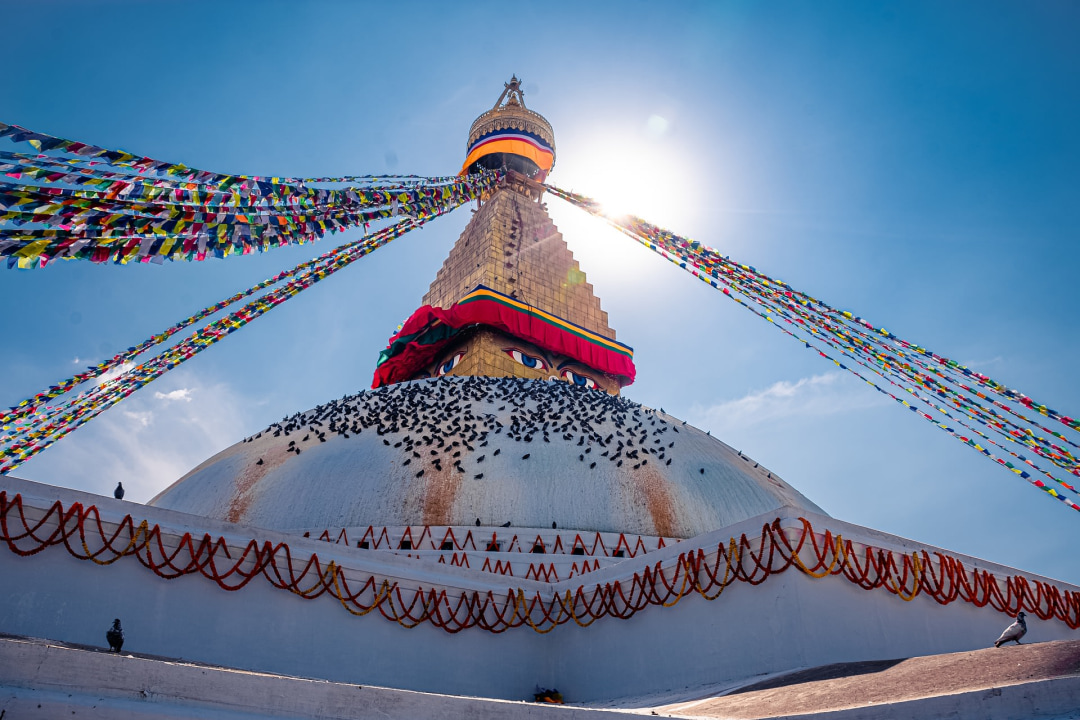
Boudha, or Boudhanath Stupa, is 6 km northeast of Kathmandu city. It is the largest Buddhist stupa in Nepal. Its unique octagonal mandala structure features hundreds of prayer wheels and 108 idols of the Buddha placed around the huge structure. It is said that Boudha Stupa has existed since the ancient period. Boudha was recently renovated after being damaged by the 2015 earthquake.